


 Deutsch
 English
 Español
 Français
 Nederlands
 Português


 Share
Share




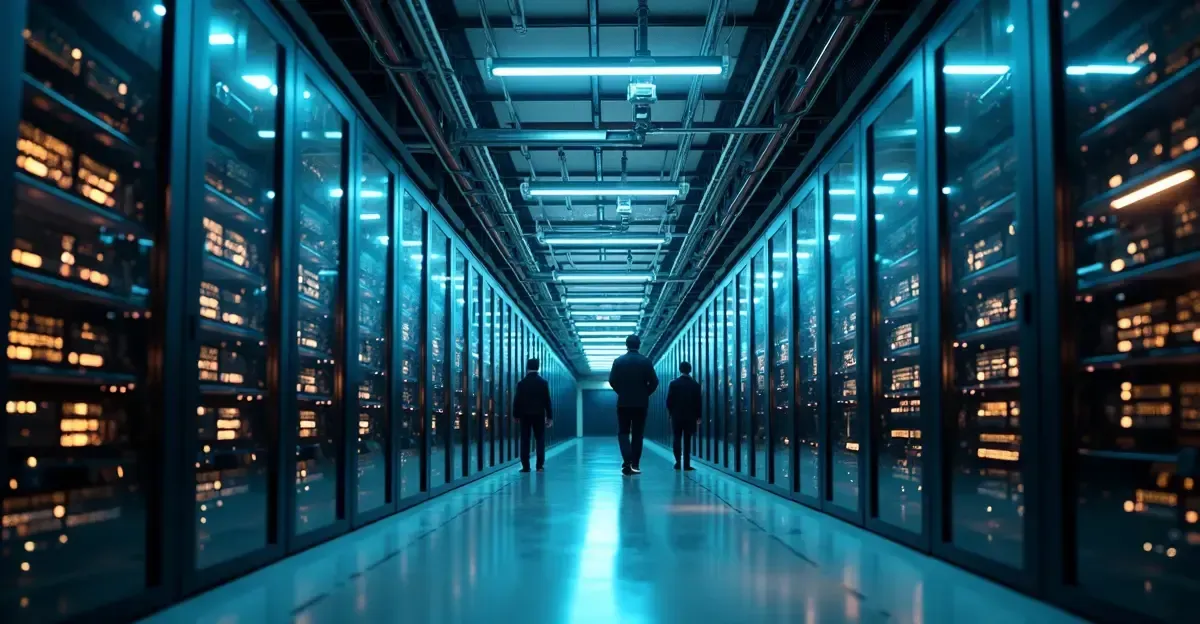
In early 2026, the world is confronting a stark paradox: artificial intelligence is accelerating at breakneck speed, but the energy required to power it is undermining the very climate commitments tech giants have pledged to uphold. Global electricity consumption by AI data centers is projected to surpass 1,000 terawatt-hours (TWh) by 2026—equivalent to Japan's entire annual electricity use—and could reach 1,300 TWh by 2035, according to the International Energy Agency (IEA). This surge is reshaping global energy markets, geopolitics, and the clean energy transition in real time.
Global spending on AI infrastructure reached $580 billion in 2025, surpassing oil exploration spending for the first time, according to IEA data. Data centers now consume approximately 6% of U.S. electricity, up from 4% in 2024, and that share could reach 12% by 2028. The tension between AI expansion and climate commitments has never been more acute.
The Dirty Secret Behind AI's Clean Image
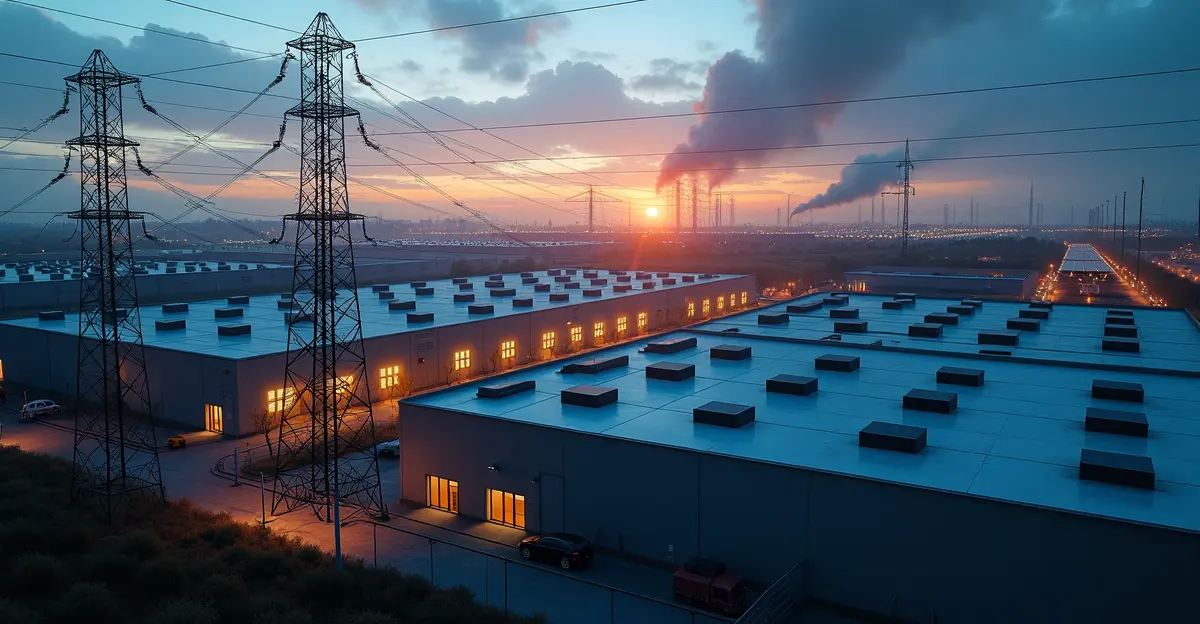
Despite ambitious net-zero pledges from Microsoft, Google, Amazon, and Meta, the current energy mix powering global data centers tells a different story. According to the IEA's landmark Energy and AI report, coal supplies 30% of data center electricity globally, natural gas accounts for 26%, and renewables provide 27%, with nuclear contributing 15%. In the United States, natural gas dominates at 40%, while in China—home to a rapidly expanding data center fleet—coal accounts for nearly 70% of power supply.
The global energy transition is facing a critical test. The IEA projects that natural gas and coal together will meet over 40% of additional data center demand through 2030, even as renewables grow rapidly. CO₂ emissions from data center electricity generation are expected to peak around 320 million metric tons by 2030 before declining—a trajectory that clashes with the net-zero timelines many tech companies have announced.
The Geopolitical Scramble for Power
The AI energy crunch is reshaping global power dynamics. Nations and regions with access to reliable, low-carbon electricity are gaining strategic advantages, while those dependent on fossil fuels face mounting pressure.
Nuclear Renaissance or False Dawn?
Major technology companies are pivoting aggressively toward nuclear power. Microsoft has committed $1.6 billion to restart Unit 1 of the Three Mile Island plant (835 MW), targeting operations by 2027. Amazon, Google, and Oracle are investing in small modular reactors (SMRs), though none are commercially operational yet. The nuclear energy revival is gaining bipartisan support in the U.S., with the Department of Energy streamlining licensing for advanced reactor designs.
However, SMRs are not expected to enter the commercial mix until after 2030, leaving a critical gap in the near term. Goldman Sachs estimates data center power demand could rise 160% by 2030, with data centers potentially consuming 12% of U.S. electricity by 2028.
Geothermal and Natural Gas: The Bridging Solutions
Next-generation geothermal power is emerging as a promising always-on, carbon-free baseload option. Google has commissioned its first enhanced geothermal project (150 MW with Ormat), and startups like Sage Geosystems are developing engineered reservoirs in hot dry rock that can be deployed more broadly than traditional geothermal. At Data Center World 2026, executives emphasized that speed to power and scalability are the most critical factors.
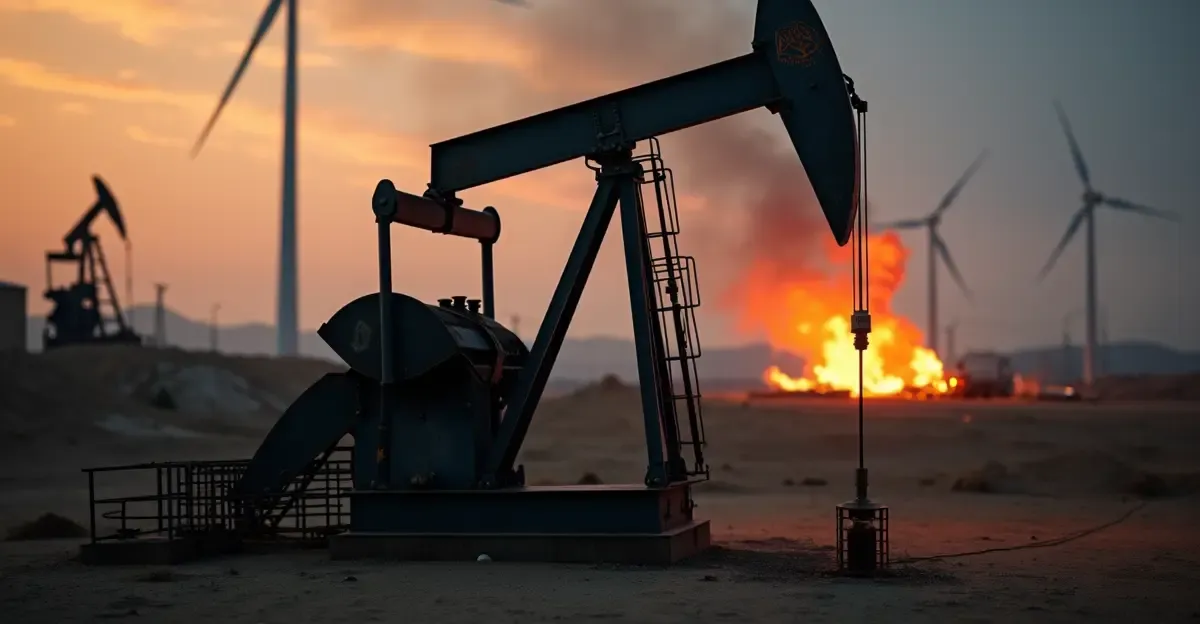
Meanwhile, natural gas is experiencing a resurgence as utilities prioritize grid reliability for 24/7 AI workloads. In 2026, major gas projects have been approved in Texas and Pennsylvania, including Pacifico Energy's 7.7 GW GW Ranch project and NextEra's combined 10 GW plants. Natural gas's share of planned capacity additions rose from 11.1% in 2024 to 18.1% in 2026, while renewable additions flattened to just 2% growth. The natural gas and AI data centers connection is becoming a defining feature of the current energy landscape.
Grid Strain and Community Backlash
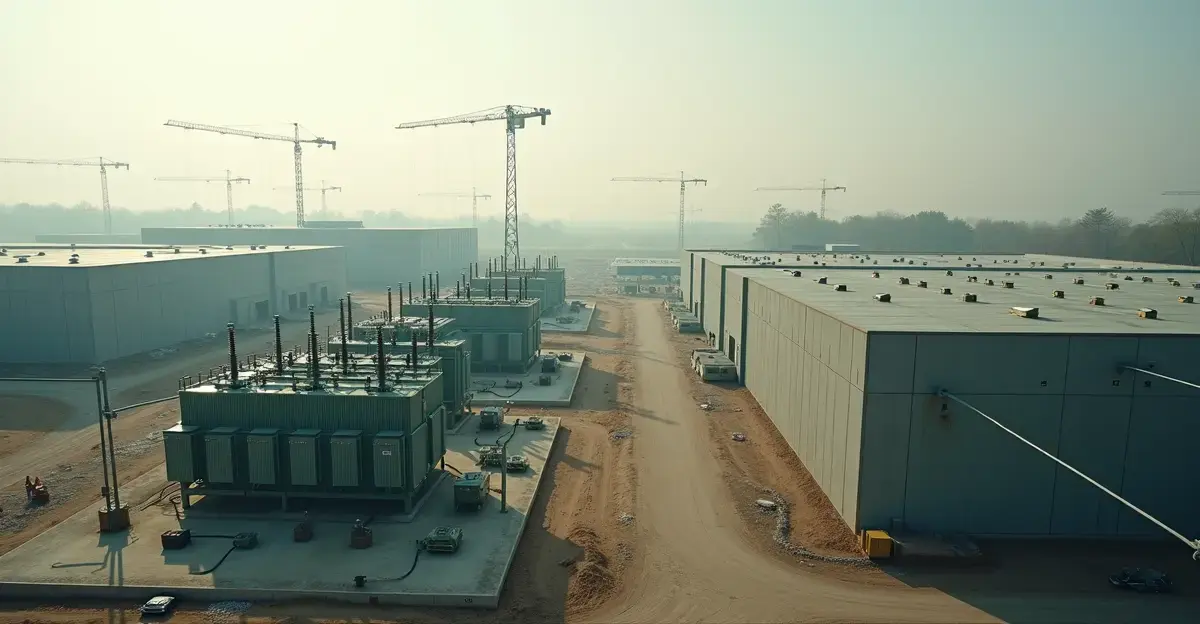
The rapid expansion of data centers is overwhelming electrical grids worldwide. Northern Virginia's 'Data Center Alley'—home to 35% of global data center capacity—faces new project delays until 2032 due to energy scarcity. The PJM capacity market has seen prices spike nearly tenfold, with data centers driving a $9.33 billion increase in capacity payments.
Communities from Ohio to Oregon are pushing back. Hundreds of state-level bills to regulate data centers have been introduced in the U.S. In Maine, a bill to bar large data centers until 2027 was vetoed, but an executive order created a council to investigate impacts. Electricity costs for consumers have risen 42% since 2019, and utilities requested $31 billion in rate hikes in 2025 alone.
The data center community opposition is a growing force that could reshape where and how AI infrastructure is built. Morgan Stanley warns of a 126 GW demand surge through 2028, with a 49 GW generation shortfall in the U.S. by then—equivalent to 49 large power plants.
Will AI Accelerate or Undermine the Clean Energy Transition?
The answer is not straightforward. On one hand, AI data centers are driving massive investments in renewable energy—data centers now account for over 17 GW of clean energy deals globally. The IEA projects that renewables will meet nearly 50% of new data center demand by 2030. Solar and wind are becoming the preferred power sources for new facilities due to easier permitting and lower costs.
On the other hand, the sheer scale and urgency of AI power demand is prolonging the life of fossil fuel assets. The U.S. Energy Information Administration's Annual Energy Outlook 2026 projects that natural gas, solar, and wind will account for ~80% of U.S. electricity generation through 2050, with coal declining sharply. But the timing of demand from data centers and EVs will influence infrastructure costs and electricity pricing for decades.
The AI and clean energy transition relationship is a double-edged sword. As Mark Esposito of the World Economic Forum argues, 'No public or private sector leader can afford to ignore the intersection of energy systems and international politics if they want to deliver on the promises of AI.'
Expert Perspectives
Henry Coetzee, energy analyst and author of this report, notes: 'The AI boom is forcing a reckoning that the clean energy transition was not prepared for. We are seeing a fundamental tension between the speed of AI deployment and the pace at which we can build low-carbon infrastructure. The regions that solve this tension first will win the AI race.'
At Data Center World 2026, Meta's energy strategy manager emphasized that no single solution will suffice, and that policy fragmentation across federal, state, and local levels remains a key barrier to deployment. Geothermal enjoys bipartisan support, but permitting delays and supply chain bottlenecks—including 2-4 year lead times for transformers—continue to constrain grid expansion.
FAQ: AI Data Centers and Energy
How much electricity do AI data centers consume?
Global data center electricity consumption was approximately 415 TWh in 2024 (1.5% of global demand) and is projected to surpass 1,000 TWh by 2026, potentially doubling by 2030. In the U.S., data centers consume about 6% of electricity, projected to reach 6.7-12% by 2028.
What is the energy mix powering data centers?
According to the IEA, coal supplies 30%, natural gas 26%, renewables 27%, and nuclear 15% of global data center electricity. In the U.S., natural gas dominates at 40%; in China, coal accounts for nearly 70%.
Are tech companies investing in clean energy for data centers?
Yes. Major tech firms have committed tens of billions to nuclear (including SMRs), geothermal, and renewable energy. Microsoft is restarting Three Mile Island, Google has commissioned enhanced geothermal, and Amazon has invested in nuclear at Susquehanna. However, fossil fuels still meet over 40% of new demand.
How is AI data center growth affecting electricity prices?
Electricity costs for U.S. consumers have risen 42% since 2019, driven partly by data center demand. Utilities requested $31 billion in rate hikes in 2025 alone, and PJM capacity prices have spiked nearly tenfold.
Will AI accelerate or hinder the clean energy transition?
Both. AI is driving massive renewable investments but also prolonging fossil fuel use. The IEA projects data center CO₂ emissions will peak around 320 Mt by 2030 before declining. The net effect depends on policy, technology deployment speed, and grid modernization efforts.
Conclusion: The Defining Energy-Geopolitical Tension of 2026
The AI power paradox is the defining energy-geopolitical tension of 2026. With data centers projected to consume 6-12% of U.S. electricity and global AI infrastructure spending at $580 billion, the choices made today will determine whether AI accelerates the clean energy transition or locks in fossil fuel dependence for decades. The scramble for reliable, low-carbon power is reshaping geopolitics around nuclear, geothermal, and natural gas investments. Electricity availability has become the new bottleneck for AI expansion, and the regions that solve this challenge will lead the next era of technological and economic growth.
Sources
- International Energy Agency, Energy and AI report, 2025-2026
- U.S. Energy Information Administration, Annual Energy Outlook 2026
- Bloom Energy, 2026 Data Center Power Report
- Morgan Stanley, AI Data Center Power Demand Analysis, 2025
- TechCrunch, 'How much of the AI data center boom will be powered by renewable energy?', Nov 2025
- Data Center Knowledge, 'World Energy Outlook 2025: Skyrocketing Data Center Demand Outpaces Grid'
- American Action Forum, 'AI Data Center Power Surge: Shifting Trends Toward Natural Gas', 2026
- Singularity Hub, 'Data Centers Now Consume 6% of Electricity in the US', May 2026
- World Economic Forum, 'AI, Energy and Geopolitics', March 2026
- S&P Global, 'Energy Horizons: Top Cleantech Trends 2026'
Follow Discussion