


 Deutsch
 English
 Español
 Français
 Nederlands
 Português


 Share
Share




AI Data Centers and the Global Energy Grid: The Coming Infrastructure Crisis
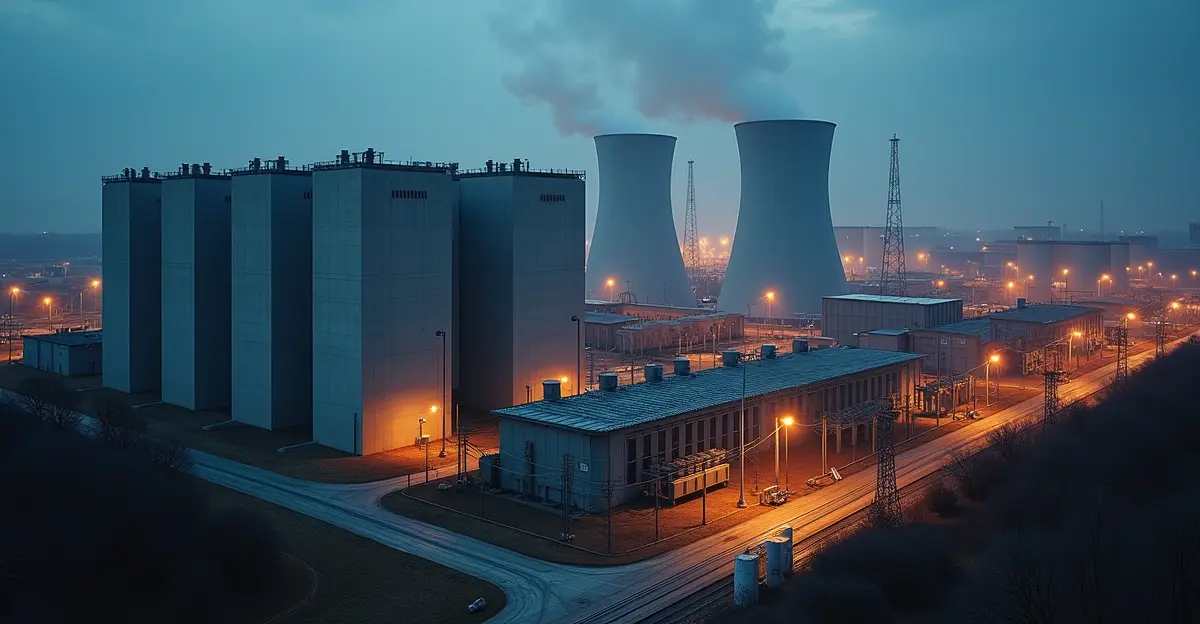
The explosive growth of artificial intelligence is triggering an unprecedented energy infrastructure crisis, with AI data centers projected to consume 945 terawatt-hours (TWh) of electricity globally by 2030—more than double the 415 TWh consumed in 2024. This massive energy demand, representing 1.5% of global electricity consumption in 2024 and potentially reaching 3-4% by 2030, is creating systemic challenges for electricity grids worldwide that energy planners are only beginning to address. The unique characteristics of AI infrastructure—including high power density, rapid variability, and geographic concentration—are exposing fundamental weaknesses in global energy systems that threaten both technological progress and climate goals.
What Are AI Data Centers?
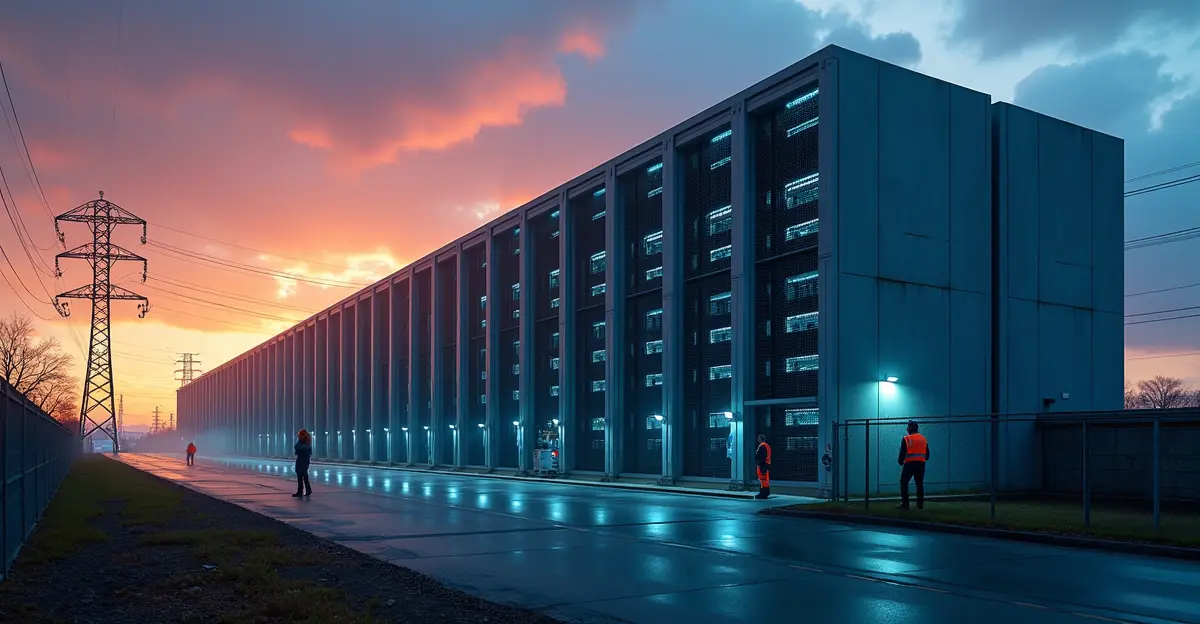
AI data centers are specialized facilities housing the computational infrastructure required for artificial intelligence workloads, including training large language models, running inference operations, and processing massive datasets. Unlike traditional data centers, which typically operate at 7-10 kilowatts per rack, AI-optimized facilities feature power densities of 30-100+ kW per rack, with some advanced systems reaching even higher levels. These facilities support the fifth industrial revolution but come with energy requirements that dwarf previous technological infrastructure. According to research from the International Energy Agency, global data center electricity consumption reached 415 TWh in 2024, with AI workloads becoming the primary driver of growth.
The Three-Tiered Grid Crisis
Long-Term Planning and Interconnection Bottlenecks
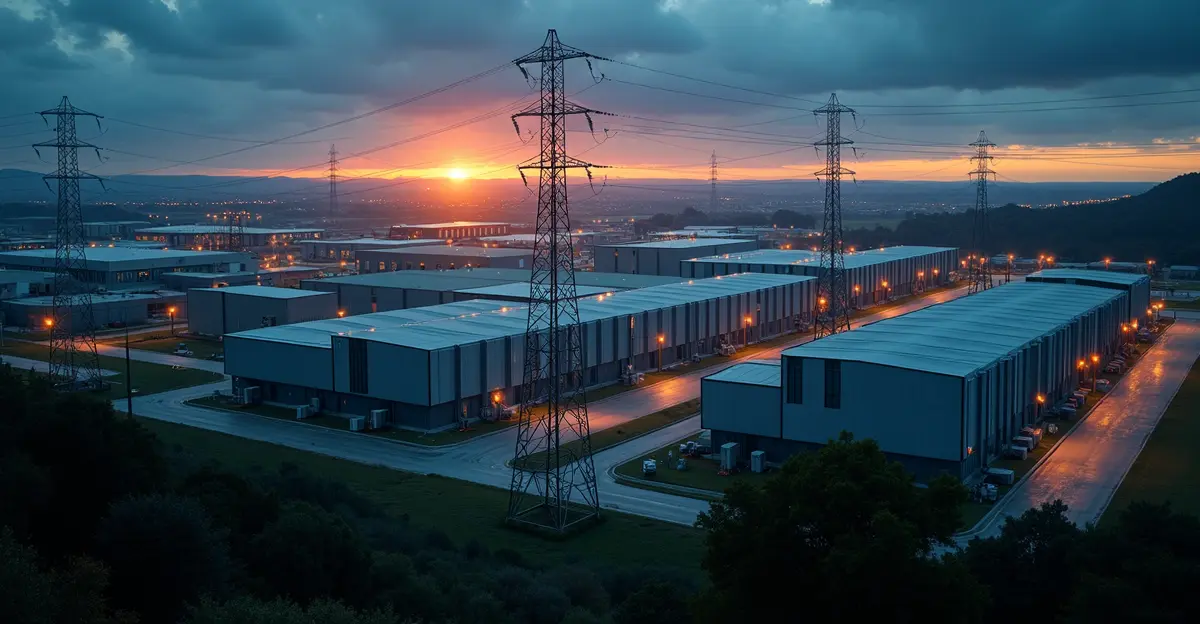
The most immediate challenge facing AI infrastructure development is the severe bottleneck in grid interconnection capacity. Data center operators now face multi-year delays in interconnection queues, with wait times stretching beyond eight years in regions like PJM Interconnection in the eastern United States. The traditional grid infrastructure was designed for gradual, predictable load growth, not the rapid, large-scale demands introduced by AI. A single hyperscale data center can require 100-300 megawatts of power—equivalent to a medium-sized city—and tech companies are planning dozens of such facilities simultaneously. The financial impact is staggering: a one-month delay on a 60MW facility can cost $14.2 million, and multi-year delays can nearly halve investment returns. Operators are increasingly adopting 'bring-your-own-power' models, treating energy as a first-order design choice rather than a background assumption to bypass grid bottlenecks.
Short-Term Electricity Market Disruptions
AI data centers are creating unprecedented volatility in electricity markets due to their unique operational characteristics. Unlike traditional industrial loads that follow predictable patterns, AI workloads can fluctuate by hundreds of megawatts within seconds as training jobs start and stop. This fast variability creates challenges for grid operators who must maintain supply-demand balance in real-time. The July 2024 incident in northern Virginia, where 60 data centers simultaneously disconnected from the grid, causing a 1,500-megawatt power surplus, highlights the reliability risks. Major tech companies—including Amazon, Microsoft, Google, and Meta—collectively spent over $200 billion on capital expenditures in 2024, representing a 62% year-over-year increase, much of it directed toward AI infrastructure that strains local power markets.
Real-Time Grid Stability Threats
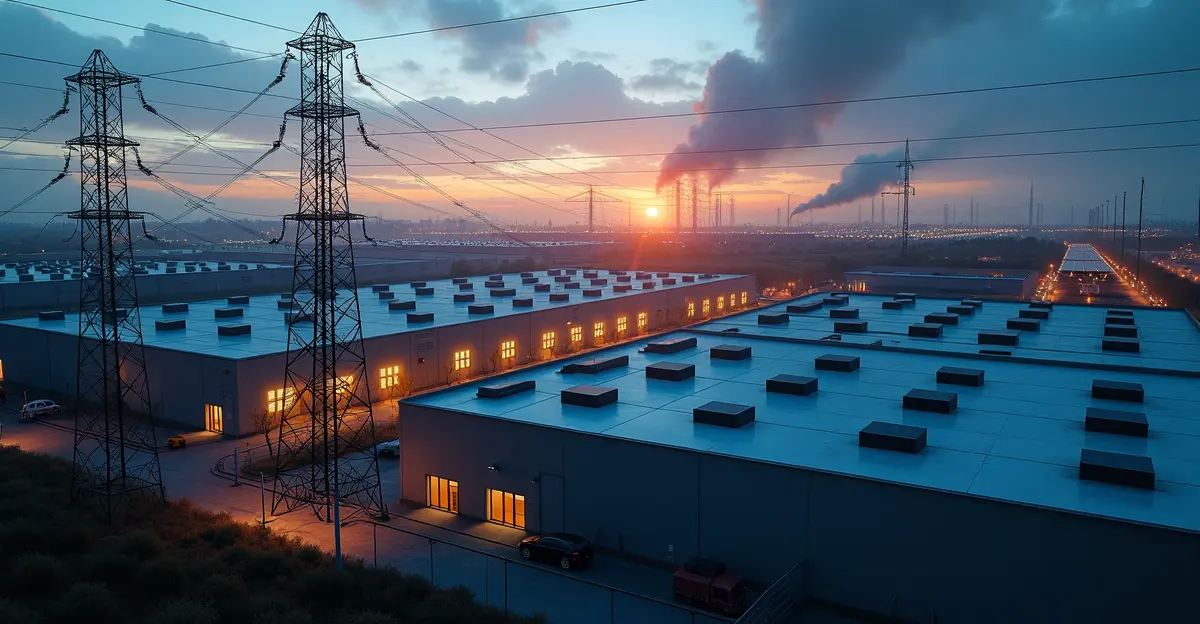
The most technically complex challenge involves real-time grid stability. AI data centers interface with power grids through power electronics rather than traditional rotating machinery, creating potential stability issues during grid disturbances. These facilities require 99.999% uptime (the 'five nines' standard), making them highly sensitive to power quality issues. In Texas alone, data center demand is projected to reach 78 gigawatts by 2031, accounting for 36% of statewide load. This concentration creates single points of failure that could trigger cascading blackouts if not properly managed. The industry faces critical policy challenges: overregulation could hinder AI development, while insufficient regulation risks grid instability, rising consumer costs, and setbacks to climate goals.
Strategic Implications for Energy Security and Climate Goals
The AI energy crisis has profound implications for global energy security and climate commitments. Big Tech companies are significantly increasing their purchases of carbon credits to offset emissions from their energy-intensive AI infrastructure buildout. According to data from carbon credit platform Ceezer, purchases of permanent carbon removal credits surged from 14,200 in 2022 to 11.92 million in 2023, then jumped 104% to 24.4 million in 2024 and 181% to 68.4 million in 2025. Microsoft leads this trend, reporting a 247% increase in credit purchases from fiscal 2022 to 2023, followed by a 337% jump the following year. However, carbon credits alone cannot address the fundamental challenge: AI's energy demands are growing faster than renewable energy deployment.
The geopolitical dimension is equally significant. Nations are racing to secure power resources for AI supremacy while managing grid reliability. The US-China technology competition now extends to energy infrastructure, with both countries investing heavily in next-generation power systems. The shift has made power availability, not just price, the defining variable in digital infrastructure strategy. Community resistance is also growing, with $64 billion in US data center projects facing delays due to energy, water, and local impact concerns. These opposition movements have materialized especially in parts of Europe, the United States, and South America, with billions of dollars in projects halted or delayed between May and June of 2025 alone.
Expert Perspectives and Emerging Solutions
Industry experts warn that current approaches are insufficient to address the scale of the challenge. 'We're witnessing a fundamental mismatch between accelerating AI roadmaps and slow-moving grid reform processes,' says Dr. Ana Colacelli, co-author of the comprehensive review 'Electricity Demand and Grid Impacts of AI Data Centers.' 'The traditional grid infrastructure was never designed for the concentrated, high-density loads that AI requires.' Solutions are emerging across three fronts: grid modernization, data center innovation, and policy reform.
From the grid perspective, operators are exploring advanced grid-forming inverters, enhanced forecasting tools, and new market mechanisms to accommodate AI's unique characteristics. Data center operators are pursuing several strategies:
- Load flexibility: Oracle and NVIDIA demonstrated a 25% peak reduction capability through intelligent workload scheduling
- Advanced cooling: Liquid immersion and direct-to-chip cooling reduce energy consumption by 30-40% compared to traditional air cooling
- On-site generation: Natural gas with carbon capture, geothermal, and small modular nuclear reactors provide clean, firm power
- Strategic location: Siting facilities in regions with abundant renewable resources and cooler climates
Policy reforms are also critical. Federal regulatory changes in 2026 will standardize large electrical load interconnections, while states are implementing stricter requirements for large energy users. The competitive advantage will belong to those integrating power, hardware, and climate strategy from day one, moving from 'scale at all costs' to 'responsible scale' that balances power demands with net-zero goals.
FAQ: AI Data Centers and Energy Grids
How much electricity do AI data centers consume?
AI data centers consumed 415 TWh globally in 2024 (1.5% of total demand) and are projected to more than double to 945 TWh by 2030. Training GPT-4 alone required over 50 GWh, equivalent to nearly 0.1% of New York City's annual electricity use.
What makes AI data centers different from traditional data centers?
AI data centers feature much higher power density (30-100+ kW per rack vs. 7-10 kW for traditional servers), faster variability with power fluctuations of hundreds of megawatts within seconds, and different grid interface characteristics that can create stability issues.
How are AI data centers affecting electricity prices?
Concentrated AI development in regions like Virginia, Texas, and California is driving up electricity prices for consumers and creating market volatility due to the massive, unpredictable loads.
Can renewable energy power AI data centers?
While renewable energy is part of the solution, AI's 24/7 power requirements and rapid growth outpace renewable deployment. Companies are combining renewables with carbon credits, energy storage, and firm power sources like natural gas with CCS.
What are the main solutions to the AI energy crisis?
Solutions include grid modernization, data center load flexibility, advanced cooling technologies, strategic location selection, on-site generation, and policy reforms to streamline interconnection and ensure equitable cost-sharing.
Conclusion: Navigating the Energy-AI Nexus
The intersection of artificial intelligence and energy infrastructure represents one of the most critical challenges of our technological era. As AI data centers drive toward consuming nearly 1,000 TWh annually by 2030, the global energy system faces a fundamental transformation. Success will require unprecedented collaboration between technology companies, grid operators, policymakers, and communities. The energy transition must accelerate to meet AI's demands while maintaining grid reliability and advancing climate goals. Those who master the energy-AI nexus will not only lead in technological innovation but will also shape the future of global energy systems and economic competitiveness. The coming years will determine whether we can power the AI revolution without compromising our energy security or climate commitments.


Follow Discussion