


 Deutsch
 English
 Español
 Français
 Nederlands
 Português


 Share
Share




AI's Power Paradox: How Data Center Energy Demand Is Reshaping Global Energy Security
The rapid expansion of artificial intelligence infrastructure is creating an unprecedented energy security crisis, with US data center power demand projected to grow more than thirtyfold to 123 gigawatts by 2035, fundamentally reshaping global energy systems and challenging grid reliability worldwide. This explosive growth, driven by major tech companies' $200+ billion annual investments, has created concentrated power demand clusters that threaten to overwhelm existing infrastructure, highlighted by recent incidents like the July 2024 Virginia power surge where 60 data centers simultaneously disconnected, creating a 1,500-megawatt power surplus that nearly triggered cascading outages.
What Is the AI Power Paradox?
The AI power paradox represents the fundamental contradiction between artificial intelligence's potential to solve complex global challenges and its massive energy consumption that threatens grid stability and climate goals. While AI promises revolutionary efficiency gains and innovation in renewable energy integration, its infrastructure demands are creating unprecedented strain on power systems. According to the International Energy Agency (IEA), global data center electricity consumption is projected to more than double from 415 terawatt hours in 2024 to 945 TWh by 2030, representing nearly 3% of global electricity demand. This growth trajectory creates a critical tension between accelerating AI development and maintaining energy system stability.
The Scale of the Challenge: Unprecedented Growth Projections
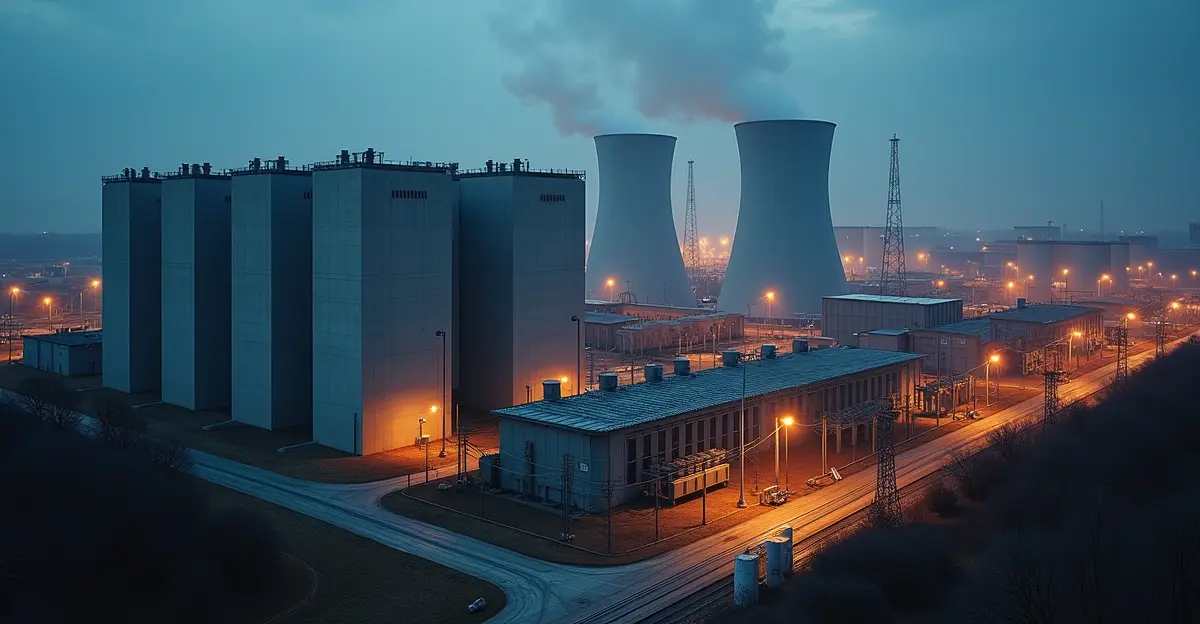
Recent analyses from Deloitte, the Belfer Center, and IEA reveal staggering projections for AI data center energy consumption. Deloitte's 2025 AI Infrastructure Survey shows US power demand for data centers growing from just 4 gigawatts in 2024 to 123 gigawatts by 2035—a more than thirtyfold increase. The largest AI data centers under construction require up to 2 gigawatts of power, with some massive 50,000-acre campuses potentially consuming 5 gigawatts, equivalent to powering 5 million homes.
Geographic Concentration and Grid Strain
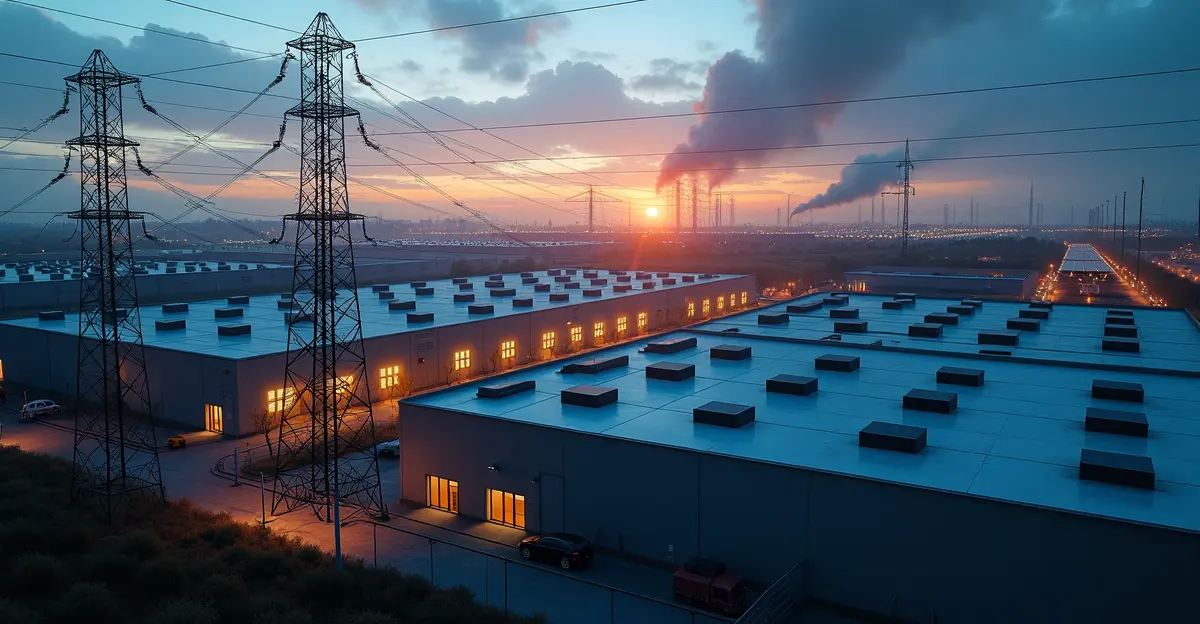
The problem is exacerbated by geographic concentration, with Northern Virginia hosting 35% of the world's data centers. This concentration creates what experts call "power demand clusters" that strain local grids beyond their designed capacity. The Virginia energy crisis has become a case study in how concentrated data center growth can overwhelm regional infrastructure, with the North American Electric Reliability Corp. categorizing Virginia at "elevated risk" for electricity supply shortfalls.
Infrastructure Bottlenecks: Seven-Year Wait Times
Dominion Energy Inc. reports that large data centers requiring over 100 megawatts of electricity now face wait times of up to seven years for grid connections, representing an increase of one to three years from previous timelines. This extended delay specifically affects new large-scale data center projects in Dominion's territory, where nearly all such massive power loads are data centers.
Key Infrastructure Gaps Identified
- Interconnection wait times of up to seven years
- Supply chain constraints for critical components
- Operational challenges from concentrated 24/7 power demand
- Grid stability issues from power electronics interfaces
- Environmental concerns about water consumption and emissions
- Regulatory uncertainty across different jurisdictions
- Workforce shortages for specialized technical roles
Tech Investment Surge: $200+ Billion Annual Spending
Major tech companies (Amazon, Microsoft, Google, Meta) collectively spent over $200 billion on capital expenditures in 2024, with Amazon's spending projected to exceed $100 billion in 2025 alone. This massive investment is concentrated almost exclusively on scaling AI compute infrastructure, including data centers, servers, and power systems. The big tech infrastructure race has created what some analysts describe as an "arms race" in AI infrastructure, with companies viewing the current build-out as essential to meet growing demand and avoid falling behind in the competitive AI race.
Grid Reliability Challenges: The Virginia Incident
The July 2024 incident in northern Virginia serves as a warning sign for grid operators worldwide. When 60 data centers simultaneously disconnected, they created a 1,500-megawatt power surplus that nearly triggered cascading outages across the PJM regional grid. This event highlighted four critical characteristics of AI data center loads identified by researchers:
- High power density (30-100+ kW per rack compared to 7-10 kW for traditional servers)
- Fast and large variability with power fluctuations of hundreds of megawatts within seconds
- Grid interface via power electronics causing stability issues
- Geographic concentration in specific regions
The Climate Policy Dilemma
The rapid growth of AI data centers presents a significant challenge to climate goals, potentially forcing utilities to rely on high-emission energy sources to meet immediate demand. According to the Belfer Center analysis, data center electricity consumption is projected to grow dramatically from 176 terawatt hours (4.4% of U.S. consumption) in 2023 to between 325-580 TWh (6.7-12.0%) by 2028. This growth threatens to undermine progress on global climate commitments unless carefully managed through policy interventions.
Potential Solutions and Innovations
Despite the challenges, AI itself offers potential solutions through efficiency gains and innovation in renewable integration. Researchers propose solutions from three perspectives:
Grid-Level Solutions
Enhanced grid planning, improved interconnection processes, and advanced grid management systems can help accommodate AI data center loads while maintaining reliability.
Data Center Innovations
Advanced cooling technologies, improved power usage effectiveness (PUE), and on-site renewable generation can reduce the environmental impact of data centers.
AI-Driven Efficiency
AI algorithms can optimize energy consumption, predict demand patterns, and improve renewable energy integration, potentially offsetting some of the technology's own energy demands.
Expert Perspectives and Policy Responses
Gary Wood, CEO of Central Virginia Electric Cooperative, warns that rolling blackouts are "very likely" in the next 3-5 years within the PJM regional grid. Policy interventions are emerging, such as Texas Senate Bill 6, as regulators grapple with balancing technological competitiveness with grid reliability and affordability. The energy policy landscape is evolving rapidly to address these challenges, with states implementing various approaches to manage data center growth while protecting grid stability.
FAQ: AI Data Center Energy Demand
How much electricity do AI data centers consume?
Global data centers consumed about 415 TWh of electricity in 2024 (1.5% of global consumption), projected to double to 945 TWh by 2030. US AI data center demand is expected to grow from 4 GW in 2024 to 123 GW by 2035.
Why are data center wait times so long?
Large data centers requiring over 100 megawatts now face up to seven-year wait times for grid connections due to overwhelming demand, infrastructure constraints, and the need for extensive grid upgrades.
What was the Virginia power surge incident?
In July 2024, 60 data centers in northern Virginia simultaneously disconnected, creating a 1,500-megawatt power surplus that nearly triggered cascading outages across the regional grid.
How are tech companies responding to energy challenges?
Major tech companies are investing over $200 billion annually in AI infrastructure while exploring renewable energy partnerships, efficiency improvements, and innovative cooling technologies.
Can AI help solve its own energy problem?
Yes, AI algorithms can optimize energy consumption, improve renewable integration, and enhance grid management, potentially offsetting some of the technology's energy demands through efficiency gains.
Future Outlook and Strategic Implications
The AI power paradox represents one of the most significant energy security challenges of our time, requiring coordinated action from policymakers, grid operators, and technology companies. As AI continues to transform industries and societies, managing its energy footprint will be critical to ensuring both technological progress and sustainable development. The coming years will test whether innovation can outpace consumption, determining whether AI becomes a solution to global energy challenges or an additional burden on already strained systems.



Follow Discussion