


 Deutsch
 English
 Español
 Français
 Nederlands
 Português


 Share
Share




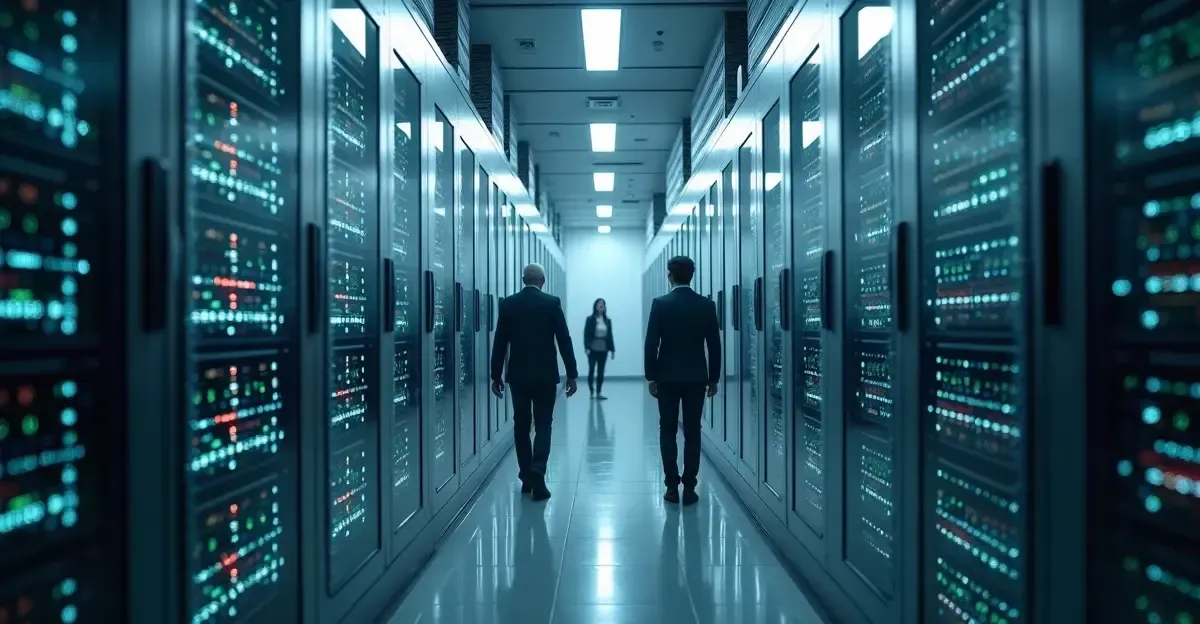
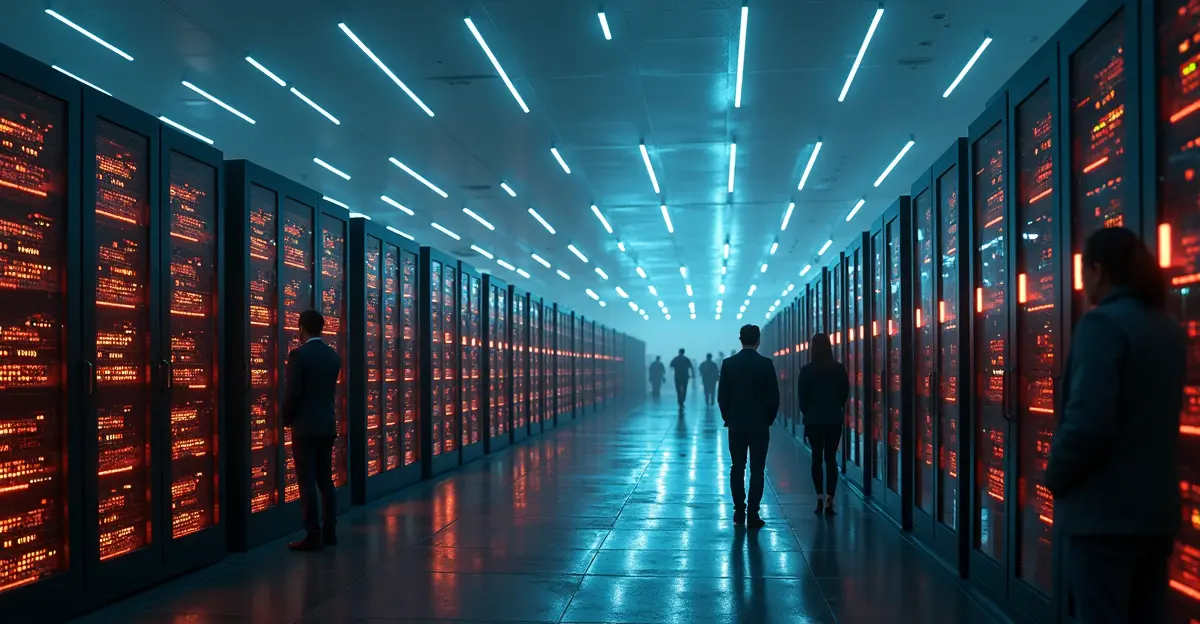
The exponential growth of artificial intelligence is colliding head-on with the physical limits of the world's electrical grids. By 2026, AI data centers are projected to consume 1,000 terawatt-hours (TWh) of electricity annually — roughly equivalent to Japan's entire power usage, according to the International Energy Agency. This surge, driven by the insatiable energy demands of training and running large language models, is pushing utilities from Ohio to Virginia to pause new interconnections, stretching transformer lead times to four years, and forcing Big Tech to scramble for solutions — from restarting nuclear plants to investing in unproven small modular reactors (SMRs) and burning more natural gas in the interim.
The Scale of the Crisis
Global data center electricity consumption is on track to double from 460 TWh in 2024 to 1,000 TWh by 2026, representing roughly 3% of worldwide electricity use. In the United States alone, Goldman Sachs forecasts data center demand will rise 165% to 8% of total power by 2030. This growth is concentrated in regions with existing grid constraints. Northern Virginia's data centers already consume 25% of PJM Interconnection's capacity, while Texas's ERCOT grid faces simultaneous spikes from AI loads and summer heatwaves. The PJM capacity market has seen prices surge nearly tenfold, with data centers driving $9.33 billion in additional capacity costs.
Grids Under Siege: Interconnection Moratoriums and Delays
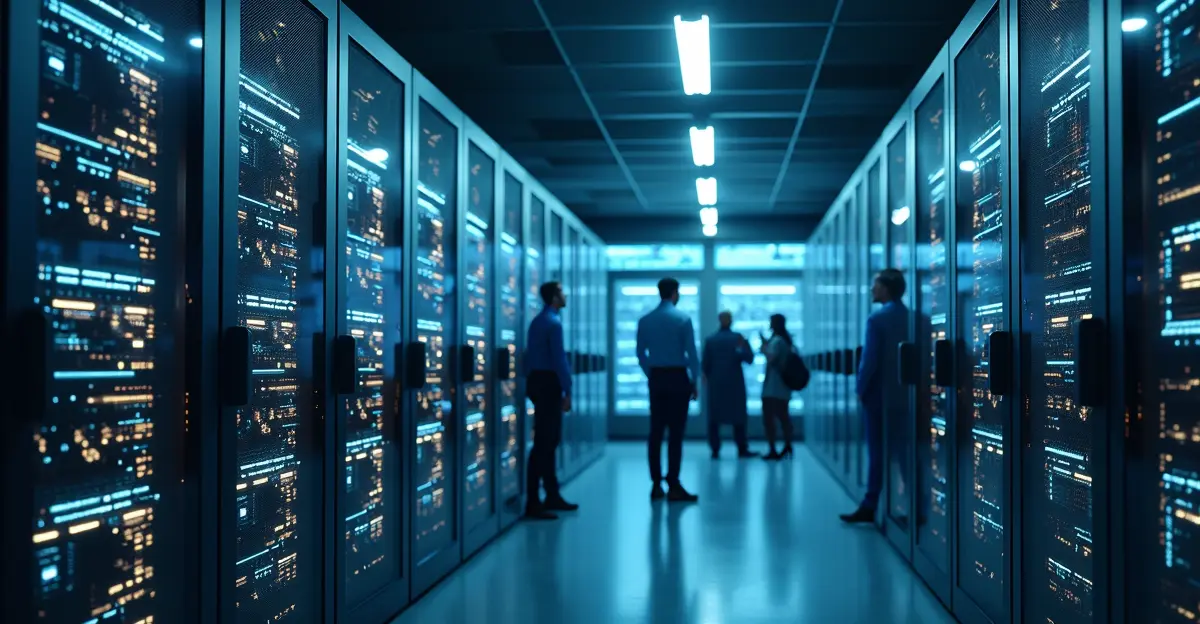
Utilities are hitting a wall. AEP Ohio has frozen new data center interconnections, citing transformer shortages and generation adequacy concerns. Virginia's House Bill 1515, introduced in the 2026 Regular Session, proposes a temporary moratorium on local approval of new data centers until July 1, 2028, or until all pending interconnection requests are fulfilled — whichever comes first. The bill, backed by environmental groups, aims to provide clarity on timelines for strained electricity distribution services. Transformer lead times have ballooned to two to four years, and grid interconnection delays can stretch to seven years, creating a structural power deficit that threatens reliability through the late 2020s. A 49 GW US generation shortfall looms by 2028, according to North American Electric Reliability Corporation (NERC) assessments.
Big Tech's Nuclear Bet
Facing these constraints, major technology companies are turning to nuclear power as the only viable 24/7 carbon-free baseload solution. Microsoft signed a 20-year, $1.6 billion power purchase agreement to restart the 835 MW Three Mile Island Unit 1, targeting 2028. Google ordered up to 500 MW of small modular reactors (SMRs) from Kairos Power, with first deployment by 2030. Amazon invested over $20 billion converting the Susquehanna nuclear site into an AI campus and funded 5 GW of SMR projects with X-energy. Meta issued an RFP for 1–4 GW of new nuclear capacity. However, no commercial SMRs are yet operational in the United States, and regulatory approvals, fuel supply chains, and construction timelines remain significant hurdles. The nuclear renaissance for AI is a high-stakes gamble that may not pay off before the decade's end.
Bridging the Gap: Natural Gas and Batteries
In the interim, utilities are increasingly turning to natural gas to meet immediate demand, raising concerns about climate commitments. The US Energy Information Administration projects natural gas-fired generation will rise 5% in 2025–2026, partly driven by data center loads. Simultaneously, battery storage is emerging as a critical grid stabilizer. Lithium-ion systems offer 90% round-trip efficiency and millisecond response times, making them ideal for frequency regulation and peak shaving. The US Inflation Reduction Act provides tax credits targeting 100 GW of battery storage deployments by 2030. Flow batteries, second-life EV batteries, and iron-air systems are also scaling up. Without robust storage policies, experts warn of grid collapse risks reminiscent of a 'Silent Spring' scenario.
The EU CBAM Factor
Adding a new layer of complexity, the European Union's Carbon Border Adjustment Mechanism (CBAM) entered its definitive phase on January 1, 2026. Importers of covered goods — including electricity — must now purchase CBAM certificates priced according to EU ETS allowance auctions. For data center operators importing power or embedded carbon in hardware, this means additional compliance costs. Non-EU suppliers providing verified emissions data gain a competitive advantage, while those relying on default values face higher costs. The CBAM impact on data centers could reshape global energy sourcing strategies, pushing operators toward low-carbon generation or face financial penalties. The mechanism is expected to eventually cover over 50% of ETS-covered sector emissions, with other countries including Canada, the US, Australia, and the UK exploring similar border carbon adjustments.
Expert Perspectives
"We are witnessing the most rapid growth in electricity demand since the early 2000s, and the grid simply isn't prepared," says Dr. Emily Carter, a senior energy analyst at the Princeton University Andlinger Center. "The 1,000 TWh figure is not a prediction — it's a warning. Without coordinated policy action, we risk rolling blackouts and stranded assets." Meanwhile, tech industry leaders argue that AI's energy problem is also its solution. "AI itself can optimize grid operations, improve battery management, and accelerate nuclear licensing," contends Sarah Chen, VP of Energy at a major cloud provider. "But we need regulatory reform to shorten interconnection queues and streamline SMR approvals."
FAQ
Why are AI data centers consuming so much power?
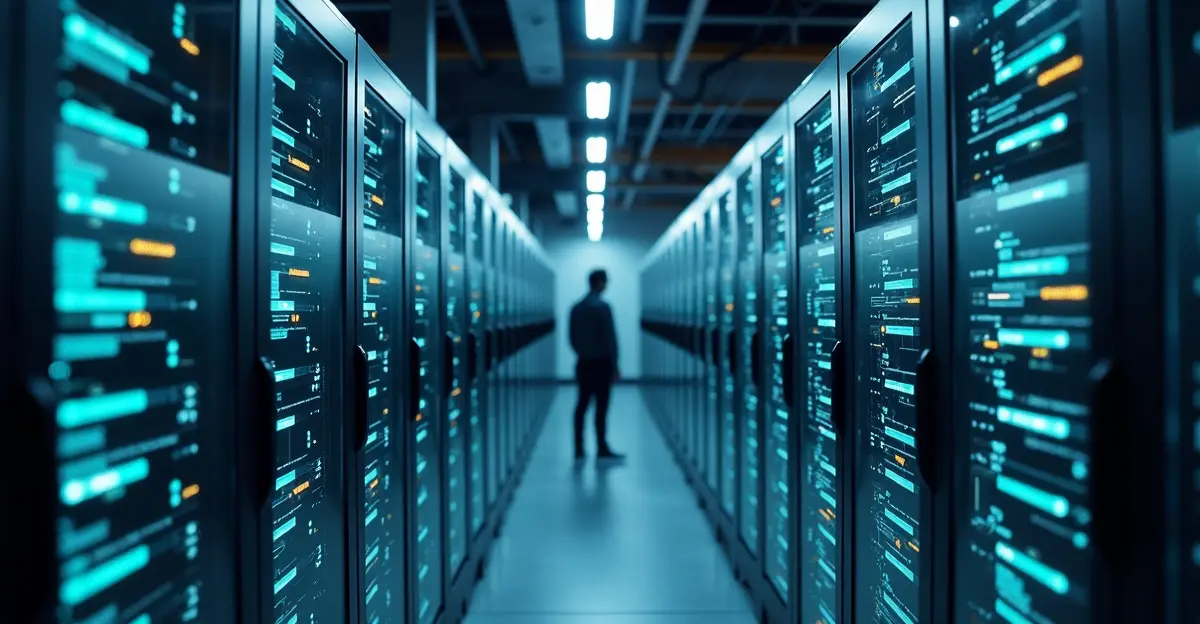
Training large language models requires thousands of specialized processors (GPUs/TPUs) running for weeks or months, consuming vast amounts of electricity. Inference — running models for user queries — also adds significant load. A single ChatGPT query uses roughly 10 times the energy of a Google search.
What is the EU CBAM and how does it affect data centers?
The EU Carbon Border Adjustment Mechanism, effective January 2026, requires importers of carbon-intensive goods (including electricity) to purchase certificates equal to the carbon price paid under the EU ETS. Data center operators importing power or embedded carbon in hardware face additional costs, incentivizing low-carbon energy sourcing.
Can small modular reactors (SMRs) solve AI's energy problem?
SMRs offer promise as scalable, 24/7 carbon-free power, but no commercial SMRs are yet operational in the US. Regulatory approvals, fuel supply, and construction timelines mean SMRs are unlikely to make a significant impact before 2030. In the near term, natural gas and battery storage will bridge the gap.
Which US regions are most affected by data center grid strain?
Northern Virginia (PJM Interconnection), Ohio (AEP), Texas (ERCOT), and California (CAISO) are experiencing the most severe constraints. Multiple utilities have imposed interconnection moratoriums or lengthy delays.
What are the climate implications of AI's energy demand?
If data center growth is met primarily by natural gas, it could add 100–200 million metric tons of CO2 annually by 2026, undermining global climate goals. However, if paired with nuclear, renewables, and storage, the impact could be mitigated. The climate cost of AI expansion remains a hotly debated topic among policymakers.
Conclusion: A Defining Infrastructure Challenge
The collision between AI's exponential growth and finite grid capacity is the defining infrastructure story of 2026. With the EU CBAM now in force, US utilities imposing moratoriums, and Big Tech betting billions on nuclear revival, the next few years will determine whether the energy transition can keep pace with digital transformation. The 1,000 TWh problem is not unsolvable, but it demands unprecedented coordination between technology companies, utilities, regulators, and policymakers. The alternative — a grid unable to support the very technologies driving the modern economy — is unthinkable.
Sources
- International Energy Agency, Electricity 2024 report
- Morgan Stanley Research, AI Data Center Power Demand, 2025
- Goldman Sachs, US Data Center Power Forecast, 2025
- Virginia House Bill 1515 (2026 Regular Session)
- European Commission, CBAM definitive regime documentation
- North American Electric Reliability Corporation (NERC), 2025 Long-Term Reliability Assessment

Follow Discussion