


 Deutsch
 English
 Español
 Français
 Nederlands
 Português


 Share
Share




The 2026 CBAM Implementation: How Europe's Carbon Border Tax is Reshaping Global Trade and Climate Policy
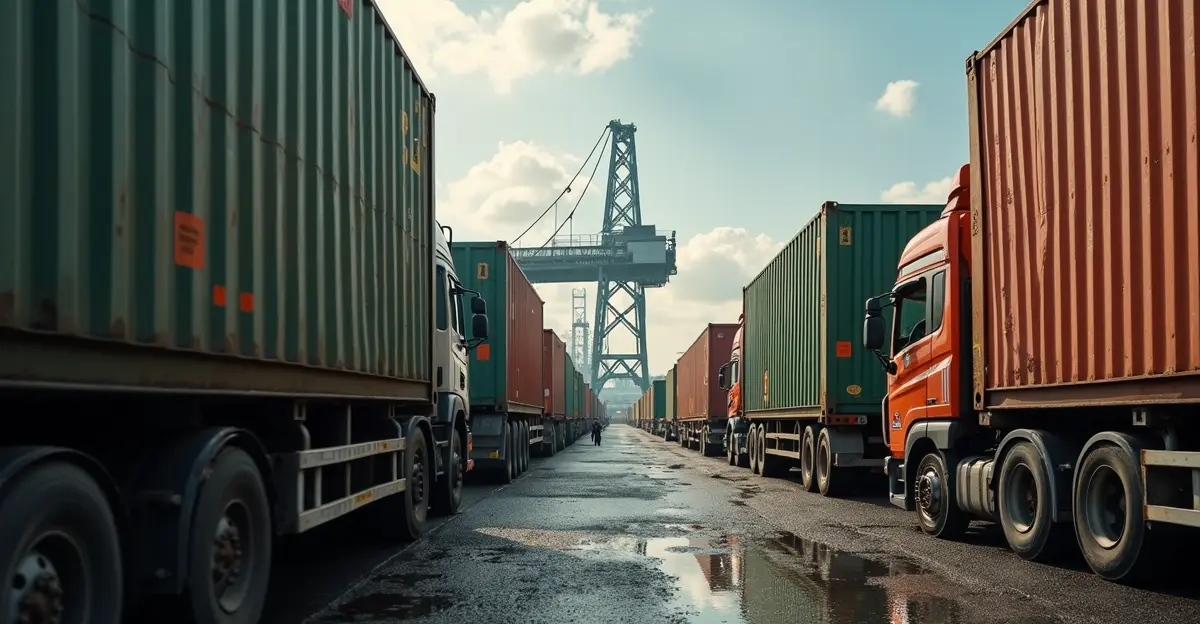
The European Union's Carbon Border Adjustment Mechanism (CBAM) entered its definitive operational phase on January 1, 2026, transitioning from a reporting-only period to full implementation with financial obligations. This landmark policy represents the world's first fully operational border carbon tax, creating seismic shifts across global supply chains and fundamentally altering the economics of carbon-intensive industries. The EU carbon pricing system has now extended beyond its borders, imposing costs on imported goods based on their carbon intensity, with initial coverage targeting six key sectors: cement, iron and steel, aluminum, fertilizers, electricity, and hydrogen.
What is CBAM and Why Does It Matter in 2026?
The Carbon Border Adjustment Mechanism is the EU's environmental policy tool designed to put a fair price on carbon emissions from carbon-intensive goods imported into the European Union. After a transitional phase from 2023-2025 where importers only reported greenhouse gas emissions, the definitive regime beginning January 2026 requires importers to purchase CBAM certificates based on EU Emissions Trading System (ETS) allowance prices. According to the European Commission, 'CBAM aims to prevent carbon leakage by ensuring imported goods face equivalent carbon pricing to EU domestic production, supporting the EU's climate objectives while being WTO-compatible.' The mechanism applies to importers bringing more than 50 tonnes of covered goods into the EU, who must become authorized CBAM declarants.
Strategic Implications for Energy-Intensive Industries
Steel and Iron Sector Faces Heaviest Burden
The iron and steel sector accounts for approximately 81% of total projected CBAM costs, according to market analysis. With provisional benchmarks indicating far higher costs than earlier estimates, the sector faces potential charges exceeding €12 billion in 2026 alone. This represents around 15% of the value of covered imports, creating clear winners and losers based on emissions intensity. Low-emission producers gain competitive advantages, while high-emitting countries like Indonesia and Egypt face effective tariff rates of 154% and 86% respectively. The global steel industry must now accelerate decarbonization strategies to remain competitive in European markets.
Cement, Aluminum, and Fertilizers Under Pressure
Cement producers face differentiated emissions treatment, with both direct and indirect emissions counted, unlike iron/steel and aluminum which only count direct emissions. Aluminum exporters from countries like Canada must navigate the new system, though regions with low-carbon electricity (like Québec) may gain competitive advantages. Fertilizer exporters face particular compliance burdens due to energy-intensive production processes. All sectors must implement third-party verification of actual emissions data to avoid higher default value costs that significantly affect competitiveness.
Global Policy Responses and Emerging Carbon Border Landscape
The EU's CBAM is triggering a wave of similar policies worldwide, creating what experts call a 'patchwork' of carbon border mechanisms. Canada, the United States, Australia, the United Kingdom, and Turkey are all exploring or developing similar border carbon adjustment policies. According to the International Emissions Trading Association (IETA), 'The EU's CBAM is expected to inspire other countries to implement similar carbon border levies, potentially leading to policy proliferation.' This global trend could eventually drive standardization and multilateral approaches to carbon pricing through initiatives like the Declaration on the Open Coalition on Compliance Carbon Markets.
Corporate Decarbonization Accelerates
Companies in high-emissions, export-intensive sectors are implementing comprehensive strategies to address CBAM requirements. The PACE framework (Plan, Achieve, Change, Engage) helps firms develop governance structures, comply with regulations, reduce emissions, and engage stakeholders. Key corporate responses include:
- Implementing internal carbon pricing systems to anticipate CBAM costs
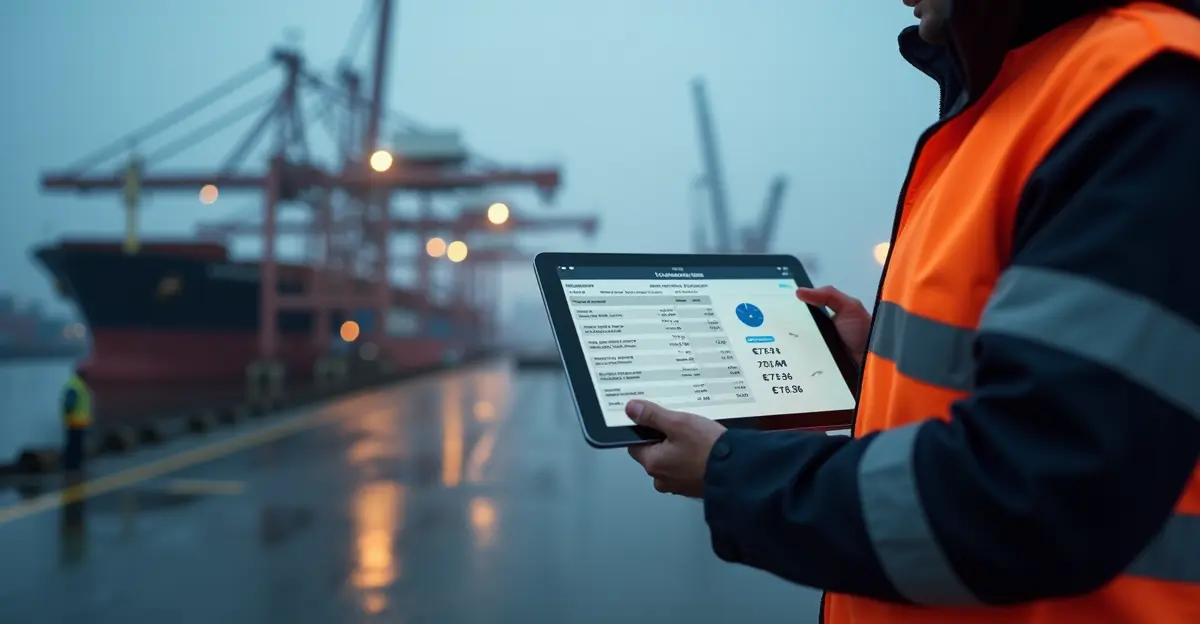
- Developing digital monitoring and reporting systems for emissions data
- Accelerating transition to renewable energy sources
- Optimizing supply chains to reduce carbon intensity
- Investing in carbon capture technologies for hard-to-abate sectors
The regulation shifts emissions data from voluntary sustainability metrics to regulated financial compliance obligations, creating new supply chain dependencies for EU importers who must now rely on verified data from non-EU suppliers.
Economic and Trade Implications
The CBAM system creates significant economic implications for global trade patterns. Costs will escalate annually as free allowances decline to zero by 2034, potentially reaching over 50% of product value for 31% of affected imports by 2035. The first annual CBAM declaration covering 2026 imports is due September 30, 2027, requiring certificate surrender. While CBAM becomes financially binding for imports from January 1, 2026, certificate purchases won't begin until February 2027, providing a brief adjustment period. The system allows deductions for carbon prices already paid in non-EU countries, creating incentives for global carbon pricing convergence.
Future Outlook and Expansion Plans
The EU plans to expand CBAM's scope to include 180 steel and aluminum downstream products by 2028, signaling continued growth of this carbon border mechanism. By 2030, all sectors covered by the European Union Emissions Trading System will be covered by CBAM, and by 2034, free allowances in relevant sectors will be phased out completely. The European Green Deal framework continues to evolve, with proposals for a 'CBAM-plus' mechanism that would redirect revenues from the CBAM to support climate action in developing countries. As the global climate policy landscape transforms, CBAM represents a critical inflection point where environmental regulation and international trade intersect with unprecedented force.
Frequently Asked Questions About CBAM 2026
What products are covered by CBAM in 2026?
CBAM initially covers six carbon-intensive sectors: cement, iron and steel, aluminum, fertilizers, electricity, and hydrogen. The EU plans to expand coverage to downstream products (automotive components, machinery, appliances) around 2028.
How are CBAM costs calculated?
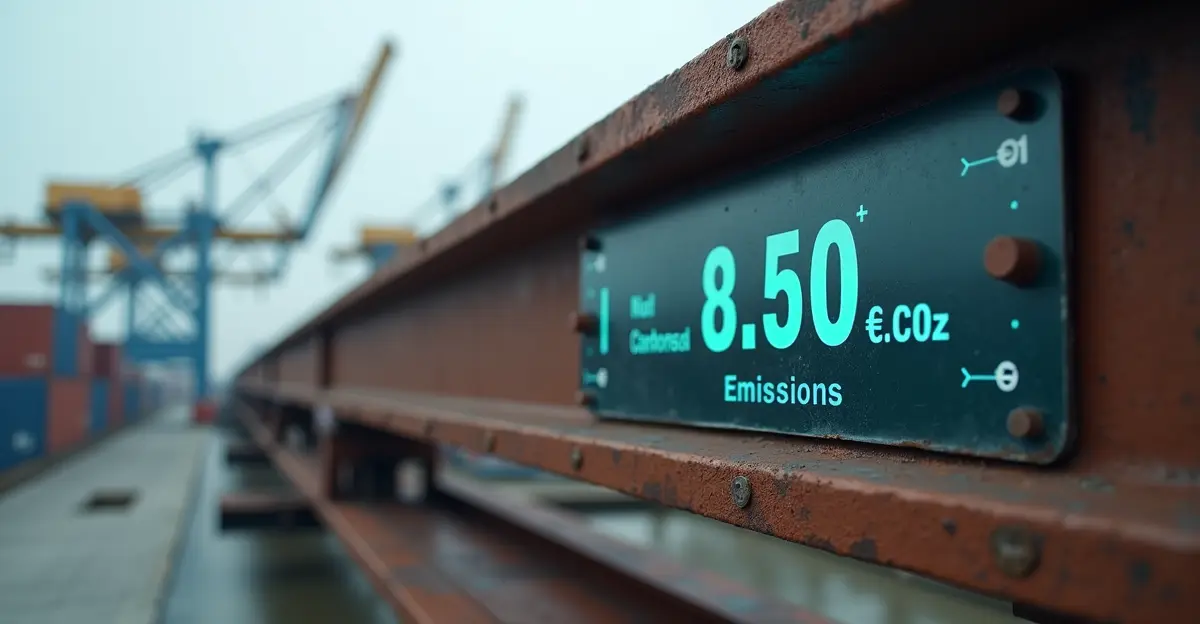
CBAM costs are calculated as import volume × carbon intensity × EU carbon price (ETS allowance price). Importers can reduce costs by providing proof of carbon costs already paid in exporting countries.
When is the first CBAM declaration due?
The first annual CBAM declaration covering 2026 imports is due September 30, 2027. While CBAM became financially binding on January 1, 2026, certificate purchases begin in February 2027.
What happens if companies don't comply?
Non-compliant importers face financial penalties and potential restrictions on importing covered goods into the EU. Using default emissions values (which are typically higher than actual verified emissions) also increases costs significantly.
How does CBAM affect developing countries?
CBAM includes provisions to support developing countries in their green transition, though concerns remain about potential trade disadvantages for nations with less advanced decarbonization infrastructure.



Follow Discussion