


 Deutsch
 English
 Español
 Français
 Nederlands
 Português


 Share
Share




Verified Death Toll Reaches 6,126 in Iran's Deadliest Crackdown Since 1979
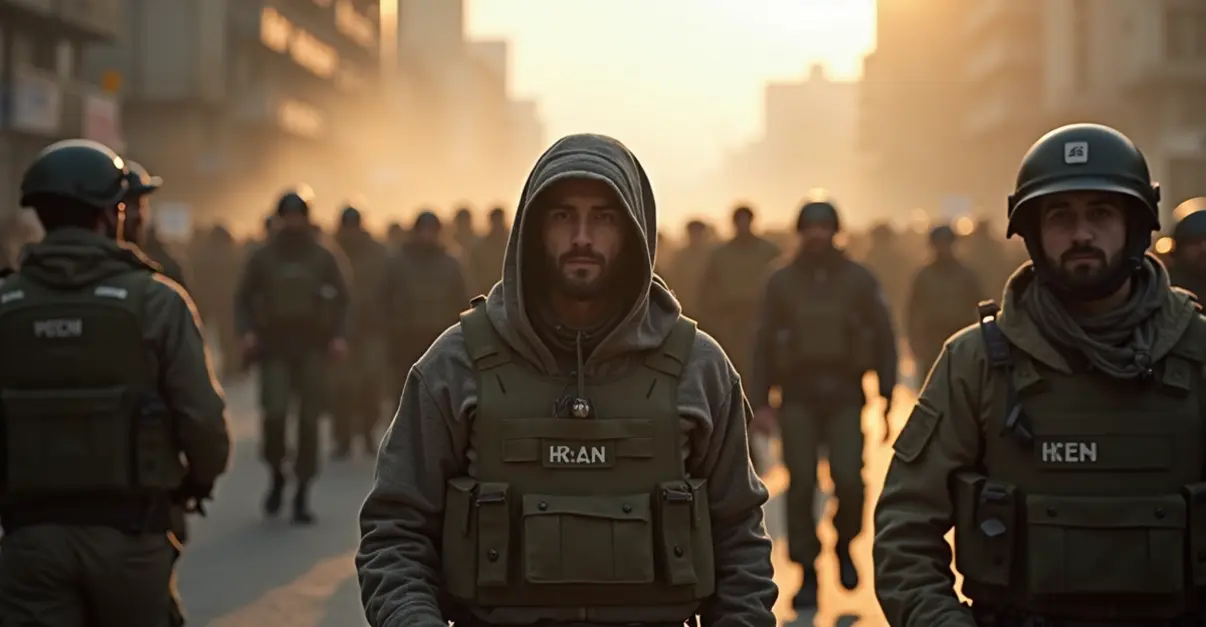
Human rights organization HRANA has verified 6,126 deaths in Iran's recent protest crackdown, marking the deadliest period of state violence since the 1979 Islamic Revolution. The verified casualties include 5,777 protesters, 214 security personnel, 86 children, and 49 non-protesting civilians. However, human rights experts fear the actual death toll could be significantly higher, with more than 17,000 additional deaths under investigation and at least 11,000 people suffering serious injuries.
Nationwide Crackdown and Information Blackout
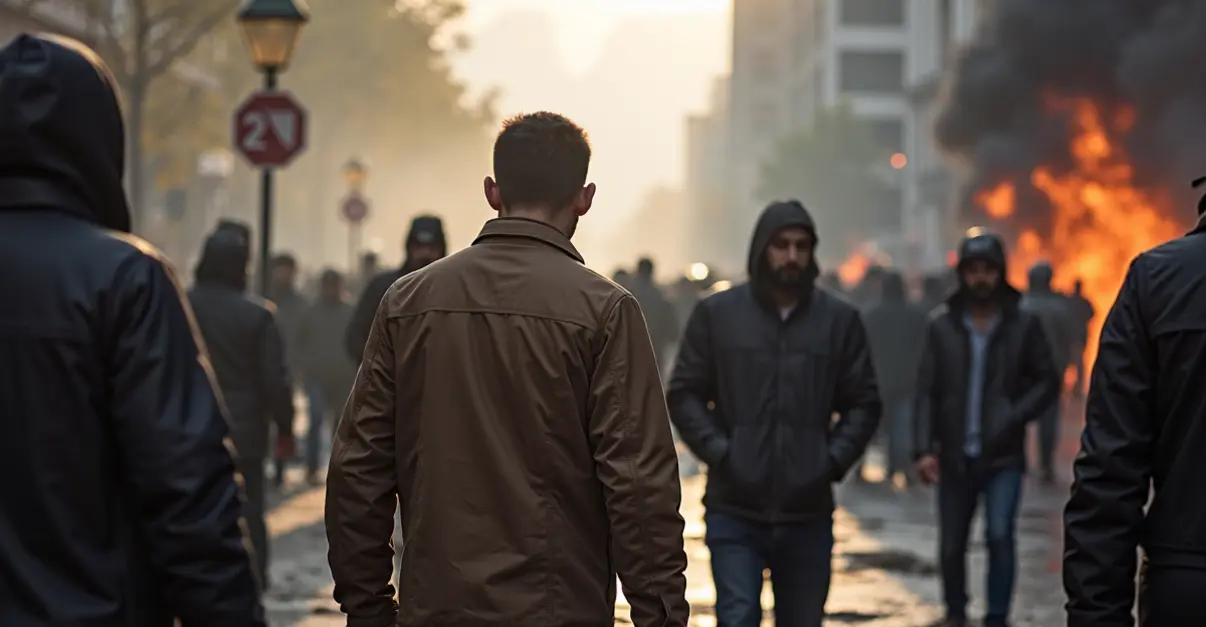
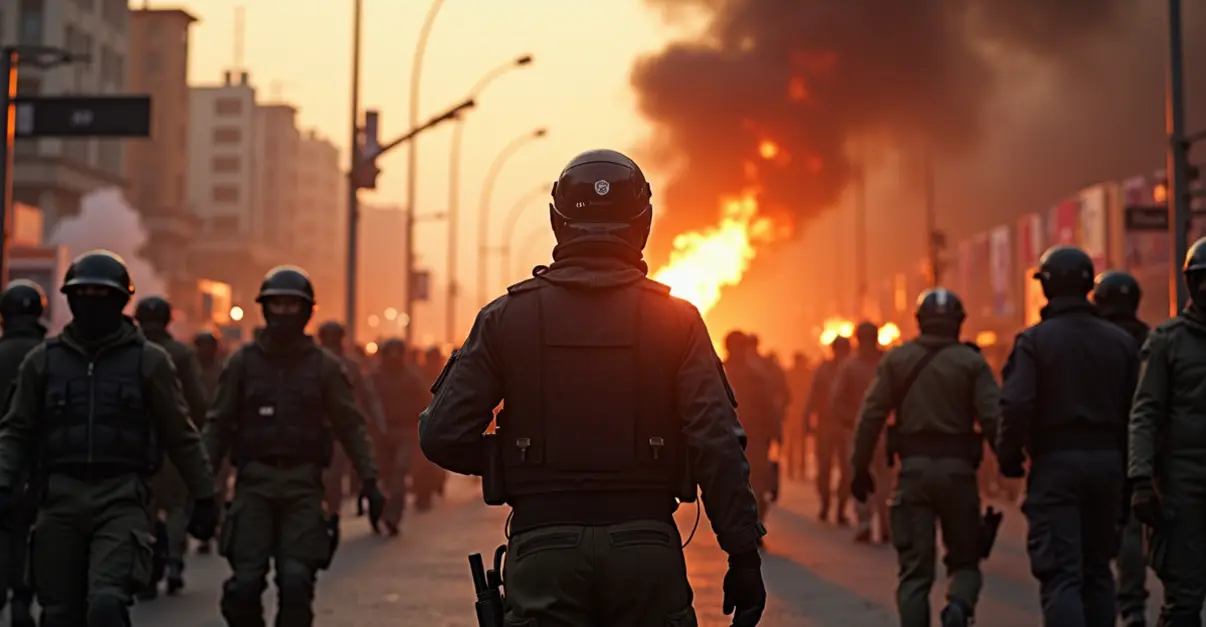
The protests, which began on December 28, 2025, as demonstrations against record-high inflation and economic collapse, quickly evolved into nationwide anti-government movements. By January 8-9, 2026, millions had taken to the streets across all 31 provinces in what became the largest uprising since the revolution.
'This represents the deadliest crackdown against the Iranian people since the 1979 revolution,' said UN officials in a recent Human Rights Council resolution. The Iranian government has maintained a near-total internet blackout since January 8, severely limiting information flow and making independent verification of casualties extremely difficult.
International Response and Military Tensions
The United States has responded to the crisis with military deployments to the region. The USS Abraham Lincoln aircraft carrier strike group has arrived in the Middle East, accompanied by three guided missile destroyers. President Donald Trump has threatened military action if Iran continues its violent crackdown on protesters, stating that any U.S. response would make previous strikes on Iranian nuclear sites 'look like peanuts.'
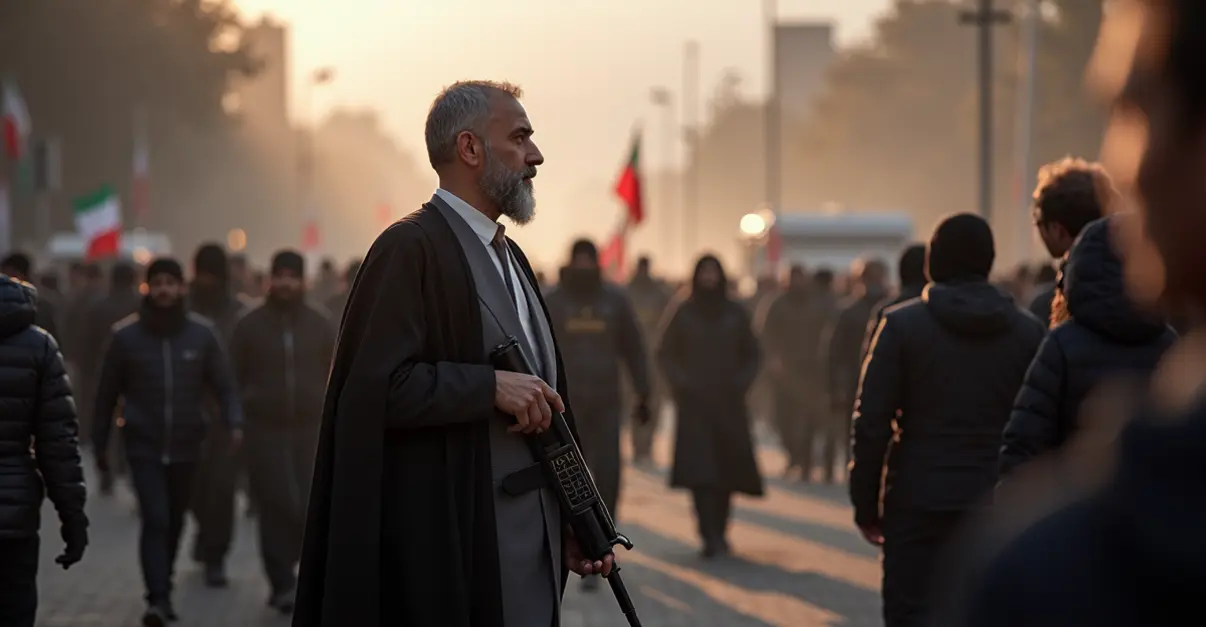
Iranian President Masoud Pezeshkian has warned that any attack on Supreme Leader Ayatollah Ali Khamenei would mean 'a total war against Iran' with significant regional consequences. The situation is further complicated by Iran's weakened regional network of allies, including militias in Gaza, Lebanon, Yemen, Syria, and Iraq that have suffered setbacks in recent conflicts.
Humanitarian Crisis and Arrests
Beyond the staggering death toll, the human rights situation continues to deteriorate. More than 41,000 people have been arrested since the protests began, with reports of torture, forced confessions, and enforced disappearances emerging from detention centers. Medical facilities in Tehran and Shiraz have been overwhelmed with injured protesters, many suffering from gunshot wounds to vital areas.
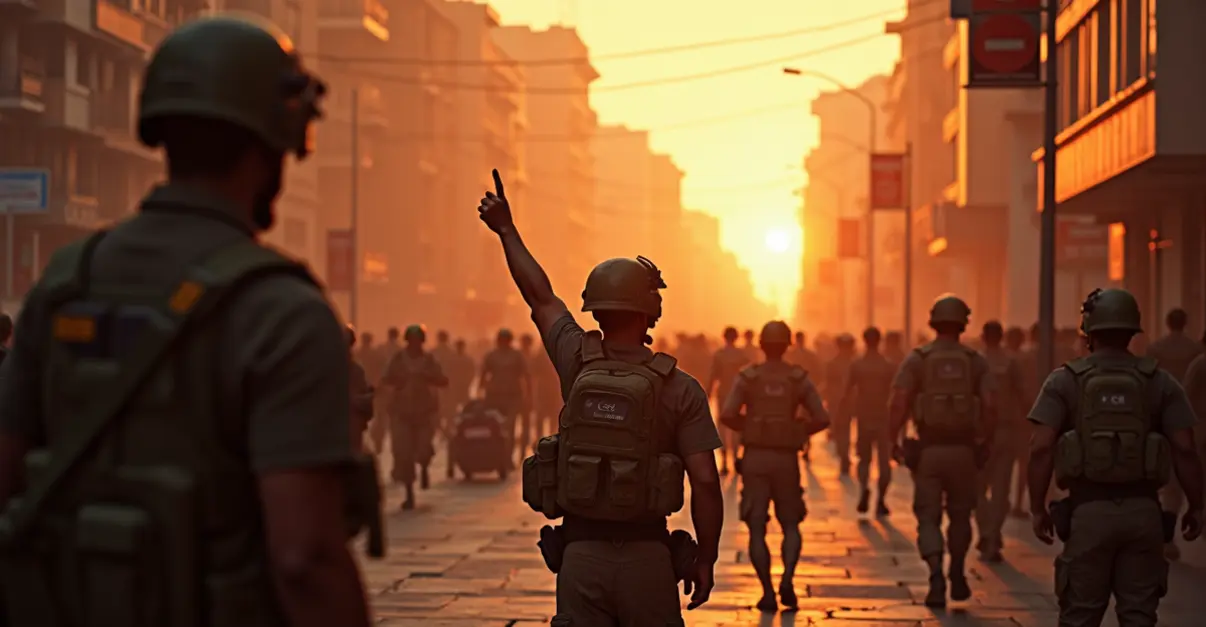
Amnesty International has documented security forces using unlawful lethal force, including firing rifles and shotguns loaded with metal pellets directly at protesters' heads and torsos. The organization describes this as 'the deadliest period of repression documented in decades.'
Looking Forward
The UN Human Rights Council recently extended international investigations into Iran's human rights violations, voting to continue the UN Special Rapporteur on Iran's mandate and the Independent International Fact-Finding Mission. The resolution condemns Iran's human rights violations and demands accountability for perpetrators.
Despite the protests largely disappearing from streets due to the brutal crackdown, anti-government sentiment continues to simmer. With economic conditions worsening and international pressure mounting, the situation in Iran remains highly volatile, with the potential for further escalation both domestically and regionally.
Follow Discussion