


 Deutsch
 English
 Español
 Français
 Nederlands
 Português


 Share
Share




Iranian State TV Reveals Official Death Toll Amid Crackdown
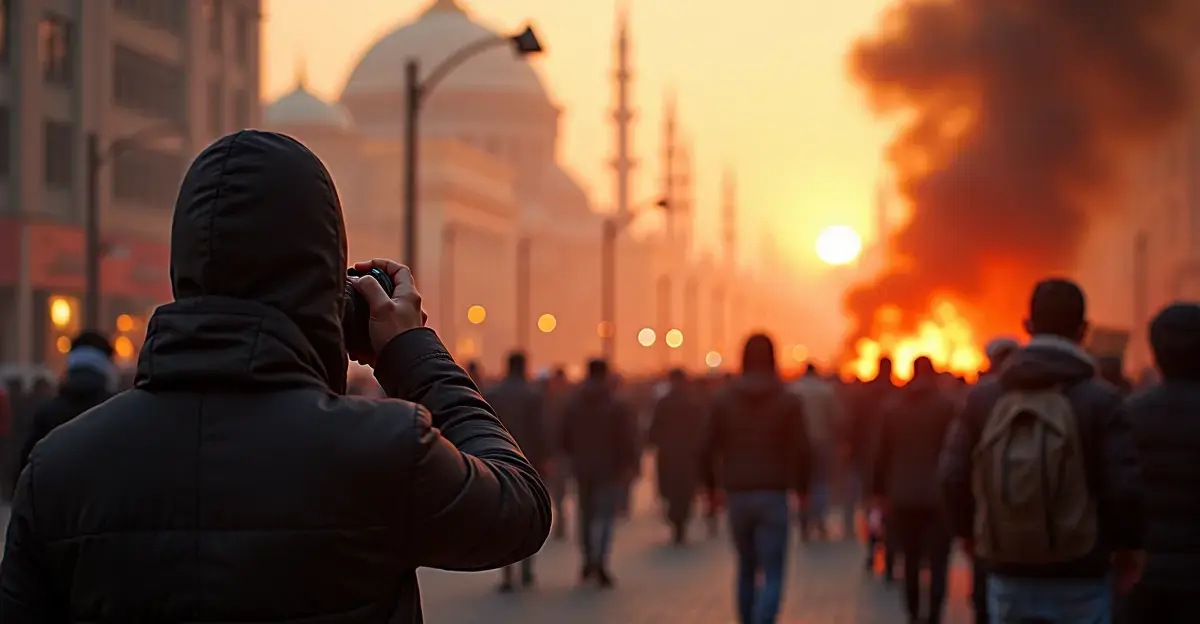
For the first time since nationwide protests erupted in late December, Iranian authorities have acknowledged a death toll from the violent crackdown. State television announced that 3,117 people have been killed during the unrest, with 2,427 of them described as 'innocent victims.' The figures come from the government-funded Martyrs Foundation and represent a significant admission from a regime that has previously avoided providing specific casualty numbers.
The official count, however, remains substantially lower than estimates from human rights organizations. The U.S.-based Human Rights Activists News Agency (HRANA) reports at least 4,519 deaths, with over 9,000 additional cases still under investigation. 'The discrepancy reveals the government's attempt to minimize the scale of the tragedy,' says human rights analyst Sarah Johnson, who has been tracking the situation from Washington.
Protests That Shook the Nation
The demonstrations began on December 28, 2025, initially sparked by economic grievances including record-high inflation, food prices, and currency depreciation. What started as economic protests quickly evolved into a broader movement challenging the Islamic Republic's authority, spreading across all 31 provinces of Iran. By January 9, 2026, millions had taken to the streets in what became the largest uprising since the 1979 Islamic Revolution.
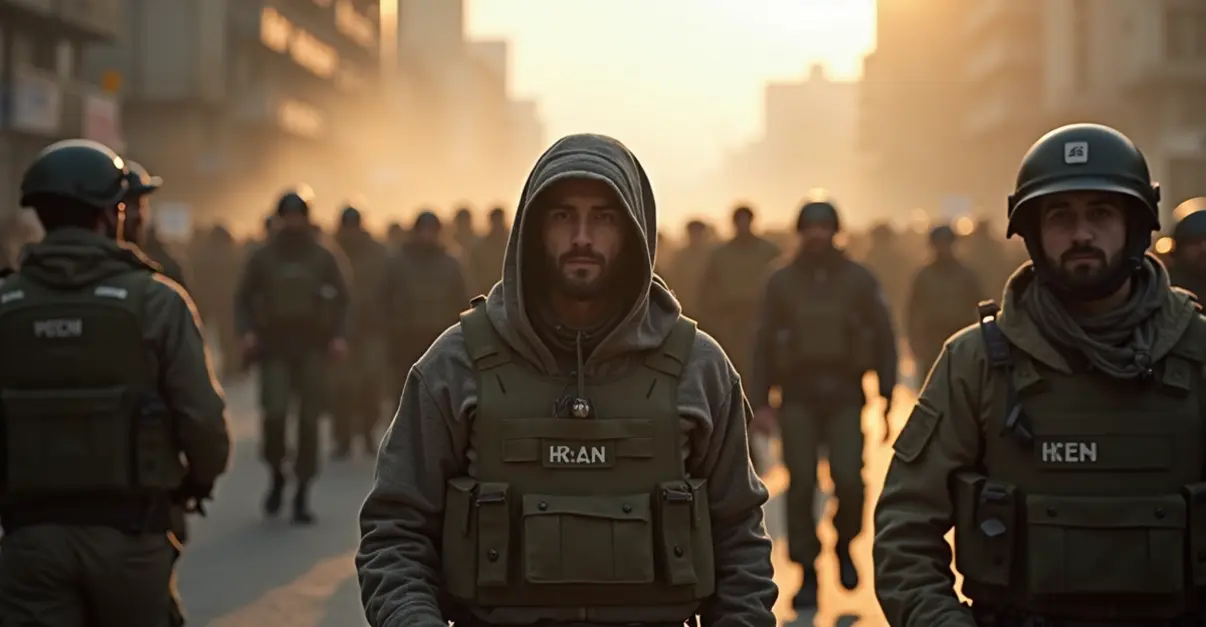
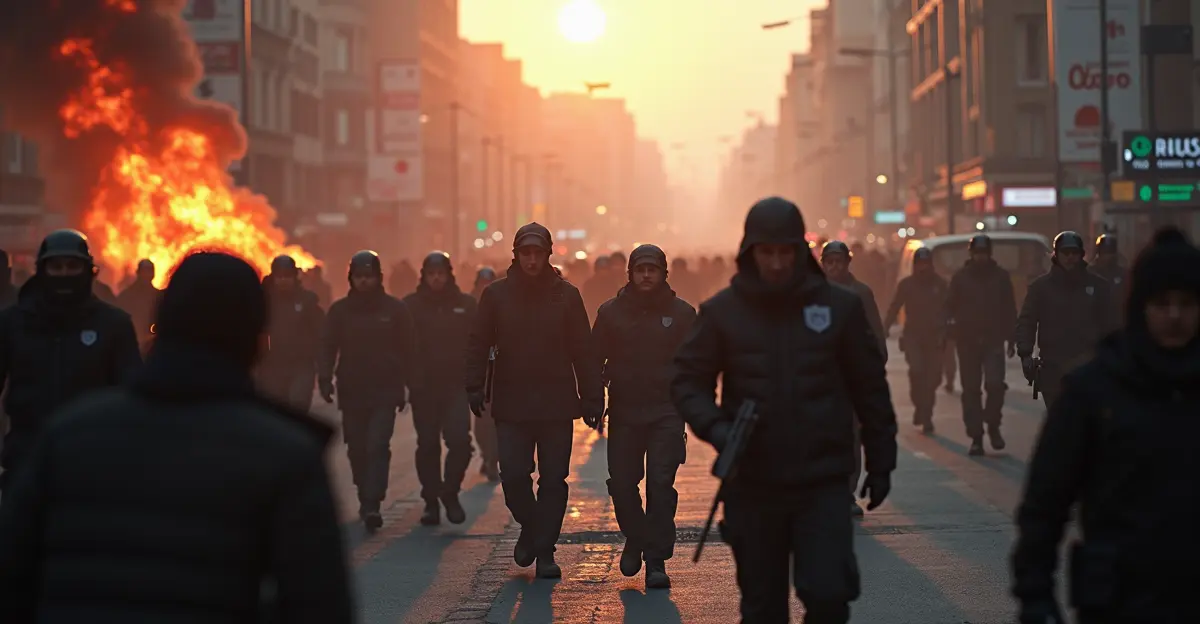
The government responded with a brutal crackdown, implementing nationwide internet and telephone blackouts starting January 8. Security forces reportedly used live ammunition against protesters, with hospitals in Tehran and Shiraz overwhelmed by casualties. According to Wikipedia documentation, the protests involved diverse groups including bazaar merchants, university students, labor unions, and opposition organizations.
International Reactions and Tensions
The escalating violence has drawn international condemnation and heightened tensions between Iran and the United States. U.S. President Donald Trump warned the Iranian regime to stop killing protesters and refrain from executing detainees, stating that 'all options, including military action, remain on the table.'
Iranian Foreign Minister Abbas Araghchi responded with a stark warning: 'This is not a threat, but a reality that I must explicitly convey. A confrontation will grip the entire region and have consequences for people worldwide.' He added that Tehran would 'strike back with everything we have if we are attacked again,' referencing last year's 12-day conflict with Israel.
The United Nations has expressed deep concern, with Secretary-General António Guterres calling on Iranian authorities to uphold freedom of expression and prevent further casualties. UN human rights experts have urged Iran to 'break the cycle of violence and create space for meaningful dialogue.'
Arrests and Fear of Executions
Beyond the death toll, human rights organizations report massive arrests. HRANA documents at least 26,000 detentions, raising fears that some detainees may face execution. Iran has historically been among the countries with the highest execution rates globally.
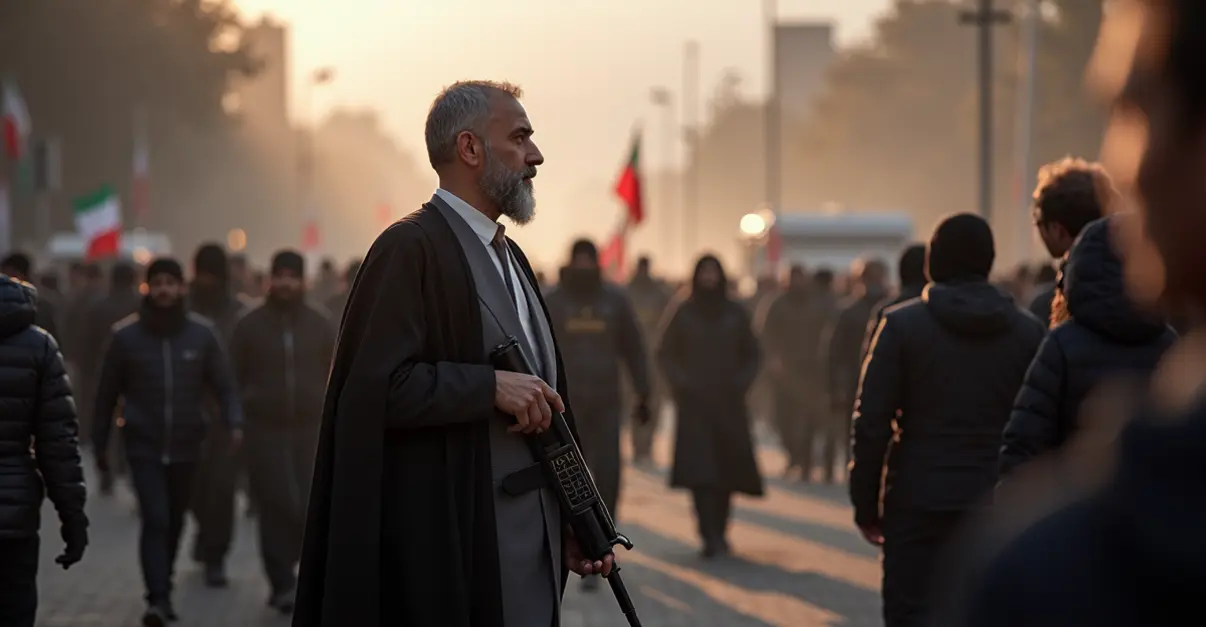
On Saturday, Supreme Leader Ayatollah Ali Khamenei acknowledged that 'thousands have died' but blamed the United States and Israel, calling protesters 'terrorist representatives' of Iran's arch-enemies. This framing appears designed to justify the harsh response to both domestic audiences and security forces.
While protest activity appears to have diminished in recent days, independent verification remains challenging due to the ongoing internet shutdown. The information blackout has made it impossible to obtain a complete picture of current conditions in Iran, leaving the true scale of the tragedy potentially much greater than official figures suggest.

Follow Discussion