


 Deutsch
 English
 Español
 Français
 Nederlands
 Português


 Share
Share




Iran Protests 2026: Death Toll Reaches 7,002 in Crackdown
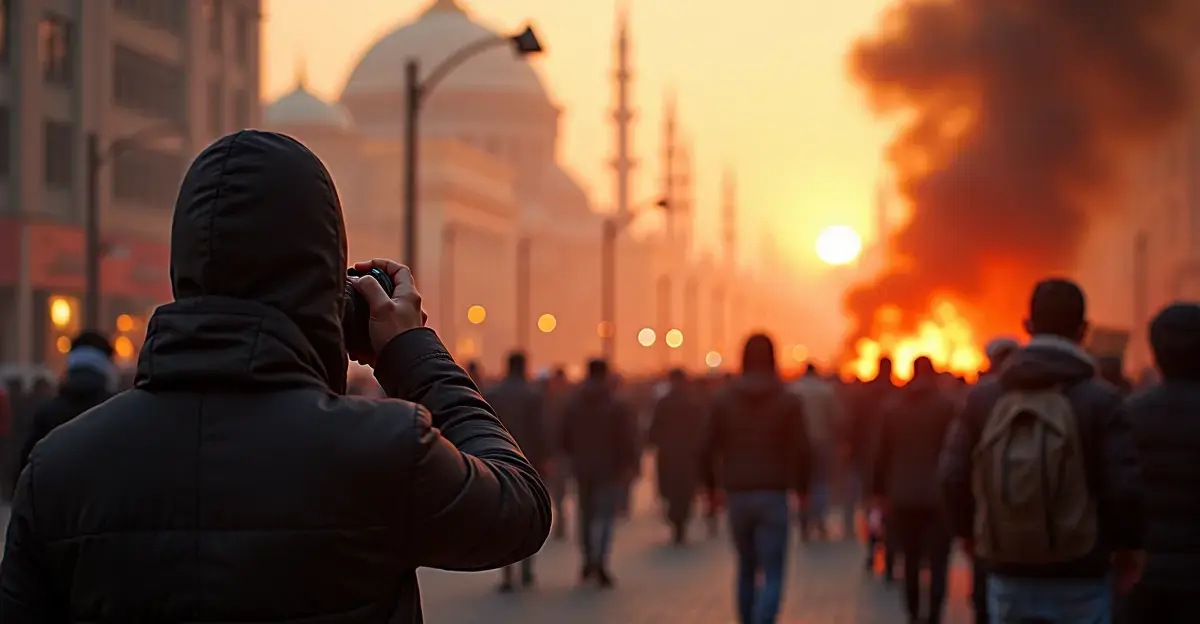
The death toll from Iran's nationwide protests has reached a staggering 7,002 people according to the latest report from the U.S.-based Human Rights Activists News Agency (HRANA), marking one of the deadliest crackdowns in modern Iranian history. The protests, which began in late December 2025, have escalated into a major human rights crisis with international implications.
What is HRANA and How Do They Verify Deaths?
HRANA (Human Rights Activists News Agency) is a U.S.-based organization that has become the primary source for death toll figures during Iran's 2025-2026 protests. The organization operates with a network of informants within Iran and only releases figures when they have confirmed the death of an individual through multiple sources. "We work with a network of informants in Iran and only release numbers when we are certain of a person's death," explained a HRANA spokesperson. This methodology contrasts sharply with the Iranian government's approach, which has only officially acknowledged 3,117 deaths as of January 21, 2026.
Breaking Down the 7,002 Deaths
According to HRANA's detailed breakdown of the 7,002 confirmed deaths:
- 6,506 protesters killed during demonstrations
- 214 members of security forces and ordediensten
- 216 children under age 18
- 66 civilians who were not participating in protests
The organization is currently investigating an additional 11,730 reported deaths, suggesting the actual death toll could be significantly higher. The protests have also resulted in 25,022 injuries and 52,941 arrests, creating a humanitarian crisis that extends beyond the immediate violence.
Government Response and International Reaction
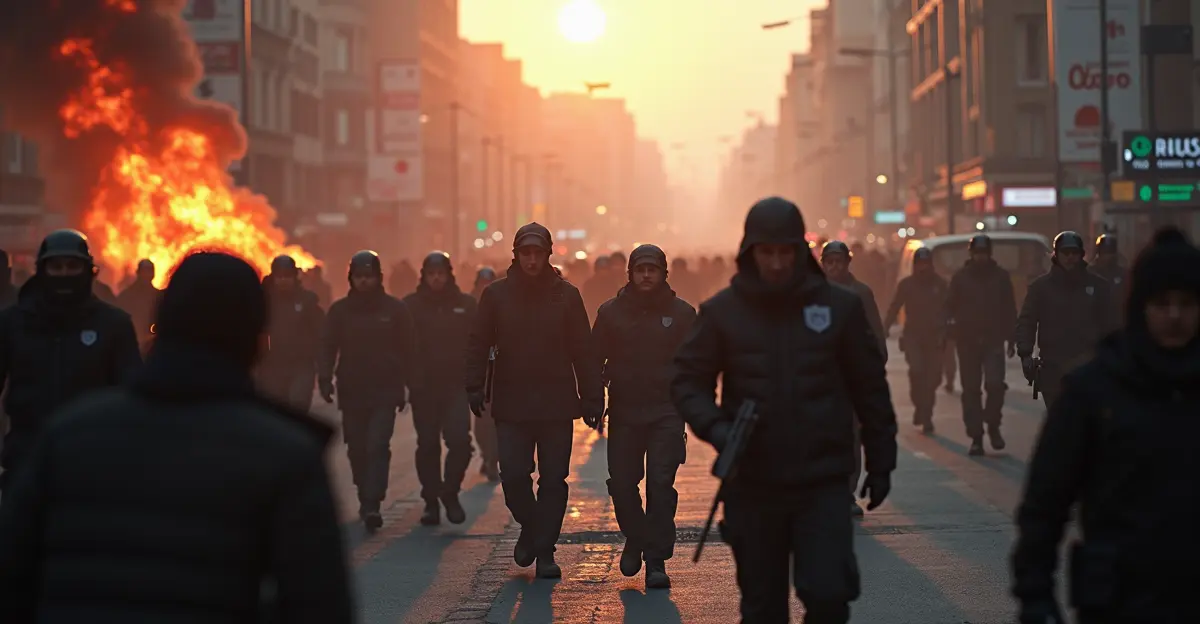
The Iranian regime's response has been characterized by severe repression and information control. Supreme Leader Ayatollah Khamenei acknowledged earlier that "thousands of deaths" had occurred during the protests, but the government's official figures remain substantially lower than independent estimates. The regime has imposed internet blackouts, making verification difficult and creating what human rights organizations describe as an information vacuum.
The United States has responded with increased military presence in the region, sending additional troops, fighter jets, and naval vessels toward Iran. The aircraft carrier USS Abraham Lincoln is currently operating in the Arabian Sea, and President Trump is considering sending an additional aircraft carrier to the region. This military buildup coincides with indirect negotiations between Iran and the U.S. in Oman, with a second round of talks scheduled for next week focusing on Iran's nuclear program.
Historical Context of Iranian Protests
The current protests represent the latest chapter in Iran's long history of political unrest. Beginning in late December 2025, the demonstrations initially focused on economic issues like inflation but quickly evolved into calls for regime change. The 2022 Iranian protests over women's rights and the 2019-2020 Iranian protests over fuel prices show similar patterns of government crackdowns and international concern. However, the scale of violence in the current protests appears unprecedented in recent decades.
International Implications and Nuclear Negotiations
The rising death toll comes at a critical moment in international diplomacy. Indirect negotiations between Iran and the United States began last Friday in Oman, with discussions expected to continue next week. These talks focus primarily on Iran's nuclear program but are inevitably influenced by the human rights situation within the country. The Iran nuclear deal negotiations have taken on new urgency as the humanitarian crisis deepens.
Human rights organizations worldwide have called for immediate action. "The international community cannot stand by while thousands of Iranians are being killed for exercising their basic rights," stated Amnesty International in a recent press release. The United Nations has also expressed concern about the scale of violence and called for internet restoration to allow independent monitoring.
FAQ: Iran Protests 2026
What started the Iran protests in 2025-2026?
The protests began in late December 2025 primarily as economic demonstrations against inflation but quickly evolved into broader anti-government protests calling for regime change.
How does HRANA verify death toll numbers?
HRANA uses a network of informants within Iran and only confirms deaths when they have multiple sources verifying each individual case. They cross-reference information from medical facilities, families, and local activists.
What is the official Iranian government death toll?
The Iranian government has officially acknowledged 3,117 deaths as of January 21, 2026, though Supreme Leader Khamenei has acknowledged "thousands" of deaths occurred.
How has the international community responded?
The United States has increased military presence in the region, while international organizations like the UN and Amnesty International have condemned the violence and called for human rights protections.
What are the current negotiations about?
Indirect negotiations between Iran and the U.S. in Oman focus on Iran's nuclear program, with human rights concerns increasingly becoming part of the diplomatic discussions.
Follow Discussion