


 Deutsch
 English
 Español
 Français
 Nederlands
 Português


 Share
Share




Geopolitical Fragmentation and Energy System Vulnerabilities: The IEA's 2024 Warning on Clean Energy Transitions
The International Energy Agency's World Energy Outlook 2024 reveals that escalating geopolitical tensions and regional conflicts are exposing unprecedented vulnerabilities in global energy systems, just as the world enters a critical phase where low-emissions sources are projected to generate over half of global electricity before 2030. This comprehensive analysis examines how geopolitical fragmentation threatens both energy security and climate goals, creating a paradox where abundant fossil fuel supplies emerge alongside surplus clean energy manufacturing capacity.
What is the IEA's World Energy Outlook 2024?
The World Energy Outlook is the International Energy Agency's flagship annual publication, providing detailed analysis and projections of global energy trends. Established in 1974 after the oil crisis, the IEA serves as an autonomous intergovernmental organization with 32 member countries representing 75% of global energy demand. The 2024 edition arrives at a pivotal moment, documenting how geopolitical tensions are laying bare fragilities in the global energy system while reinforcing the need for faster expansion of clean energy.
The Geopolitical Context: Fragmentation and Vulnerability
Recent regional conflicts and geopolitical tensions have exposed significant weaknesses in interconnected global energy systems. According to the IEA report, these vulnerabilities are emerging just as the world faces a critical energy transition period. The Russia-Ukraine conflict and subsequent sanctions have demonstrated how geopolitical fragmentation can disrupt energy markets, with Russian oil and gas firms initially outperforming peers before sanctions shifted competitive advantages to Western companies.
This fragmentation is creating new energy blocs rather than unified global approaches, with countries like India developing domestic energy sources for greater control. The IEA warns that climate policy uncertainty combined with fragmented global governance exacerbates energy access inequalities, complicating just energy transitions and creating financial instability in neutral economies.
The Clean Energy Paradox: Abundance Amidst Transition
The IEA's analysis reveals a striking paradox: by the second half of the 2020s, the world will enter a period of relatively abundant oil and LNG supply alongside surplus manufacturing capacity for key clean technologies like solar PV and batteries. This dual surplus could create downward pressure on prices, providing policymakers with breathing space to increase clean energy investments.
Key Projections from the 2024 Report
- Low-emissions sources will generate over half of global electricity before 2030
- All fossil fuel demand (coal, oil, and gas) is projected to peak by decade's end
- China's solar expansion alone could exceed current US electricity demand by early 2030s
- Current policies put the planet on track for 2.4°C warming by 2100
- Electricity demand is growing twice as fast as overall energy demand
Critical Infrastructure Gaps: Grids and Storage
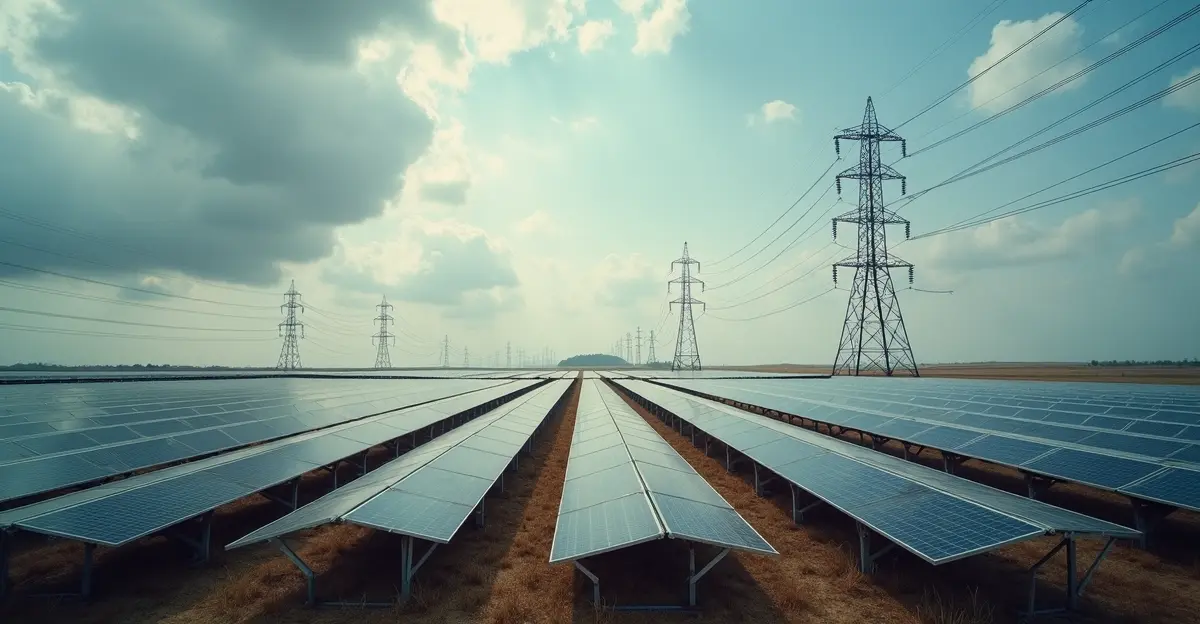
One of the report's most urgent warnings concerns investment gaps in electricity grids and storage infrastructure. The IEA's 2026 Electricity Report highlights that grids have become a critical bottleneck, with over 2,500 GW of renewable, load, and storage projects stalled in connection queues worldwide. Grid investment needs to increase by approximately 50% by 2030 from the current USD 400 billion annually to meet electricity demand.
The time mismatch is stark: grid infrastructure takes 5-15 years to build, while generation projects take 1-5 years and data centers just 1-3 years. However, significant capacity can be unlocked through regulatory reforms and grid-enhancing technologies, potentially freeing enough hosting capacity to connect 1,200-1,600 GW of advanced-stage projects currently stuck in queues.
The Investment Landscape: Record Spending with Gaps
BloombergNEF's 2026 Energy Transition Investment Trends report reveals that global investment in the energy transition reached a record $2.3 trillion in 2025, marking an 8% increase from 2024. The largest investment drivers were electrified transport ($893 billion, up 21%), renewable energy ($690 billion), and grid investment ($483 billion). Clean energy supply investment exceeded fossil fuel supply for the second consecutive year, widening the gap to $102 billion.
Despite this progress, emerging markets present major opportunities, receiving only 15% of global clean energy spending despite growing demand. The global energy investment gap remains substantial, particularly in developing economies where 750 million people still lack electricity access and over 2 billion lack clean cooking fuels.
Strategic Implications for Energy Security
The IEA emphasizes that energy security, affordability, and climate targets are actually aligning to drive the transition faster in volatile geopolitical times. However, fragmentation threatens to undermine these synergies. The report notes that while the power sector leads the transition with renewables, challenges remain around policy uncertainty, supply chain diversification, and the need for clear regulatory frameworks to boost investment.
China plays a dominant role across multiple energy dimensions, with its policies and investments significantly influencing global trends. The clean energy manufacturing capacity surplus, particularly in solar PV and batteries, creates both opportunities and challenges for global markets and trade relationships.
Expert Perspectives on the Transition
Energy analysts note that the current geopolitical landscape is forcing a reevaluation of traditional energy security concepts. "The convergence of energy security concerns with climate imperatives is creating unprecedented pressure for accelerated transitions," says one industry expert. "However, without coordinated international action and substantial infrastructure investment, we risk creating new vulnerabilities even as we address old ones."
The World Economic Forum's Sustainable Development Impact Meetings 2025 highlighted that while the energy transition is progressing slowly with a 1.1% improvement in the Energy Transition Index, it faces significant headwinds from geopolitics, rising demand, and nations prioritizing energy security over sustainability.
Frequently Asked Questions
What are the main findings of the IEA's World Energy Outlook 2024?
The report finds that geopolitical tensions are exposing vulnerabilities in global energy systems, low-emissions sources will generate over half of global electricity before 2030, fossil fuel demand will peak by decade's end, and urgent investment is needed in grids and storage infrastructure.
How does geopolitical fragmentation affect energy transitions?
Geopolitical fragmentation creates energy blocs rather than unified approaches, disrupts supply chains, exacerbates energy access inequalities, and complicates international cooperation needed for effective climate action.
What is the clean energy paradox mentioned in the report?
The paradox refers to the simultaneous emergence of abundant fossil fuel supplies and surplus clean energy manufacturing capacity in the late 2020s, creating both challenges and opportunities for policymakers.
How much investment is needed in electricity grids?
Grid investment needs to increase by approximately 50% by 2030 from the current USD 400 billion annually, with over 2,500 GW of projects currently stalled in connection queues worldwide.
What temperature increase does current policy trajectory suggest?
Current policies put the planet on track for 2.4°C warming by 2100, far from the Paris Agreement goal of limiting warming to 1.5°C above pre-industrial levels.
Conclusion: Navigating a Complex Energy Future
The IEA's 2024 World Energy Outlook presents both warnings and opportunities. While geopolitical fragmentation exposes critical vulnerabilities, the projected abundance of both fossil fuels and clean energy manufacturing capacity provides a unique window for accelerated transition. The key challenge lies in addressing infrastructure gaps, particularly in electricity grids and storage, while maintaining international cooperation despite geopolitical tensions.
As the world enters what the IEA calls the "Age of Electricity" increasingly powered by clean sources, strategic investments and coordinated policies will determine whether current vulnerabilities become permanent weaknesses or catalysts for a more secure, sustainable energy future. The global climate policy framework must evolve to address these interconnected challenges of energy security, affordability, and sustainability.





Follow Discussion