


 Deutsch
 English
 Español
 Français
 Nederlands
 Português


 Share
Share




The AI Energy-Grid Nexus: How Data Centers Are Transforming from Power Consumers to Grid Stabilizers
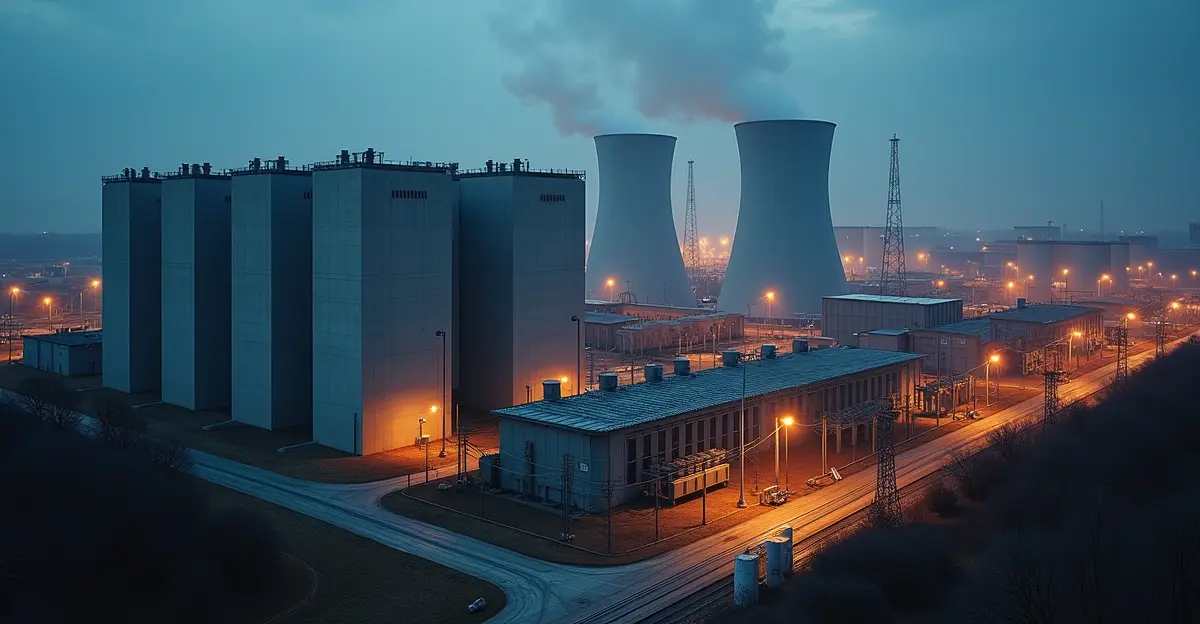
By 2026, artificial intelligence's explosive growth will force data centers to fundamentally transform their relationship with energy infrastructure, evolving from passive electricity consumers to active grid stabilizers. Recent industry reports indicate this year marks a critical inflection point where power constraints become the primary limitation on data center growth, with AI-driven energy consumption potentially reaching 1,050 terawatt-hours globally – equivalent to the electricity consumption of a medium-sized industrial economy. This unprecedented pressure on aging power grids is catalyzing a strategic shift in how data centers interact with energy systems, creating what experts call the 'AI energy-grid nexus.'
What is the AI Energy-Grid Nexus?
The AI energy-grid nexus represents the complex interdependence between artificial intelligence's computational demands and the physical infrastructure required to power it. As AI workloads scale from experimental pilots to production systems, data centers face electricity demands rising faster than the aging U.S. power grid can handle. According to Morgan Stanley research, global data center power demand will surge by 126 gigawatts through 2028, with a projected 49-gigawatt shortfall in the United States alone by 2028. This crisis has already led to community pushbacks, interconnection freezes by utilities like AEP Ohio, and a ratepayer revolt as electricity costs have risen 42% since 2019.
The Strategic Shift: From Passive Consumers to Active Stakeholders
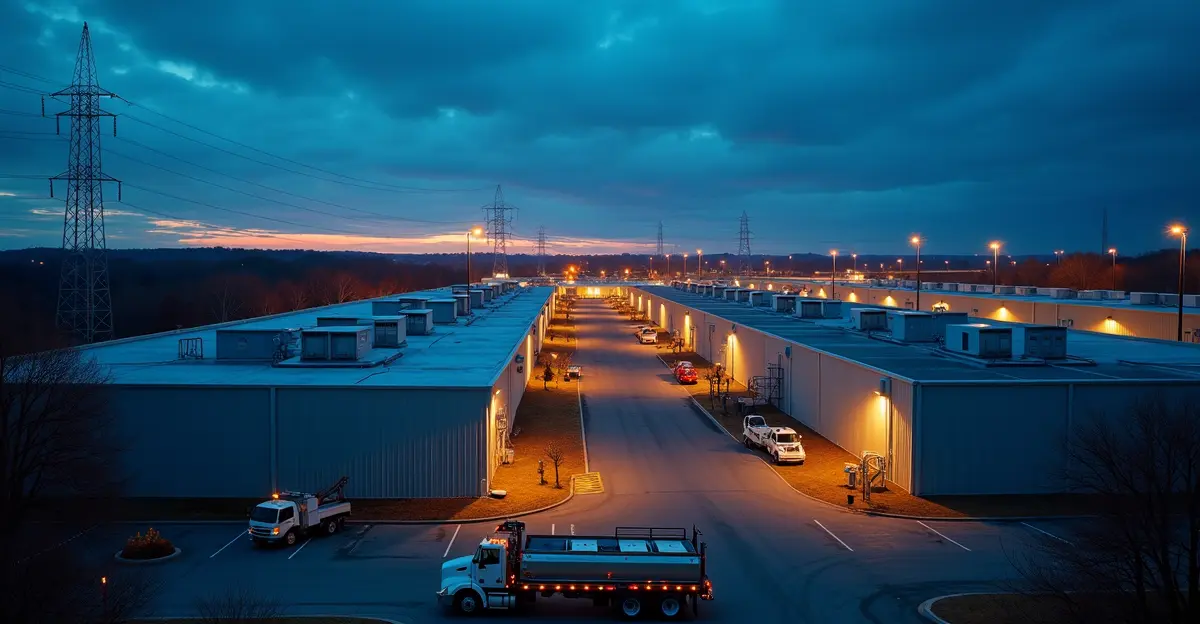
Data centers are undergoing a fundamental transformation in their relationship with energy infrastructure. No longer content to simply consume electricity, major operators are becoming active grid stakeholders through several key strategies:
Co-Investment in Infrastructure Upgrades
Hyperscale data center operators are increasingly co-investing in grid infrastructure upgrades, recognizing that traditional utility timelines cannot keep pace with their growth. With interconnection queues stretching up to seven years for new projects, companies like Microsoft, Amazon, and Google are directly funding transmission line expansions, substation upgrades, and generation capacity. This represents a significant departure from the traditional data center development model where operators simply connected to existing infrastructure.
Hybrid Energy Mix Deployment
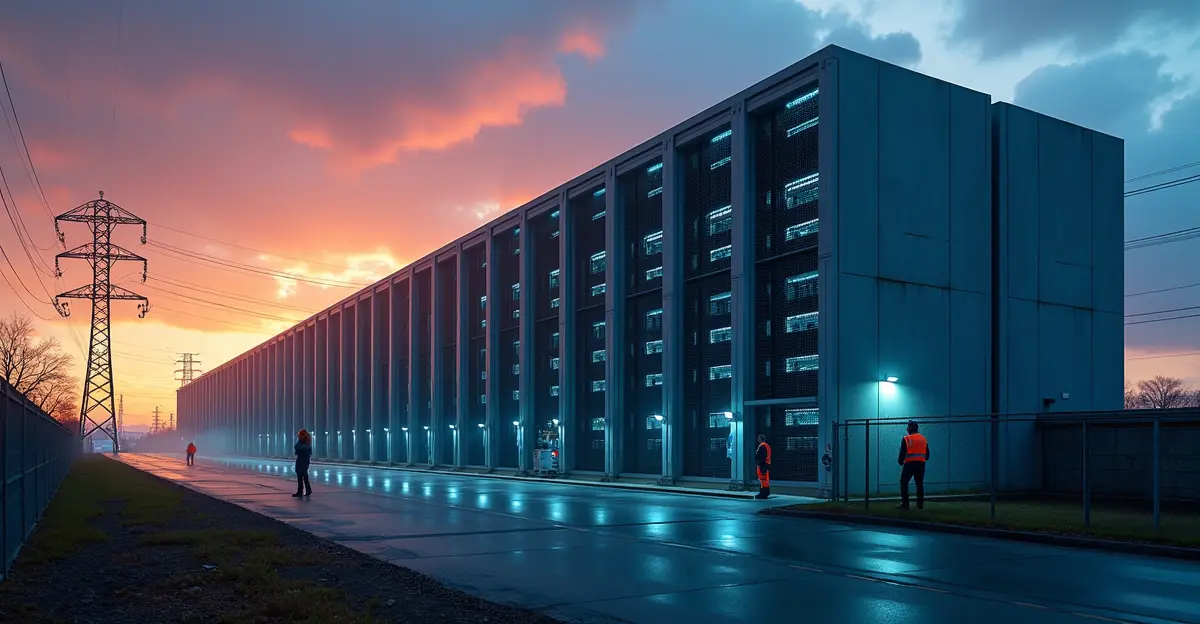
The modern data center energy portfolio now includes a sophisticated mix of power sources designed for reliability and sustainability. Natural gas with carbon capture technology has emerged as the near-term reality for on-demand power due to existing equipment, established construction models, and available domestic supply. Battery energy storage systems have become core infrastructure for grid stability and peak shaving, while nuclear power – particularly small modular reactors – faces timeline challenges despite significant interest. Microsoft's $1.6 billion deal to restart Three Mile Island Unit 1 exemplifies this strategic approach.
Load Flexibility Strategies
Advanced load flexibility represents perhaps the most transformative aspect of the new data center-grid relationship. According to MIT CEEPR research, data centers that can adjust their power consumption in response to grid conditions may reduce electricity costs but potentially increase carbon emissions. Flexible operations allow data centers to shift workloads to times when electricity is cheaper, benefiting from price signals and contributing to grid stability. However, this flexibility creates complex trade-offs between economic optimization and environmental sustainability, as cost-saving strategies might inadvertently increase reliance on fossil fuel generation during peak demand periods.
Geopolitical Implications of Energy-Intensive AI Development
The World Economic Forum identifies a 'triple transition' where AI advancement, energy system restructuring, and geopolitical realignment converge simultaneously. Control over compute infrastructure, semiconductors, and data has become a national security priority, leading to export controls and digital sovereignty measures. Nations are positioning themselves strategically in this new landscape, with the global AI race increasingly determined by energy availability and infrastructure quality rather than just algorithmic innovation.
JLL's 2026 Global Data Center Outlook forecasts a massive $3 trillion infrastructure supercycle driven by AI, cloud expansion, and geographic distribution, with global capacity expected to double to 200 gigawatts by 2030. The Americas lead growth at 17% compound annual growth rate, while power availability has emerged as the primary constraint shaping development. This structural transformation means energy infrastructure investment has become a primary strategic determinant rather than a background consideration in the technology sector.
Evolving Efficiency Metrics: From PUE to 'Tokens per Watt per Dollar'
The industry is shifting from traditional Power Usage Effectiveness (PUE) metrics to more comprehensive 'tokens per watt per dollar' efficiency measurements. PUE, which measures the ratio of total facility energy to IT equipment energy, has served as the industry standard since its development by The Green Grid consortium and publication as ISO/IEC 30134-2:2016. However, this metric fails to account for climate variations, workload efficiency, or the economic value of computational output.
The new 'tokens per watt per dollar' framework reflects data centers' transition from cost centers to revenue generators in the AI economy. This metric better captures the business value of AI infrastructure by measuring computational output (tokens generated by large language models) against both energy consumption (watts) and capital expenditure (dollars). According to industry analysts, this shift represents a fundamental rethinking of how we measure data center efficiency in the age of generative AI.
Impact on Global Competitiveness
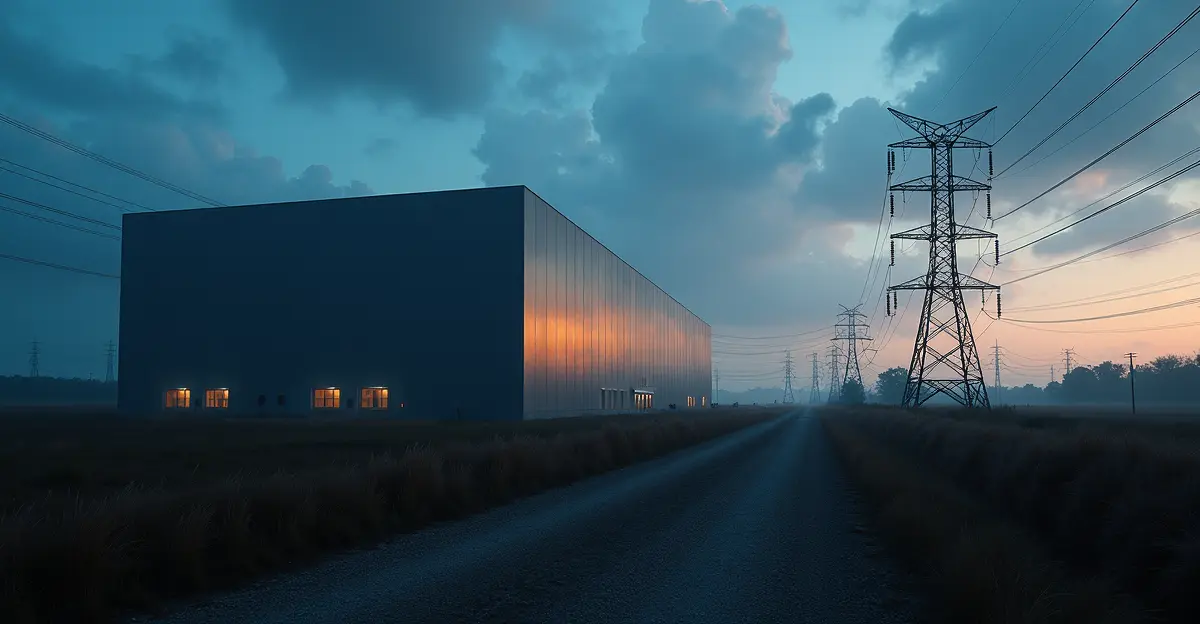
The transformation of data centers from power consumers to grid stabilizers has profound implications for global competitiveness in the AI race. Nations with robust energy infrastructure and forward-looking regulatory frameworks will attract AI investment, while those with constrained grids will face limitations. The Uptime Institute's 2026 predictions highlight that data centers can be built in under three years but power generation takes three to ten-plus years, creating a critical mismatch that favors regions with existing capacity.
PJM's capacity market data reveals that data centers are driving a $9.33 billion increase in capacity payments, with costs passed to 65 million ratepayers. This economic reality is forcing utilities and regulators to reconsider traditional models and embrace data centers as partners in grid modernization. The energy transition now includes digital infrastructure as a central component rather than an afterthought.
Expert Perspectives on the Transformation
Industry leaders emphasize that 2026 marks the beginning of a decade-long electrification process that will shape infrastructure growth across multiple sectors. 'Data centers must pursue grid harmony rather than grid separation,' notes one energy consultant, highlighting the need to combine utility power, on-site generation, and battery storage to balance reliability, cost, and regulatory requirements.
Another expert observes: 'The AI energy crisis is forcing organizations to balance AI capabilities with environmental commitments, driving innovation in power efficiency that will benefit the entire energy ecosystem.' This perspective underscores how data center transformation could accelerate broader energy system improvements.
Frequently Asked Questions
What is the AI energy-grid nexus?
The AI energy-grid nexus refers to the complex interdependence between artificial intelligence's computational demands and the physical infrastructure required to power it. As AI workloads scale, data centers face electricity demands rising faster than aging power grids can handle, creating a fundamental infrastructure challenge.
How much energy will AI data centers consume by 2026?
Industry projections indicate AI-driven data center energy consumption could reach 1,050 terawatt-hours globally by 2026 – equivalent to the electricity consumption of a medium-sized industrial economy. This represents a massive increase from current levels and exceeds what many regional grids can supply.
What are data centers doing to address power constraints?
Data centers are transforming from passive energy consumers to active grid stakeholders through co-investment in infrastructure upgrades, deployment of hybrid energy mixes (renewables, natural gas with carbon capture, battery storage), and implementation of load flexibility strategies that allow them to adjust consumption based on grid conditions.
What is 'tokens per watt per dollar'?
This new efficiency metric measures computational output (tokens generated by AI models) against both energy consumption (watts) and capital expenditure (dollars). It represents a shift from traditional PUE metrics to better capture the business value of AI infrastructure in the generative AI economy.
How does this transformation affect global AI competitiveness?
Nations with robust energy infrastructure and forward-looking regulatory frameworks will attract AI investment, while those with constrained grids will face limitations. Energy availability has become a primary determinant in the global AI race, alongside algorithmic innovation and semiconductor manufacturing capacity.
Conclusion: The Future of Energy-Intensive Computing
The transformation of data centers from power consumers to grid stabilizers represents one of the most significant infrastructure shifts of the digital age. As AI continues its exponential growth, the relationship between computational infrastructure and energy systems will only deepen, creating both challenges and opportunities for innovation. The successful navigation of this AI energy-grid nexus will determine which nations and companies lead the next phase of technological advancement while maintaining grid reliability and environmental sustainability.


Follow Discussion