


 Deutsch
 English
 Español
 Français
 Nederlands
 Português


 Share
Share




Trump's Data Center Dilemma: Bipartisan Backlash Against AI Infrastructure Explained
In a rare moment of political unity, both Democrats and Republicans are joining forces against President Trump's aggressive push for artificial intelligence infrastructure, creating an unprecedented bipartisan backlash against data center expansion across America. The controversy centers on massive tech investments that threaten to drive up electricity prices and disrupt local communities, with even Trump's most loyal supporters in deep-red states like Oklahoma organizing protests against the president's policies.
What is a Data Center and Why Does It Matter?
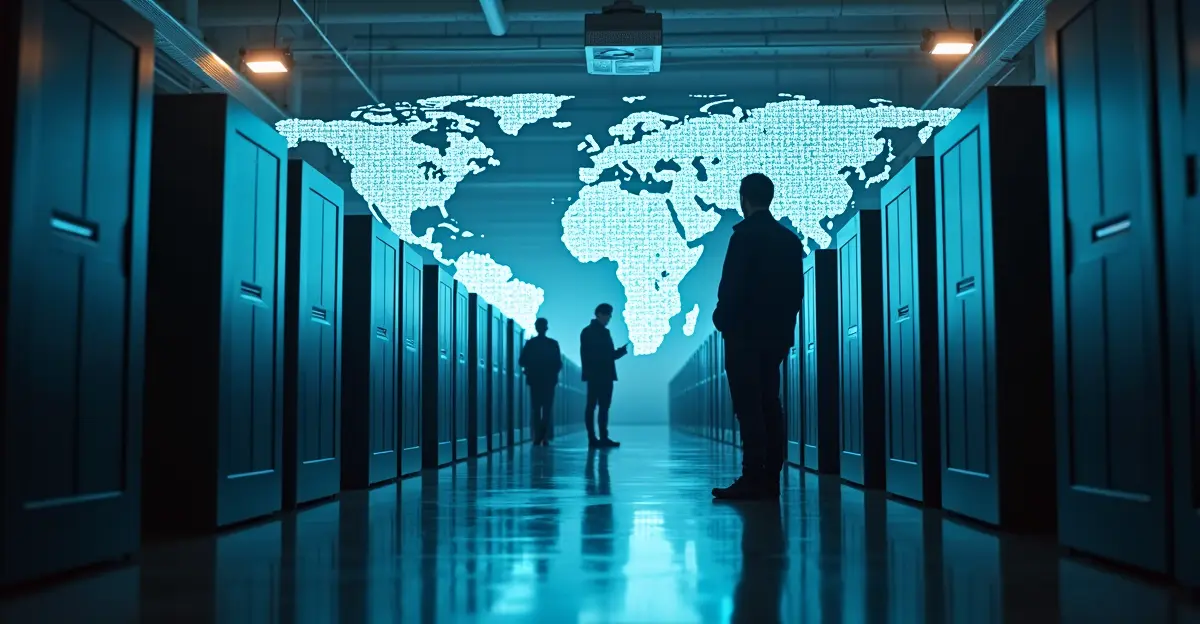
A data center is a facility used to house computer systems and associated components, such as telecommunications and storage systems. These facilities are critical infrastructure for the storage and processing of information, supporting everything from cloud services to artificial intelligence. However, the rapid expansion of AI-focused data centers has created significant challenges, with U.S. data centers consuming 183 terawatt-hours of electricity in 2024 - representing over 4% of the nation's total electricity consumption and roughly equivalent to Pakistan's annual electricity demand.
The Sand Springs Showdown: Oklahoma's Republican Rebellion
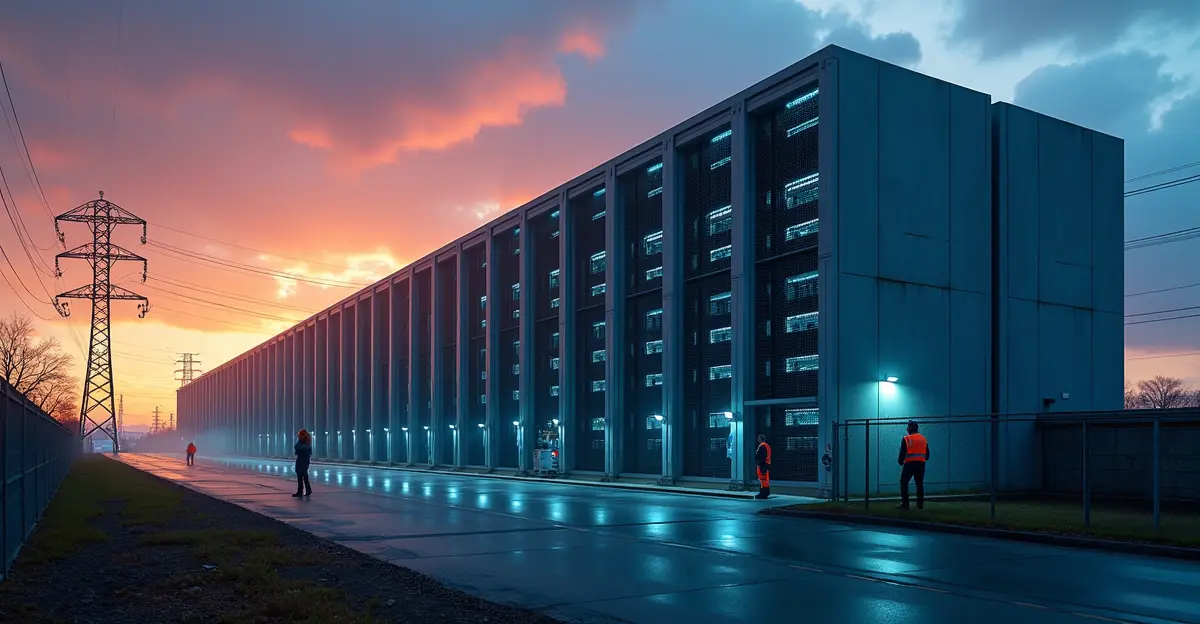
In Sand Springs, Oklahoma - one of the most Republican states in America - residents are organizing against a proposed Google data center that would span nearly 100 football fields. The Project Sand Springs Alliance has launched recall petitions against the city council, gathering over 130 signatures for each council member within just four hours of organizing.
Marjorie Curless, a Trump supporter whose property displays the president's flag, represents the growing discontent: "Zet ze niet tussen paarden, koeien, kippen en zwijnen" ("Don't put them between horses, cows, chickens, and pigs"), she warns, expressing disappointment in her president's policies.
Community Concerns and Economic Realities
Local residents cite multiple concerns about data center expansion:
- Electricity Price Increases: Oklahoma residents saw a 7% increase in electricity prices last year, compared to 6.3% nationally
- Noise Pollution: Projected 60-decibel noise levels at fence lines threaten nearby ranches and farms
- Agricultural Disruption: Paardenfokker Rick Plummer fears cooling systems could disrupt his horses' reproductive cycles
- Environmental Impact: Diesel backup generators and water consumption concerns
Trump's AI Infrastructure Push vs. Political Reality
President Trump has made artificial intelligence development a cornerstone of his economic policy, signing executive orders to accelerate data center construction and streamline permitting processes. Tech giants including Google, Oracle, Meta, Microsoft, OpenAI, and Amazon have committed to investing $500 billion in data center infrastructure this year alone.
However, the political landscape is shifting rapidly. As Lena Moffitt of environmental organization Evergreen Action notes: "Nu de elektraprijzen stijgen door Trumps 'vervuiler-eerst-beleid', probeert hij dit onder het tapijt te vegen met een fotomoment" ("Now that electricity prices are rising due to Trump's 'polluter-first policy,' he's trying to sweep this under the rug with a photo op").
The White House Pledge: Symbolic or Substantive?
In March 2026, Trump brought tech executives to the White House to sign a voluntary pledge committing companies to provide or pay for power generation for their AI data centers. However, experts question the agreement's effectiveness:
| Promise | Reality |
|---|---|
| Companies will generate their own power | No binding commitments or enforcement mechanisms |
| Electricity prices will stabilize | Residential prices increased 6% in 2025 with further increases projected |
| Local communities will benefit | 20 projects valued at $98 billion derailed in three months due to opposition |
The National Impact: Data Centers and Grid Stability
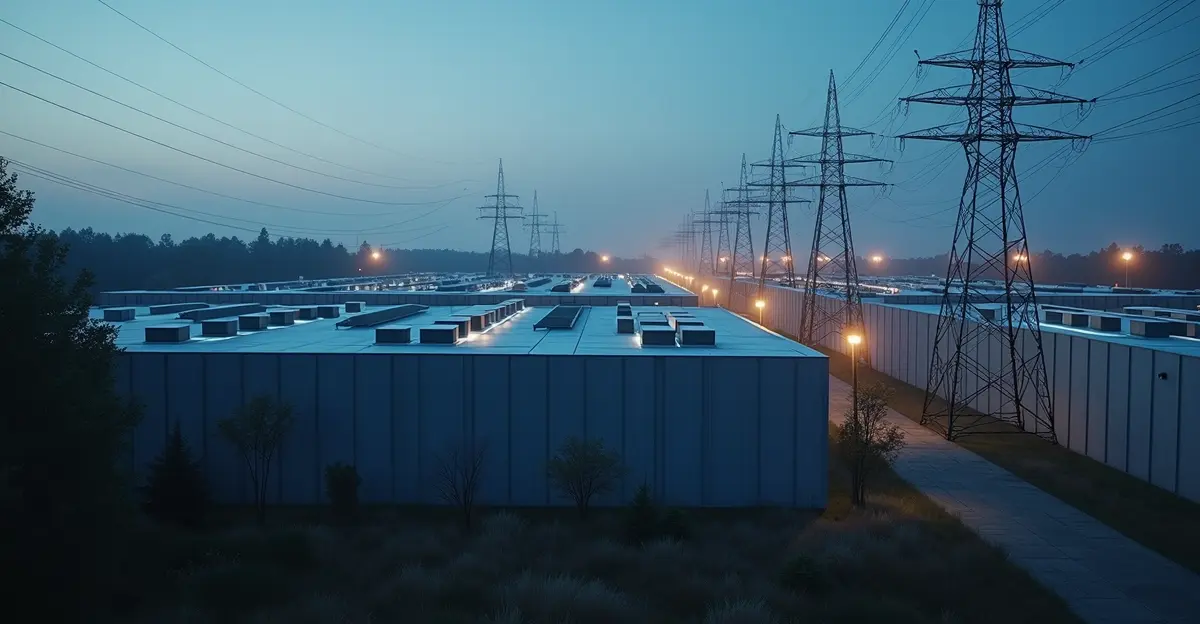
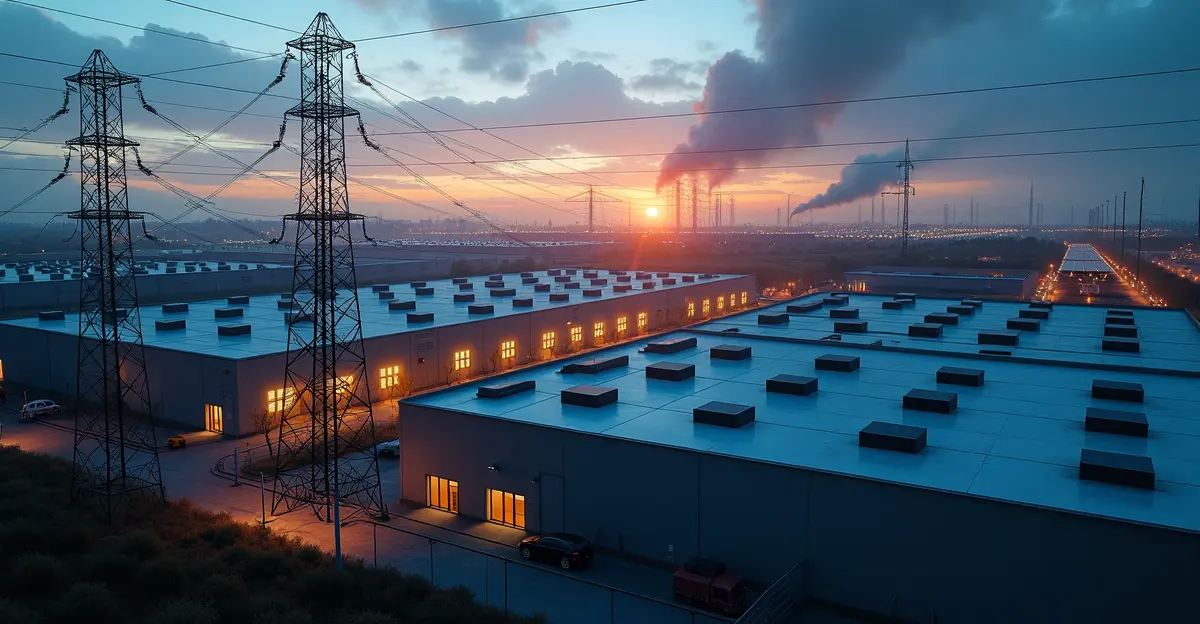
The rapid expansion of AI infrastructure is creating significant challenges for America's power grid. Data center electricity consumption is projected to surge from 176 terawatt hours (4.4% of U.S. total) in 2023 to 325-580 TWh (6.7-12.0%) by 2028. This growth has already caused grid reliability issues, including a July 2024 incident in northern Virginia where voltage fluctuations triggered 60 data center disconnections and created a 1,500-megawatt power surplus.
Similar to the EU carbon border tax debates, the data center controversy highlights the tension between economic development and environmental sustainability. The 2025 crypto mining regulations provide a parallel case study in balancing technological innovation with community concerns.
Bipartisan Solutions and Legislative Responses
Across the political spectrum, lawmakers are responding to constituent concerns:
- Republican Senator in Oklahoma: Proposed a three-year construction moratorium to study data center impacts
- State Legislatures: 17 states have seen grassroots opposition movements
- Local Governments: Recall petitions and legal challenges against approved projects
- Federal Level: Attempts to balance AI competitiveness with consumer protection
Experts in renewable energy infrastructure suggest that the solution may lie in integrating data centers with sustainable power sources rather than opposing development entirely.
FAQ: Data Center Controversy Explained
Why are data centers so controversial?
Data centers consume massive amounts of electricity (equivalent to 100,000 households for a typical facility), drive up local utility costs, create noise pollution, and often provide minimal local employment benefits despite significant tax incentives.
What is President Trump's position on data centers?
Trump supports rapid AI infrastructure development through executive actions streamlining permitting and providing federal land for tech companies, but faces growing opposition from his own political base over electricity price concerns.
How much are tech companies investing in data centers?
Tech giants including Alphabet (Google), Amazon, Microsoft, and Meta plan to invest $500 billion in data center infrastructure in 2026 alone, with total industry investment exceeding $200 billion in 2024.
What are the environmental impacts of data centers?
Beyond electricity consumption, data centers require significant water for cooling (some facilities use millions of gallons daily), generate noise pollution from cooling systems, and often rely on diesel backup generators during power outages.
Can data centers be made more sustainable?
Yes, through innovations in cooling technology, renewable energy integration, water recycling systems, and improved energy efficiency standards. Microsoft has announced a five-point pledge including commitments to replenish water supplies and avoid property tax breaks.


Follow Discussion