


 Deutsch
 English
 Español
 Français
 Nederlands
 Português


 Share
Share




The AI Energy Paradox: How Exponential Compute Demand is Reshaping Global Power Markets
Artificial intelligence's explosive growth is creating unprecedented pressure on global energy systems, with data centers projected to consume 3% of global electricity by 2030 according to International Energy Agency projections. This surge in power demand represents what experts call the 'AI energy paradox' - where technology marketed as an efficiency tool imposes massive carbon, water, and grid reliability costs while forcing tech giants to become the world's largest corporate energy buyers. Recent projections show AI could consume over half of data center electricity by 2028, with major tech companies facing critical decisions about power sourcing and sustainability commitments amid growing regulatory and geopolitical pressures.
What is the AI Energy Paradox?
The AI energy paradox describes the contradictory relationship between artificial intelligence's promise of efficiency and its massive resource consumption. While AI systems can optimize energy use in various sectors, the infrastructure required to develop and run these systems consumes staggering amounts of electricity and water. According to a 2025 study by Alex de Vries-Gao, AI systems could have a carbon footprint comparable to New York City (32.6-79.7 million tonnes of CO₂ annually) and consume 312.5-764.6 billion liters of water - equivalent to all bottled water consumed worldwide in a year. This paradox is reshaping global energy markets as tech companies scramble to secure reliable, sustainable power sources.
The Scale of AI's Energy Consumption
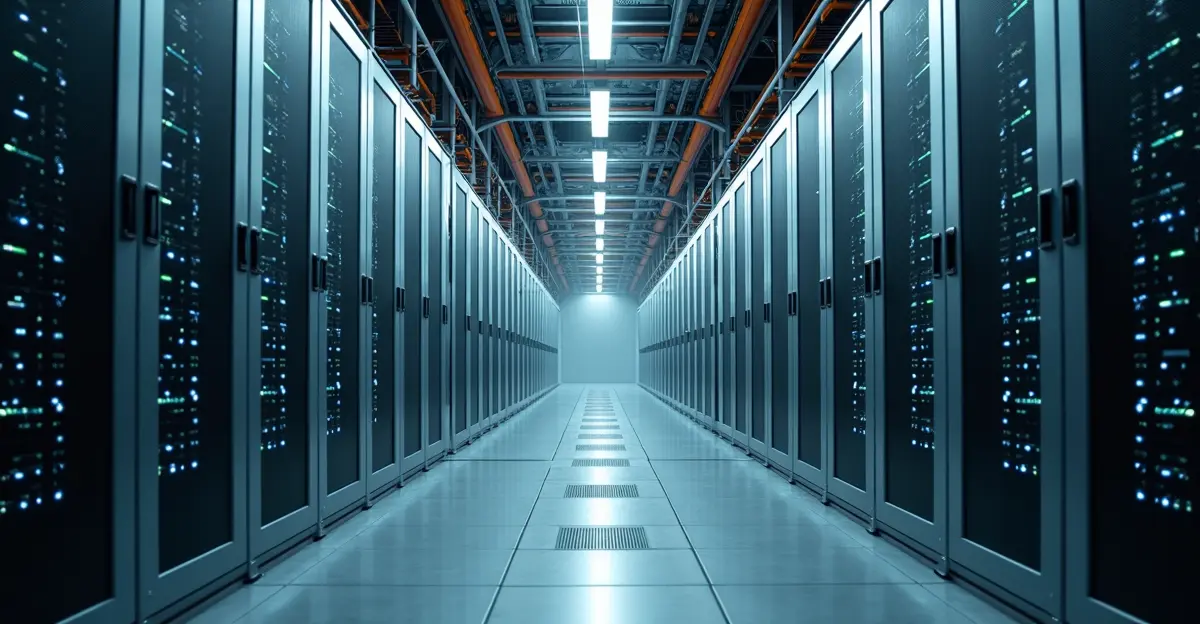
Current data reveals the staggering scale of AI's energy demands. The IEA reports that data centers currently consume about 415 TWh of electricity globally (1.5% of total consumption in 2024), growing at 12% annually. With AI accelerating deployment of high-performance servers, electricity consumption is projected to double to 945 TWh by 2030, representing nearly 3% of global electricity demand. In the United States alone, data centers consumed 183 terawatt-hours of electricity in 2024, representing over 4% of the nation's total electricity consumption - roughly equivalent to Pakistan's annual electricity demand.
Regional Distribution and Growth Patterns
The United States, China, and Europe remain the largest regions for data center electricity demand, with the US having the highest per-capita consumption at 540 kWh in 2024, projected to exceed 1,200 kWh by 2030. The U.S. has over 4,000 data centers, with one-third concentrated in Virginia (643), Texas (395), and California (319). AI-focused hyperscale data centers consume massive amounts of energy, with a typical facility using as much electricity as 100,000 households, and new larger facilities expected to use 20 times more.
The Nuclear Renaissance for AI Power
One of the most significant developments in the energy infrastructure sector is the emerging nuclear renaissance driven by AI's power demands. Microsoft's landmark deal with Constellation Energy to purchase all electricity from the Three Mile Island Unit 1 nuclear reactor exemplifies this trend. The 20-year power purchase agreement will provide carbon-free energy for Microsoft's cloud computing and AI programs, with the plant expected to reopen in 2028 and be renamed the Crane Clean Energy Center.
Why Nuclear Power Appeals to Tech Giants
Nuclear power offers several advantages for AI data centers:
- Reliability: 24/7 carbon-free power without weather dependency
- Baseload Capacity: Consistent power output matching data center needs
- Space Efficiency: High energy density in limited geographic footprint
- Regulatory Support: Federal tax credits from the Inflation Reduction Act
This deal follows a trend of tech companies investing in nuclear power, with Amazon recently purchasing a data center site near Pennsylvania's Susquehanna nuclear plant. The Three Mile Island restart could be among the first US nuclear reactors to reopen after shutdown, joining Michigan's Palisades plant which received a $1.5 billion DOE loan guarantee for restart.
Tech Giants as Energy Market Titans
Big Tech companies have become the world's largest corporate energy buyers, fundamentally altering global renewable energy markets. According to BloombergNEF's 2025 analysis, Meta, Amazon, Google and Microsoft accounted for 49% of all global corporate clean energy purchasing activity. Meta and Amazon led with a combined 20.4GW, including nuclear power purchases. This concentration of buying power represents a dramatic shift in energy markets, where a handful of tech companies now drive investment decisions in renewable infrastructure.
The Two-Speed Energy Market
The corporate clean energy market shows a growing divergence between Big Tech companies and other corporate buyers. While overall offsite power purchase agreement volumes dropped 10% to 55.9 gigawatts in 2025, tech giants continued aggressive expansion. The US remained the largest market at 29.5GW, but the number of unique corporate buyers there dropped 51% to just 33, indicating market consolidation around major tech players.
Geopolitical Implications of AI Energy Demand
The scramble for power resources has elevated data centers from back-end facilities to critical strategic assets in global power competition. The World Economic Forum notes that AI and data infrastructure have become central to geopolitical power struggles between major nations, particularly the US and China. The strategic competition is marked by rising trade barriers, competing AI ambitions, and a scramble for control over data and digital infrastructure.
The US-China Energy Competition
Brookings Institution analysis reveals an emerging 'electron gap' in the AI race. While the U.S. leads in advanced AI semiconductors, China has a significant energy advantage. Data centers for AI training now require up to one gigawatt of electricity - enough to power a small city - with U.S. electricity demand for data centers expected to more than double by 2030. China's electricity demand for data centers is also projected to double, but the country has historically expanded its energy capacity rapidly, generating more than twice as much electricity as the U.S.
Sustainability Challenges and the Green Paradox
The environmental costs of AI development present what economists call the 'green paradox' - where well-intentioned sustainability initiatives create unintended negative consequences. The Guardian reported in December 2025 that the AI boom generated massive environmental costs, with carbon emissions equivalent to those of New York City and water usage exceeding global bottled water demand. AI systems released approximately 80 million tonnes of CO2 in 2025, representing over 8% of global aviation emissions.
Water Consumption Concerns
Water usage represents a particularly challenging aspect of the AI sustainability paradox. The 2025 study found water consumption reached 765 billion liters, surpassing previous estimates of all datacentre water use by more than a third. Tech companies currently withhold crucial data on AI-specific energy and water usage, particularly indirect water consumption from electricity generation, which is likely 3-4 times higher than official estimates.
Future Outlook and Strategic Implications
As AI's energy demands continue to grow, several key trends will shape the future landscape:
- Regulatory Pressure: Governments will likely implement stricter reporting requirements for AI energy and water usage
- Infrastructure Investment: Massive investments in grid upgrades and new power generation capacity
- Technological Innovation: Development of more energy-efficient AI chips and cooling systems
- Market Transformation: Continued consolidation of energy buying power among tech giants
The control over compute infrastructure is becoming a geopolitical priority, with nations recognizing that AI capability depends fundamentally on energy availability. This reality is forcing a reevaluation of national energy strategies and international cooperation frameworks.
Frequently Asked Questions
How much electricity do AI data centers consume?
AI data centers currently consume about 415 TWh of electricity globally (1.5% of total consumption in 2024), projected to double to 945 TWh by 2030, representing nearly 3% of global electricity demand.
Why are tech companies investing in nuclear power?
Tech companies are investing in nuclear power because it provides reliable, 24/7 carbon-free electricity that matches the constant power needs of data centers, offers baseload capacity, and benefits from federal tax credits supporting clean energy.
What is the AI energy paradox?
The AI energy paradox refers to the contradiction where artificial intelligence is marketed as an efficiency tool while imposing massive carbon, water, and grid reliability costs through its enormous energy consumption requirements.
How does AI water consumption compare to other uses?
AI systems consumed approximately 765 billion liters of water in 2025, exceeding global bottled water demand and representing more than a third of all data center water use estimates.
Which tech companies are the largest energy buyers?
Meta, Amazon, Google and Microsoft accounted for 49% of all global corporate clean energy purchasing in 2025, with Meta and Amazon leading with a combined 20.4GW of power purchase agreements.
Follow Discussion