


 Deutsch
 English
 Español
 Français
 Nederlands
 Português


 Share
Share




The AI Energy Paradox: How Data Center Demand Is Reshaping Global Electricity Markets
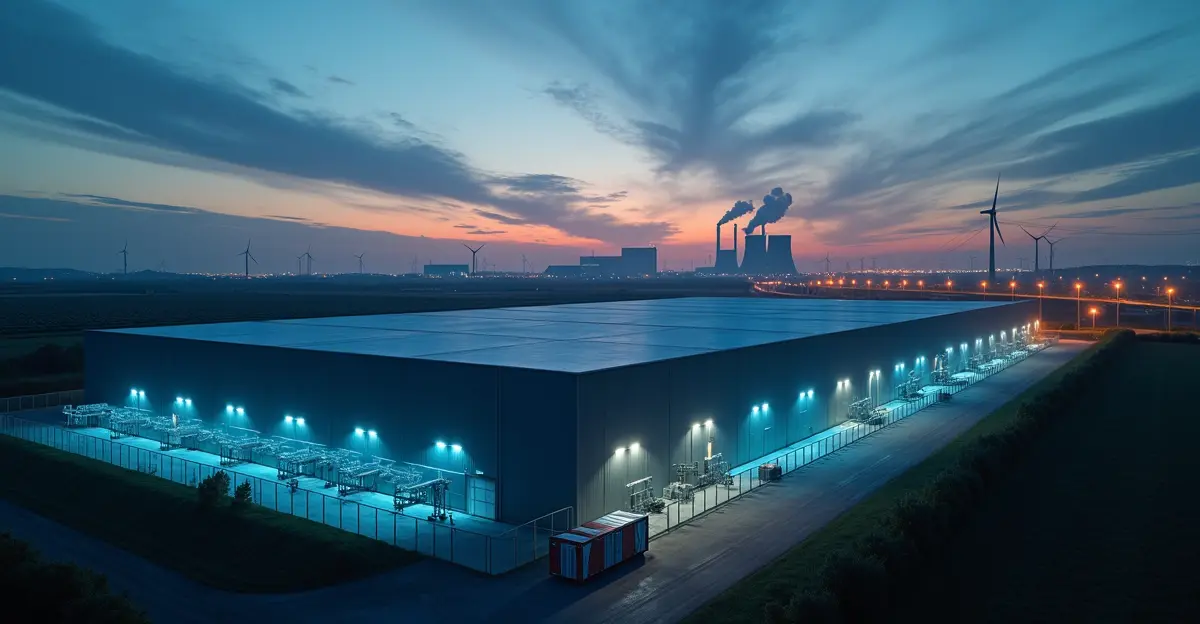
The explosive growth of artificial intelligence is creating an unprecedented energy paradox that threatens to reshape global electricity markets, with data centers projected to consume nearly 3% of global electricity by 2030 according to recent International Energy Agency (IEA) data. This analytical examination reveals how AI-driven computational demands are transforming energy consumption patterns, creating strategic tensions between technological advancement and climate goals, and positioning tech giants as the world's largest corporate energy buyers.
What Is the AI Energy Paradox?
The AI energy paradox refers to the contradictory relationship where artificial intelligence systems, while offering solutions for energy efficiency and climate change mitigation, simultaneously require massive computational power that drives unprecedented electricity demands. According to the IEA, global electricity consumption from data centers reached about 415 terawatt-hours (TWh) in 2024, representing 1.5% of global electricity consumption and growing at 12% annually over the past five years. The Base Case projects data center electricity consumption will double to around 945 TWh by 2030, representing nearly 3% of global electricity consumption.
The Scale of Data Center Electricity Consumption
Data centers are massive electricity consumers, with U.S. facilities alone using 176 terawatt-hours (TWh) in 2023 - enough to power 16 million homes. Globally, data centers consumed about 460 TWh in 2022, representing approximately 2% of worldwide electricity. Consumption is projected to grow dramatically to 650-1,050 TWh by 2026.
Power Density Revolution
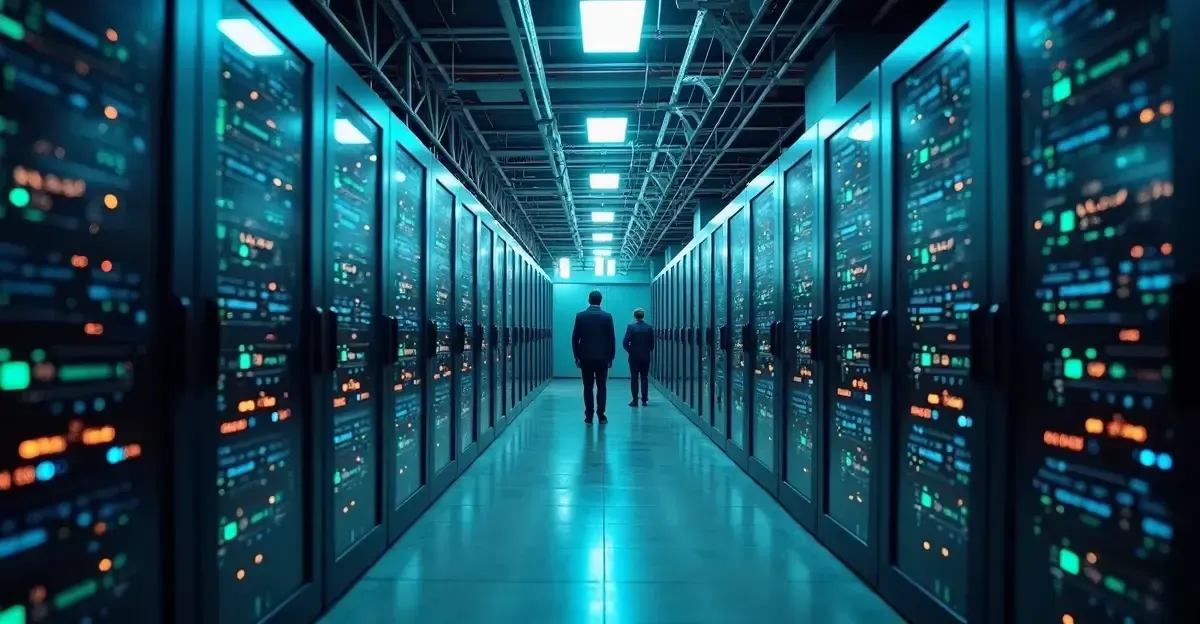
The AI revolution is significantly increasing power demands, with AI-optimized server racks requiring 40-60+ kW compared to traditional racks at 5-15 kW. This represents a fundamental shift in data center design and cooling requirements. Data center electricity usage breaks down to:
- IT equipment (40-50%)
- Cooling systems (30-40%)
- Power distribution/backup (10-15%)
- Infrastructure/lighting (5-10%)
Tech Giants as Energy Market Titans
Major technology companies are adopting a diversified 'all of the above' energy strategy to power their artificial intelligence systems. This approach involves exploring multiple energy sources including renewable energy, nuclear power, and other generation methods to meet the massive electricity demands of AI computing infrastructure.
Nuclear Power Renaissance
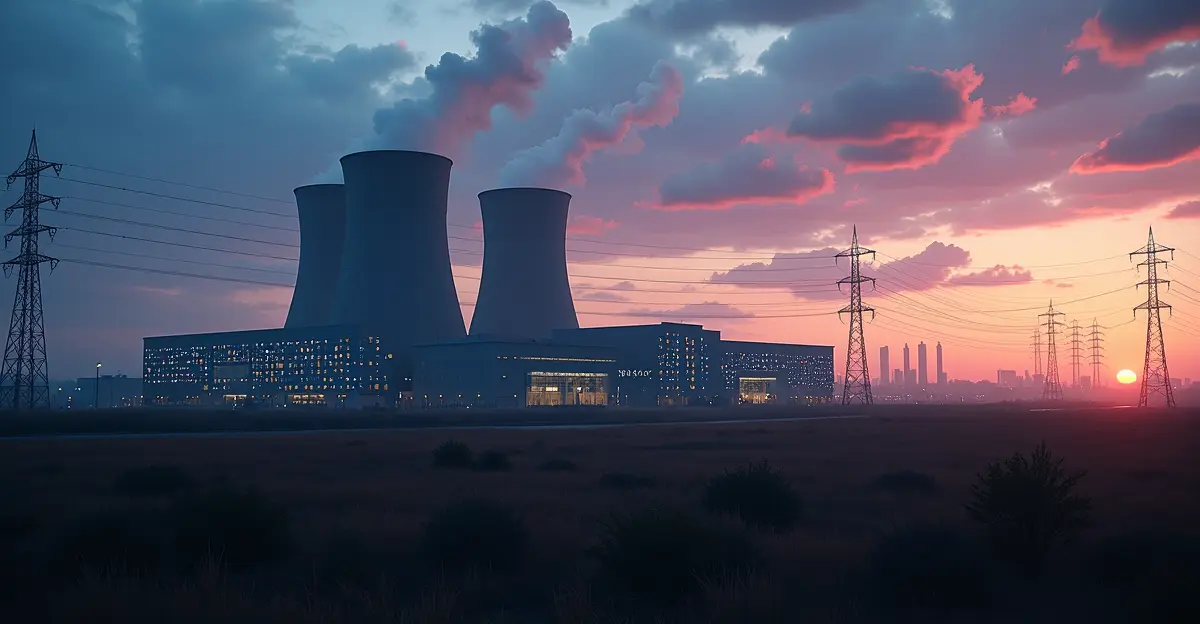
Major technology companies are increasingly turning to nuclear power to address the substantial energy demands of artificial intelligence systems. With AI data center electricity demand projected to reach 35 gigawatts by 2030 and global AI infrastructure capex estimated at $7 trillion by 2030, nuclear energy is becoming crucial for meeting clean energy needs. Constellation Energy has secured major contracts with Microsoft to revive the Three Mile Island plant and with Meta for 1.1 gigawatts of nuclear power. Talen Energy has a long-term deal with Amazon to provide 1,920 megawatts of nuclear energy through 2042.
Geopolitical Implications and Grid Strain
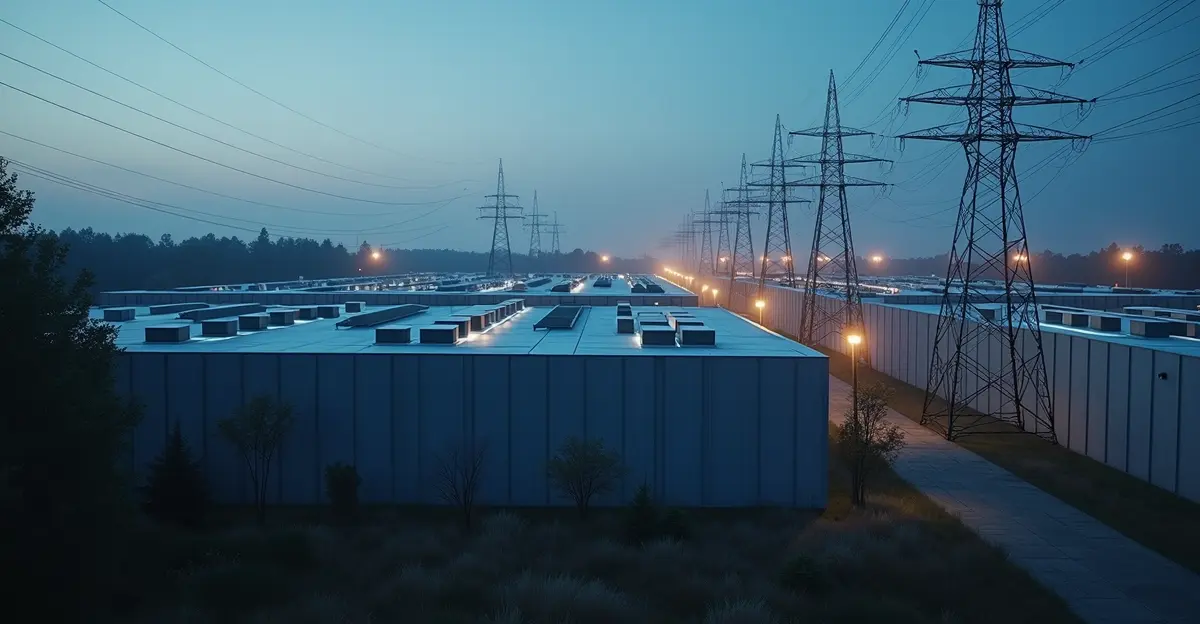
The United States, China, and Europe remain the largest regions for data center electricity demand, with the US and China accounting for nearly 80% of global growth to 2030. The US has the highest per-capita data center consumption at around 540 kWh in 2024, projected to exceed 1,200 kWh per capita by 2030. This concentration creates significant energy security concerns and potential geopolitical competition for clean power sources.
Grid Infrastructure Challenges
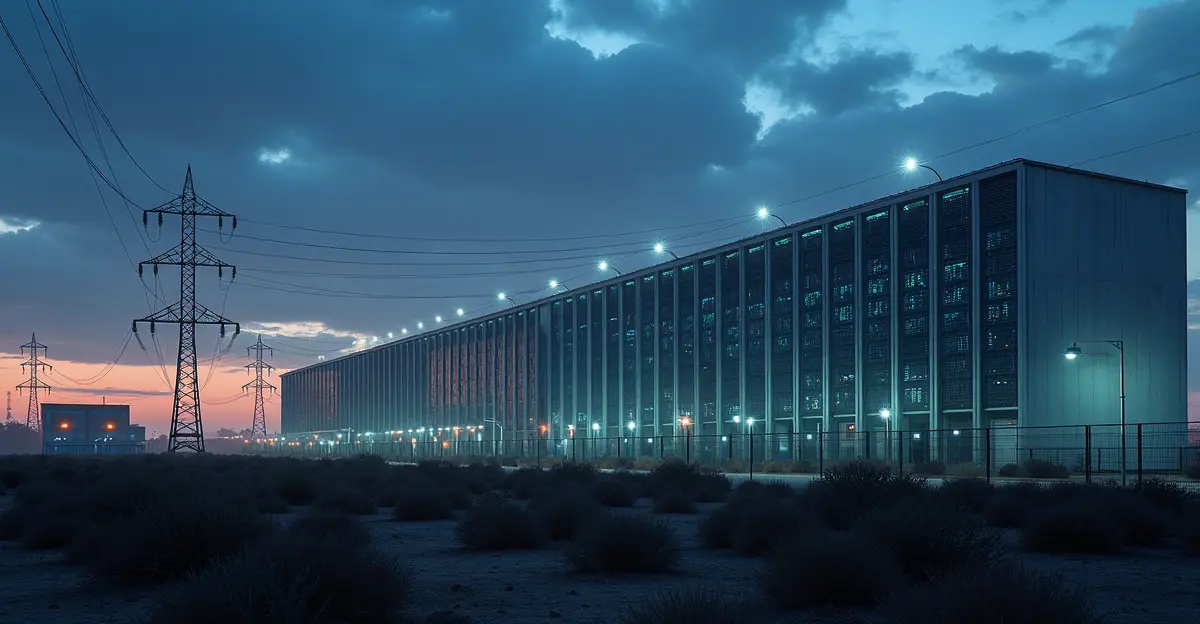
Data centers are projected to drive nearly half of U.S. electricity demand growth by 2030, causing rising energy costs and grid strain. Research shows AI-based optimization could reduce Duke Energy's generation costs by 2-3% today and 5-6% by 2030. Additionally, load flexibility presents significant opportunities - the U.S. grid could accommodate ~80 GW of additional load with minimal curtailment.
The Climate Policy Dilemma
The rapid growth of data center infrastructure has prompted regulatory debates in multiple jurisdictions regarding tax incentives, electricity grid impacts, water consumption, and compatibility with state and national climate commitments. This creates a fundamental tension between AI development ambitions and decarbonization targets.
Environmental Opposition Movements
Rapid growth of the industry is leading to strain on electric grids and increased electricity costs for consumers. This in turn has drawn growing opposition to new data centers from local people who would bear the burdens of social and environmental impacts such as energy and water use, while faraway actors and institutions would receive the projects' benefits. These opposition movements have materialized especially in parts of Europe, the United States, and South America. Billions of dollars in projects were halted or delayed by data center resistances in the US between May 2024 and June 2025.
Strategic Solutions and Future Outlook
Duke University is actively researching sustainable AI solutions through initiatives like the Deep Tech Initiative and collaborations with industry leaders, aiming to create a resilient grid where AI and sustainability work together. The World Economic Forum's 2025 report 'Artificial Intelligence's Energy Paradox' examines strategies for balancing AI innovation with sustainable energy practices.
Policy Framework Development
The governance challenges of managing what appears to be a trilemma involving AI's computational demands, environmental impact, and policy considerations are increasingly relevant. The ScienceDirect article 'AI's energy paradox: Governing the trilemma of...' explores policy frameworks, technological solutions, and governance approaches to balance AI advancement with environmental responsibility.
Frequently Asked Questions
How much electricity do data centers currently consume?
According to IEA data, global electricity consumption from data centers reached about 415 TWh in 2024, representing 1.5% of global electricity consumption. U.S. facilities alone used 176 TWh in 2023, enough to power 16 million homes.
What percentage of global electricity will data centers use by 2030?
The IEA projects data center electricity consumption will double to around 945 TWh by 2030, representing nearly 3% of global electricity consumption. Accelerated servers (mainly AI-driven) are projected to grow by 30% annually.
Why are tech companies investing in nuclear power?
Tech giants are turning to nuclear power because it offers reliable, high-capacity energy sources without the carbon emissions associated with fossil fuels. With AI data center electricity demand projected to reach 35 gigawatts by 2030, nuclear provides consistent power generation for energy-intensive AI operations.
How does AI create an energy paradox?
The AI energy paradox refers to how AI systems can both help solve energy challenges through optimization and efficiency while simultaneously requiring massive computational power that drives significant energy demands, creating conflicts with climate and sustainability objectives.
What regions are most affected by data center electricity demand?
The United States, China, and Europe remain the largest regions for data center electricity demand, with the US and China accounting for nearly 80% of global growth to 2030. The US has the highest per-capita data center consumption.
Conclusion: Navigating the Energy Transition
The AI energy paradox represents one of the most significant challenges in the global energy transition. As data centers reshape electricity markets and tech giants become dominant energy buyers, strategic coordination between technology developers, energy providers, and policymakers will be essential. The coming years will determine whether AI accelerates or hinders global decarbonization efforts, making this one of the most critical intersections of technology and energy policy in the 21st century.
Follow Discussion