


 Deutsch
 English
 Español
 Français
 Nederlands
 Português


 Share
Share




The AI-Energy Nexus: How Data Center Power Demands Are Reshaping Global Energy Geopolitics in 2026
The explosive growth of artificial intelligence infrastructure is fundamentally transforming global energy markets and geopolitical dynamics, with AI data centers projected to consume approximately 1,100 terawatt-hours globally by 2026—equivalent to Japan's entire annual electricity consumption. This unprecedented electricity demand, growing at 12-15% annually according to recent IEA and Rhodium Group reports, is forcing tech giants to secure gigawatt-scale power blocks through direct energy partnerships, creating new energy hotspots and reshaping grid infrastructure priorities worldwide.
What is the AI-Energy Nexus?
The AI-energy nexus refers to the complex interdependence between artificial intelligence infrastructure development and global energy systems. As AI adoption accelerates deployment of high-performance servers consuming 30-100 kW per rack compared to 5-15 kW for traditional racks, data centers are overwhelming local grid capacity and creating strategic energy bottlenecks. This trend is shifting the energy transition from climate-focused projects to industrial competition, with countries now prioritizing energy security and grid capacity as strategic national assets in the global AI race.
The Scale of AI's Power Hunger
Current projections reveal staggering energy demands from AI infrastructure. According to the International Energy Agency, data centers currently consume about 415 TWh of electricity annually, representing 1.5% of global electricity consumption in 2024. However, with AI-driven expansion, this demand is projected to double to around 945 TWh by 2030, reaching nearly 3% of global electricity demand. The Rhodium Group analysis shows even more dramatic growth, with data center electricity demand projected to nearly double by 2030 and triple by 2040 compared to 2024 levels.
Key Statistics on AI Power Consumption
- U.S. data centers consumed 183 TWh in 2024, representing over 4% of national electricity consumption
- Projected to grow by 133% to 426 TWh by 2030 in the U.S. alone
- AI-optimized racks demand 30-100 kW vs. 5-15 kW for traditional racks
- A single GPT-4 training run consumes about 50 GWh—equivalent to 40,000 U.S. households' annual consumption
- Northern Virginia hosts the world's largest data center concentration, consuming over 5 GW of power
Geopolitical Implications of Energy Hotspots
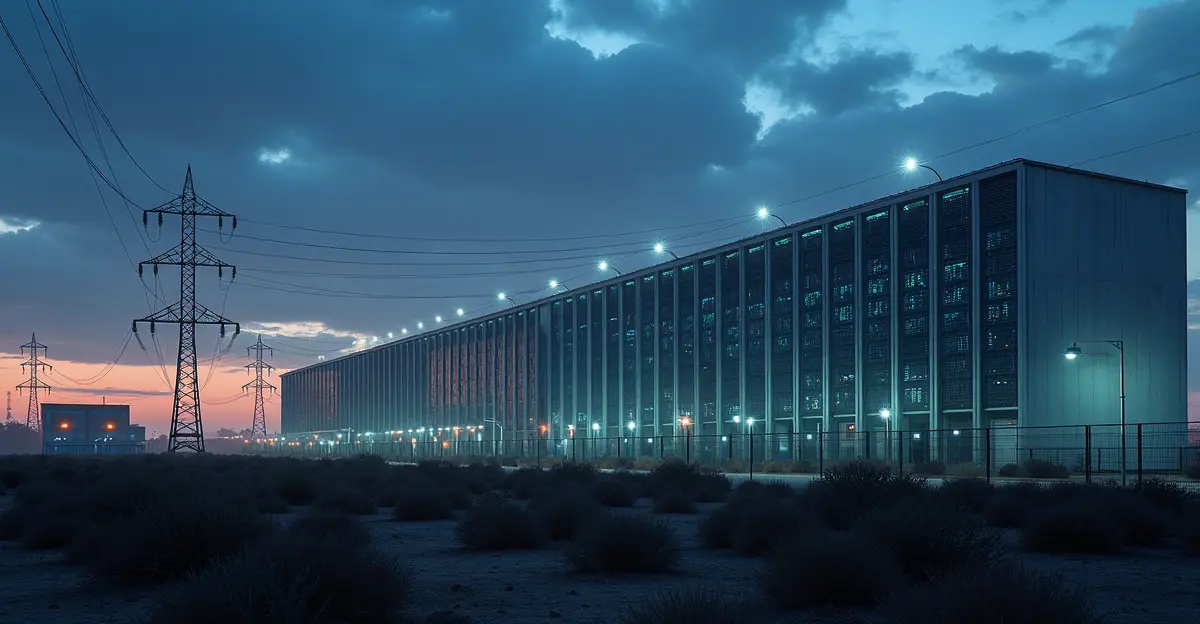
The concentration of data centers in specific regions is creating new energy geopolitics. Northern Virginia, often called 'Data Center Alley,' hosts 35% of the world's data centers and faces critical energy supply crises. As Gary Wood, president of Central Virginia Electric Cooperative, warns, rolling blackouts are "very likely" in the next 3-5 years within the PJM regional grid. This concentration creates strategic vulnerabilities similar to traditional energy security hotspots in oil-producing regions.
The expansion is creating new dependencies and influencing semiconductor manufacturing locations. Countries with reliable, abundant energy supplies are becoming increasingly attractive for AI infrastructure investment, reshaping global technology supply chains. This trend mirrors historical patterns where industrial development followed energy resource availability, but now with digital infrastructure as the primary driver.
Tech Giants' Energy Strategy Pivot
Major technology companies are fundamentally changing their energy strategies in response to grid constraints. The primary bottleneck for AI infrastructure expansion is no longer capital or technology, but the inability of public electrical grids to deliver sufficient, reliable power. This is forcing a strategic pivot from grid reliance toward direct investment in on-site power generation solutions.
Major Energy Deals by Tech Companies
| Company | Energy Deal | Scale | Type |
|---|---|---|---|
| Microsoft | Three Mile Island nuclear deal | $1.6 billion | Nuclear |
| Microsoft | Brookfield Renewable Partners | 10.5 GW agreement | Renewable |
| Multiple renewable projects | Multiple gigawatts | Solar/Wind | |
| Amazon | Various clean energy deals | Significant capacity | Mixed |
Data centers now account for over 17 GW of clean energy deals globally, representing nearly 60% of corporate deals in the U.S. Tech giants like Google, Microsoft, Amazon, and Meta are now the largest corporate buyers of renewable energy globally, fundamentally reshaping energy markets.
Grid Infrastructure and Reliability Challenges
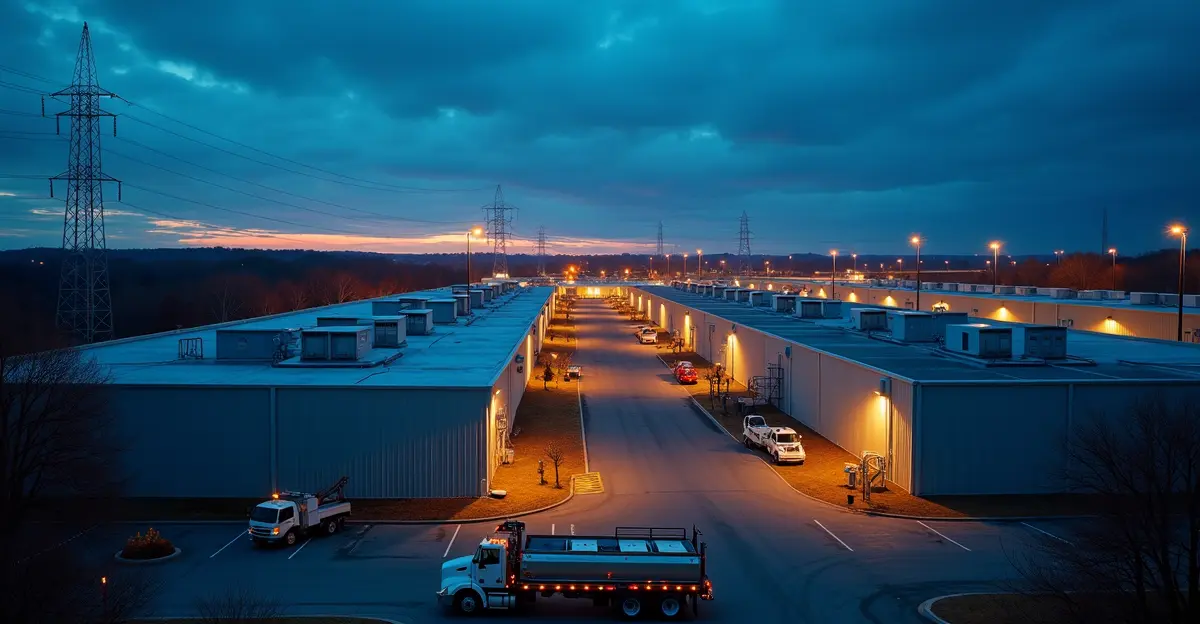
The rapid growth of AI data centers is creating unprecedented strain on electrical grids worldwide. Morgan Stanley warns of a 126 GW global power demand surge through 2028, with a 49 GW shortfall projected in the U.S. alone. Communities across multiple states are pushing back against data center expansions due to infrastructure strain, with utilities like AEP Ohio pausing new interconnections.
The North American Electric Reliability Corp. categorizes Virginia at "elevated risk" of electricity supply shortfalls, while the rapid closure of 20 power generation facilities since May 2023 and 20 more scheduled to close by 2028 creates a perfect storm where new power projects aren't keeping pace with demand growth. This situation creates strategic vulnerabilities that could impact national security infrastructure dependent on reliable digital systems.
Economic and Environmental Impacts
The AI-energy nexus carries significant economic and environmental consequences. Electricity now accounts for 20-30% of data center operational expenses, driving the economic case for stable, privately-owned power sources. Ratepayers face significant cost burdens, with electricity costs rising 42% since 2019 and capacity market prices spiking nearly tenfold in PJM regions.
Despite efficiency improvements (Power Usage Effectiveness declining from 2.0 to 1.1-1.3), absolute energy consumption continues rising due to AI demand. The industry faces challenges including cooling/water use, grid strain, and interconnection issues as energy demands reshape electricity markets and climate goals. Higher data center demand increases power sector emissions by 6-13% in 2035 compared to baseline projections, though corporate clean energy commitments may partially offset these emissions.
Future Outlook and Strategic Implications
The World Economic Forum argues AI infrastructure should be treated as critical national infrastructure due to its strategic importance and massive energy demands, creating new geopolitical dynamics where energy access becomes a weapon in technological competition. The AI data center market is projected to grow from $236.44 billion in 2025 to $933.76 billion by 2030, with $6.7 trillion in cumulative capital investment needed for global data center infrastructure through 2030.
This trend represents a fundamental shift in how nations approach energy policy, moving from climate-focused initiatives to industrial competitiveness strategies. Countries with abundant, reliable energy supplies will gain strategic advantages in the AI race, potentially reshaping global technology leadership and creating new dependencies similar to historical energy resource geopolitics.
Frequently Asked Questions
How much electricity do AI data centers consume?
AI data centers currently consume about 415 TWh of electricity annually (1.5% of global consumption) and are projected to reach approximately 1,100 TWh by 2026—equivalent to Japan's entire annual electricity consumption.
Why are data centers causing energy grid problems?
AI-optimized racks demand 30-100 kW per rack compared to 5-15 kW for traditional racks, overwhelming local grid capacity. Interconnection delays exceeding three years are becoming a primary business risk for tech companies.
How are tech companies responding to energy constraints?
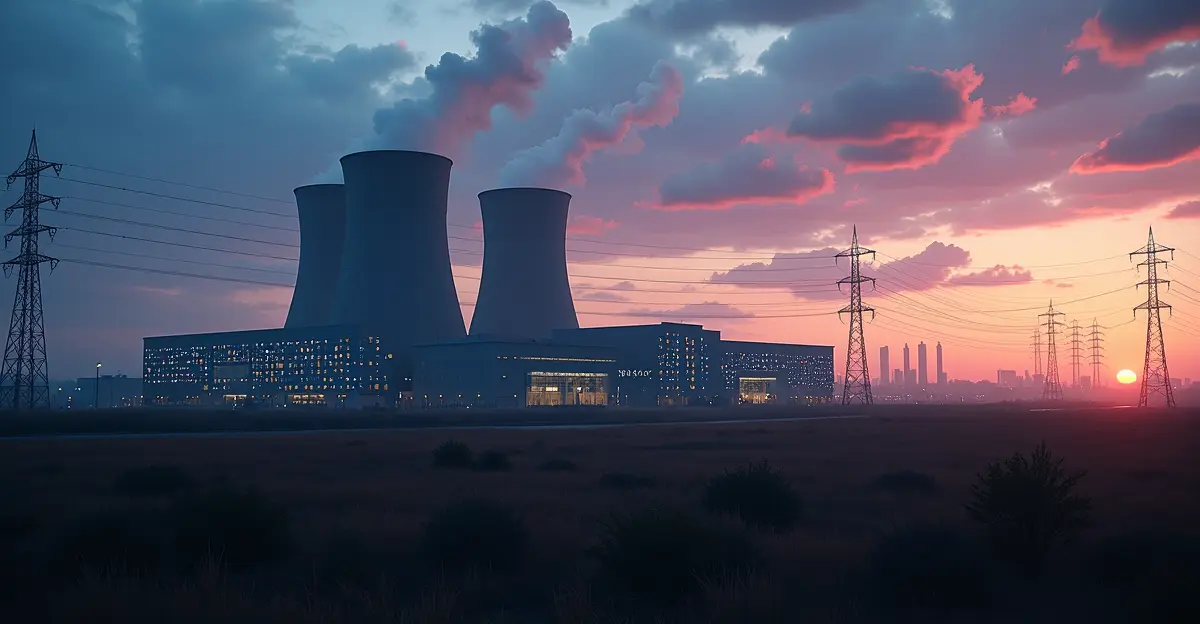
Major tech firms are forming strategic partnerships with energy companies, securing gigawatt-scale power through direct deals, investing in nuclear power (like Microsoft's Three Mile Island deal), and becoming the largest corporate buyers of renewable energy globally.
What regions are most affected by data center energy demands?
Northern Virginia hosts 35% of the world's data centers and faces critical energy supply crises, with projections showing peak load could more than double by 2040 and rolling blackouts considered "very likely" in the next 3-5 years.
How does AI energy demand affect climate goals?
Higher data center demand increases power sector emissions by 6-13% in 2035 compared to baseline projections, though corporate clean energy commitments may partially offset these emissions. The rapid growth is driving utilities to maintain existing fossil-fuel generation rather than transitioning to cleaner alternatives.

Follow Discussion