


 Deutsch
 English
 Español
 Français
 Nederlands
 Português


 Share
Share




The AI Power Crunch: How Data Center Energy Demand Is Breaking the Grid in 2026
Global energy investment surpassed $3.3 trillion in 2025, with AI data centers emerging as the single largest new driver of electricity demand. By 2026, these facilities are projected to consume up to 1,000 TWh worldwide—roughly equivalent to the entire electricity consumption of Japan. Individual AI server racks now demand 100+ kW, compared to just 5–15 kW for traditional servers, creating unprecedented strain on local grids across the United States, Europe, and Asia. The collision between AI infrastructure needs and grid constraints is reshaping energy markets, utility rate structures, and industrial policy in 2026.
The Scale of the Crisis
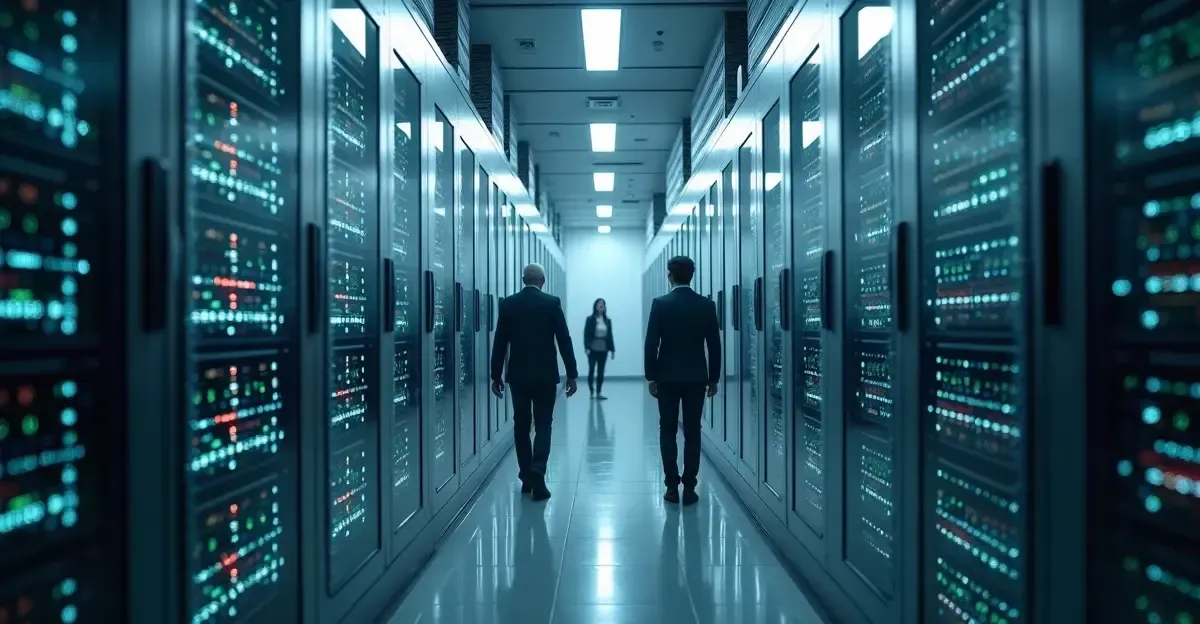
AI workloads have fundamentally altered data center power requirements. NVIDIA's GB200 racks draw 132 kW, Cerebras systems reach 180 kW, and AMD Instinct deployments range from 100–120 kW per rack. This density shift represents the biggest architectural change in data centers since raised-floor construction. The global data center power demand is projected to grow by 126 GW through 2028, with a 49 GW shortfall in the United States alone, according to Morgan Stanley.
Grid Interconnection Delays
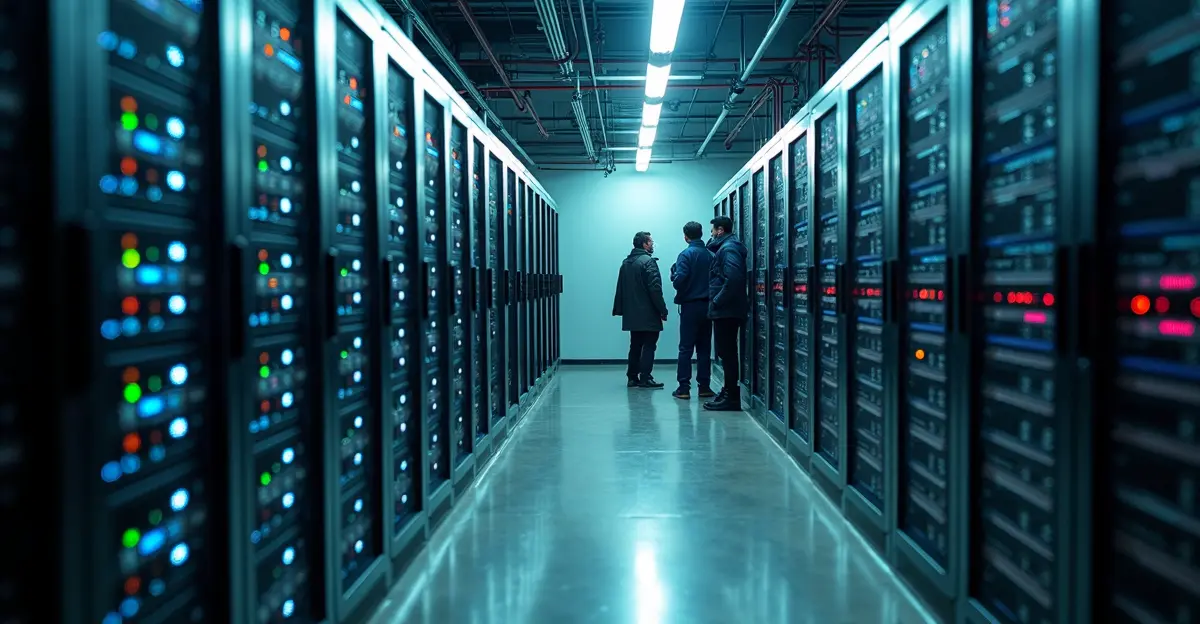
Local grids are unable to handle the flood of interconnection requests. Of 16 GW of new data center capacity planned for 2026, only 5 GW has entered active construction, with 30–50% of the remaining 11 GW projected to slip to 2027 or beyond due to electrical grid delays. Power transformer lead times now average 128 weeks, and generator step-up units require 144 weeks. In Northern Virginia—the world's largest data center market—colocation vacancy rates have fallen to 0.72%, with 87% of 2025–2026 inventory already preleased.
Historically, only 13% of interconnection requests filed between 2000 and 2019 reached operational status by end-2024, while over 70% withdrew. The bottleneck for AI infrastructure is no longer silicon or real estate—it is the electrical grid. Equipment shortages and regulatory queue capacity now pose the primary constraints, with delays exceeding three years in some regions.
Strategic Pivot: On-Site Power Generation
In response to grid constraints, hyperscalers are pivoting toward on-site power generation. The behind-the-meter energy solutions market is booming as companies seek to bypass interconnection queues entirely.
Nuclear Restarts: Three Mile Island Unit 1
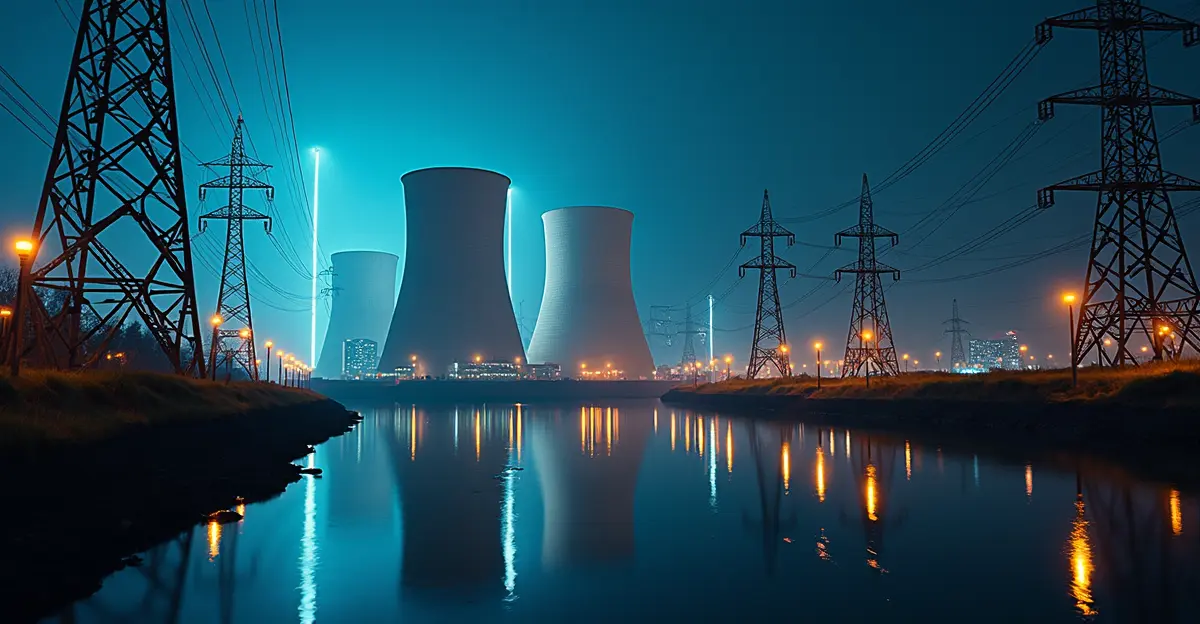
Microsoft has signed a landmark 20-year power purchase agreement with Constellation Energy to restart Three Mile Island Unit 1—renamed the Crane Clean Energy Center—adding 835 MW of zero-carbon nuclear power for data centers in Pennsylvania, Chicago, Virginia, and Ohio. The plant, shut down in 2019 due to operating losses, will receive $1.6 billion in refurbishment costs, with a $1 billion federal loan approved in November 2025 accelerating the restart from 2028 to 2027. This marks one of three shuttered U.S. nuclear plants aiming to restart this decade, driven entirely by AI power demand.
Fuel Cells and Behind-the-Meter Solutions
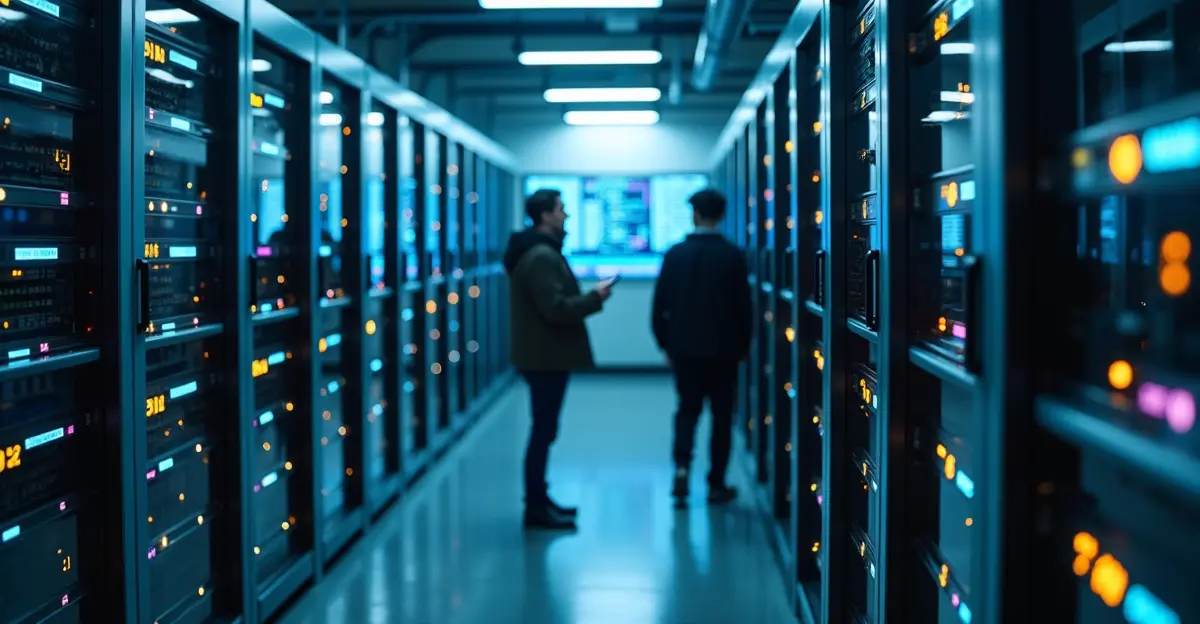
Bloom Energy has secured $7.65 billion in data center-related contracts in early 2026, deploying Solid Oxide Fuel Cells (SOFCs) as a primary power solution. Key deals include a $2.65 billion, 20-year offtake agreement with American Electric Power (AEP) for up to 1 GW of SOFC capacity, a $5 billion financing partnership with Brookfield, and a master services agreement with Oracle for up to 2.8 GW of SOFC systems. Bloom's modular Energy Servers start at 20 MW and scale beyond 500 MW, achieving 99.999% uptime. Onsite SOFC builds take about 90 days versus 18–24 months for new grid hookups, making them an attractive alternative. Nearly one in three U.S. data centers plan to go fully off-grid by 2030, according to Bloom's 2026 Data Center Power Report.
Impact on Energy Markets and Utility Rates
The AI power crunch is reshaping energy markets. PJM Interconnection's latest capacity auction for the 2026/2027 delivery year resulted in record-high prices of $329.17/MW-day—a 22% increase from the prior auction and a nearly tenfold spike from historical levels. Total procurement costs reached $16.1 billion. PJM's forecasted peak load rose to 159,329 MW, driven primarily by data center expansion, electrification, and economic growth. The cleared volume barely exceeded the reliability requirement by just 139 MW, signaling an extremely tight supply-demand balance.
Utilities are requesting record rate hikes. AEP Ohio, facing a pipeline that surged past 30 GW before being slashed to 13 GW, implemented a new Data Center Tariff requiring large customers to pay for at least 85% of subscribed capacity, even if unused. The utility rate design for data centers is becoming a major policy battleground, with state legislators pushing for ratepayer protections to prevent regular customers from subsidizing Big Tech's AI build-out. The NRDC warns families could face an extra $70 per month in electricity costs over time.
Community Opposition and Policy Responses
Communities are blocking new data center connections. In Ohio, AEP instituted a moratorium on new Central Ohio data center agreements while regulators considered new rules. States like Texas, Ohio, and West Virginia are adopting different strategies, including certified microgrid districts that bypass interconnection queues entirely. ERCOT's large-load interconnection queue surged from 63 GW to 226 GW in a single year, reflecting the massive scale of demand.
Goldman Sachs analysis warns that data center demand will boost core inflation by 0.1% in 2026–2027. The growing crisis is driven by power grid bottlenecks, electrical component shortages, Chinese tariff impacts, and community opposition, resulting in the widest gap on record between announced AI capital expenditure and energized megawatts. Alphabet, Amazon, Meta, and Microsoft remain on track to spend over $650 billion on AI infrastructure in 2026, yet nearly half of all planned U.S. AI data centers have been canceled or delayed, creating a 7 GW capacity gap.
Expert Perspectives
"The bottleneck for AI infrastructure is no longer silicon or real estate—it is the electrical grid," said a senior energy analyst at a major consulting firm. "We are seeing a fundamental shift from grid reliance toward on-site power generation that will reshape the energy industry for decades."
"The 20-year deal length between Microsoft and Constellation signals how critical baseload nuclear power has become for big tech's AI ambitions," noted a utility sector specialist. "Nuclear restarts, fuel cells, and natural gas peakers are all being deployed at unprecedented scale because the grid simply cannot keep up."
Frequently Asked Questions
How much energy will AI data centers consume in 2026?
AI data centers are projected to consume up to 1,000 TWh globally in 2026, roughly equivalent to Japan's total electricity consumption. This represents a doubling from 2024 levels.
Why are data center power demands so high?
Individual AI server racks now demand 100+ kW compared to 5–15 kW for traditional servers. NVIDIA's GB200 racks draw 132 kW, and Cerebras systems reach 180 kW, driven by the massive computational requirements of training and running large language models.
What is Three Mile Island Unit 1 restart?
Microsoft signed a 20-year PPA with Constellation Energy to restart Three Mile Island Unit 1 (renamed Crane Clean Energy Center), adding 835 MW of nuclear power for data centers. The plant is expected to return to service in 2027.
How are data centers bypassing grid constraints?
Hyperscalers are deploying on-site power generation via natural gas, nuclear, and fuel cells. Bloom Energy's solid oxide fuel cells can be deployed in 90 days versus 18–24 months for grid connections, and nearly one in three U.S. data centers plan to go fully off-grid by 2030.
Will AI data centers increase my electricity bill?
Yes. PJM capacity prices have spiked tenfold, and utilities are requesting record rate hikes. The NRDC warns families could pay an extra $70 per month over time as grid upgrade costs are passed to ratepayers.
Conclusion and Future Outlook
The AI power crunch of 2026 is not a temporary phenomenon but a structural shift in global energy markets. As AI workloads continue to expand, the tension between hyperscaler demand and grid capacity will intensify. The future of AI infrastructure investment will increasingly depend on innovative power solutions, regulatory reform, and community engagement. The defining energy-security story of 2026 is only the beginning of a transformation that will reshape how we generate, distribute, and consume electricity for decades to come.

Follow Discussion