


 Deutsch
 English
 Español
 Français
 Nederlands
 Português


 Share
Share




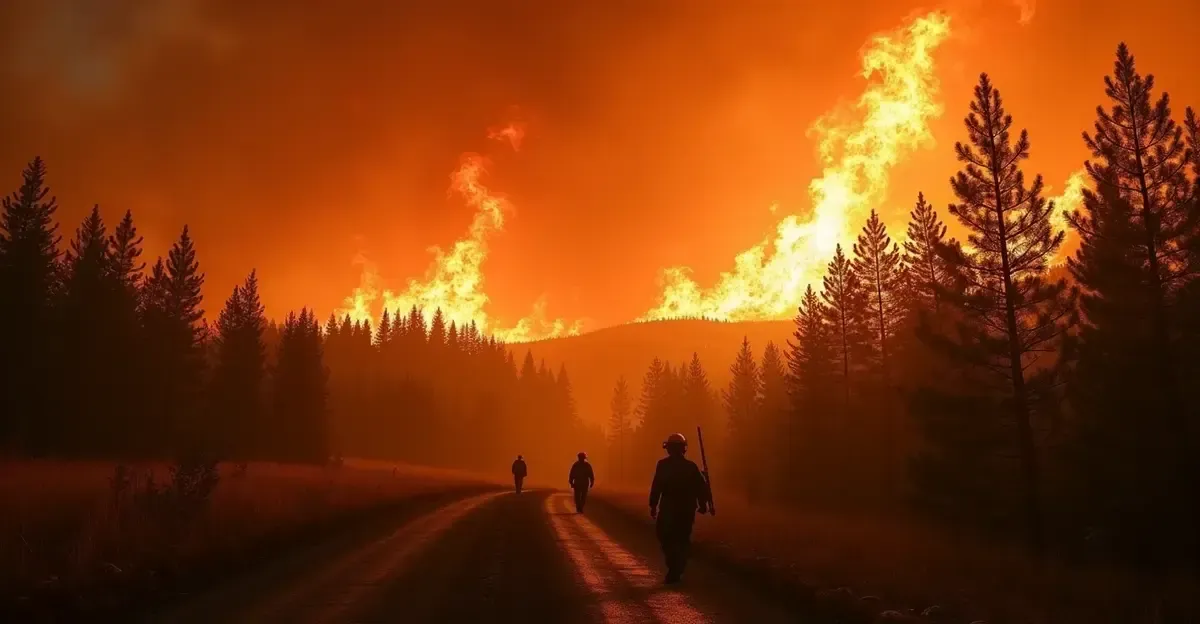
A new wildfire near Perpignan in southern France has scorched 1,350 hectares of land, while a major blaze on Spain's Costa Brava is now under control after forcing the evacuation of thousands. The fires are the latest in a series of devastating wildfires across Southern Europe in 2026, fueled by a historic heatwave and drought conditions that have turned the Mediterranean region into a tinderbox.
Context: Europe's 2026 Heatwave and Fire Season
The summer of 2026 has brought record-breaking temperatures to Europe. In late June, the Czech Republic, Germany, and Poland set new all-time highs of 41.9°C, 41.7°C, and 40.5°C respectively. France reported over 1,000 excess deaths during the heatwave, mostly among the elderly. These extreme conditions, which scientists say would be "virtually impossible" without human-caused climate change, have created ideal conditions for wildfires to ignite and spread rapidly. The 2026 European heatwave has been described as the worst on record, with temperatures expected to climb again in early July across France, Spain, Italy, and Germany.
New Wildfire Near Perpignan, France
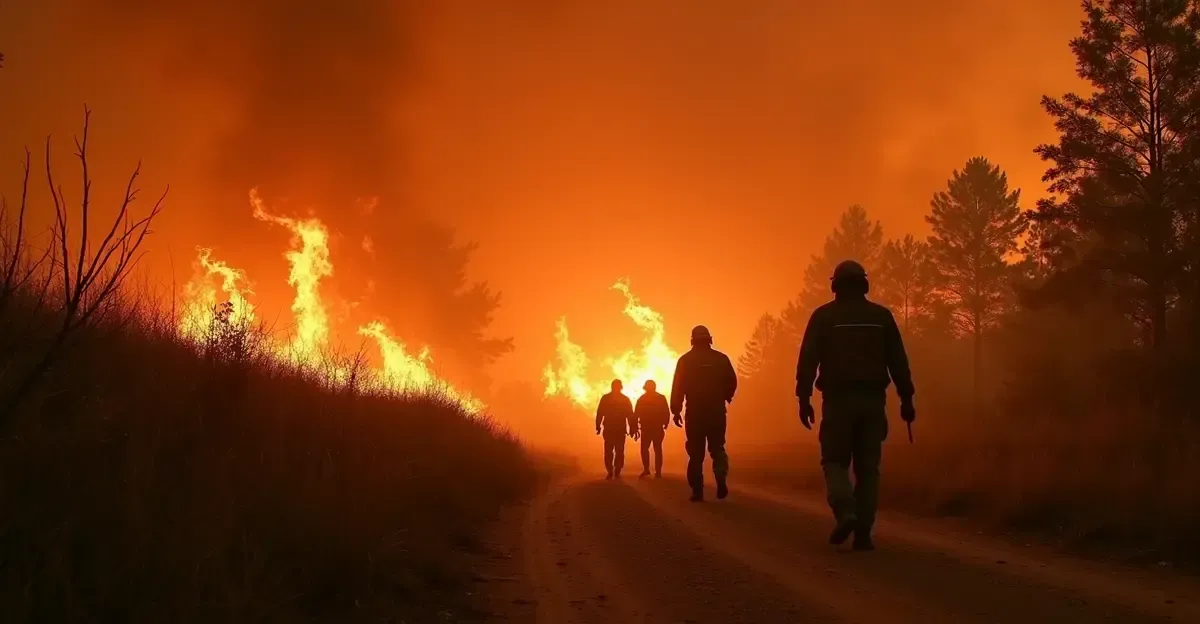
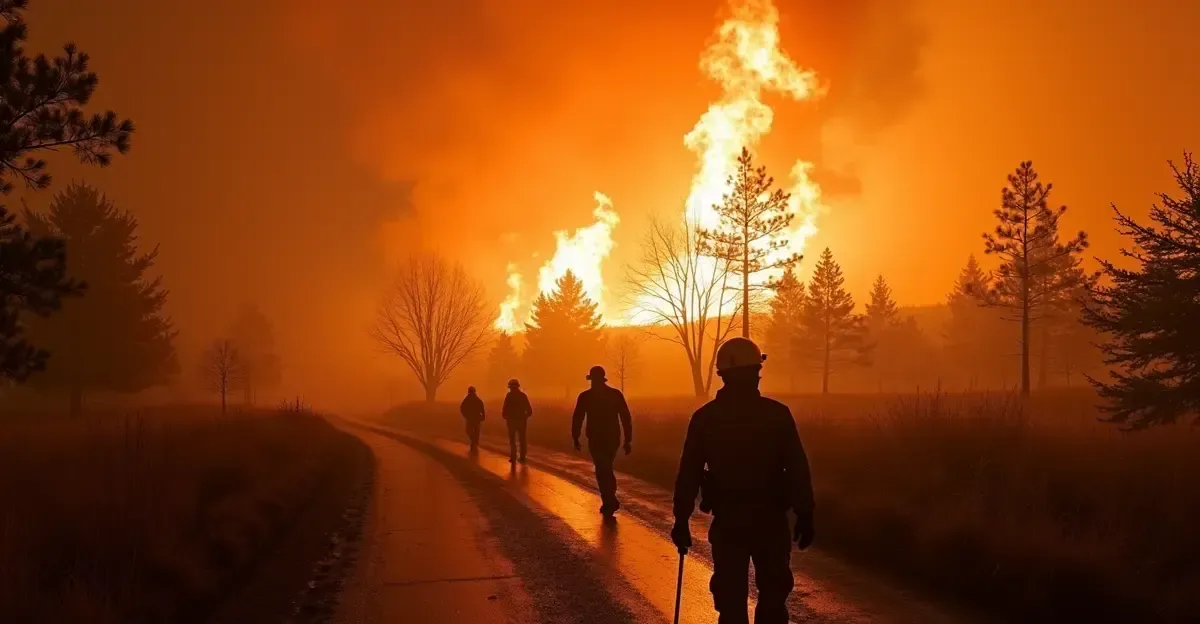
A new wildfire broke out on the evening of July 4, 2026, approximately 35 kilometers from the city of Perpignan in the commune of Trévillach, located in the Pyrénées-Orientales department. The fire has already consumed 1,350 hectares of mountainous, hard-to-reach terrain. Hundreds of firefighters have been deployed to battle the flames, according to France Info. The highest administrative authority of the Pyrénées-Orientales department has urged the public to avoid the area to allow emergency services to operate. Several roads have been closed, though no evacuation order has been issued yet.
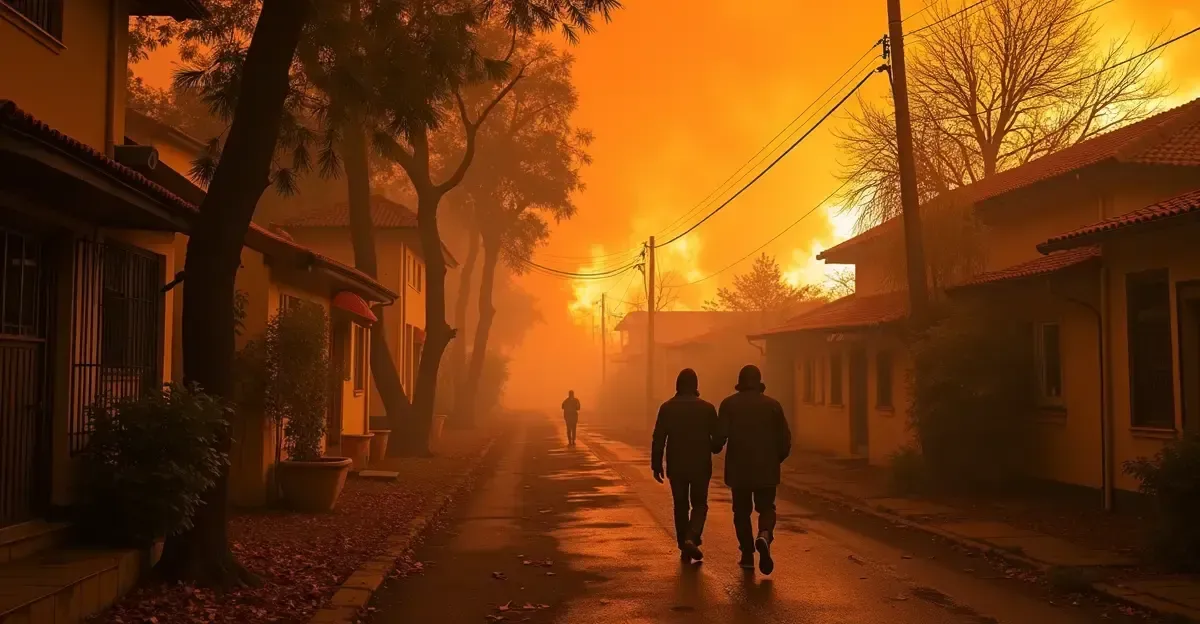
Temperatures in southern France are expected to reach up to 38°C on July 5 and 6. Seven departments, including Pyrénées-Orientales, remain under an orange heat alert. Earlier in the week, on July 2, wildfires near the coastal towns of Sainte-Marie-la-Mer and Canet-en-Roussillon forced the evacuation of approximately 3,000 people, many of whom were staying at campsites. Those fires destroyed parts of camping complexes Le Brasilia and Homair-La Marina, but no injuries were reported.
Costa Brava Fire Under Control
On the Spanish side of the Pyrenees, the wildfire near La Bisbal d'Empordà on the Costa Brava has been brought under control as of the evening of July 4, according to the Spanish fire service speaking to RTVE. The fire, which had been burning since Friday, July 3, devastated 2,400 hectares of land. Fanned by strong winds, it spread to neighboring areas, prompting a lockdown order affecting some 45,000 people. By the morning of July 5, that number had been reduced to 16,000, and all residents have since been allowed to return home.
Authorities expect the fire to be fully extinguished within a few days, though a fire service spokesperson cautioned that "the fire is not spreading, but it is still difficult to control." The blaze is suspected to have been caused by a man using an angle grinder along a roadside, which is prohibited during the dry season due to the risk of sparks. The man has been arrested and brought before a judge. The local government president has vowed to investigate the incident thoroughly.
Wildfires Across the Mediterranean
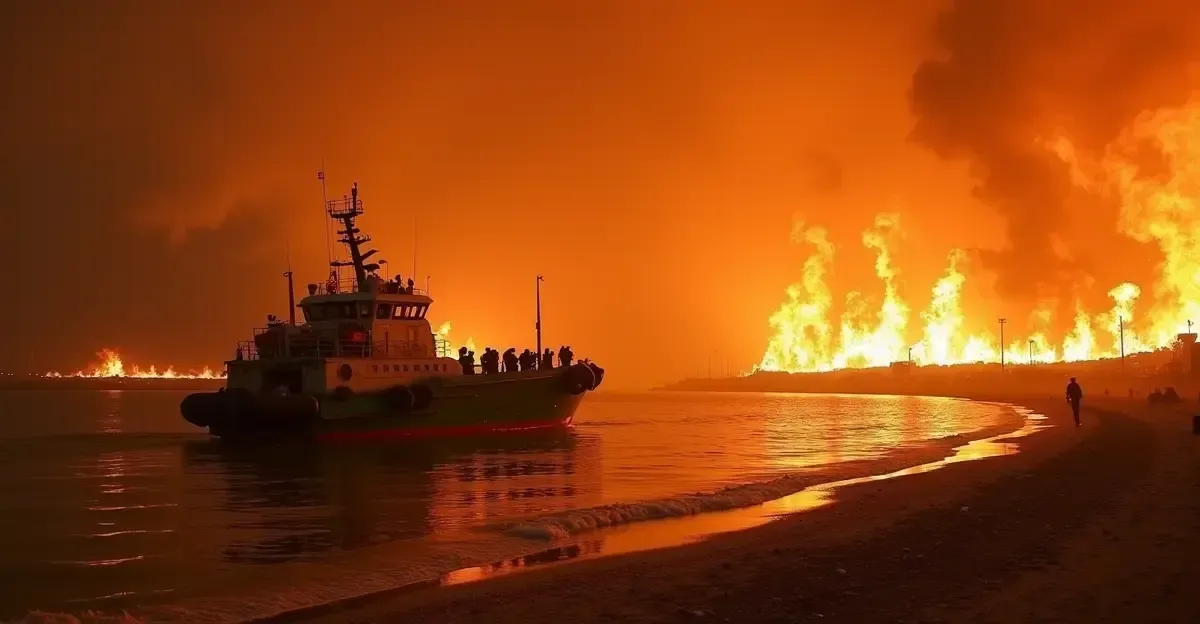
The fires in France and Spain are part of a broader pattern of wildfire activity across Southern Europe. In Portugal, a large forest fire has been burning for four days in the municipality of Vouzela, south of Porto, injuring at least seven people. Spanish firefighting units have been assisting Portuguese crews. In Greece, a wildfire broke out northeast of Thessaloniki in a ravine in the mountainous area, threatening three small suburbs. Residents were ordered to evacuate, but the fire is now reported to be under control, according to Greek media. Police have arrested a 76-year-old man suspected of starting the fire; a fire service spokesperson said the man "did not appear sober" at the time of arrest. A furniture factory on the outskirts of the city was completely destroyed. These incidents highlight the growing Mediterranean wildfire crisis that experts link to climate change.
According to the European Forest Fire Information System (EFFIS), Spain alone saw 400,000 hectares of land destroyed by wildfires in 2025. The 2026 season is shaping up to be even more severe, with early-season heatwaves and drought conditions priming landscapes for large-scale fires.
Impact and Implications
The human and environmental toll of these wildfires is significant. Thousands have been evacuated, homes and businesses destroyed, and vast areas of forest and farmland reduced to ash. The economic cost runs into millions of euros, and the health impacts from smoke inhalation are a growing concern. The fires also release massive amounts of CO2, contributing to a feedback loop that exacerbates climate change.
Scientists warn that without urgent action to reduce greenhouse gas emissions, the Mediterranean region will face increasingly severe wildfire seasons. A 2026 study published in npj Natural Hazards found that megafires (over 10,000 hectares) are linked to unusually warm nights, strong winds, and multi-month drought—conditions that are becoming more common due to climate change. Another study in Scientific Reports showed that human exposure to wildfires in Catalonia has increased by 42–138% per unit of burned area over the past three decades, driven by urban expansion into fire-prone areas.
As the climate change and wildfire link becomes clearer, European governments are being urged to invest in better forest management, early warning systems, and cross-border firefighting cooperation. The EU's Copernicus Emergency Management Service continues to provide real-time satellite data to help coordinate responses.
Frequently Asked Questions
What caused the Costa Brava wildfire?
The fire is suspected to have been started by a man using an angle grinder, which produced sparks in dry conditions. He has been arrested.
How many people were evacuated in France and Spain?
Around 3,000 people were evacuated from campsites near Perpignan, France, and up to 45,000 were placed under lockdown in the Costa Brava region of Spain.
Are the 2026 wildfires linked to climate change?
Yes, scientists confirm that the record-breaking heatwave and drought conditions that fueled these wildfires are made more likely and more intense by human-caused climate change.
What is being done to prevent future wildfires?
Authorities are improving forest management, enforcing bans on spark-producing activities during dry seasons, and enhancing cross-border firefighting cooperation.
Where else are wildfires burning in Europe?
In addition to France and Spain, large wildfires are also burning in Portugal and Greece as of early July 2026.
Follow Discussion