


 Deutsch
 English
 Español
 Français
 Nederlands
 Português


 Share
Share




Massive Wildfires Rage in Southern France
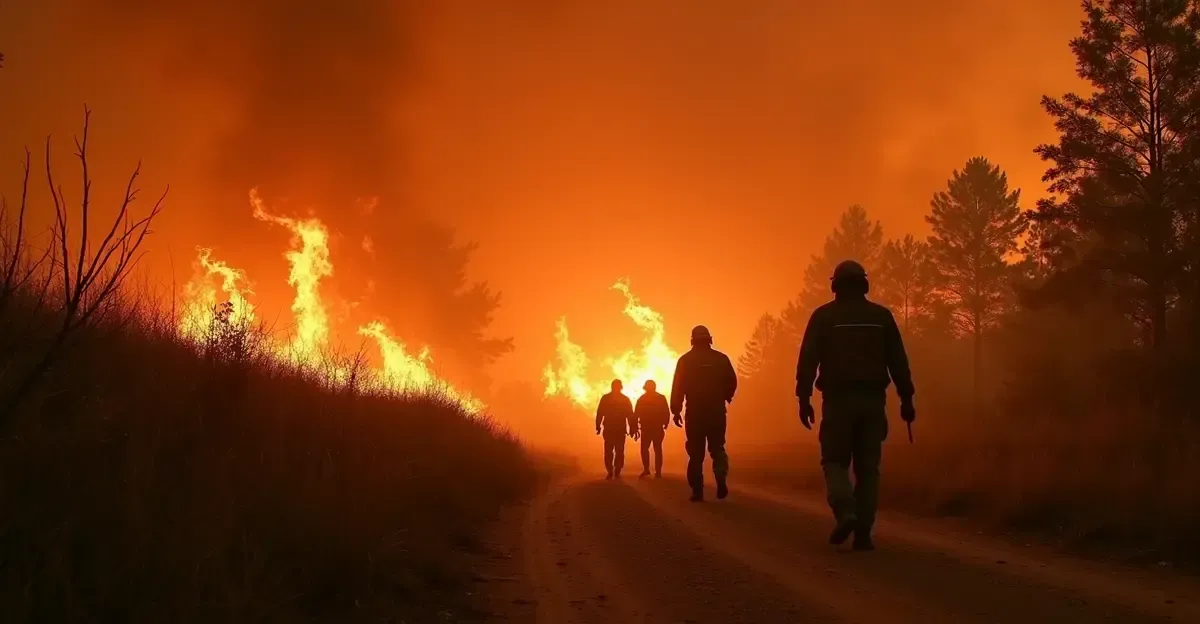
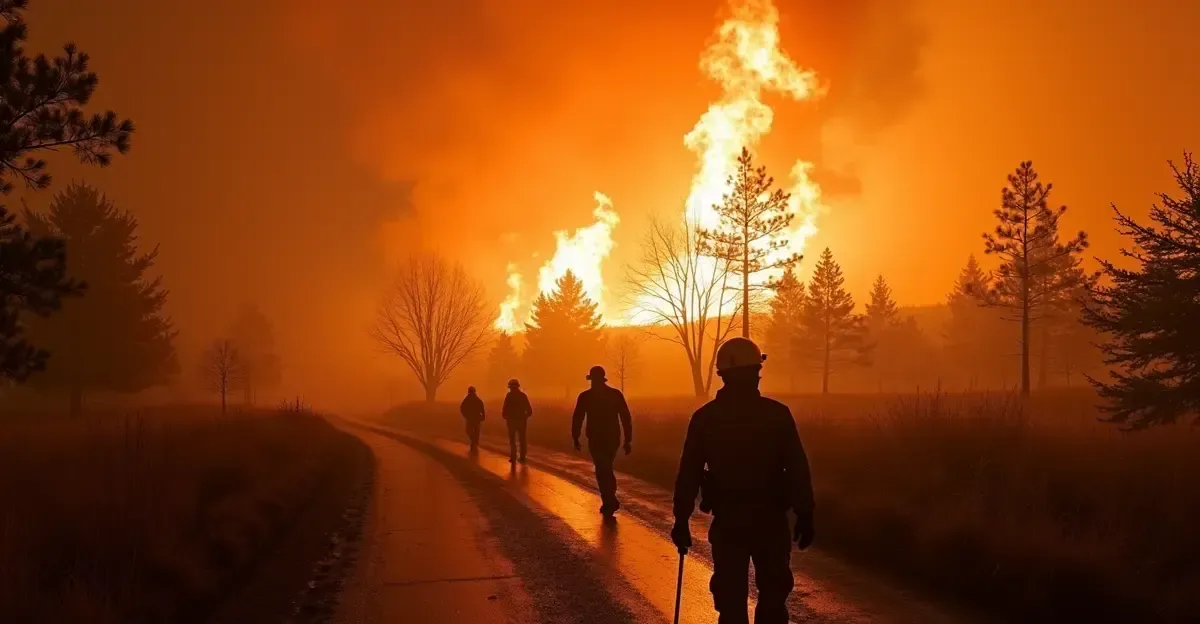
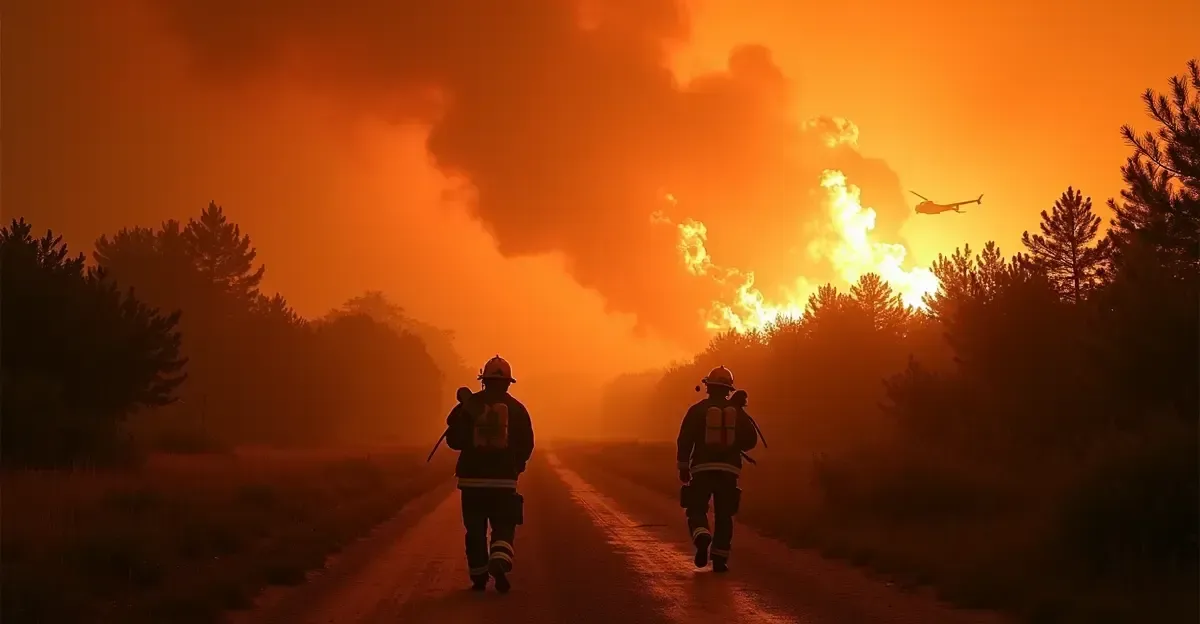
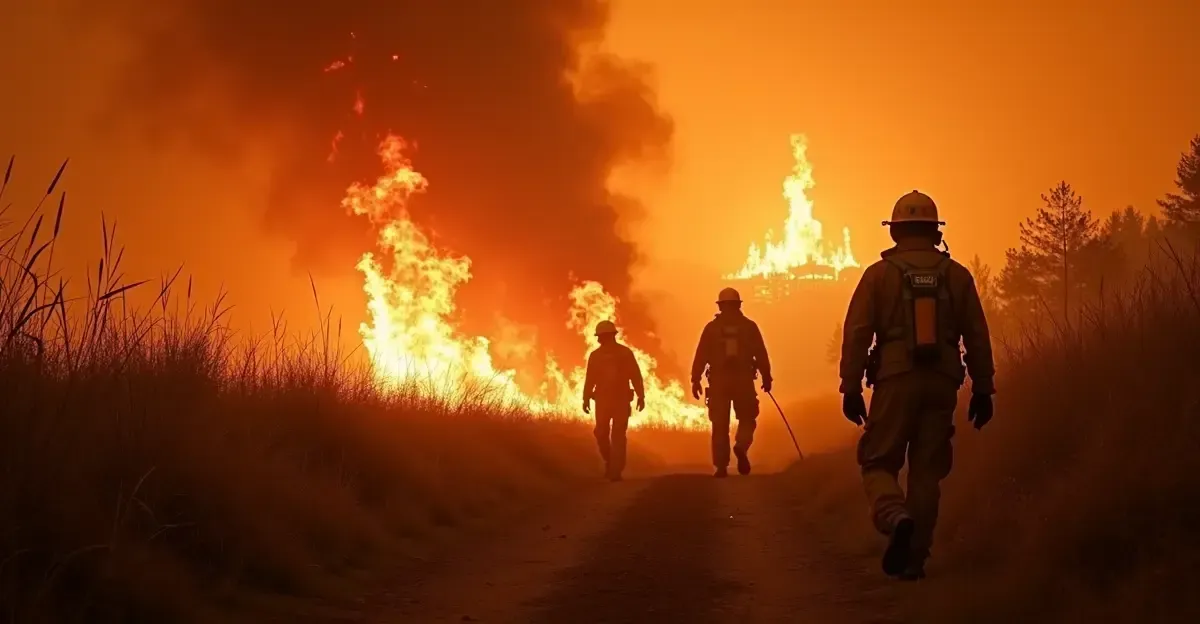
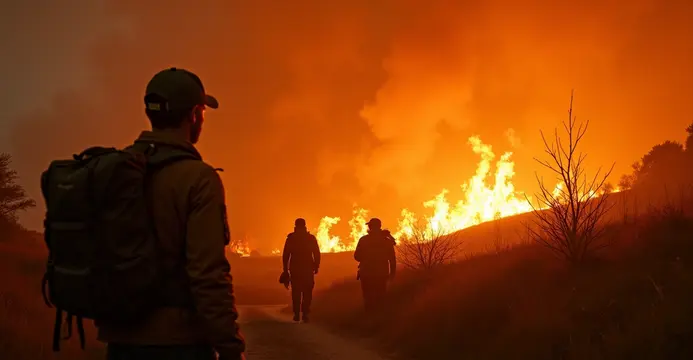
Devastating wildfires in the Pyrénées-Orientales department of southern France have forced the evacuation of approximately 10,000 residents and destroyed over 4,500 hectares of land as of July 6, 2026. The blazes, fueled by a historic heatwave and severe drought conditions, have prompted an unprecedented emergency response involving more than 700 firefighters on the ground and aerial support from Canadair water-bombing aircraft. Interior Minister Laurent Nuñez described the situation as "very difficult" and confirmed that five people have been injured, including two firefighters.
The main fire near the town of Trévillach, about 35 kilometers from Perpignan, has been burning since the evening of July 5. The mountainous terrain has made access extremely challenging for emergency crews. Météo-France has placed seven southern départements — Pyrénées-Orientales, Aude, Hérault, Gard, Bouches-du-Rhône, Vaucluse, and Drôme — on red alert for wildfire risk, the highest warning level.
Heatwave and Drought Create Tinderbox Conditions
The wildfires are the latest manifestation of a severe European heatwave that has pushed temperatures above 40°C in many parts of southern France. According to Météo-France, the region has experienced three heatwaves already this summer, with the June heatwave alone causing a nearly 30% increase in excess deaths nationwide. The combination of record-breaking temperatures, low humidity, and strong tramontane winds exceeding 80 km/h has created ideal conditions for fire spread.
Nuñez noted that the 2026 fire season started a full month earlier than usual, with 11,000 hectares already burned across France by early July — nearly double the 5,700 hectares recorded at the same time in 2025. Scientists from the European Forest Fire Information System (EFFIS) have linked the extreme conditions to human-caused climate change, warning that the Mediterranean region faces increasingly severe wildfire seasons without urgent emissions reductions. The climate change impact on wildfires is becoming impossible to ignore as each successive summer breaks previous records.
Evacuations and Emergency Response
Evacuations began overnight from July 5 to 6, with local authorities setting up temporary shelters for displaced residents. The French government mobilized 3,000 firefighters nationwide to combat multiple active blazes. In addition to the main fire in Pyrénées-Orientales, separate fires have burned in the Gard, Hérault, and Drôme departments. A fire near Fréjus in the Var department forced the evacuation of 2,200 people earlier in the week, and camping complexes near Canet-en-Roussillon and Sainte-Marie-la-Mer were partially destroyed.
Romanian firefighters stationed in France under a European Union civil protection agreement have been deployed to assist, highlighting the growing need for cross-border cooperation in disaster response. The European Commission's Copernicus Emergency Management Service has been providing satellite imagery to support firefighting coordination.
Tour de France Stage 3 Scaled Back
The third stage of the Tour de France, which finishes in the mountain resort of Les Angles in the Pyrénées-Orientales on July 6, has been severely impacted by the wildfires. Race organizers, in coordination with local authorities, announced that the stage will proceed but without spectators along the route or at the finish line. The promotional caravan has been canceled, and non-essential vehicles have been barred from the race convoy. Tour director Christian Prudhomme stated: "An exceptional fire calls for exceptional measures for the Tour."
The stage, covering 195.9 kilometers from Granollers in Spain to Les Angles, finishes approximately 80 kilometers from the main fire zone. While the route itself is not threatened, authorities have closed a key mountain pass providing access to the race, and all available emergency services are focused on firefighting rather than event logistics. The decision reflects the severity of the crisis and the priority given to protecting lives and property. The Tour de France wildfire disruptions underscore how climate-related disasters are increasingly intersecting with major sporting events across Europe.
Broader Mediterranean Fire Crisis
The French fires are part of a wider pattern of devastating wildfires across southern Europe. In Spain's Costa Brava region, a separate blaze burned 2,400 hectares and placed approximately 45,000 people under lockdown before being brought under control. That fire is suspected to have been started by a man using an angle grinder, who was subsequently arrested. In Portugal, 30,000 hectares burned near Vouzela, requiring 1,200 firefighters, while in Greece, fires near Thessaloniki and Athens damaged homes and businesses.
Colonel Eric Belgioino of the French fire service warned: "Climate change is here, we are living the consequences and it is only the start of July." The European Union has called for enhanced forest management strategies and greater investment in firefighting resources, as the 2026 wildfire season threatens to surpass the devastation of 2025. The Mediterranean wildfire crisis 2026 is a stark reminder of the accelerating impacts of global warming on vulnerable regions.
FAQ: France Wildfires July 2026
What caused the wildfires in southern France?
The fires were fueled by a combination of extreme heatwave conditions (temperatures exceeding 40°C), prolonged drought, and strong winds. Human activity is suspected as the ignition source for some fires, including equipment use. Climate change has made such extreme weather events more frequent and intense.
How many people have been evacuated?
Approximately 10,000 people have been evacuated from the Pyrénées-Orientales department alone. Additional evacuations have occurred in the Gard, Hérault, Var, and Drôme departments.
How much land has been burned?
The main fire in Pyrénées-Orientales has destroyed around 4,500 hectares. Across France, more than 11,000 hectares have burned since the start of the 2026 fire season.
Is the Tour de France still happening?
Yes, Stage 3 is proceeding but without spectators along the route or at the finish line. The promotional caravan has been canceled, and only essential race vehicles are allowed.
What is being done to fight the fires?
Over 700 firefighters are battling the main blaze, with 3,000 mobilized nationwide. Water-bombing aircraft, including Canadair planes, are providing aerial support. Romanian firefighters have been deployed under an EU agreement.
Follow Discussion