


 Deutsch
 English
 Español
 Français
 Nederlands
 Português


 Share
Share




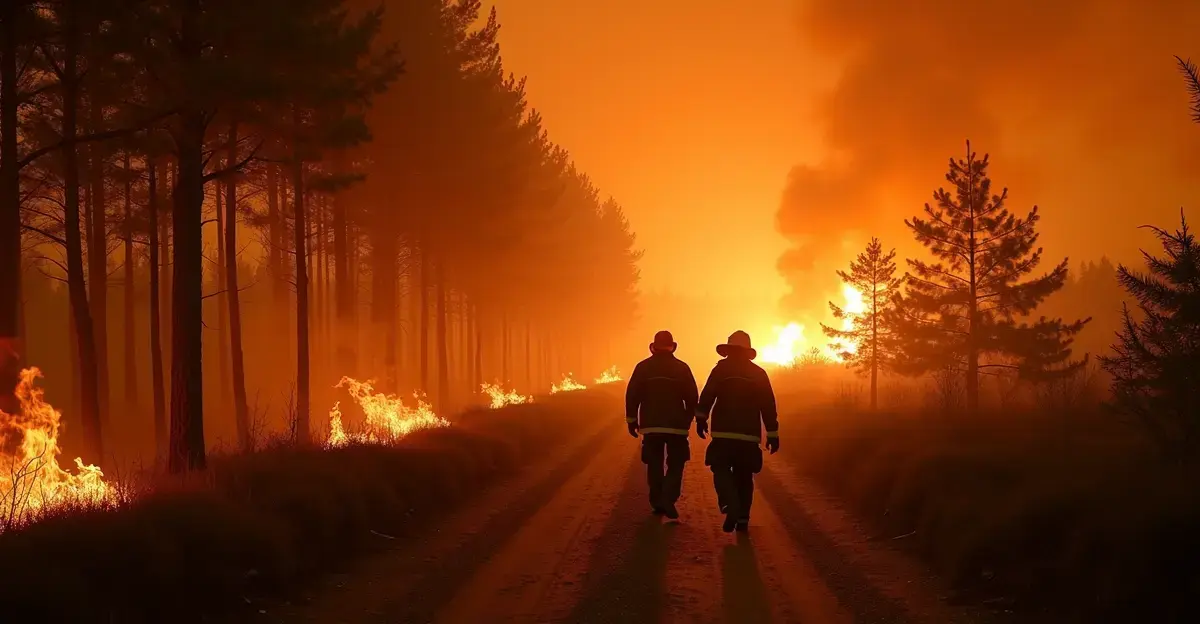
Devastating wildfires swept through Southern France on July 2, 2026, forcing the evacuation of over 1,000 people from multiple campsites in the Pyrénées-Orientales department. The blazes, fueled by a severe heatwave and strong tramontane winds exceeding 80 km/h, destroyed large parts of the popular camping complexes Le Brasilia and Homair-La Marina in Canet-en-Roussillon, as well as a campsite in neighboring Sainte-Marie-de-la-Mer. No injuries have been reported, but the fires remain out of control as of late Thursday afternoon.
Emergency Response and Evacuations
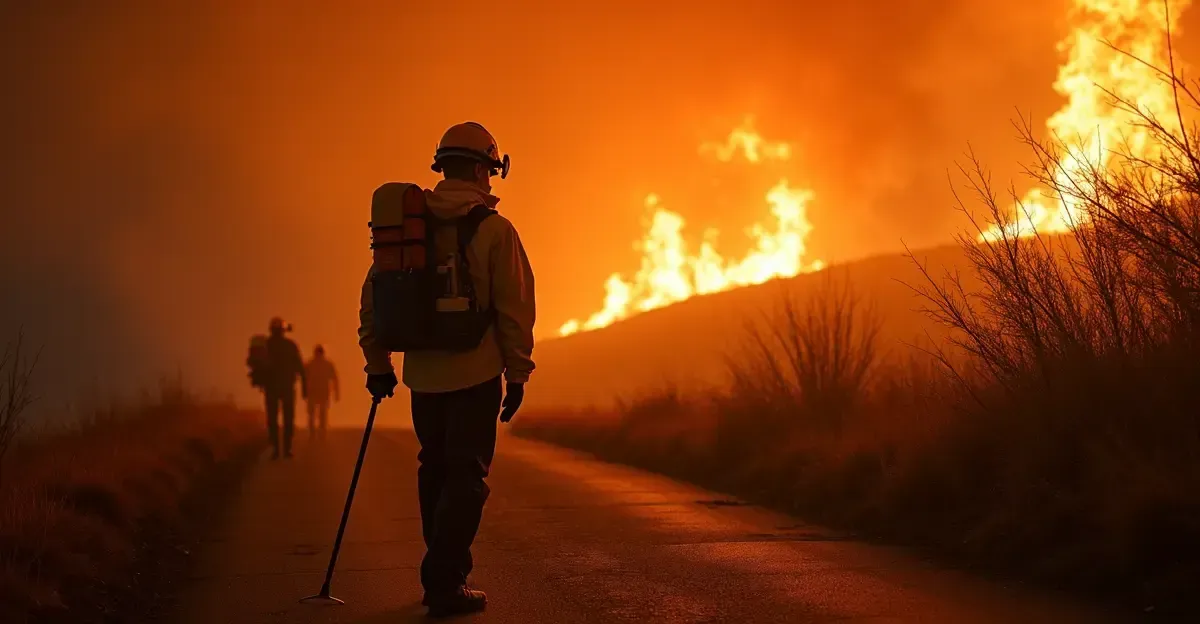
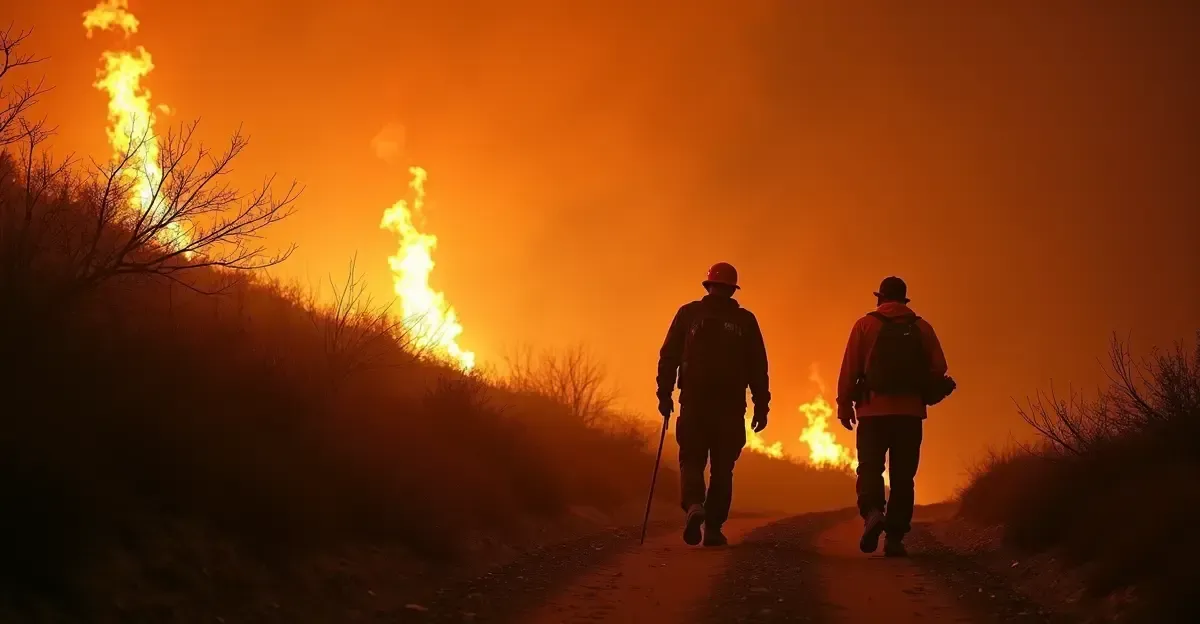
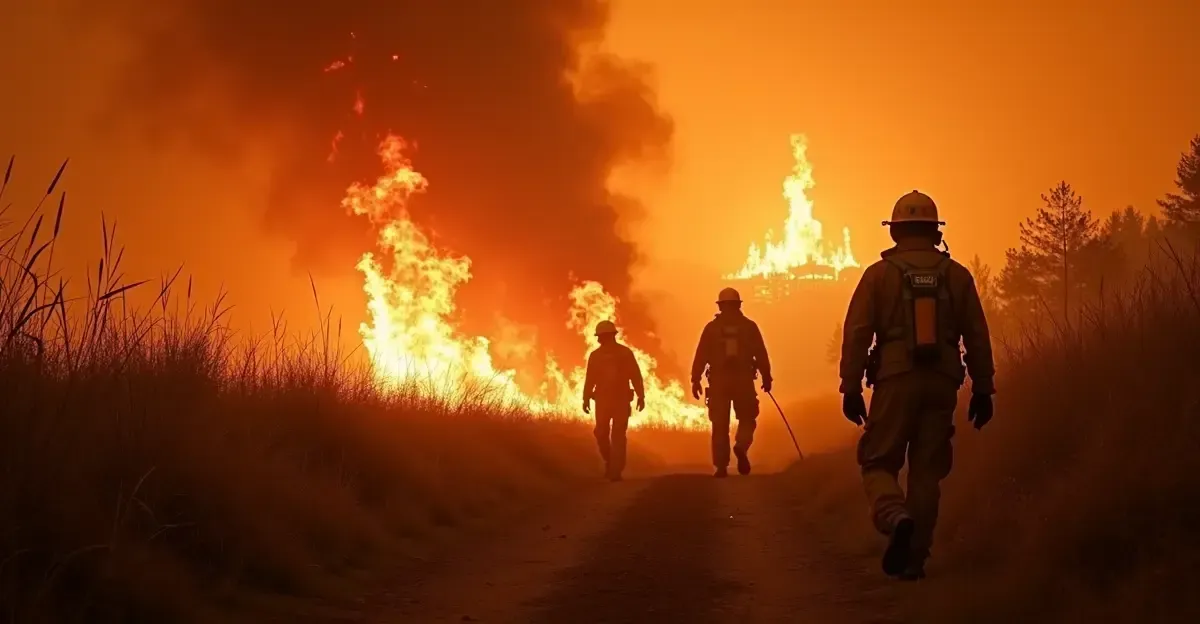
Local authorities mobilized 215 firefighters, 35 fire engines, and multiple aircraft, including Canadair water bombers, a Dash plane, and a helicopter, to combat the flames. The evacuations began around 2:00 PM local time, with residents and tourists fleeing the affected areas. Witnesses described the scene as apocalyptic, with smoke plumes visible for kilometers. The European heatwave crisis has heightened fire risks across the continent.
Evacuees were transported by bus to reception centers in Sainte-Marie-la-Mer and Torreilles, with many arriving in swimwear and without shoes. The local government confirmed that the campsites Le Brasilia and Homair-La Marina were heavily damaged, with mobile homes and vehicles destroyed. The fire also threatened the port area and the Catana boatyard, where 250 employees were evacuated.
Impact on Infrastructure and Transport
The wildfires forced the closure of several beaches in Canet-en-Roussillon, with authorities urging the public not to swim due to the closure of rescue stations. The Perpignan airport canceled multiple flights as smoke reduced visibility. The RD81 road between Canet-en-Roussillon and Saint-Laurent-de-la-Salanque was closed to traffic. The fires also jumped the Têt river, spreading rapidly due to the dry vegetation and wind conditions.
In the broader region, fires also raged in the departments of Aude, Hérault, and Var. In the Var region near Fréjus, 2,200 residents were evacuated as a precaution. Over 750 rescue personnel were deployed across southern France, with red forest fire alerts active in several areas. The impact of climate change on wildfires has been a growing concern for French authorities.
Heatwave and Fire Risk
The wildfires come amid a historic heatwave affecting much of Europe. France is experiencing its third heatwave of the summer, with temperatures soaring above 40°C in some regions. The combination of extreme heat, drought, and strong winds has created ideal conditions for wildfires to ignite and spread rapidly. Scientists have linked the increasing frequency and intensity of such events to climate change, with southern Europe becoming a hotspot for summer wildfires.
Local officials have called for the utmost vigilance and urged residents to avoid unnecessary use of emergency services. The prefect of Pyrénées-Orientales described the situation as highly unfavorable, noting that the wind was pushing the fire southeast toward the port area. The 2026 European summer heatwave has already broken several temperature records.
International Context and Assistance
France has activated its civil security mechanisms to coordinate firefighting efforts. The European Union's Copernicus satellite system is monitoring the fires, and neighboring countries have offered assistance. The fires highlight the growing need for international cooperation in disaster response, as climate change increases the frequency of extreme weather events.
Frequently Asked Questions
How many people were evacuated?
More than 1,000 people were evacuated from three campsites in the Pyrénées-Orientales region, with some reports indicating up to 2,000 people including employees from nearby businesses.
Were there any casualties?
No injuries or fatalities have been reported as of July 2, 2026.
What caused the wildfires?
The fires were fueled by a severe heatwave, drought conditions, and strong tramontane winds. The exact ignition source is still under investigation.
What is being done to fight the fires?
Over 215 firefighters, 35 vehicles, and multiple aircraft, including Canadair water bombers and helicopters, have been deployed. Road closures and beach restrictions are in place to support operations.
How can I help or stay informed?
Local authorities advise following official channels, avoiding affected areas, and not calling emergency services unnecessarily. Donations to relief organizations can be made through established charities.
Follow Discussion