


 Deutsch
 English
 Español
 Français
 Nederlands
 Português


 Share
Share




Massive Wildfire Forces Mass Evacuation in Southwest France
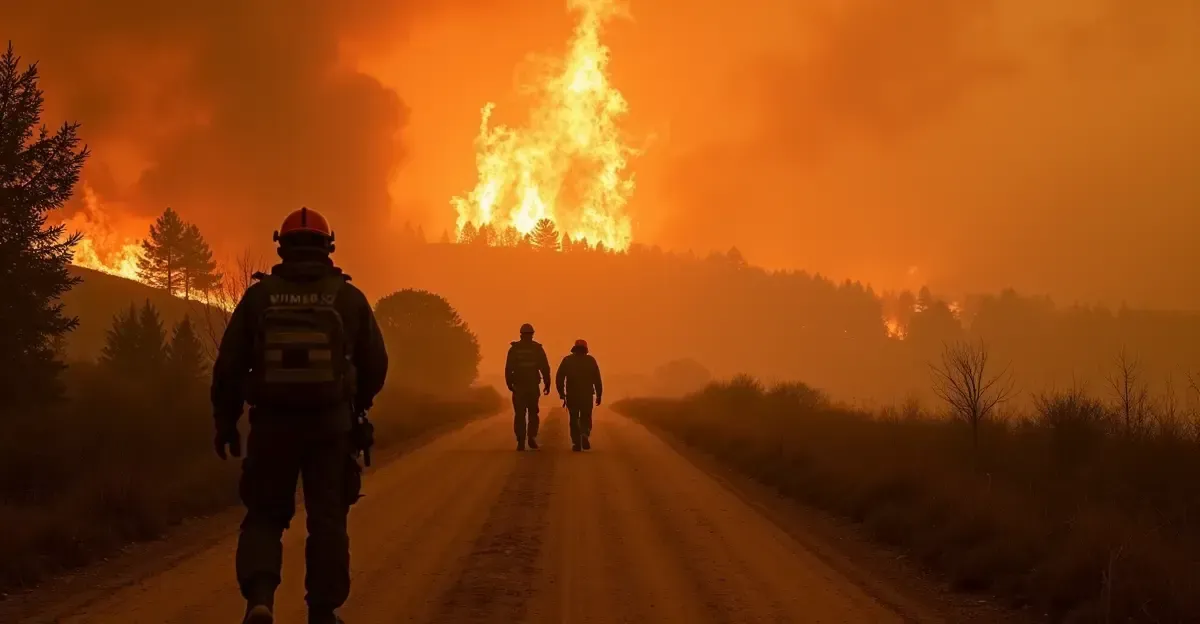
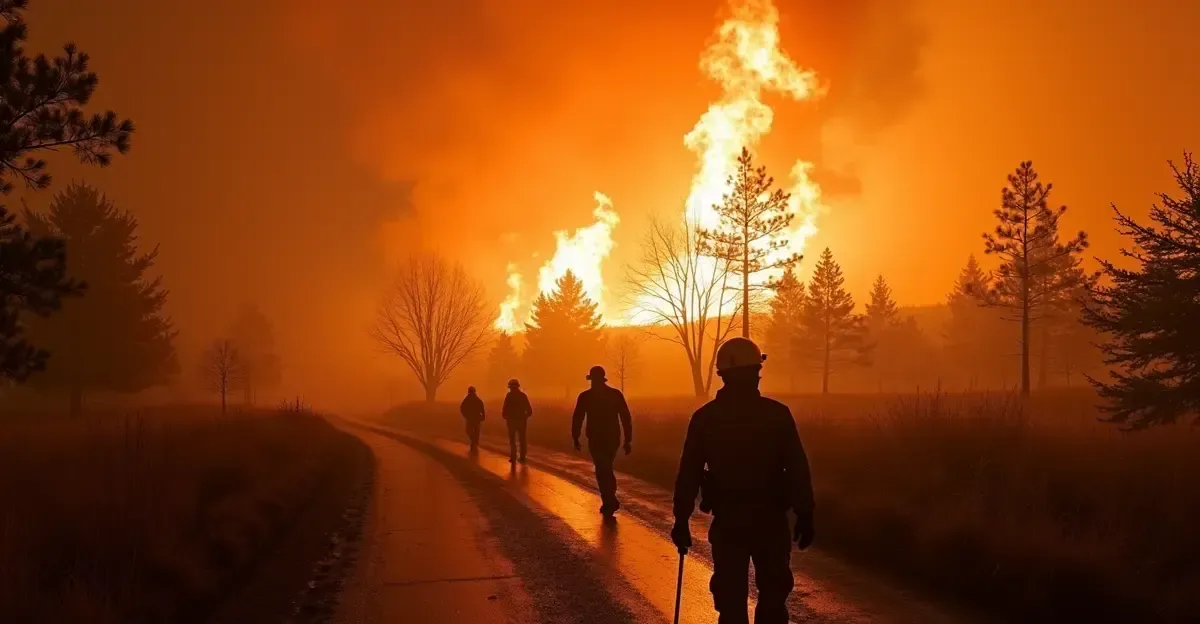
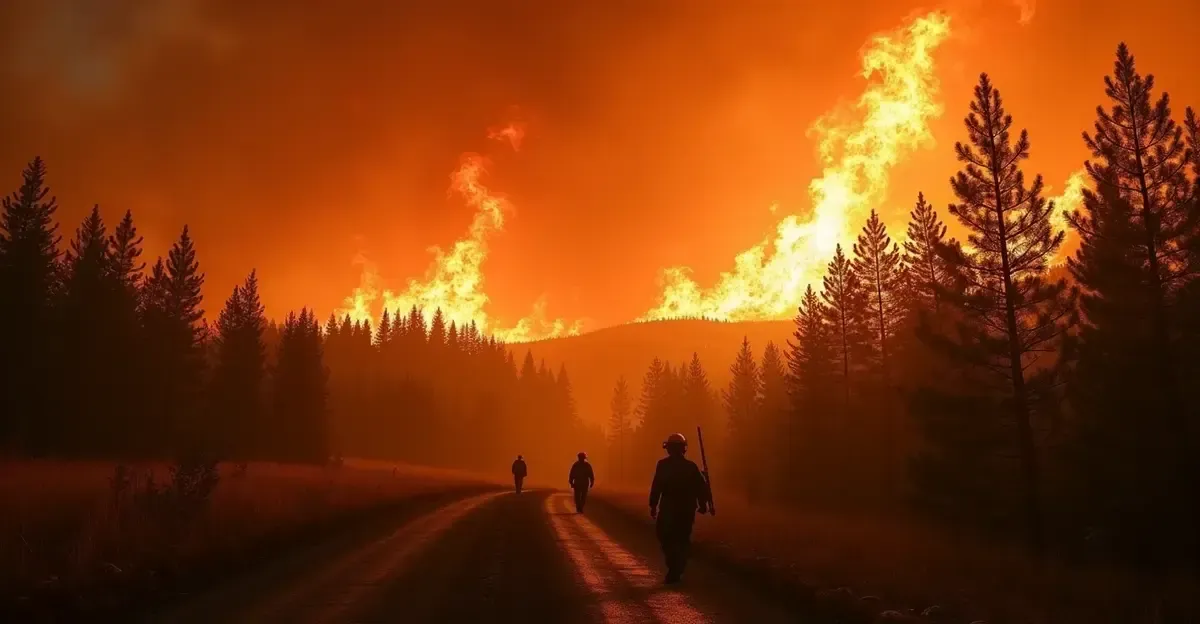
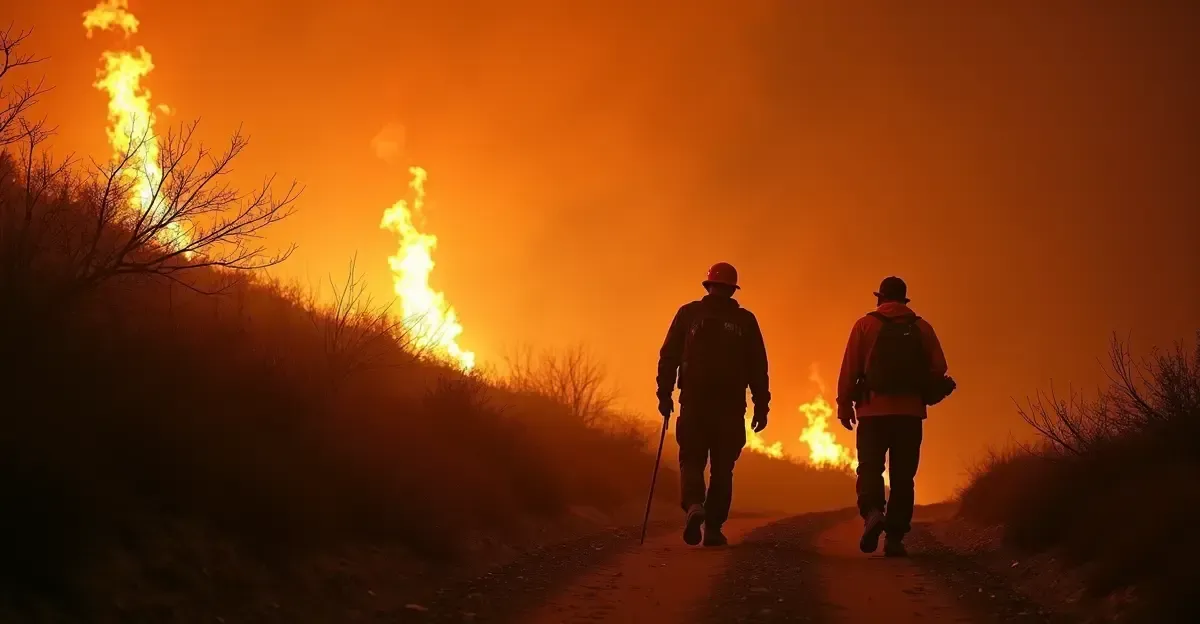
A rapidly spreading wildfire in the Gironde region of southwestern France has forced the evacuation of more than 20,000 people, including thousands of tourists, as flames consume thousands of hectares of pine forest near the popular Atlantic coast destination of Bassin d'Arcachon. The blaze, which began on July 22 near the village of Saumos, has already scorched over 4,800 hectares (48 km²) of the Landes de Gascogne forest, according to local authorities. No casualties have been reported among evacuees, but one firefighter was injured while battling the flames.
The wildfire is the latest in a devastating 2026 season that has seen France surpass 44,000 hectares burned — already exceeding the total for all of 2025 and approaching the all-time record of 66,300 hectares set in 2022. The 2026 European heatwave has created tinder-dry conditions across the continent, with scientists warning that climate change is intensifying both the frequency and severity of such disasters.
Context: A Record-Breaking Wildfire Season
France is experiencing one of its worst wildfire seasons on record in 2026. According to Interior Minister Laurent Nuñez, more than 12,500 fires have been recorded since the start of the year, burning 44,000 hectares — a figure that has already surpassed the 2025 total. The all-time annual record stands at 66,300 hectares from the devastating 2022 season.
The fires have been fueled by an unprecedented series of heatwaves. June 2026 was the hottest June on record for Western Europe, according to the World Meteorological Organization, and the second warmest globally. Temperatures in France reached 44.3°C (111.7°F) in Pissos on June 23, the hottest day since measurements began in 1947. The persistent drought and extreme heat have left forests across southern Europe dangerously dry.
In the Gironde department, authorities have placed the region under red alert for wildfires, banning all forestry work using internal combustion engines. The situation has been compounded by the tragic deaths of two firefighters earlier this week while battling a separate blaze near Bordeaux-Mérignac Airport.
How the Gironde Fire Unfolded
Origin and Rapid Spread
The fire broke out on Wednesday, July 22, in a pine forest near the village of Saumos, approximately 30 kilometers west of Bordeaux. Investigators believe the cause was accidental, likely sparked by a brush-clearing machine (a broyeuse) working on a forest track. The blaze quickly escalated due to dry vegetation, strong winds, and high temperatures, creating a convective fire that generated its own wind patterns.
Within hours, flames reached heights of up to 10 meters, advancing rapidly toward the coastal towns of Le Porge and Lège-Cap-Ferret on the Cap Ferret peninsula. By the morning of July 23, the burned area had expanded to 2,400 hectares, and by late afternoon it had grown to over 4,800 hectares — a sixfold increase in less than 48 hours.
Evacuation of Tourists and Residents
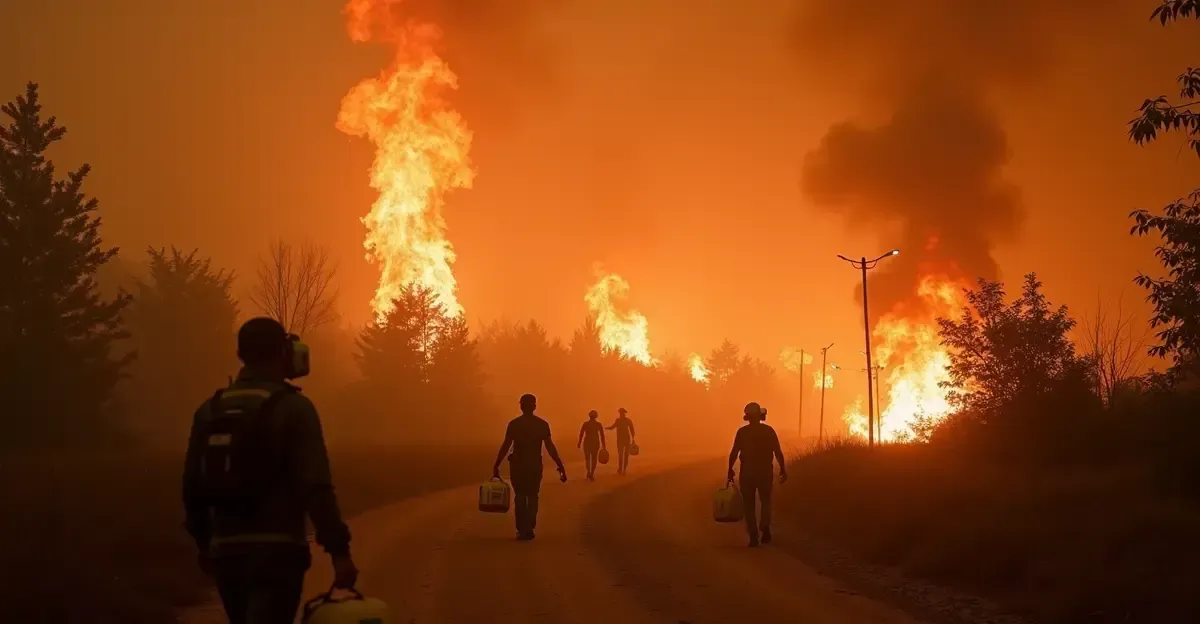
Authorities ordered the evacuation of approximately 12,000 people on the first day, primarily tourists staying at campsites and a naturist estate along the Atlantic coast. An additional 8,800 people were evacuated overnight from the village of Claouey, part of the Lège-Cap-Ferret municipality, bringing the total to over 20,000. The Cap Ferret peninsula has been inaccessible since 2:00 AM on July 23, with all secondary roads (D3, D107, D5E4) closed. The only main artery, the D106, remains open but is under heavy traffic management.
Local officials activated contingency plans developed after the devastating 2022 fires, including potential maritime evacuations via the Bassin d'Arcachon. However, most evacuations have been conducted by road. Evacuees were sheltered in temporary accommodation centers set up in nearby towns. "The fire was at the gates of the village, just 300 meters away," said the mayor of Le Porge, who credited a shift in wind direction and the efforts of firefighters for saving the town.
The impact of climate change on wildfire frequency is becoming increasingly evident, as experts note that such extreme fire behavior was once rare in Europe but is now becoming a seasonal reality.
Firefighting Response and Challenges
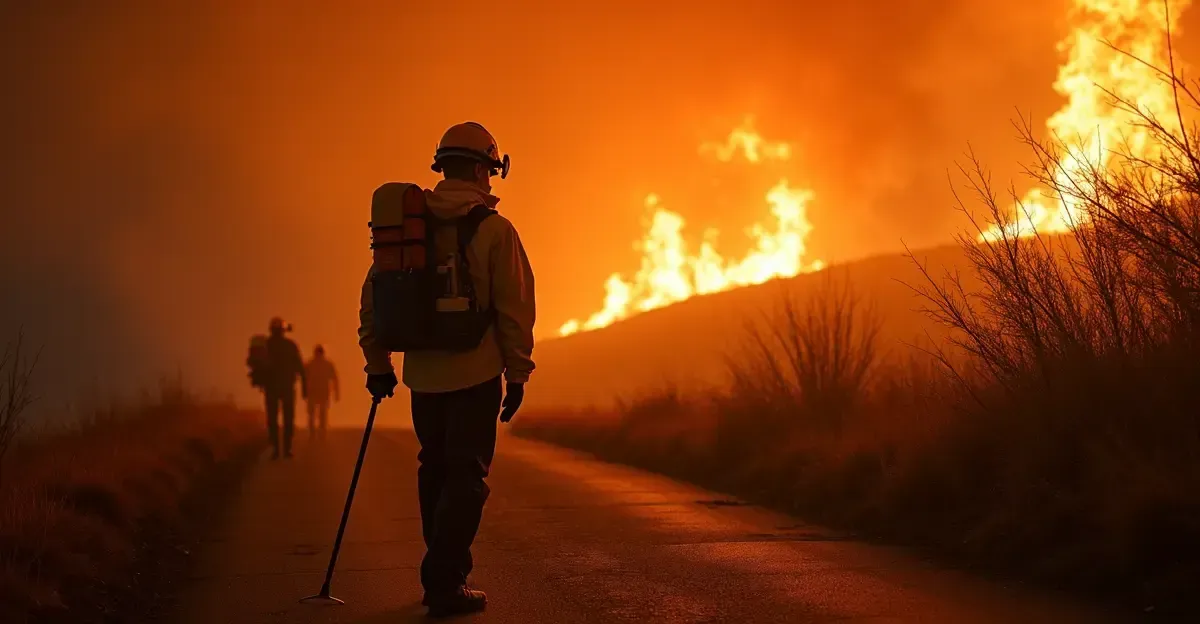
More than 800 firefighters, supported by 150 ground vehicles and aerial resources including four Canadair water-bombers, four Air Tractor aircraft, and two Dash planes, have been deployed to combat the blaze. Despite these efforts, officials described the situation as "unfavourable," with firefighters forced to defend houses one by one as the fire front advanced unpredictably.
The European Union has mobilized its largest-ever wildfire response for the 2026 summer season, with 777 firefighters from 14 countries pre-positioned in high-risk areas across southern Europe. France has doubled its aerial firefighting capacity since 2022, now operating 12 Canadair aircraft and 27 other aerial resources. However, firefighter unions warn that personnel shortages and the relentless pace of emergencies are pushing the system to its limits. Eight firefighters have died in the line of duty in France so far in 2026.
Broader Impact: Wildfires Across Europe
The Gironde fire is not an isolated event. Across Europe, extreme heat and drought have created conditions for multiple large-scale wildfires:
- Spain: A massive blaze near Guadalajara, north of Madrid, has burned 30,000 hectares and forced the evacuation of 3,500 people. Temperatures in Murcia reached 44.7°C (112.5°F).
- Var region, France: A separate fire between Marseille and Nice burned 2,500 hectares and forced 400 people to evacuate. Though now under control, the mistral wind threatens to rekindle the flames.
- Mediterranean marine heatwave: Approximately 80% of the Mediterranean Sea's surface is experiencing temperature anomalies 5°C above average, exacerbating coastal fire risks.
According to the European Forest Fires Information System (EFFIS), approximately 254,388 hectares have burned across the EU since the start of 2026, with CO₂ emissions reaching 8.31 million tonnes. The fire danger forecast indicates "very extreme" conditions dominating southwestern France and extending into northern Spain.
The EU's response to climate-driven disasters is being debated in the European Parliament, where MEPs are calling for strengthened prevention and preparedness measures.
FAQ: France Wildfires 2026
What caused the Gironde wildfire?
The fire is believed to have been accidentally started by a brush-clearing machine (broyeuse) working on a forest track near Saumos. All forestry work using combustion engines has been banned in the Gironde department until further notice.
How many people have been evacuated?
Over 20,000 people have been evacuated from the Gironde region, including approximately 12,000 tourists from campsites and a naturist estate, plus 8,800 residents from Claouey and surrounding areas.
How large is the fire?
As of July 23, 2026, the fire has burned approximately 4,800 hectares (48 km²) of pine forest. The area burned increased sixfold overnight between July 22 and 23.
Is climate change responsible?
Scientists from World Weather Attribution concluded that the 2026 European heatwave was "virtually impossible" to explain without accounting for climate change. Europe is the fastest-warming continent, with temperatures rising by about 2°C over the past 50 years, creating conditions for more frequent and intense wildfires.
What is being done to help?
France has deployed 800 firefighters, 150 vehicles, and multiple water-bombing aircraft. The EU has pre-positioned 777 firefighters across southern Europe. A national tribute for fallen firefighters has been proposed by Interior Minister Laurent Nuñez.
Follow Discussion