


 Deutsch
 English
 Español
 Français
 Nederlands
 Português


 Share
Share




On 11 October 2026, an unprecedented French supermarket fridge hack remotely drove connected refrigerators and freezers in hundreds of Intermarché, Netto, Coopérative U, Carrefour, Monoprix and E.Leclerc stores to 50°C (122°F), causing food losses and small fires. The Paris prosecutor’s office described the incident as a large-scale cyber-attack on connected cold-chain equipment, marking a rare escalation from data theft to physical sabotage of retail infrastructure. According to the BBC, losses are estimated in the millions of euros.
What Happened in the French Supermarket Fridge Hack?
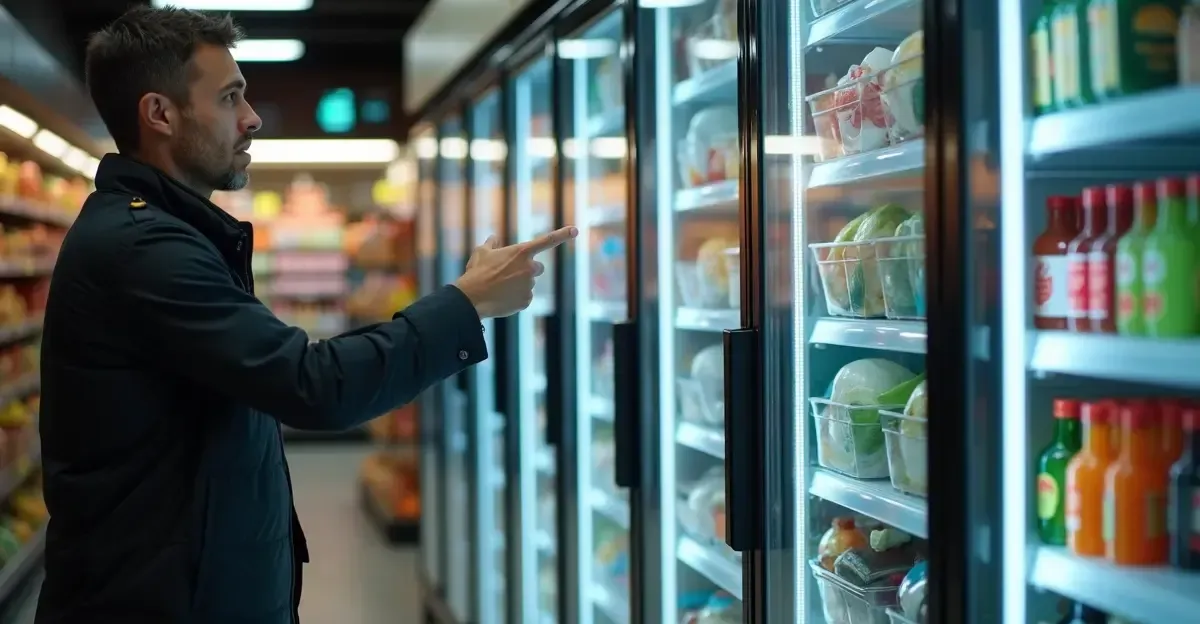
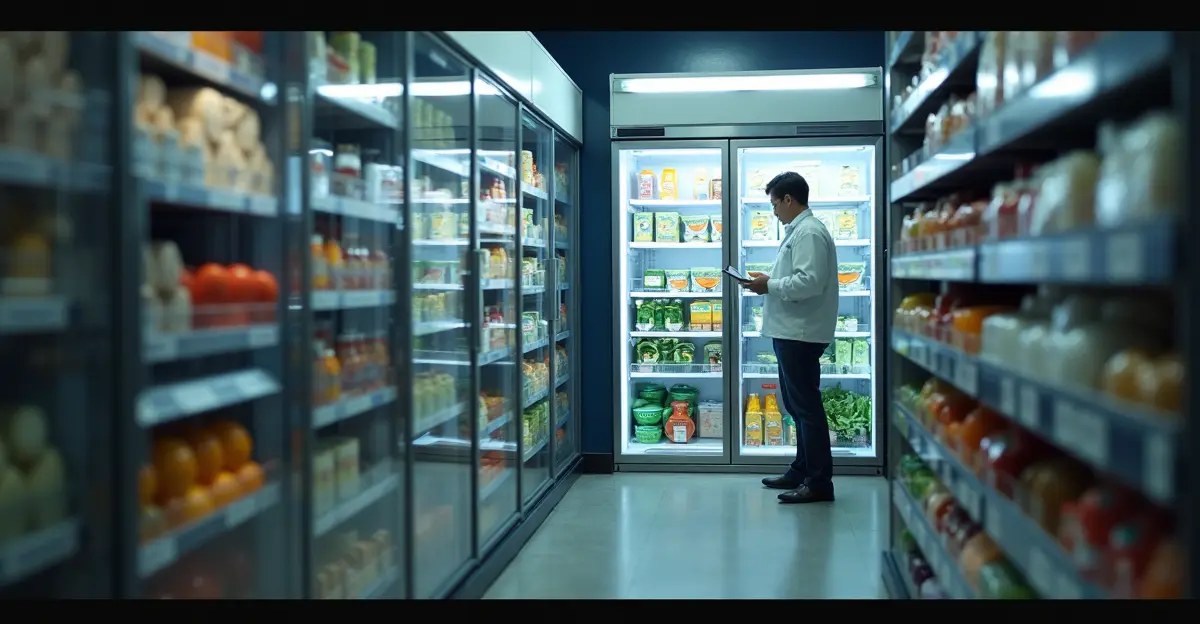
Attackers remotely switched Danfoss refrigeration controllers into defrost mode overnight, causing temperatures inside refrigerated display cases and freezers to climb to 50°C within six hours. The affected units included industrial controllers from Danish firm Danfoss, specifically the AK-SM800 and AK-SC355 models running outdated, unsupported firmware. Supermarket staff discovered melted machinery, spoiled dairy, meat and frozen goods, and in some branches small fires. Coopérative U said more than 100 of its stores were hit, while Intermarché reported about 150 stores affected and all compromised food was discarded over public health concerns. Carrefour confirmed 80 stores and Monoprix around 30. The incident is part of a growing wave of cyber-physical attacks on retail that move beyond conventional data breaches.
How Did Attackers Exploit Danfoss Refrigeration Controllers?
ANSSI, France’s national cybersecurity agency, identified a vulnerability in Danfoss’s refrigeration-management software. According to security researcher Kevin Beaumont, exposed units used the username “admin” with a password automatically set to the current date. “These were internet-exposed devices with default credentials, which is a basic but devastating oversight,” he said. Danfoss confirmed that only older, unsupported models were vulnerable and advised customers to update firmware. This attack highlights risks in internet-connected industrial control systems that remain online without proper segmentation.
From Data Breach to Cold-Chain Weaponization
Unlike typical ransomware or data theft, this attack manipulated physical processes to destroy inventory and potentially endanger public health. Coopérative U CEO Dominique Schelcher called the event “unprecedented” and of “extreme gravity.” The EU food commissioner warned against the “weaponisation of food,” while Prime Minister Sébastien Lecornu tasked ANSSI with coordinating a European response. The case is being examined as a rare example of critical infrastructure cybersecurity applied to the retail cold chain.
Damage, Food Safety and European Fallout
Two Alsace stores alone lost €270,000 in spoiled stock, and Intermarché’s CEO estimated total losses at “tens of millions of euros nationwide in a single day.” Beyond France, Dutch retailer Ahold Delhaize reported a separate network security issue, taking systems offline and disrupting apps, delivery and electronic price tags at Albert Heijn stores. Belgian Delhaize branches were reportedly affected too. The cross-border nature of the attack underscores growing supply chain cyber risks for food retailers and logistics operators.
Expert Perspectives
Kevin Beaumont emphasised that the exploit was not sophisticated: “The devices had admin as the username and the date as the password. That’s the opposite of security.” ANSSI found vulnerable Danfoss units across Belgium, Germany, Luxembourg, the Netherlands, Portugal, Poland and Spain. Experts recommend that retailers apply firmware patches, disable remote access where possible and segment operational technology networks. This is a wake-up call for OT cybersecurity best practices in commercial refrigeration.
Frequently Asked Questions
What is the French supermarket fridge hack?
On 11 October 2026, hackers remotely switched Danfoss refrigeration controllers in French supermarkets to defrost mode, causing temperatures to reach 50°C, spoiling food and causing fires.
How did hackers access the refrigerators?
They exploited internet-exposed Danfoss AK-SM800 and AK-SC355 controllers running outdated firmware, many using the default username “admin” and a password set to the current date.
Which supermarket chains were affected?
Intermarché/Netto (over 300 stores), Coopérative U (100+), Carrefour (80), Monoprix (~30) and several E.Leclerc stores, with possible spread to Ahold Delhaize in the Netherlands.
How much damage did the cyber-attack cause?
Two Alsace stores alone lost €270,000; Intermarché estimated tens of millions of euros nationwide in a single day, plus food disposal and fire costs.
Is my smart refrigerator at risk?
Only industrial refrigeration controllers from Danfoss running outdated, unsupported firmware were targeted. Consumers should still update firmware and avoid exposing smart appliances directly to the internet.
Conclusion and Future Outlook
The French supermarket fridge hack demonstrates that cyber-attacks on connected commercial equipment can cause real-world harm, from food shortages to fires. As governments and companies warn of increasingly sophisticated threats, securing operational technology and the cold chain will become a priority for regulators and retailers alike.


Follow Discussion