


 Deutsch
 English
 Español
 Français
 Nederlands
 Português


 Share
Share




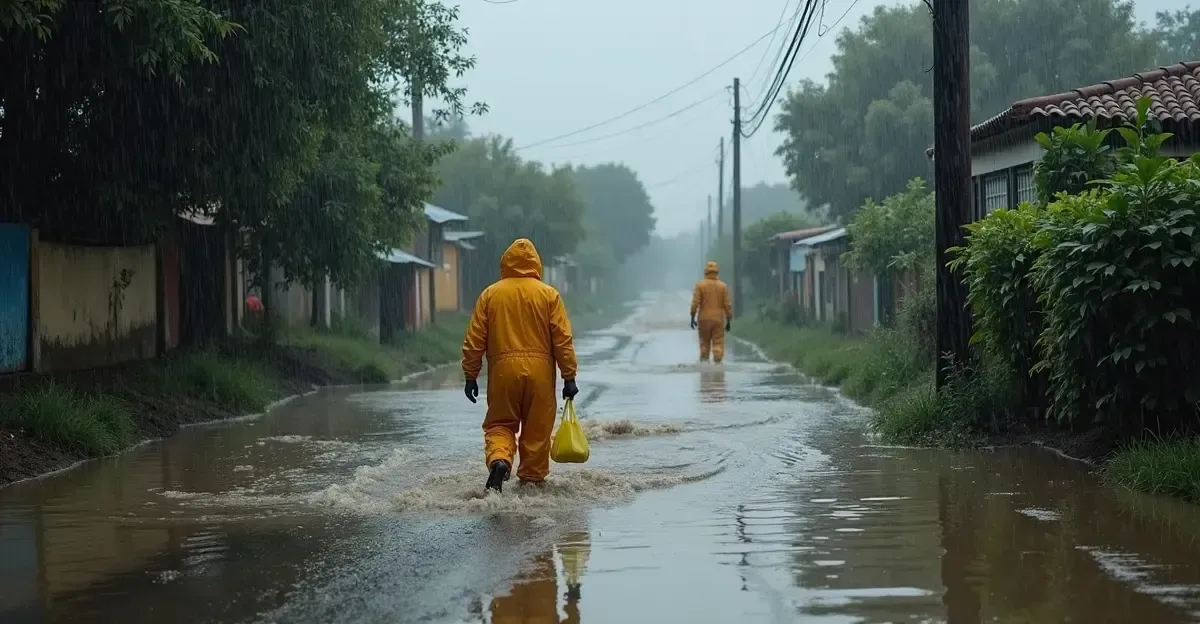
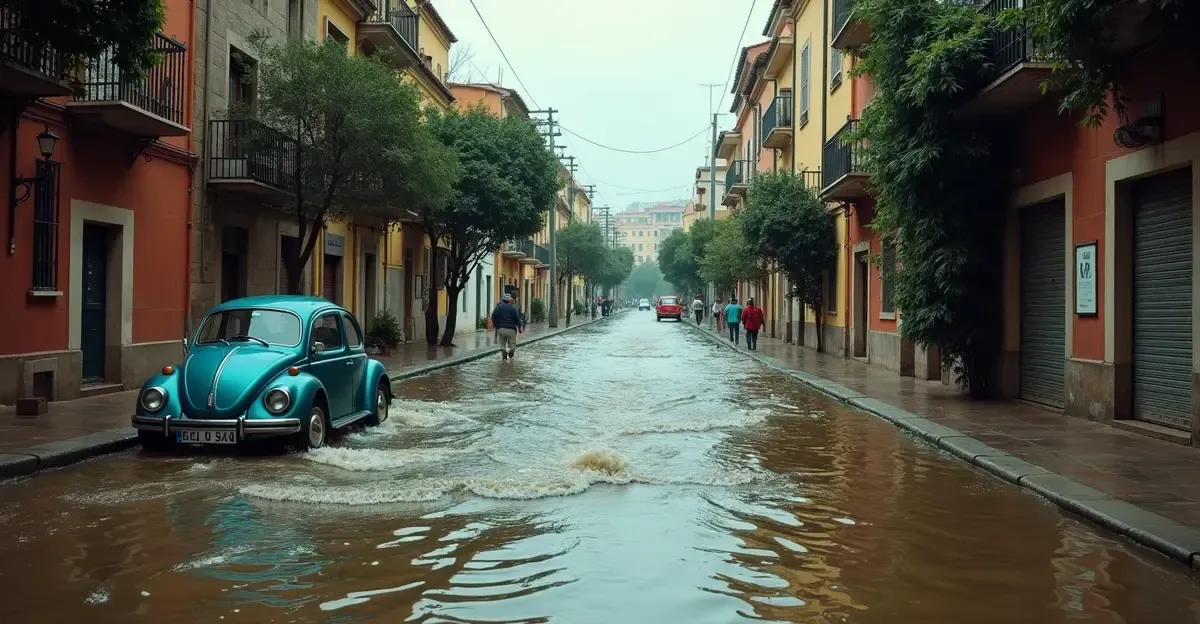
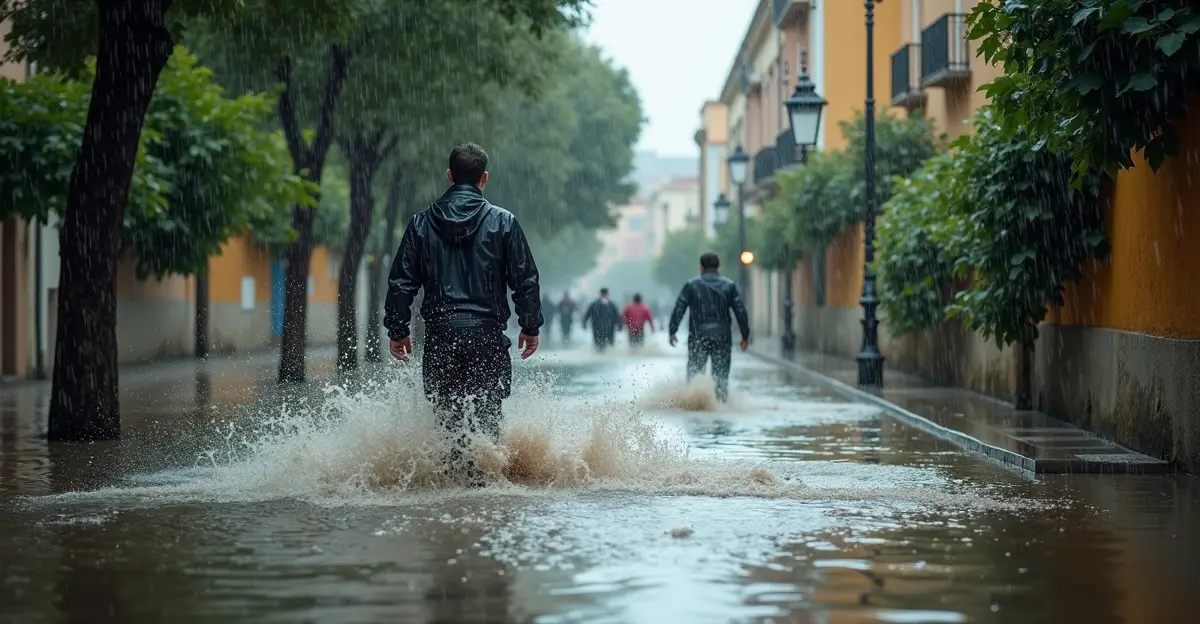
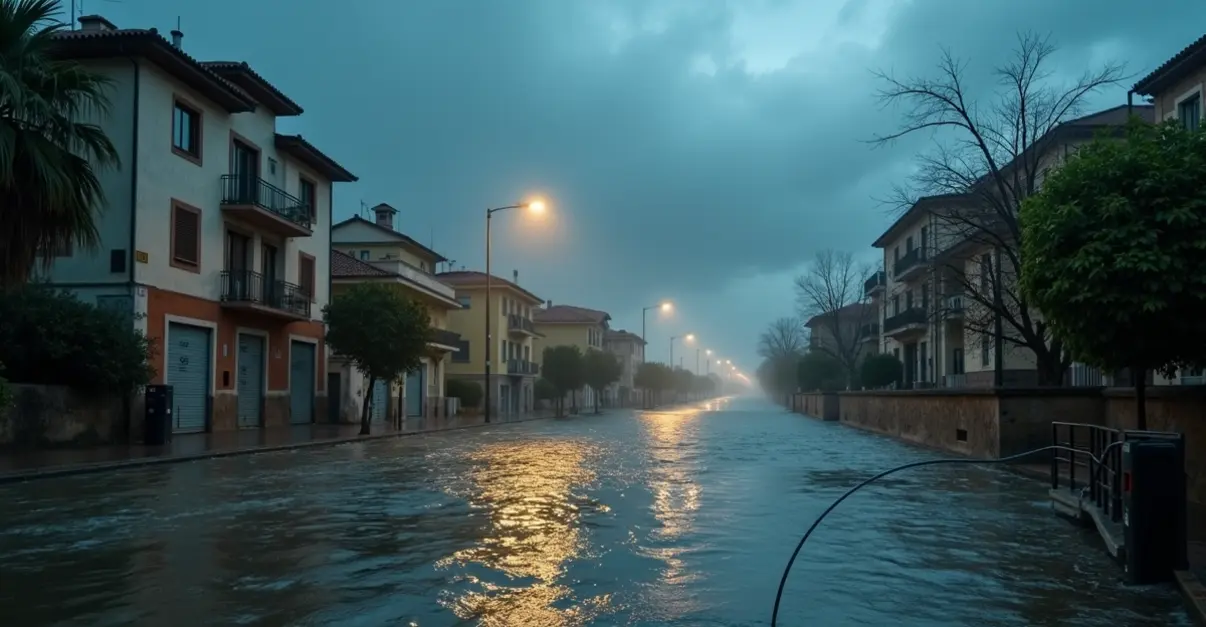
Spain floods have killed at least two people in Catalonia after an abnormally warm Mediterranean Sea fueled torrential rainfall on Friday night, October 3, 2026. Thousands of residents received ES-Alert emergency warnings on their phones before heavy downpours triggered widespread flooding, fallen trees and submerged homes. The disaster follows a fatal storm earlier this week in Castilla-La Mancha and comes two years after the Valencia floods that killed more than 200 people.
What caused the Spain floods in Catalonia?
The immediate trigger was a low-pressure system that pulled moisture from the Mediterranean Sea. With sea surface temperatures running about 3°C above the seasonal average — and more than 4°C above normal in some coastal areas — evaporation increased sharply. "Virtually all rain in the Mediterranean region originates from sea water evaporation," meteorologists note. The Mediterranean warming climate link turned an ordinary autumn storm into a flood event.
According to the Dutch public broadcaster NOS, the warm seawater has also provided enough energy in some cases to create "mini-hurricanes," which produce even heavier rainfall. Because much of Spain's Mediterranean coast is hilly or mountainous, heavy rain quickly overwhelms small streams, canals and rivers.
How warm is the Mediterranean Sea in 2026?
Current sea surface temperatures off Spain are approximately 3°C warmer than the long-term average for early October. Scientists from World Weather Attribution reported earlier in 2026 that the Mediterranean has warmed by about 2°C on average due to fossil fuel burning, and the portion of the sea experiencing such abnormal warmth has at least doubled because of human greenhouse gas emissions.
- Current anomaly off Spain: +3°C (locally +4°C)
- Long-term human-caused warming: ~2°C
- 2024 and 2025: similarly warm sea surface temperatures
- Result: more evaporation, more intense autumn rainfall
Why is Spain warning more often now?
After the Valencia disaster of October 2024, which killed more than 200 people and caused over €10 billion in damage, Spanish authorities adopted a policy of warning early and often. "It is better to warn once too many times than once too few," officials say. The Spain flood alert system now sends ES-Alert messages similar to NL-Alert in the Netherlands, giving residents crucial minutes to move to higher ground.
What happens next as the Mediterranean keeps warming?
Scientists are still investigating why the Mediterranean is warming faster than other seas and beyond what climate models predict. However, the trend is clear: severe weather and flooding will increasingly become part of autumn in the Mediterranean region. The Mediterranean flood risk 2026 remains elevated as sea temperatures stay well above normal.
FAQ: Spain floods and the warm Mediterranean Sea
Why does a warm Mediterranean Sea cause flooding?
Warmer water evaporates more quickly. When a low-pressure system passes, that extra moisture condenses into heavier rain over land, overwhelming drainage systems and rivers.
How many people died in the Catalonia floods?
At least two people died in Catalonia, with thousands of reports of fallen trees and flooded basements. One additional fatality occurred earlier in the week in Castilla-La Mancha.
Is climate change making Spain floods worse?
Yes. Human-caused warming has raised Mediterranean sea temperatures by about 2°C, increasing evaporation and the intensity of autumn rainfall events.
What was the Valencia flood disaster?
In October 2024, flash floods in Valencia province killed more than 200 people and caused over €10 billion in damage, prompting Spain to overhaul its warning systems.


Follow Discussion