


 Deutsch
 English
 Español
 Français
 Nederlands
 Português


 Share





The UK government's new Be Ready campaign has triggered a rapid buying surge in tinned food, bottled water, wind-up radios and torches, while also drawing sharp criticism from poverty campaigners and affordability researchers. Launched by the Cabinet Office on 22 October 2026, the three-year public information drive asks households in England and Wales to prepare enough supplies to cope alone for 72 hours during power, water, phone or internet outages caused by extreme weather or cyber-attacks.
What is the UK Be Ready campaign?
The UK emergency preparedness policy aims to lift readiness at a time when only 13% of households say they feel prepared for a major disruption. The guidance advises three litres of drinking water per person per day, three days of non-perishable, no-cook food, a torch with spare batteries, a wind-up FM radio, a charged power bank, a first aid kit, medicines, warm clothing, cash and important documents. Ministers say the advice is not a response to any specific threat and is consistent with civil contingencies planning across Europe.
72-hour emergency kit checklist
- Three litres of drinking water per person per day
- Three days of non-perishable, no-cook food and a manual tin opener
- Torch, spare batteries and a wind-up FM radio
- Charged power bank, first aid kit and prescription medicines
- Cash, printed documents, warm clothing and hygiene items
Why have emergency supply sales surged?
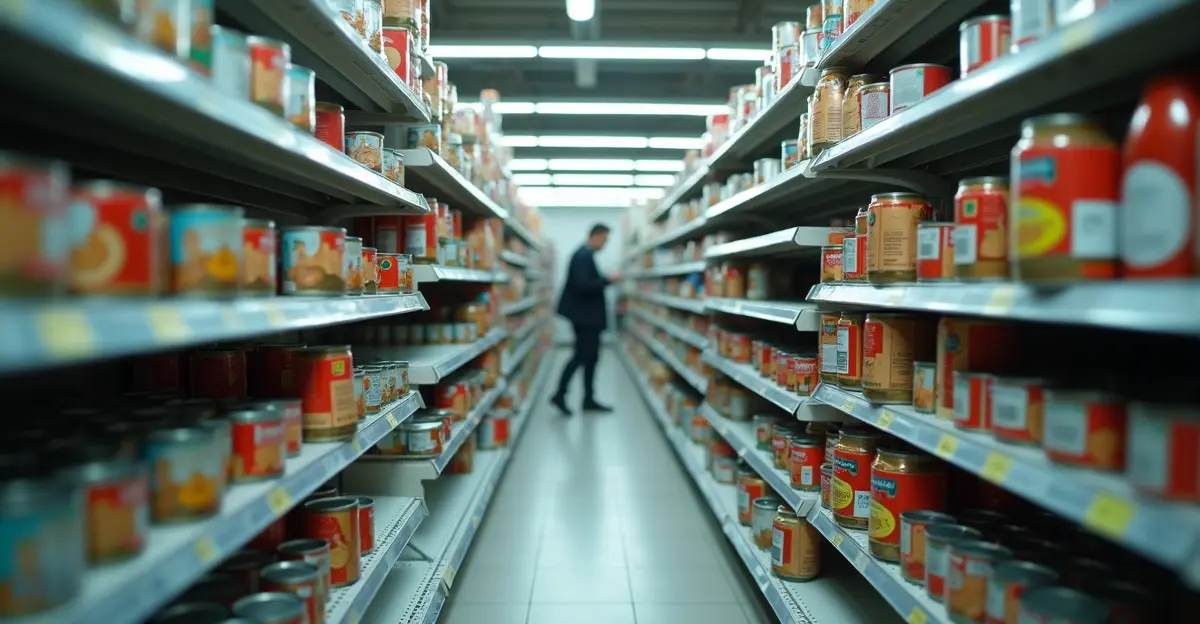
Within days of the launch, retailers reported unusual demand. Guardian reporting showed Maplin's torch sales nearly quadrupled, while power bank and radio sales doubled and one wind-up radio brand sold out. Iceland recorded a 40% weekend jump in tinned products, Ocado noted higher demand for some long-life items, and home security camera sales rose 130%. Specialist survival sellers saw even steeper increases: EvaQ8 sold around 300 wind-up radios over a weekend, compared with its usual 15, and Sgt Prepper said trading was 10 to 15 times busier than normal. The British Retail Consortium stressed that food availability remains strong and cautioned against reading too much into social media images of empty shelves. This spike in practical extreme weather preparedness spending suggests the campaign is changing behaviour quickly.
Affordability backlash: how much does the stockpile cost?
Researchers at the think tank Verdant found that more than three million households - around 6.4 million people, including 2.1 million children - cannot afford the recommended supplies. Independent research put the cost of a bare-minimum stockpile at about £12, rising to nearly £20 per adult at typical prices, with baby formula adding £12 per infant. Those figures exclude torches, batteries or radios. The burden falls hardest on low-income renters: one in three council tenants and one in four housing association tenants cannot afford the kit, compared with 4-5% of homeowners, and seven in ten affected households are on Universal Credit.
James Meadway, director of Verdant, called the individualised approach 'bordering on irresponsible' and urged state-backed strategic reserves, similar to Sweden's model, or a one-off £70m support payment. Food bank charity Trussell echoed the concern that millions of struggling families have no financial margin to build reserves. The cost of living crisis has already stretched household budgets, making an upfront preparedness purchase unrealistic for many.
Impact and policy implications
The campaign is a test of whether individual preparedness advice can work alongside social safety nets. Supporters argue that three days is a modest, pragmatic target for routine disruptions such as flooding, burst water mains or power cuts, and that accurate information reduces panic. Critics counter that placing responsibility on households ignores structural inequality and the need for community-level resilience. The tension between public resilience and affordability is likely to shape how the UK updates its civil contingencies planning over the next three years, particularly as climate-related and cyber threats become more frequent.
FAQ
What is the UK Be Ready campaign?
It is a Cabinet Office public information drive, launched on 22 October 2026, advising households in England and Wales to store enough supplies to cope alone for 72 hours during an emergency such as extreme weather, power cuts or cyber-attacks.
How much does the Be Ready stockpile cost?
A bare-minimum stockpile costs about £12 and rises to nearly £20 per adult at typical prices, excluding torches, batteries or radios; baby formula adds about £12 per infant.
Why are experts criticising the advice?
Affordability researchers say more than three million UK households cannot afford the recommended supplies, and argue the government should fund state-backed reserves or provide direct financial support instead of leaving costs to individuals. The food bank demand crisis reinforces these concerns.
What items should I keep in a 72-hour emergency kit?
Three litres of drinking water per person per day, three days of non-perishable food, a torch with spare batteries, a wind-up radio, a power bank, a first aid kit, medicines, warm clothing, cash and documents.
Has the campaign caused panic buying?
Retailers report surging sales of torches, radios, tinned food and bottled water, but industry bodies say food availability remains strong and there is no evidence of widespread panic buying.


Follow Discussion