


 Deutsch
 English
 Español
 Français
 Nederlands
 Português


 Share
Share




What is the UK Food Crisis Warning?
A comprehensive new analysis by over 30 leading British food experts has issued a stark warning: the United Kingdom is a 'tinderbox' waiting for a food crisis that could erupt at any moment. Published in the journal Sustainability, the study reveals that the UK's food security has dangerously weakened in recent years, creating a perfect storm of vulnerabilities that could trigger social unrest, food riots, and widespread civil disruption. The global food supply chain has become increasingly fragile, and Britain's position within it is particularly precarious.
Chronic Problems Creating a Perfect Storm
The analysis identifies multiple chronic issues that have converged to create what experts describe as a 'ticking time bomb' for UK food security. These include:
- Poor agricultural policies that have undermined domestic food production
- Fragile 'just-in-time' supply chains that leave no buffer for disruptions
- Climate crisis impacts affecting both domestic and international food production
- Low household incomes making food price spikes particularly dangerous
- Centralized global food production creating single points of failure
Dr. Sarah Thompson, lead researcher on the study, told The Guardian: 'The UK food system has become dangerously fragile. We're seeing multiple vulnerabilities that have been building for years, and now we're at a point where a single shock could trigger a cascade of failures.'
Most Dangerous Trigger Events
Experts ranked the most likely triggers for a UK food crisis, with three categories standing out as particularly dangerous:
1. Extreme Weather Events
Climate change has made extreme weather more frequent and severe, with droughts, floods, and heatwaves already disrupting global food production. Recent droughts in key exporting countries have already pushed up food prices, demonstrating how vulnerable the UK's import-dependent system truly is.
2. Cyber-Attacks on Supply Chains
In 2025, major British supermarket chains were hit by significant cyber-attacks that disrupted operations. These incidents served as warning shots, revealing how vulnerable modern food distribution systems are to digital threats. The cybersecurity vulnerabilities in critical infrastructure extend far beyond supermarkets to include ports, transportation networks, and food processing facilities.
3. International Conflicts
The war in Ukraine demonstrated how quickly international conflicts can disrupt global food supplies. Russia and Ukraine together accounted for about 15% of global grain production in 2022, and their conflict sent shockwaves through world markets. Similar disruptions in other 'breadbasket' regions could have devastating consequences for the UK.
Centralization Creates Critical Vulnerabilities
A fundamental problem identified in the analysis is the extreme centralization of global food production. Much of the world's food comes from just a few 'breadbasket' countries including the United States, Brazil, and Russia. This concentration creates:
| Risk Factor | Impact on UK |
|---|---|
| Single points of failure | Disruption in one region affects global supply |
| Trade route vulnerabilities | Chokepoints like the Suez Canal become critical |
| Geopolitical leverage | Food becomes a weapon in international relations |
| Price volatility | Small disruptions cause large price swings |
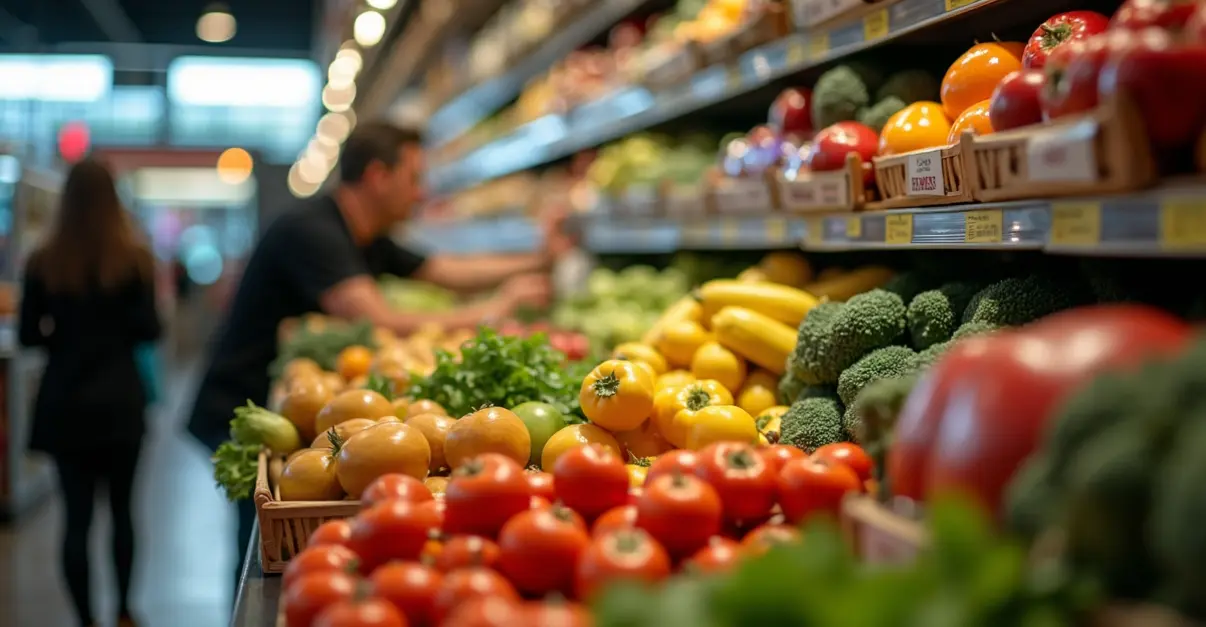
The UK's dependence on imports exacerbates these risks. Currently, about 35% of the UK's food is imported, creating significant vulnerabilities to international disruptions.
Social Impacts and Warning Signs
The analysis paints a disturbing picture of potential social consequences. Already in 2025, one in seven UK households lived in food insecurity, and experts warn this number is likely to rise. The study predicts that a food crisis could lead to:
- Widespread hunger and malnutrition
- Social unrest and food riots
- Illegal sales of unsafe food
- Loss of trust in government institutions
Perhaps most alarmingly, 80% of experts surveyed believe large-scale violence resulting from a food crisis is possible within 50 years, with 40% predicting it could occur within the next decade. The study estimates that up to 30,000 people could suffer physical injuries from food-related demonstrations or riots.
Three-Part Solution for Building Resilience
The researchers propose a comprehensive approach to address these vulnerabilities:
1. Coordinated Government-Business Action
Experts emphasize that both government and private sector must work together on long-term planning. This includes developing contingency plans for various disruption scenarios and investing in resilient infrastructure.
2. Diversified Domestic Food Production
Reducing import dependence is crucial. The UK needs to develop a broader, more resilient domestic food supply that can better withstand international shocks. This includes supporting sustainable agriculture and reducing reliance on vulnerable global supply chains.
3. Financial Support for Vulnerable Populations
Emergency financial mechanisms must be established to support the poorest households during food price spikes or shortages. The social safety net reforms should specifically address food security as a critical component of national resilience.
FAQ: UK Food Crisis Questions Answered
How likely is a UK food crisis?
Experts describe it as 'only a matter of time' given current vulnerabilities. While the exact timing is unpredictable, the conditions for a crisis already exist.
What would trigger a food crisis?
The most dangerous triggers are extreme weather events, cyber-attacks on supply chains, and international conflicts disrupting global food trade.
How much food does the UK import?
Approximately 35% of the UK's food is imported, creating significant vulnerability to international supply chain disruptions.
What are the warning signs?
Increasing food prices, supply chain disruptions, rising household food insecurity (already 1 in 7 households), and climate-related production declines.
What can be done to prevent a crisis?
Building resilience through diversified domestic production, stronger supply chains, coordinated planning, and support for vulnerable populations.

Follow Discussion