


 Deutsch
 English
 Español
 Français
 Nederlands
 Português


 Share
Share




A UK salmonella outbreak linked to imported eggs has left one person dead and at least 207 others ill, according to the UK Health Security Agency (UKHSA). The outbreak, caused by a single strain of Salmonella Enteritidis, has been recorded across England, Scotland, Wales and Northern Ireland, with the first case identified on 11 August 2025 and most infections reported in recent weeks.
What is Salmonella and How Did This Outbreak Start?
Salmonella is a type of bacteria that commonly lives in the intestines of animals and can contaminate food such as eggs, poultry, meat and dairy products. Infection usually causes gastroenteritis with symptoms including diarrhoea, fever, stomach cramps, nausea and vomiting. Most people recover without specific treatment, but for vulnerable groups the infection can become invasive and life-threatening. The current outbreak has been traced to eggs imported from outside the UK, echoing a 2025 UK salmonella outbreak that was also linked to imported eggs.
UK Salmonella Outbreak: Cases, Regions and Hospitalisations
According to UKHSA data, 207 laboratory-confirmed cases have been reported across the four nations. England accounts for 199 cases, including 47 in London and 38 in Yorkshire and the Humber. Scotland has recorded 6 cases, Wales 1 and Northern Ireland 1. Victims range from babies under one year old to people aged 90. More than a third of those infected required hospital treatment, and two patients developed bloodstream infections (sepsis).
| Region | Confirmed cases |
|---|---|
| England | 199 |
| Scotland | 6 |
| Wales | 1 |
| Northern Ireland | 1 |
Whole-genome sequencing has confirmed that all 207 cases share a single, identical strain of Salmonella Enteritidis. The first case was identified on 11 August 2025, but the majority of infections have been recorded in the past few weeks, suggesting the outbreak may still be expanding.
Why Imported Eggs Are the Suspected Source
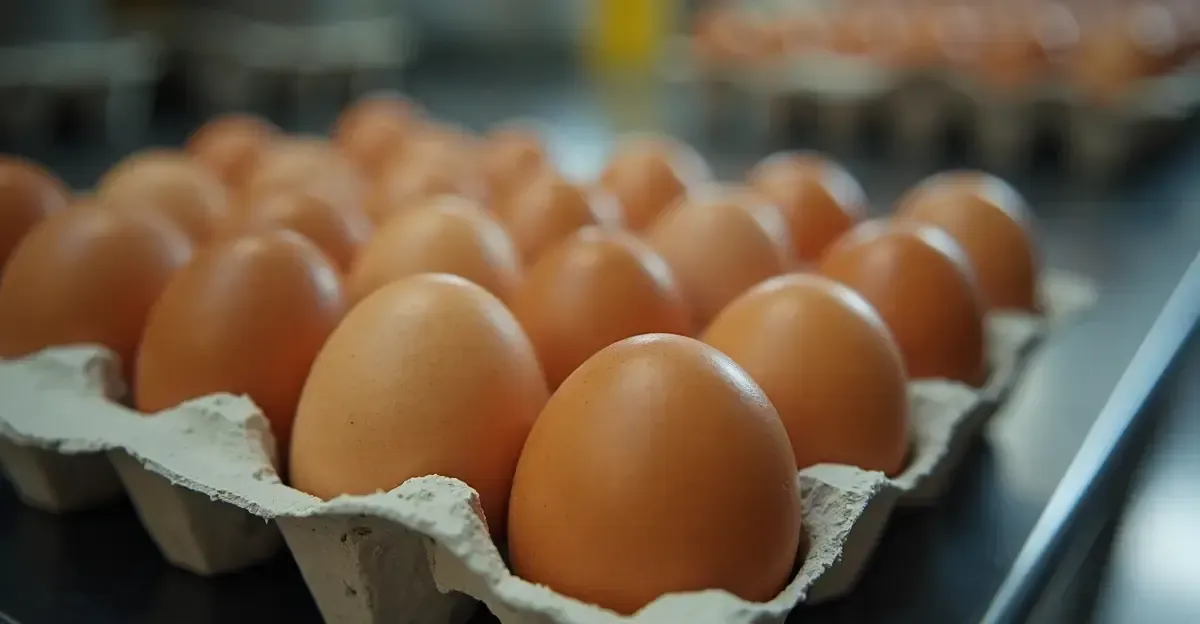
UKHSA has ruled out UK-produced eggs and poultry as the source of the salmonella outbreak. Instead, evidence points to eggs imported from outside the UK that were used in food prepared outside the home. Five food businesses have been linked to 24 of the cases, and patients reported eating out rather than at home. The UKHSA is working closely with the Food Standards Agency and coordinating with European food safety authorities to trace the origin of the contaminated eggs.
The current strain is phylogenetically linked within 25 single nucleotide polymorphisms (SNPs) to a previous outbreak from 2025, which was also linked to imported eggs, according to the UKHSA Health Protection Report. This genetic similarity suggests a common or related source, and investigators are comparing supply chains to identify potential repeated contamination.
What officials are saying
'We are working closely with the Food Standards Agency to investigate this salmonella outbreak and identify the source,' the UKHSA's chief epidemiologist told the BBC. 'More cases may emerge in the coming weeks.'
Symptoms and Who Is Most at Risk
Symptoms of salmonella infection usually appear 12 to 96 hours after eating contaminated food and include fever, nausea, diarrhoea and vomiting. Most people recover within three days to a week. However, young children, older adults and people with weakened immune systems are at higher risk of severe illness, including dehydration and invasive infections such as sepsis, urinary tract infections or meningitis. UKHSA says invasive disease occurs in about 5% of cases.
- Diarrhoea
- Fever
- Stomach cramps
- Nausea and vomiting
Public Health Impact and Safety Advice
The public risk remains low, but officials are urging people to follow strict food hygiene practices. This includes washing hands thoroughly, cooking eggs and poultry properly, and avoiding food handling when symptomatic. Vulnerable groups are advised to only eat runny or raw eggs that carry the British Lion mark or Laid in Britain assurance. The outbreak follows a similar salmonella outbreak in 2025, raising questions about imported egg controls and food safety oversight.
Frequently Asked Questions
What caused the UK salmonella outbreak?
The outbreak has been linked to eggs imported from outside the UK, used in dishes served at cafes and restaurants. UKHSA has ruled out UK-produced eggs.
How many people have been affected?
One person has died and 207 people have been confirmed ill across England, Scotland, Wales and Northern Ireland.
What are the symptoms of salmonella?
Symptoms include diarrhoea, fever, stomach cramps, nausea and vomiting, usually appearing 12 to 96 hours after exposure.
Who is most at risk from salmonella?
Babies, the elderly and people with weakened immune systems are most at risk of severe complications, including sepsis.
How can I protect myself?
Cook eggs and poultry thoroughly, wash hands frequently, and avoid preparing food if you have symptoms. Vulnerable people should eat only eggs with the British Lion mark.

Follow Discussion