


 Deutsch
 English
 Español
 Français
 Nederlands
 Português


 Share





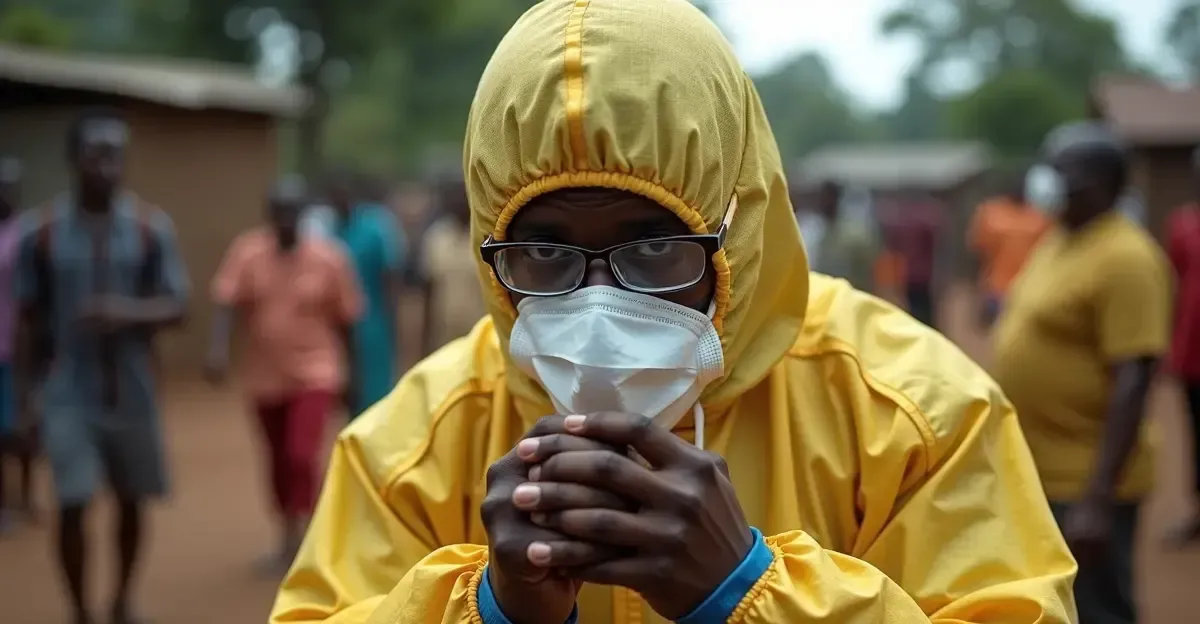
The Ebola death toll in the Democratic Republic of the Congo (DRC) has surpassed 5,000, health authorities confirmed on Friday, October 31, 2026, marking the country's deadliest-ever Ebola outbreak and the second-largest globally after the 2014–2016 West Africa epidemic. Official data now show more than 10,000 confirmed infections since the outbreak was first detected in May, with a case fatality rate of 48.5%.
What is the Bundibugyo Ebola outbreak in Congo?
The 2026 epidemic is the DRC's 17th Ebola outbreak and is caused by the rare Bundibugyo ebolavirus strain, first reported on 14 May 2026 in Ituri Province, eastern DRC. The World Health Organization (WHO) declared a Public Health Emergency of International Concern (PHEIC) on 16 May 2026. Unlike the more common Zaire ebolavirus, the Bundibugyo strain has no approved vaccines or treatments, which has significantly complicated the response. This situation mirrors challenges seen in previous global health emergencies where delayed detection and limited medical countermeasures allowed the virus to spread.
How many people have died in the 2026 Ebola outbreak?
As of late October 2026, the DRC has recorded 5,030 deaths among 10,382 confirmed cases, plus 308 suspected cases, according to official figures. The virus has spread across eight of the DRC's 26 provinces and reached four other countries. The outbreak's growth has not been exponential; recent weeks have shown a stable but high plateau of 400–500 new infections per week.
Reported cases by country
- Democratic Republic of the Congo: 10,274 cases, 4,992 deaths
- Uganda: 21 confirmed/probable cases, 3 deaths
- Kenya: 9 cases, 2 deaths
- Nigeria: 1 case
- France: 1 recovered travel-related case
For comparison, the 2014–2016 West Africa Ebola epidemic caused 28,616 infections and 11,310 deaths (a 40% case fatality rate), while the current 2026 DRC outbreak has a higher fatality rate of 48.5%.
Why is the 2026 Ebola outbreak so hard to control?
Several factors are driving transmission. Only about a quarter of new cases are traced to known contacts, meaning the vast majority of new patients were infected by people who had not yet been identified by health workers. Ebola spreads through direct contact with infected bodily fluids such as blood, saliva, sweat, vomit, or feces. The absence of a licensed vaccine for the Bundibugyo strain is a major obstacle; existing vaccines target the Zaire ebolavirus.
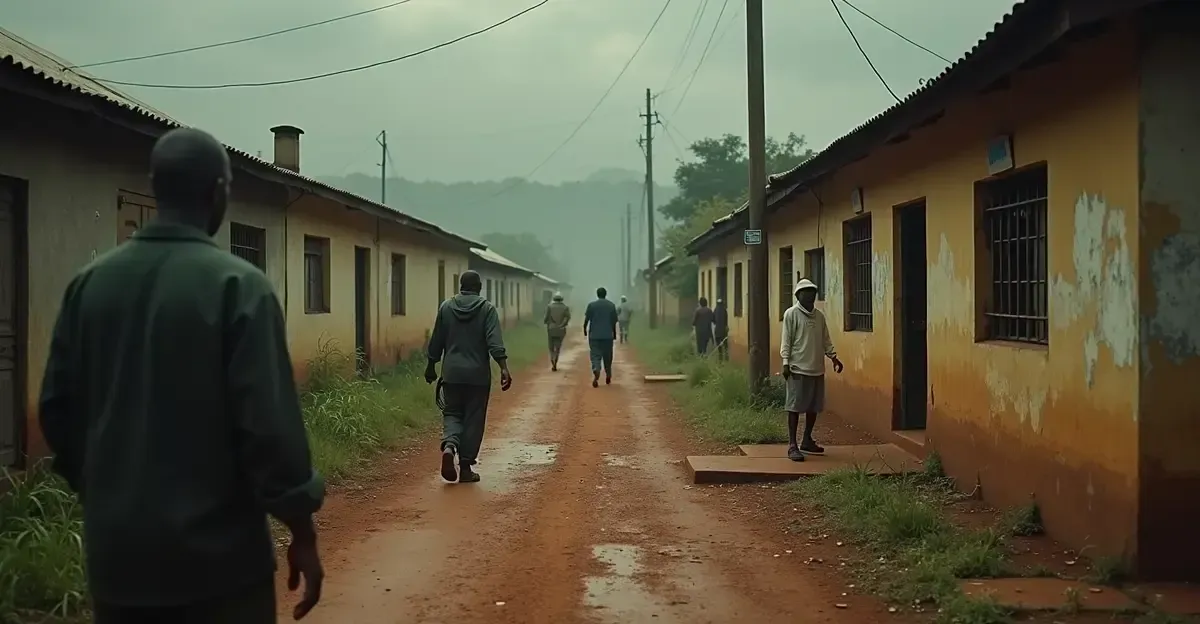
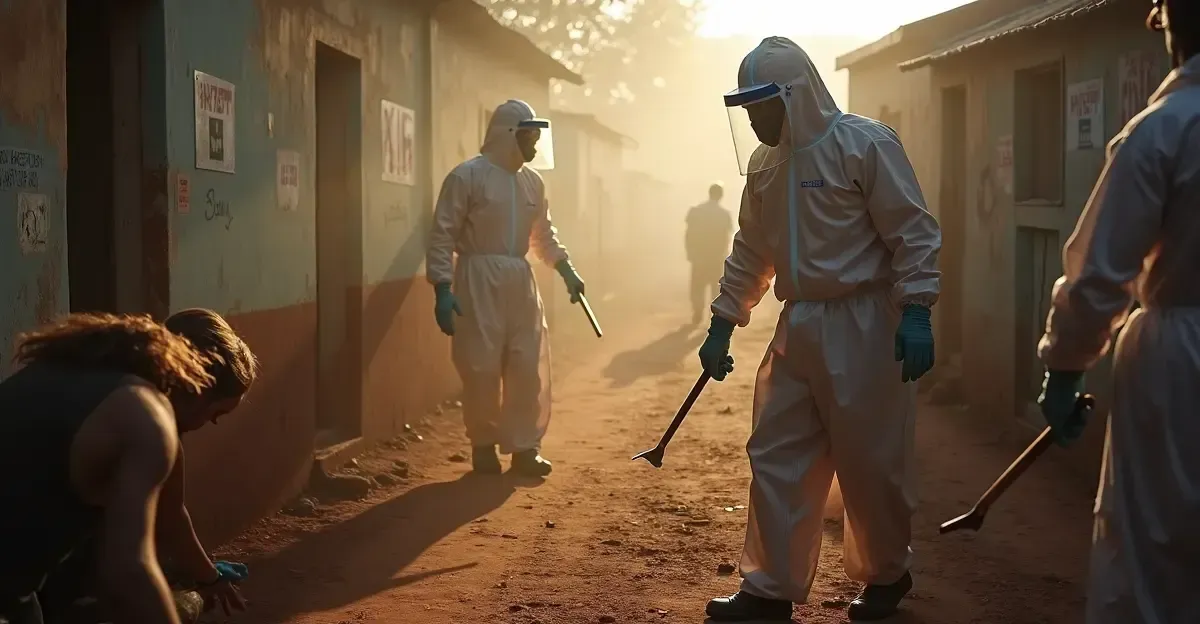
Armed conflict in eastern DRC, weak health infrastructure, unsafe burial practices, and widespread misinformation have further hampered containment. "That's a plateau," doctor-researcher Boghuma Titanji told the Associated Press, "but a high plateau." She also expressed concern that the numbers are not yet declining. Experts hope a Ebola vaccine for Bundibugyo may become available next year, which could help bring the outbreak under control.
What are the implications for the region?
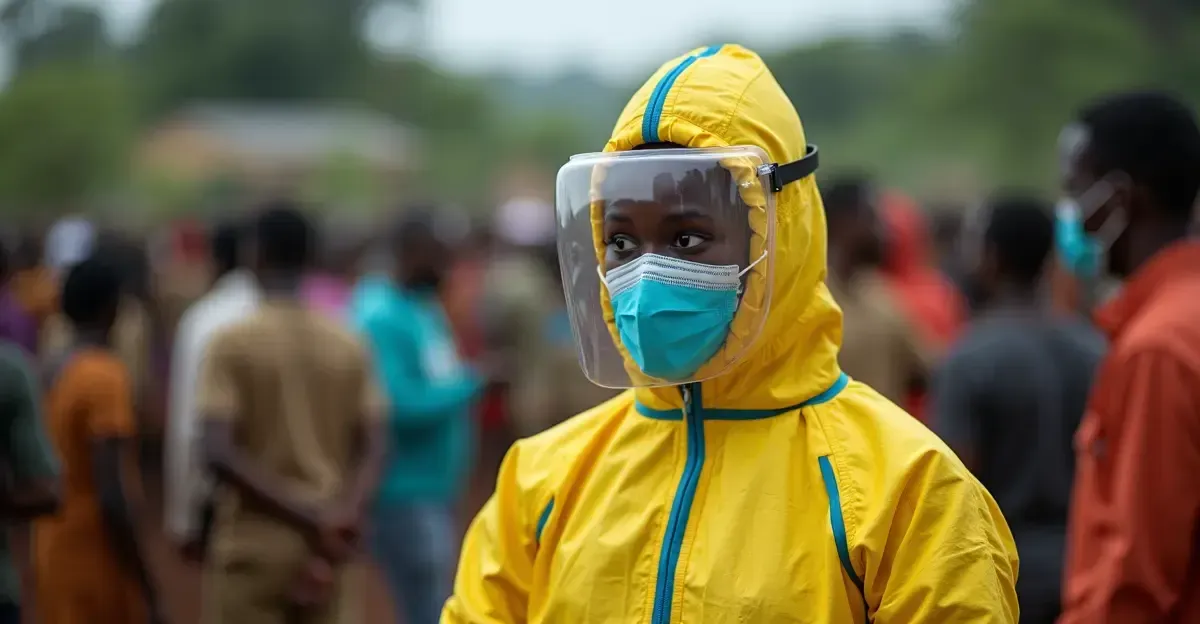
The spread to Kenya, Uganda, Nigeria, and a travel-related case in France highlights the risk of wider international transmission. Saudi Arabia responded Friday by suspending travel and visas for Kenya, following earlier restrictions on DRC, Uganda, and South Sudan. The outbreak is also straining already fragile health systems and could fuel further public health emergency response challenges across Central and East Africa.
Frequently Asked Questions
What is the death toll from the Congo Ebola outbreak in 2026?
More than 5,000 people have died, with over 10,000 confirmed cases, as of October 31, 2026.
What strain of Ebola is causing the 2026 outbreak?
The outbreak is caused by the Bundibugyo ebolavirus, a rare strain for which no approved vaccines or treatments exist.
Which countries have reported Ebola cases in this outbreak?
DRC, Kenya, Uganda, Nigeria, and one recovered case in France.
How does Ebola spread?
Ebola spreads through direct contact with infected bodily fluids, including blood, saliva, sweat, vomit, and feces.
Is there a vaccine for the Bundibugyo Ebola strain?
Not yet. Existing vaccines target the Zaire ebolavirus strain; experts hope a vaccine may be available next year.
Follow Discussion