


 Deutsch
 English
 Español
 Français
 Nederlands
 Português


 Share
Share




WHO Escalates Ebola Risk Level to 'Very High' in DR Congo
The World Health Organization (WHO) has raised the risk level for the ongoing Ebola outbreak in the Democratic Republic of Congo (DRC) from 'high' to 'very high' at the national level. The decision, announced on May 22, 2026, reflects the rapid spread of the rare Bundibugyo ebolavirus strain, which has no approved vaccine or specific treatment. The WHO continues to assess the regional risk as 'high' and the global risk as 'low.'
According to WHO Director-General Dr. Tedros Adhanom Ghebreyesus, there have been 82 confirmed cases and 177 suspected deaths in the DRC, with two confirmed cases and one death in neighboring Uganda. The outbreak was declared a Public Health Emergency of International Concern (PHEIC) last week. "We are running behind this outbreak to truly bring it under control," said Anne Ancia, WHO representative in the DRC.
What Is the Bundibugyo Ebola Strain?
The Bundibugyo ebolavirus is one of six known ebolavirus species and was first identified in Uganda in 2007. Unlike the more common Zaire ebolavirus—for which vaccines and treatments exist—Bundibugyo has no licensed vaccine or antiviral therapy. Its case fatality rate ranges from 25% to over 40%, making it a significant public health threat.
Transmission occurs through direct contact with bodily fluids of infected individuals or contaminated materials. Traditional burial practices, which involve washing the deceased, have been linked to many new infections. The Bundibugyo ebola variant is particularly concerning because existing Ebola vaccines do not protect against it.
Emergency Measures: Burial Bans and Security Challenges
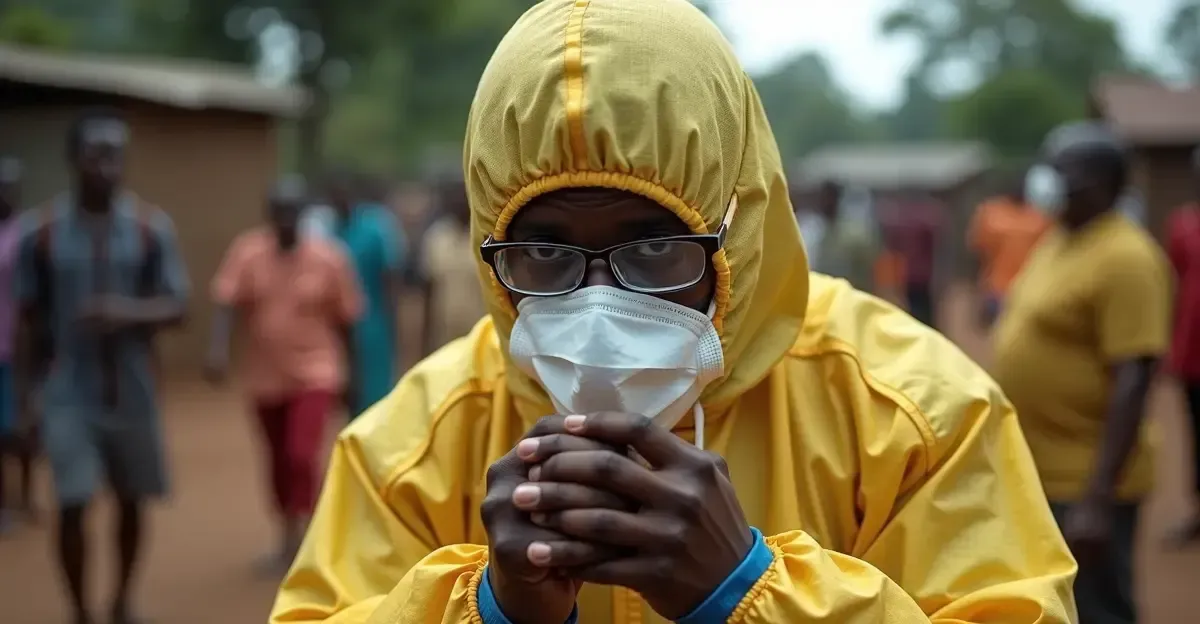
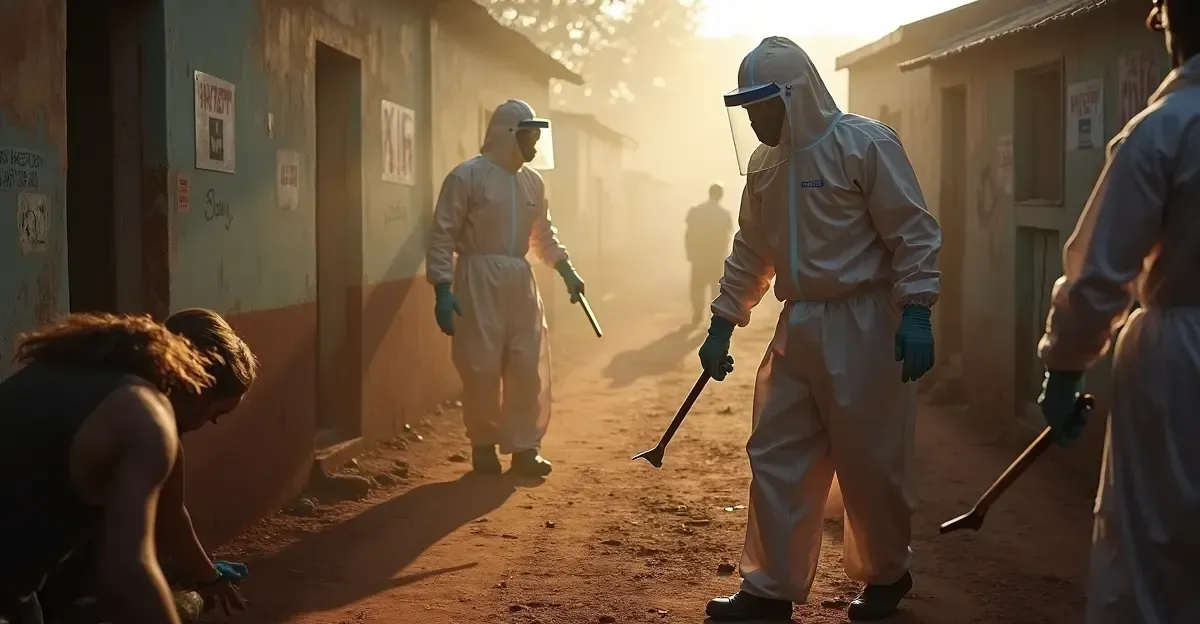
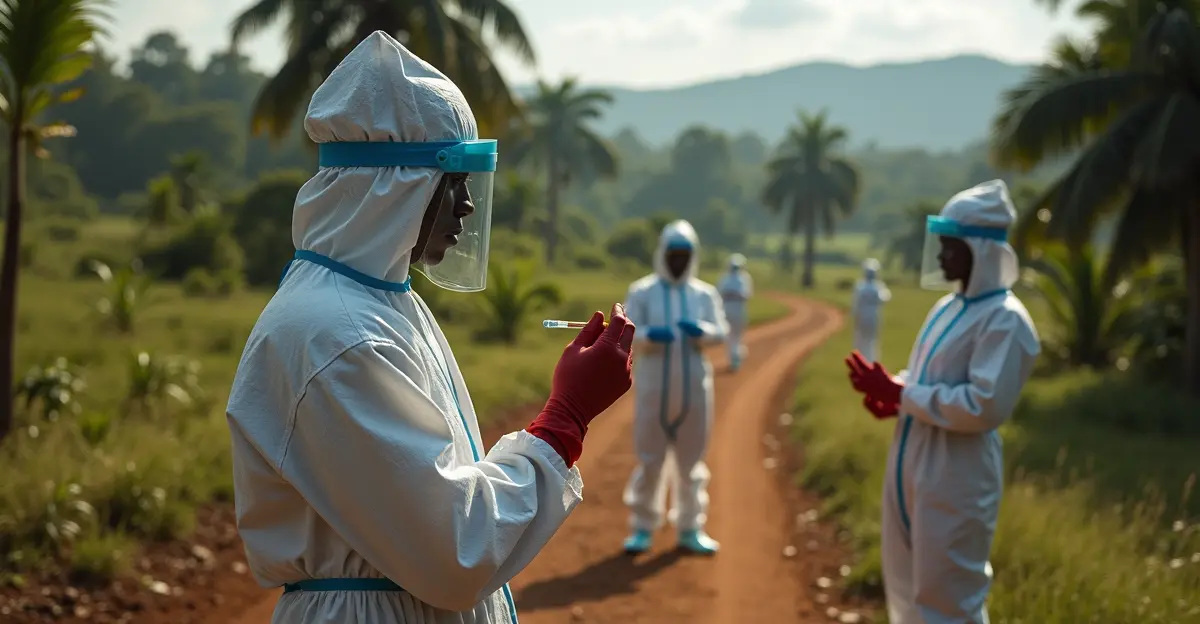
In response to the escalating crisis, authorities in Ituri province—the epicenter of the outbreak—have banned funeral gatherings and limited public assemblies to 50 people. Only trained medical teams are permitted to transport bodies of suspected Ebola victims. The measures follow a violent incident in Rwampara, where relatives of a suspected victim set fire to an Ebola treatment center after attempting to retrieve the body.
Security remains a major obstacle. Large parts of eastern DRC are under the control of armed rebel groups, including the M23, which is backed by Rwanda. "Violence and insecurity are hampering the response," Dr. Tedros wrote on X. The displacement of hundreds of thousands of people increases the risk of further spread. The DRC humanitarian crisis has compounded the difficulties faced by health workers.
Oxford University Races to Develop a Vaccine
Scientists at the University of Oxford are urgently developing a vaccine targeting the Bundibugyo strain. Using the same ChAdOx1 viral vector technology that underpinned the Oxford-AstraZeneca COVID-19 vaccine, the candidate—called ChAdOx1 BDBV—is undergoing animal testing at Oxford's Clinical BioManufacturing Facility. The Serum Institute of India has been lined up for mass production.
According to the BBC, the vaccine could be ready for clinical trials in two to three months. However, no animal efficacy data is yet available. Another experimental Bundibugyo vaccine is in development but is not expected to be tested for six to nine months. The Oxford Ebola vaccine development is seen as a critical step in closing the gap in global outbreak preparedness.
Impact and Implications
The outbreak is unfolding against a backdrop of a severe humanitarian crisis in eastern DRC, where millions already face food insecurity and displacement. The WHO has warned that the true number of cases is likely higher than reported, as surveillance is limited in conflict zones. Neighboring countries, including Rwanda, Burundi, and South Sudan, are on high alert.
The economic impact is also significant. Mining operations in the region—a key source of cobalt and coltan—may be disrupted as quarantine measures take effect. Trade restrictions and travel advisories could further strain the local economy.
Frequently Asked Questions
What is Ebola?
Ebola virus disease (EVD) is a severe, often fatal illness in humans. Symptoms include fever, severe headache, muscle pain, vomiting, diarrhea, and in some cases, internal and external bleeding. The virus spreads through direct contact with bodily fluids.
How is the Bundibugyo strain different?
Bundibugyo is a distinct ebolavirus species with a fatality rate of 25–40%. Unlike the Zaire strain, there is no licensed vaccine or specific treatment for Bundibugyo.
Is there a risk of global spread?
The WHO assesses the global risk as low. However, the regional risk is high, and cross-border transmission remains a concern.
What is being done to stop the outbreak?
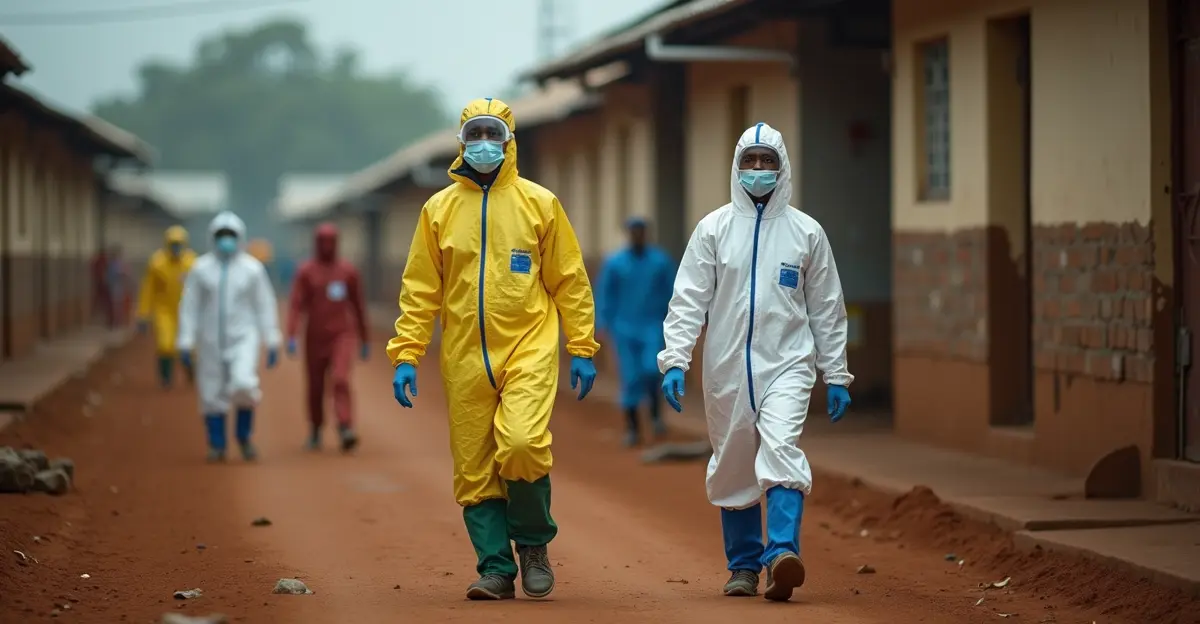
Authorities have implemented burial bans, contact tracing, and isolation measures. Oxford University is fast-tracking a vaccine, and the WHO has deployed emergency teams to affected areas.
Can existing Ebola vaccines work?
No. Existing vaccines target the Zaire ebolavirus and are not effective against Bundibugyo. A new vaccine is urgently needed.

Follow Discussion