


 Deutsch
 English
 Español
 Français
 Nederlands
 Português


 Share
Share




WHO Declares Public Health Emergency as Bundibugyo Virus Spreads
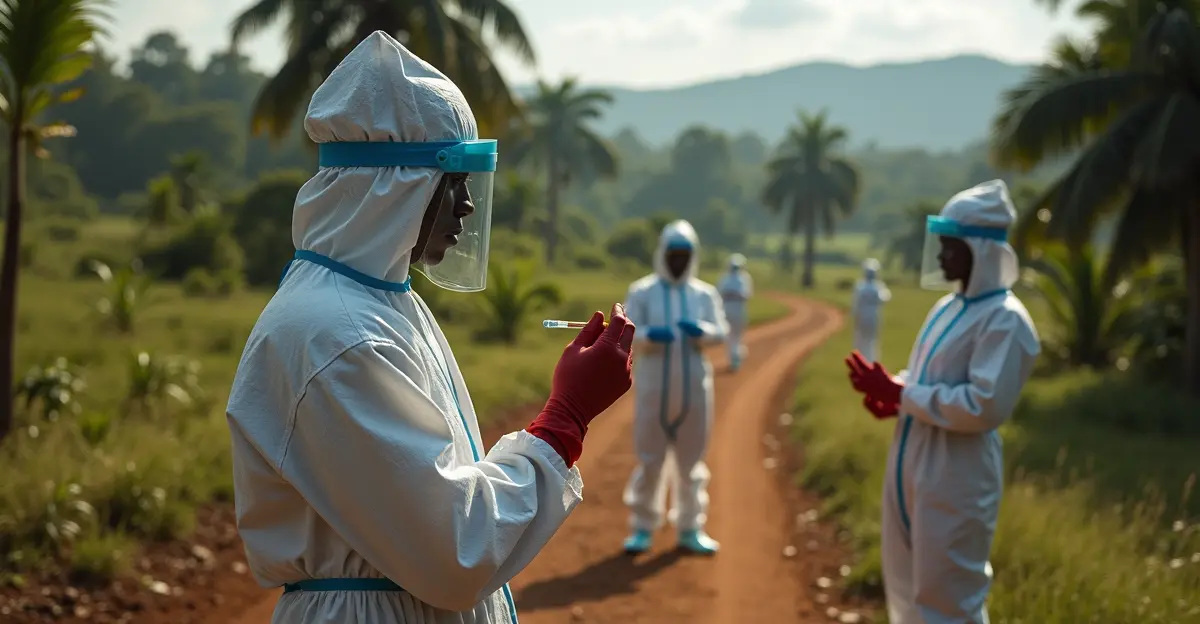
The World Health Organization (WHO) has declared the 2026 Ebola outbreak in the Democratic Republic of Congo (DRC) and Uganda a Public Health Emergency of International Concern (PHEIC). The outbreak, caused by the rare Bundibugyo virus variant, has already resulted in 51 confirmed cases, nearly 600 suspected cases, and at least 139 suspected deaths as of May 20, 2026. WHO Director-General Tedros Adhanom Ghebreyesus warned that while the global risk remains low, the national and regional risk levels are high due to ongoing transmission and the lack of approved vaccines or treatments for this strain.
The outbreak is concentrated in DRC's Ituri and North Kivu provinces, with additional confirmed cases reported in Uganda's capital, Kampala. The WHO emergency response mechanism has been activated to coordinate international aid and containment efforts.
Why This Outbreak Is Different: The Bundibugyo Variant
The Bundibugyo virus is one of six known ebolaviruses and was first identified in Uganda's Bundibugyo District during a 2007-2008 outbreak that infected 149 people and killed 37. A second outbreak occurred in Congo's Isiro region in 2012, with 57 cases. Unlike the more common Zaire ebolavirus — which has an approved vaccine (ERVEBO) and treatments — no licensed vaccines or specific therapeutics exist for Bundibugyo.
According to the Coalition for Epidemic Preparedness Innovations, experimental vaccines are in development, including an mRNA candidate from Moderna and a University of Oxford-developed vaccine expected to arrive in the DRC soon. However, none have completed clinical trials. The fatality rate for Bundibugyo is estimated at 25–50%, lower than the Zaire strain's 90%, but the lack of medical countermeasures makes containment critical.
Challenges in Containment
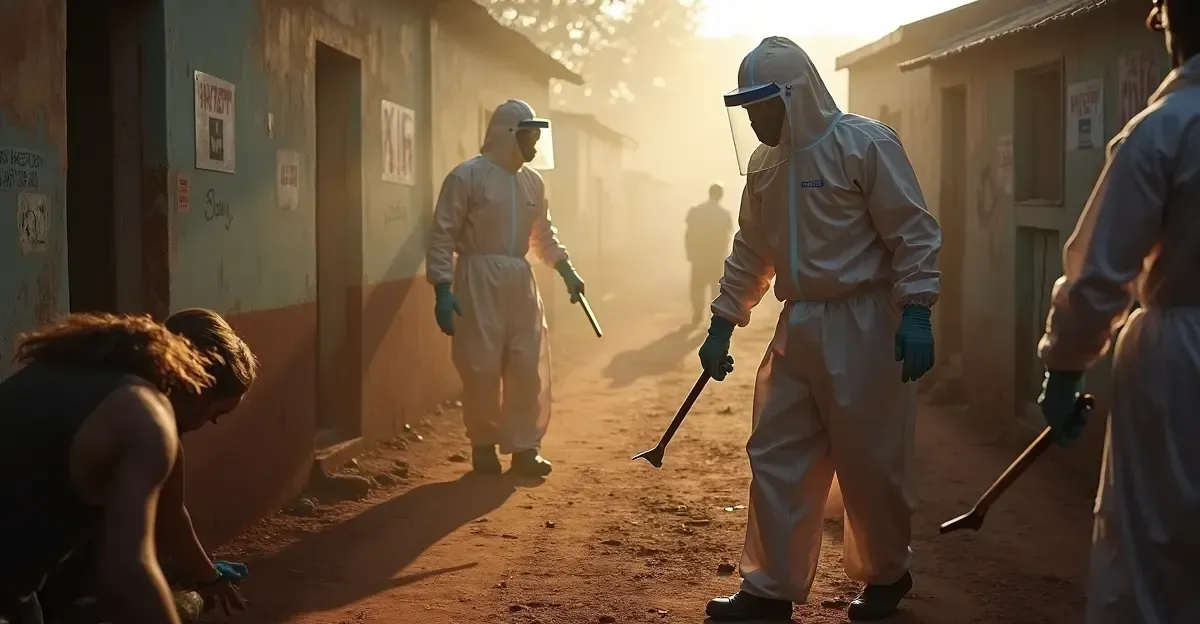
Several factors are complicating the response. The virus was detected late — the first patient died on April 24 in Bunia, but the infection was only confirmed weeks later. The body was transported to the densely populated mining area of Mongbwalu, potentially accelerating spread. Insecurity from armed rebel groups in eastern DRC hampers access for health workers, while the region's existing humanitarian crisis has weakened health infrastructure.
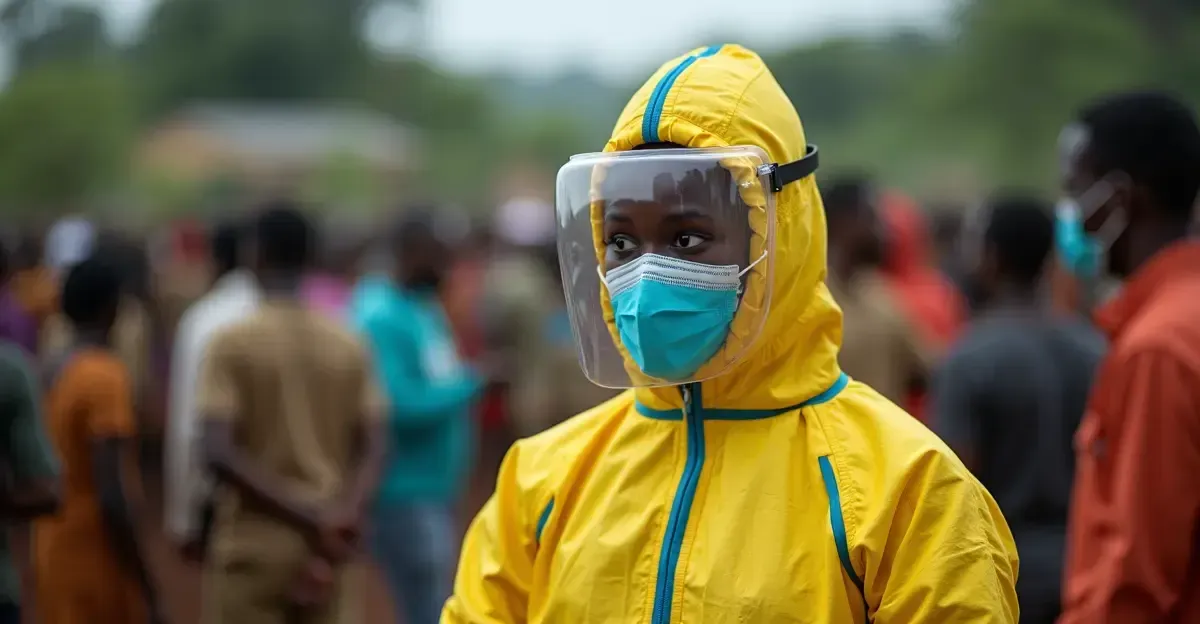
Médecins Sans Frontières (Doctors Without Borders) reported that hospitals are overwhelmed, with a severe shortage of isolation beds for suspected Ebola patients. "All the facilities we approached were full," said emergency coordinator Trish Newport. Public handwashing stations are scarce, and in Bunia, face masks have become scarce while prices of disinfectants have surged.
Cross-Border Spread and International Response
Uganda has confirmed two cases in Kampala, both linked to travelers from the DRC. The WHO has urged enhanced surveillance and cross-border coordination. The U.S. Centers for Disease Control and Prevention (CDC) issued a Health Alert Network advisory on May 19, noting that while the risk to the United States remains low, clinicians should be vigilant for patients with compatible symptoms and travel history to affected areas.
The DRC government expects deliveries of an experimental Oxford vaccine from the U.S. and U.K. soon. However, the global health security architecture faces scrutiny as funding cuts and competing priorities strain preparedness systems.
What Are the Symptoms and How Does It Spread?
Ebola virus disease symptoms typically appear 2–21 days after exposure and include sudden fever, fatigue, muscle pain, headache, sore throat, vomiting, diarrhea, and abdominal pain. In severe cases, internal and external bleeding may occur. The virus spreads through direct contact with blood or bodily fluids of infected individuals (alive or deceased) or contaminated surfaces. Unlike airborne illnesses, Ebola does not spread through the air.
FAQ: Ebola Outbreak 2026
What is the Bundibugyo virus?
Bundibugyo virus is a species of ebolavirus first identified in Uganda in 2007. It causes Ebola disease with a fatality rate of 25–50%. There are no approved vaccines or specific treatments for this strain.
How many cases have been reported?
As of May 20, 2026, the WHO reports 51 confirmed cases, nearly 600 suspected cases, and at least 139 suspected deaths across DRC and Uganda.
Is there a vaccine?
No approved vaccine exists for Bundibugyo. The only licensed Ebola vaccine (ERVEBO) targets the Zaire strain. Experimental vaccines are in development, with Oxford University's candidate expected to arrive in the DRC soon.
Should travelers be concerned?
The WHO assesses global risk as low. The CDC advises travelers to avoid nonessential travel to affected areas and practice hand hygiene. Symptomatic travelers should seek medical attention and disclose their travel history.
What is being done to stop the outbreak?
The WHO has declared a PHEIC, triggering international coordination. Efforts include contact tracing, community engagement, isolation of suspected cases, and preparing for experimental vaccine deployment. Insecurity and infrastructure gaps remain major obstacles.

Follow Discussion