


 Deutsch
 English
 Español
 Français
 Nederlands
 Português

 Share





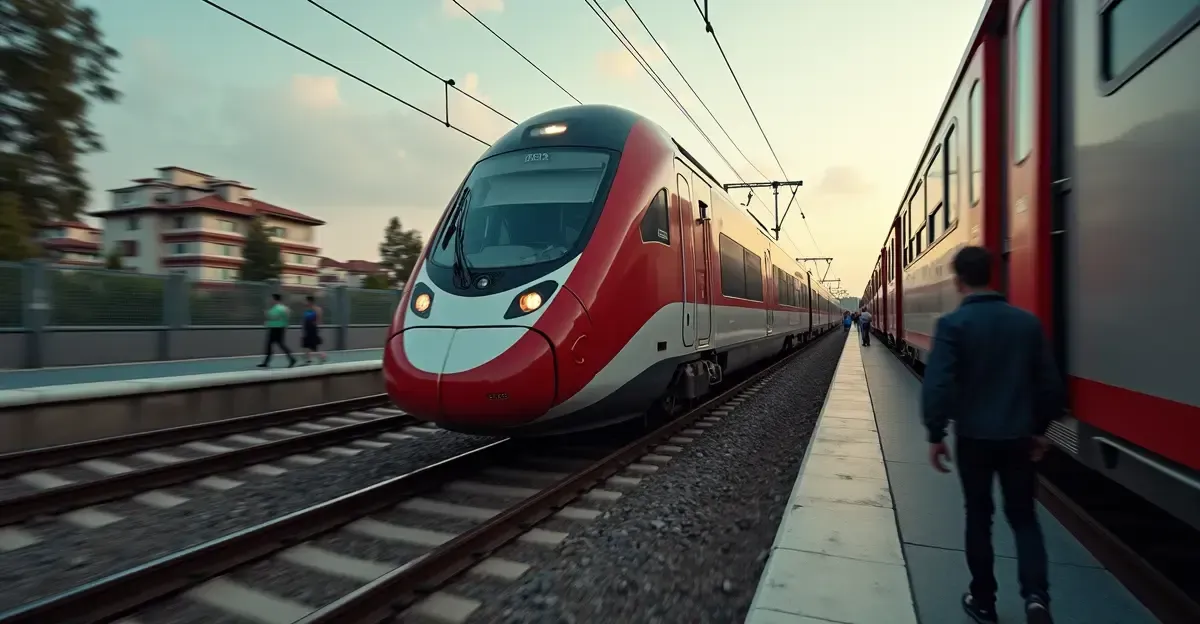
A catastrophic Spain train crash on 28 October 2026 near Los Yébenes in Toledo province killed at least 68 people and injured 179 when a Renfe AVE high-speed train rear-ended a stationary Iryo service on the Madrid–Seville line. The collision, Europe’s deadliest rail disaster since 2013, has triggered a major investigation and renewed scrutiny of Spain’s rail safety systems.
What happened in the Spain train crash?
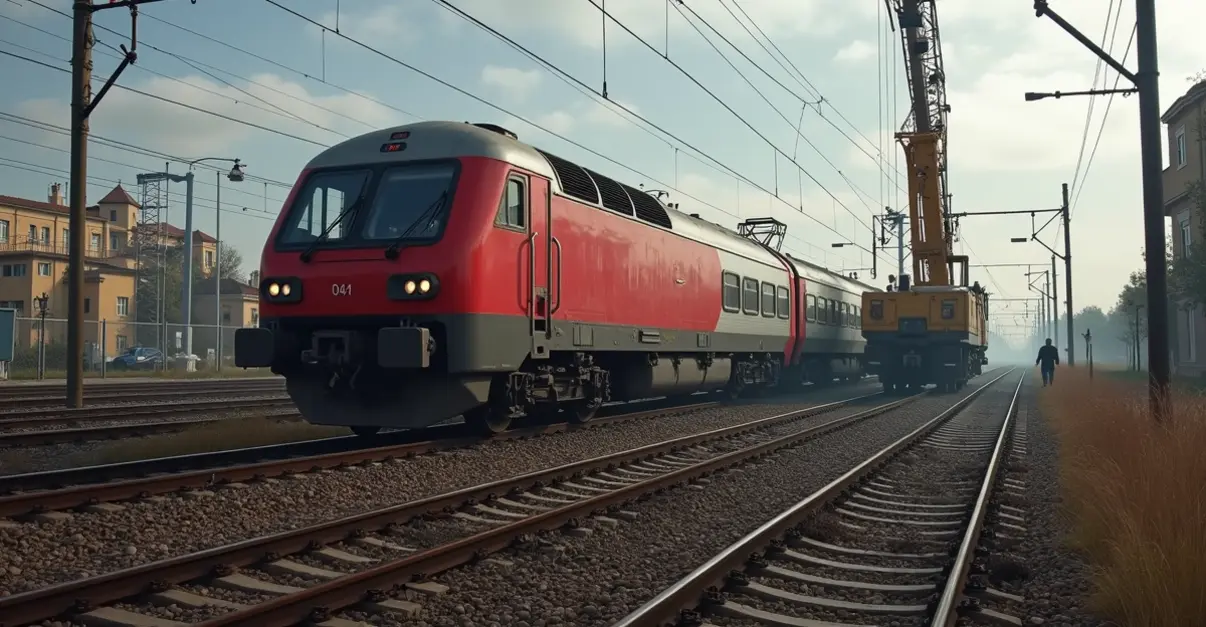
The accident occurred at about 08:54 CET on the high-speed line connecting Madrid and Seville. An Iryo train carrying 147 passengers had stopped on the tracks, reportedly after an automated signalling system failure. Approximately five minutes later, a Renfe AVE train with 397 people on board struck the rear of the Iryo service at speed. Two carriages derailed and fell down an embankment, leaving dozens of bodies in the wreckage. According to the Wikipedia overview of the 2026 Toledo train collision, preliminary reports attribute the crash to human error by an ADIF operator after the automated signalling system failed and operations switched to manual control. The Spain rail safety review now faces intense public scrutiny.
Survivor accounts: “Your life flashes by in a second”
Passengers described a sudden, violent impact. One survivor told Spanish newspaper El País: “Your life flashes before your eyes in a second without you realizing it.” Another recalled luggage flying through the air. A man who was in the stationary Iryo train told radio station Onda Cero that about five minutes after the stop he felt “a very, very hard impact.” He added: “I was in the aisle and was thrown four or five seats further.” After the collision, he saw dead people in the carriage. Other passengers said some people suffered broken legs and that a metal object struck someone. Many family members rushed to the scene, and at Madrid’s Atocha station relatives were assisted by counsellors because they often arrived “very nervous” after being unable to contact loved ones.
Cause and investigation
Spain’s transport minister Óscar Puente said a computer communications failure disabled a safety system on a 39-mile stretch around 08:30, halting trains. Central command then authorised the Renfe train to resume without a speed limit, leading to the collision at about 08:53. Puente called the decision “inexplicable” but did not assign blame, and engineers were cleared. The Spanish railway signalling failure is being examined by the AITAT, Spain’s rail accident investigation authority. This was the second fatal high-speed crash in Spain in 2026, following the Adamuz rail disaster on 18 January that killed 46 people.
Impact and response
Prime Minister Pedro Sánchez cancelled his schedule and promised a full investigation. King Felipe VI and Queen Letizia expressed condolences. Emergency services deployed 200 military personnel, helicopters and mobile intensive care units, while Madrid issued an urgent blood-donor appeal. High-speed services between Madrid and Andalusia were suspended. The European rail safety standards debate has gained urgency after back-to-back tragedies on the same line, raising questions about maintenance investment and automated system reliability.
FAQ
How many people died in the 2026 Spain train crash?
At least 68 people were confirmed dead and 179 injured, with 15 in critical condition, in the 28 October 2026 collision near Toledo, Spain.
What caused the Toledo train collision?
Preliminary findings point to a communications failure that triggered a red signal; the Renfe train was wrongly authorised to continue and rear-ended a stationary Iryo train, according to Spain’s transport minister.
Were there other recent train crashes in Spain?
Yes. On 18 January 2026, the Adamuz rail disaster on the same Madrid–Seville line killed 46 people and injured 292, making 2026 Spain’s deadliest year for rail accidents since 2013.
Is it safe to travel by high-speed train in Spain?
Spanish high-speed rail is generally considered safe, but the two 2026 crashes have prompted investigations and calls for improved signalling redundancy and maintenance oversight.
Follow Discussion