


 Deutsch
 English
 Español
 Français
 Nederlands
 Português


 Share
Share




Nationwide Rail Strike Paralyzes Spain After Deadly Accidents
Spain's railway network has ground to a halt as a three-day nationwide strike by rail workers began today, February 9, 2026. The industrial action comes in response to two fatal train accidents in late January that claimed 47 lives and has exposed deep concerns about rail safety standards in Europe's second-largest high-speed network.
Safety Warnings Ignored Before Tragedy
The strike was called by the Spanish Train Drivers' Union (SEMAF) after what union leaders describe as years of ignored warnings about deteriorating infrastructure. 'We warned for a long time that this could happen and demanded immediate measures. Until these tragic accidents, nobody listened to the staff,' says Diego Martín Fernández, SEMAF's Secretary-General.
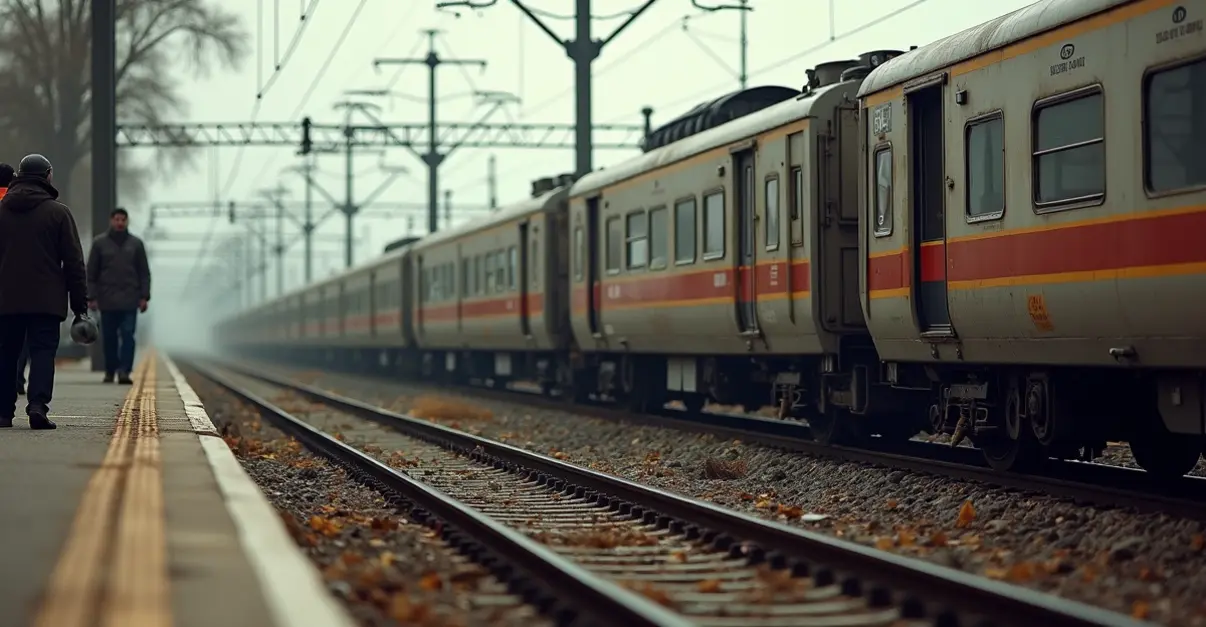
The union had sent multiple warning letters to rail infrastructure manager Adif in 2025, highlighting concerns about track quality and maintenance issues on older lines that remain heavily used. 'Maintenance is being reduced on certain lines while investments go mainly to building new routes,' Martín explains.
Passenger Trauma and Government Response
Mario Samper, a passenger who survived the Córdoba crash, describes the terrifying experience: 'It all happened in a few seconds. It felt like we were in a blender.' Samper, who was in the fourth wagon of the train that collided with a derailed train, adds: 'My wagon was still more or less on the track. The wagons in front had fallen about 4 meters down. People were trapped there begging for help.'
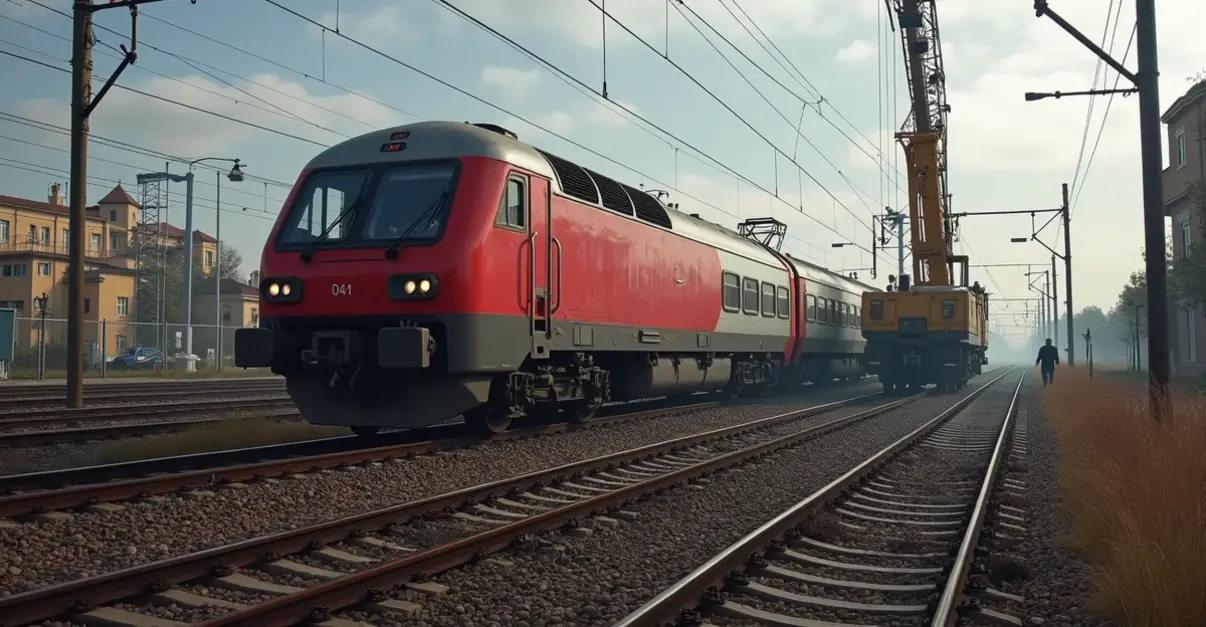
The accident near Córdoba on January 18 was Spain's second-worst rail disaster in history, occurring just days after another fatal crash. Preliminary investigations suggest track fractures caused the derailment.
Transport Minister Óscar Puente had attempted to avert the strike through last-minute negotiations but failed to reach agreement with unions. While all parties described talks as constructive, unions claimed the government didn't offer sufficient concessions on safety improvements.
Broader Implications for European Rail Safety
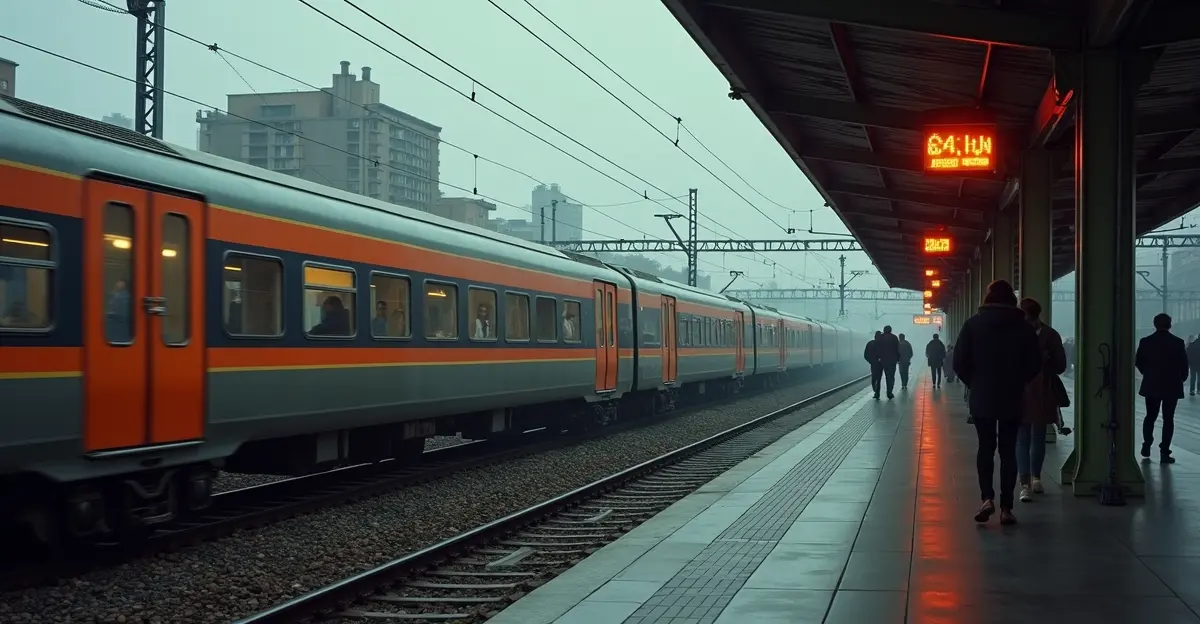
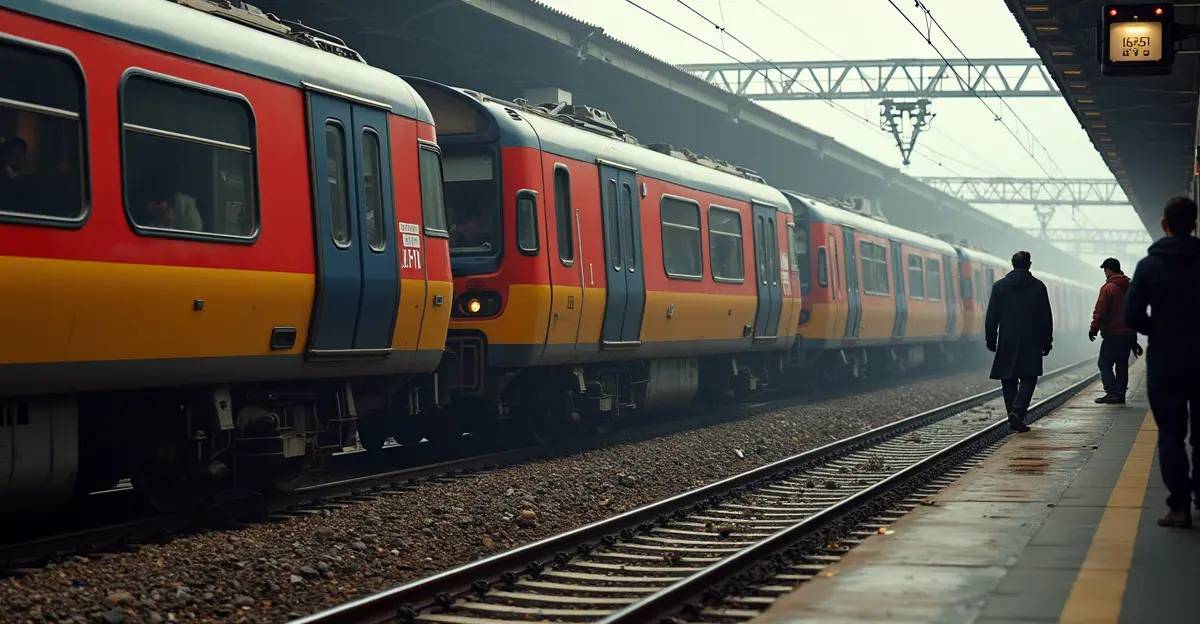
The strike has caused massive disruptions across Spain's rail network, with Cercanías commuter services operating at 75% capacity during peak hours and 50% at other times. Over 330 intercity and long-distance trains have been cancelled.
The accidents have raised serious questions about Spain's rail safety standards despite the country having the world's second-largest high-speed network after China. 'We should be an example for other European countries. Precisely because we're such a pioneer in Europe,' says Martín. 'That requires a good approach to problems so they can be prevented elsewhere.'
Samper, who comes from a railway family, says he'll never travel by train again: 'I've traveled by train for years, but I'll never be able to travel by train now.'
The strike continues through February 11, with unions vowing to maintain pressure until they see concrete safety improvements and greater worker involvement in decision-making processes.

Follow Discussion