


 Deutsch
 English
 Español
 Français
 Nederlands
 Português


 Share
Share




Spanish Train Drivers Demand Safety Overhaul After Triple Tragedy
Spain's largest train drivers' union, SEMAF, has called for a nationwide strike following a devastating series of train accidents that have killed at least 43 people and injured dozens more in just three days. The union is demanding urgent safety improvements and criminal prosecution for those responsible for railway safety failures, as the country reels from its deadliest rail disaster in over a decade.
A Tragic Sequence of Events
The crisis began on Sunday evening when a high-speed train derailed near Adamuz in the southern region of Andalusia. The train veered onto an adjacent track and was struck by another train coming from the opposite direction. The collision resulted in 42 confirmed deaths, with dozens more hospitalized and some passengers still missing, potentially trapped in the wreckage.
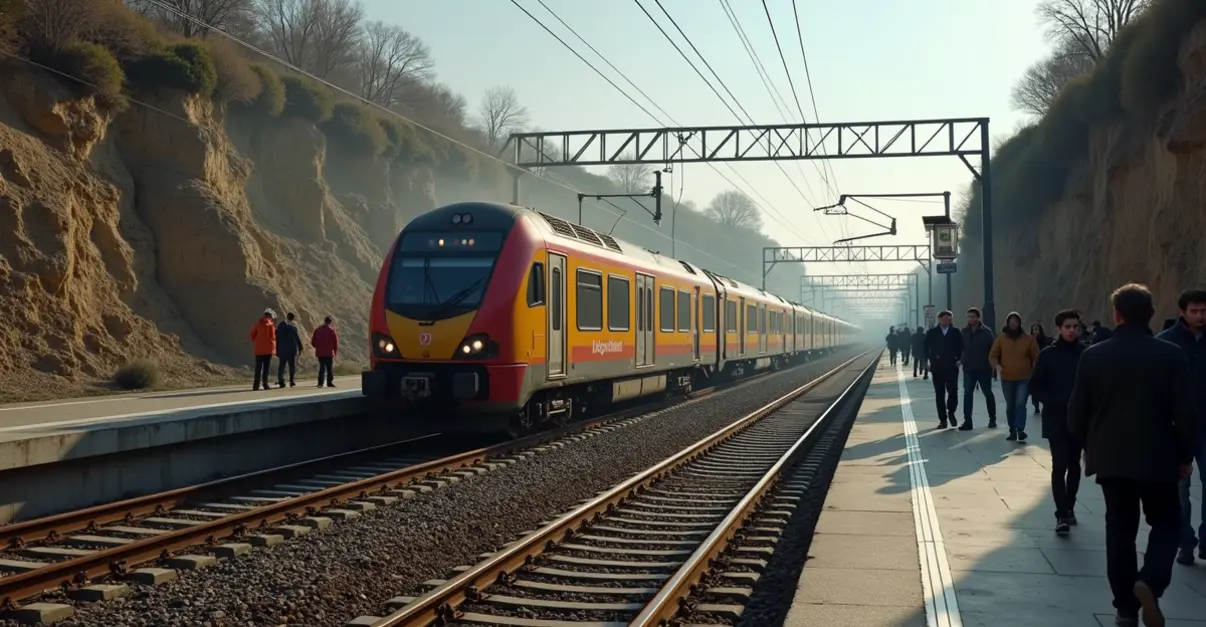
Just two days later, tragedy struck again near Barcelona in Catalonia. A commuter train collided with debris from a collapsed retaining wall, killing the driver and injuring at least 37 passengers, five of them seriously. That same evening, another train derailed in the same region near Blanes due to stones on the tracks, though no injuries were reported in that incident.
'We at SEMAF are deeply saddened and find this continuous deterioration of the railway network unacceptable,' the union stated in an emotional declaration. 'Urgent measures must be taken across our entire network to guarantee the safety of professionals and passengers.'
Union Demands and Government Response
SEMAF has been warning about infrastructure problems for months. According to reports, the union alerted rail infrastructure operator Adif in August about severe wear and tear on tracks, citing potholes, bumps, and power line imbalances that were causing frequent breakdowns on high-speed lines.
The union insists that while storm damage contributed to some accidents, the fundamental issue is deteriorating infrastructure. 'Yesterday evening we received the tragic news of yet another colleague's death,' SEMAF noted, referring to the driver killed in the Barcelona incident. 'Several other colleagues and travelers were injured, some seriously.'
Transport Minister Oscar Puente has acknowledged the drivers' distress but suggested that two of the three recent derailments were weather-related rather than infrastructure failures. Meanwhile, Adif has implemented speed restrictions on the Madrid-Barcelona line and dispatched maintenance teams to inspect tracks across the country.
Widespread Disruption and Safety Concerns
The Rodalies commuter network in Catalonia, which connects Barcelona's suburbs, has been completely suspended following the accidents. SEMAF insists that service should only resume when safety is guaranteed and legally documented.
The accidents have caused major travel chaos across Spain, with commuters forced to find alternative transportation. The government has declared three days of national mourning, and emergency services continue search and rescue operations at the Andalusia crash site.
Spain's high-speed rail network is the world's second largest after China's, but these tragedies have raised serious questions about maintenance standards and safety protocols. As investigations continue into the causes of each accident, the nation faces not only grief but also a critical examination of its railway system's integrity.
The strike call represents a dramatic escalation in tensions between railway workers and management, with drivers putting their livelihoods on the line to demand what they see as essential safety reforms. The coming days will determine whether this tragedy leads to meaningful change or further conflict in Spain's transportation sector.
Follow Discussion