


 Deutsch
 English
 Español
 Français
 Nederlands
 Português


 Share





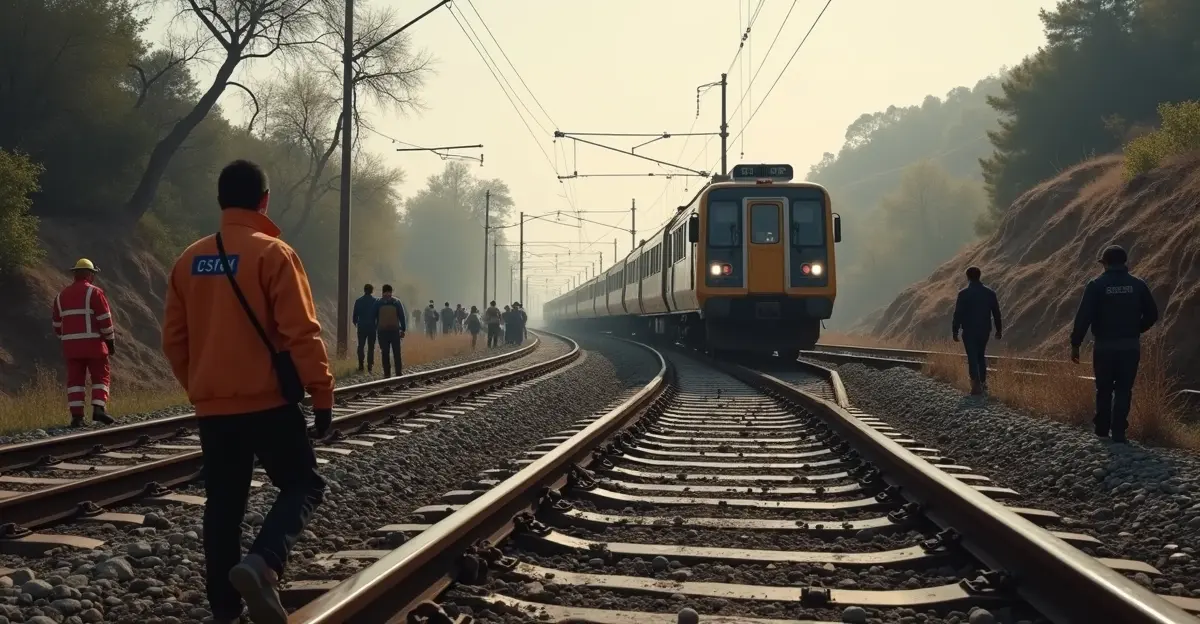
At least 68 people were killed and more than 100 injured in the deadliest Spain train collision since 2013, after a Renfe AVE high-speed train struck the rear of a stationary Iryo train on the Madrid–Seville line near Toledo on 28 October 2026. The crash, between the towns of Mora and Orgaz, derailed two carriages down an embankment and prompted Spain to declare three days of national mourning.
What happened in the Spain train collision?
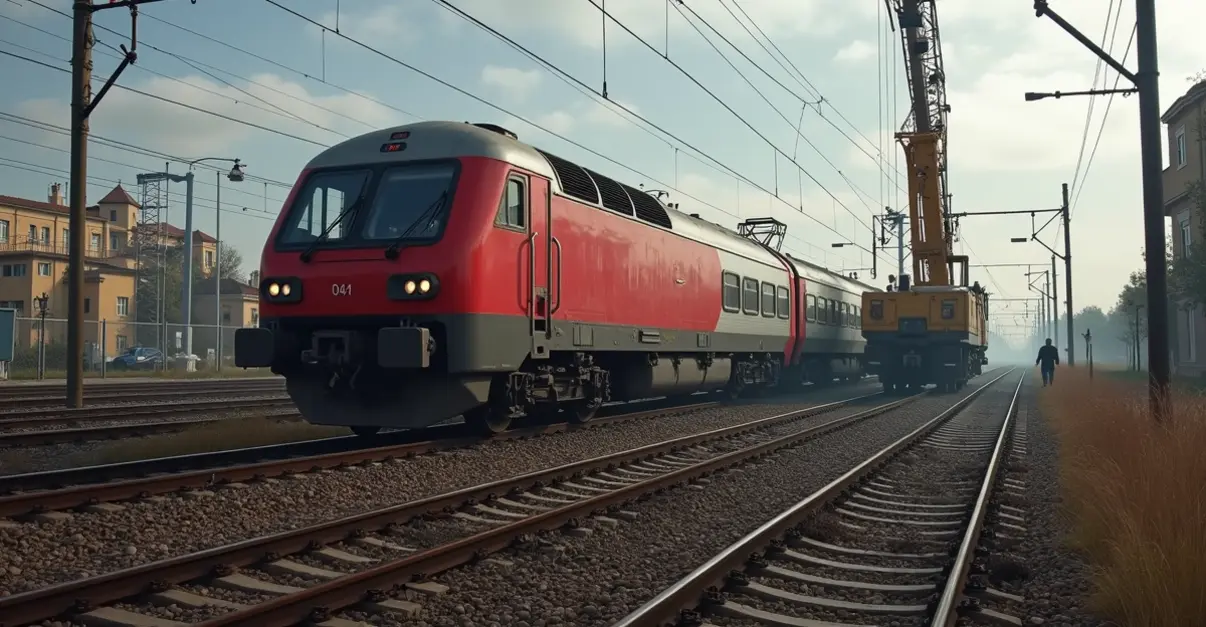
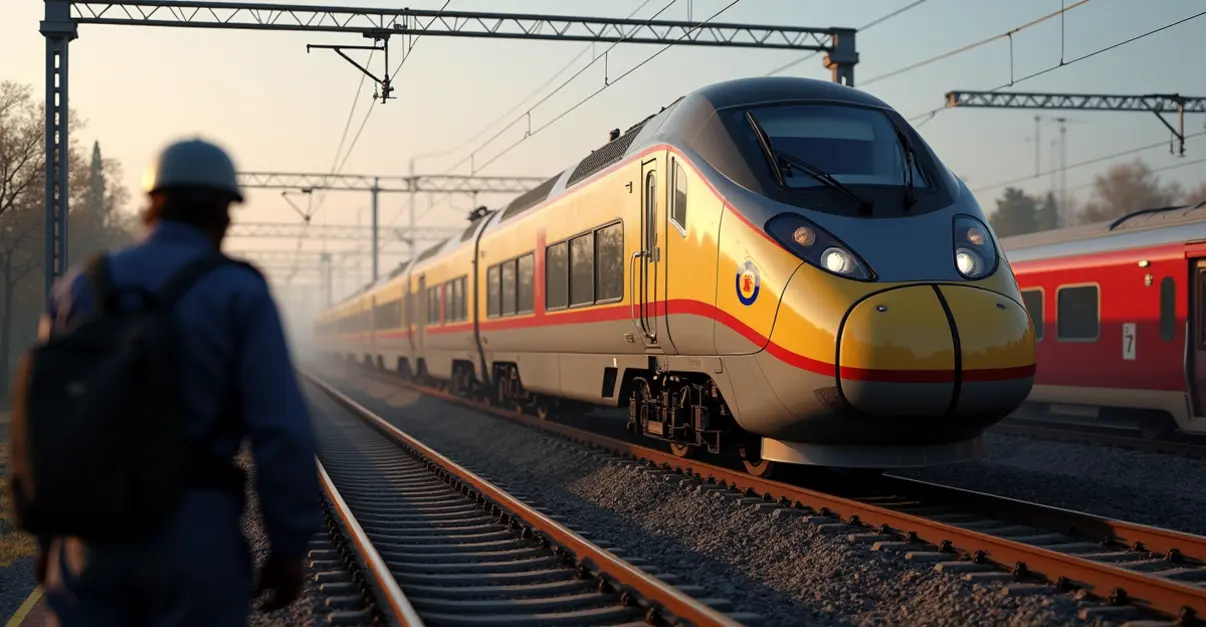
The Iryo train 6076 departed Madrid Atocha station at 07:54 CET with 147 people on board, followed six minutes later by AVE train 2080 carrying 397 passengers, both bound for Seville–Santa Justa. At 08:54, the AVE collided with the rear of the Iryo, which had stopped after a signalling system failure. Two carriages tumbled down a slope, and emergency crews recovered 24 victims from the Renfe train alone. Authorities initially reported 64 deaths before raising the toll to 68, with the figure expected to climb.
Timeline of the Spain train collision
- 07:54 – Iryo train 6076 leaves Madrid Atocha with 147 passengers
- 08:00 – Renfe AVE train 2080 departs with 397 passengers
- 08:30 – Signalling computer fails, halting about six trains over a 63 km stretch
- 08:54 – The AVE rear-ends the stopped Iryo near Los Yébenes and Urda
Why did the Spain train collision happen?
Preliminary findings point to human error after the automated signalling system went down. State railway manager ADIF said a control centre operator authorised the AVE to resume normal speed while the Iryo was still stationary ahead. 'A computer failure halted six trains, and the control centre then gave an inexplicable order to resume without speed restrictions,' Transport Minister Óscar Puente said. The Independent Authority for the Technical Investigation of Accidents and Incidents (AITAT) has opened a formal probe.
Safety analysts say the incident echoes long-standing warnings about Spain high-speed rail safety and maintenance backlogs on the ageing Madrid–Andalusia corridor.
Casualties and rescue effort
Of the 68 confirmed dead, former Spanish employment minister Fátima Báñez was among the victims; she was travelling in the last carriage of the Iryo train. At least 58 people were hospitalised, including 15 in serious condition, while more than 100 received medical attention. In total, 544 passengers were aboard the two services.
Emergency teams converted Urda's sports hall into a refuge, and Madrid's blood transfusion centre issued an urgent donation appeal. Renfe opened a phone line for relatives and set up a reception area at Atocha station, where families waited for news.
Spain's repeated high-speed rail disasters
The crash follows the January 2026 Adamuz rail disaster that killed 46 people on the same Madrid–Seville line, and the 2013 Santiago de Compostela derailment that killed 79. Union leaders had warned for months that signalling and maintenance risks were being neglected.
| Date | Location | Deaths | Cause |
|---|---|---|---|
| 28 Oct 2026 | Toledo, Spain | 68+ | Human error after signal failure |
| 18 Jan 2026 | Adamuz, Córdoba | 46 | Derailment and secondary collision |
| 24 Jul 2013 | Santiago de Compostela | 79 | Excessive speed on curve |
Impact and response
High-speed services between Madrid and Andalusia were suspended, with more than 80 trains cancelled on the first day. Prime Minister Pedro Sánchez declared three days of mourning from 29 to 31 October and promised any negligence would be exposed. King Felipe VI and Queen Letizia offered condolences to the injured and bereaved.
The disaster raises fresh questions about European rail signalling systems and whether privatisation and rising passenger demand have outpaced safety investment.
FAQ: Spain train collision
What caused the Spain train collision?
A signalling computer failure forced manual operation, and an ADIF operator authorised a train to proceed at normal speed while another was stopped ahead.
How many people died in the Spain train crash?
At least 68 people were killed, and authorities expect the toll to rise as recovery teams reach the bottom of derailed carriages.
Where did the Spain train collision happen?
The collision occurred near Los Yébenes and Urda in Toledo province, between Mora and Orgaz on the Madrid–Seville high-speed line.
Will Spain's high-speed rail services be suspended?
Yes, Renfe and Iryo suspended Madrid–Andalusia high-speed services, with more than 80 trains cancelled; no full restoration timeline has been confirmed.
How does Spain's rail safety record compare?
Spain has Europe's largest high-speed network, but the 2026 Toledo crash is the second fatal high-speed incident in nine months, prompting an independent investigation.
Follow Discussion