


 Deutsch
 English
 Español
 Français
 Nederlands
 Português

 Share





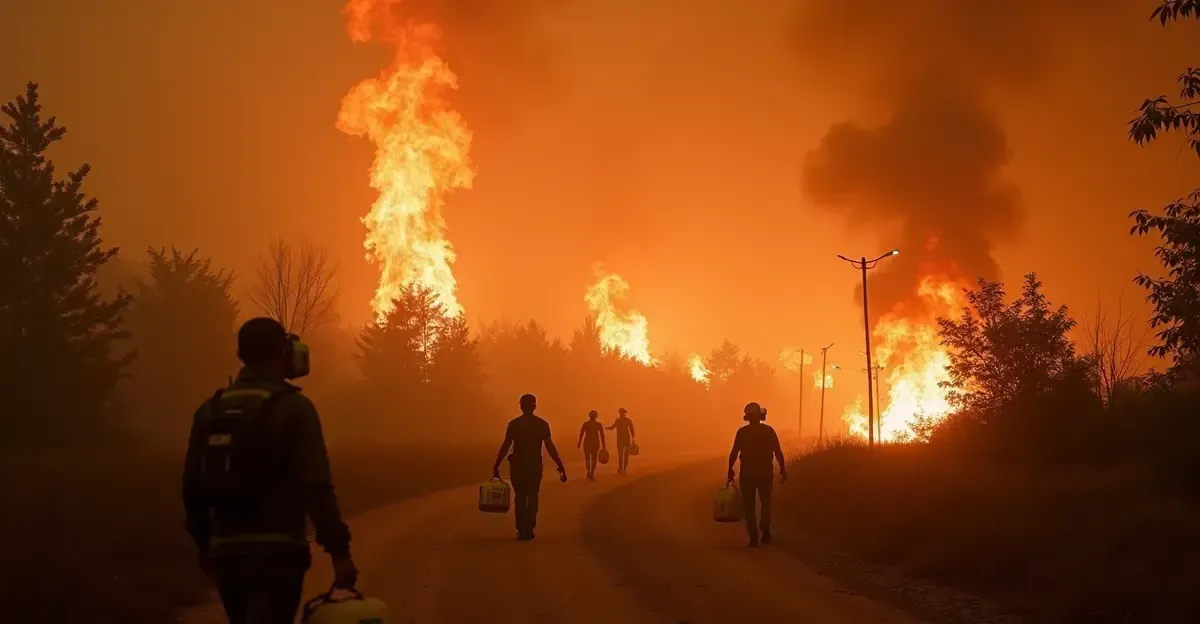
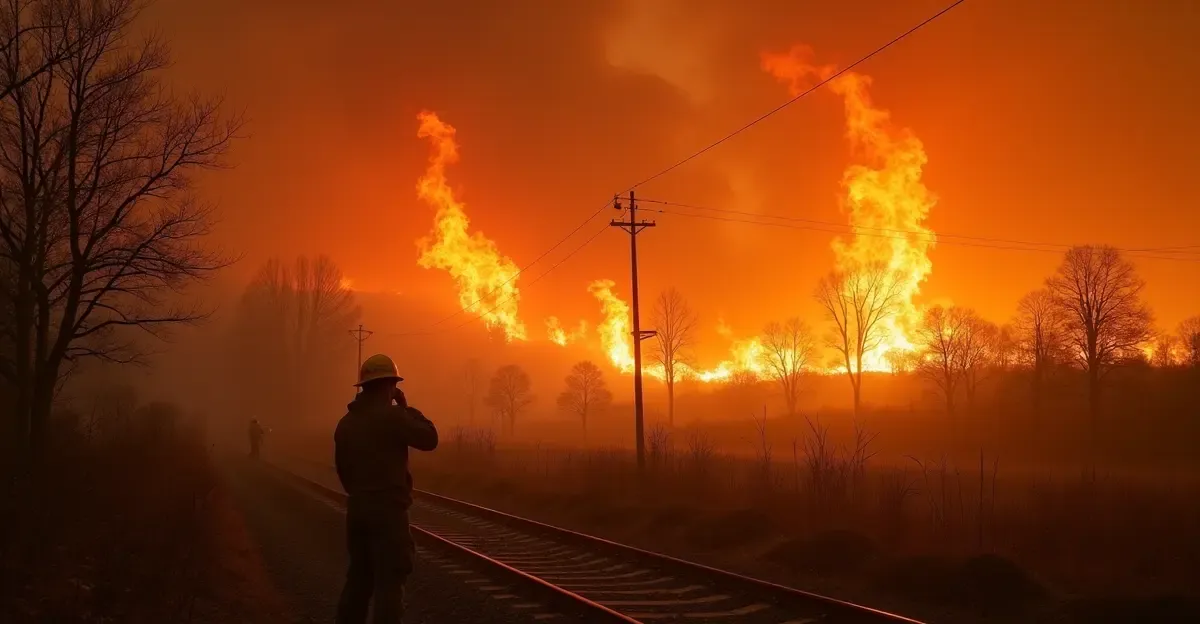
Indonesia wildfires in 2026 have already consumed nearly 2 million hectares of forest and peatland, with toxic smoke now blanketing much of western Indonesia and neighboring Southeast Asian countries. The fires, which began in June and intensified under a record-strength El Niño, have pushed air quality in Singapore, Kuala Lumpur, and Borneo into the dangerous category, disrupting flights and closing schools across the region.
What Is Causing the 2026 Indonesia Wildfires?
The current Indonesia wildfires are closely linked to a historically severe El Niño climate phenomenon. Normally, trade winds carry moisture from the Pacific Ocean toward Indonesia, producing heavy rainfall. During an El Niño, those winds weaken or stop, leaving the archipelago unusually dry for months. Professor Guido van der Werf, a wildfire expert at Wageningen University, explained: Normally the air comes from the Pacific Ocean toward Indonesia, so it is quite humid. During El Niño the trade wind actually stops, so that moist air is no longer supplied and it stays very dry in Indonesia.
This year's El Niño is comparable to, or even stronger than, the 1997–1998 event, according to researchers. The prolonged drought has created ideal conditions for fires that are already a seasonal practice in Indonesia.
How Big Is the 2026 Wildfire Crisis?
Nearly 2 million hectares have burned since June, according to Indonesian authorities cited by NOS. Independent monitoring recorded more than 1 million wildfire hotspots by 14 October 2026, surpassing the 885,037 hotspots recorded in 2019, the previous worst year. Satellite data show smoke drifting from Sumatra and Kalimantan across the region.
- Burned area: nearly 2 million hectares as of mid-October 2026
- Wildfire hotspots: more than 1 million recorded
- Carbon released: about 140.5 megatonnes by early October
- Respiratory infections: around 300,000 reported in recent weeks in Indonesia
The scale brings comparisons to the 2015 haze crisis, when almost 3 million hectares burned and caused an estimated US$16.1 billion in economic damage. The Southeast Asian haze crisis of 2026 has already triggered emergency alerts, school closures, and flight cancellations in several countries.
Peatland Fires and Zombie Fires
Indonesia holds about 36% of the world's tropical peatlands. When drained, these carbon-rich soils become highly flammable and can smolder underground for weeks as so-called zombie fires, releasing fine particulate matter and toxic gases such as formaldehyde and hydrogen cyanide. Professor van der Werf noted that peat fires will keep smoldering for a few weeks even after the monsoon begins.
Health and Regional Impact of the Toxic Haze
The smoke has severely degraded air quality across Southeast Asia. Singapore was repeatedly ranked as having the world's worst air quality in recent weeks, while air quality in Kuala Lumpur and Borneo has been classified as dangerous. In Indonesia alone, around 300,000 people have reported respiratory infections in recent weeks, and hundreds of students protested in Makassar demanding stronger government action.
Van der Werf described the health toll: These are very large concentrations of smoke. It is very bad for people's health. Your eyes start to water and you become nauseous. He added that locals often cannot escape the haze for months, unlike researchers who can leave.
The air quality in Singapore and neighboring countries has also strained diplomatic relations, with Malaysia and Singapore urging Jakarta to do more to fight the fires and accept external help.
Why Slash-and-Burn Farming Fuels the Fires
Fire is a traditional land-clearing method for small farmers, but it is also used illegally by large palm oil companies to clear forest for new plantations. Although slash-and-burn is officially banned, enforcement remains weak. Professor van der Werf explained the dilemma: You have tropical forest. People want to get rid of it, and the cheapest way is to set it on fire. We see fire as danger, but there fire is a tool for deforestation.
He said farmers are conflicted: On the one hand they need it as a tool to deforest. On the other hand they also see how the population is suffering. Authorities have arrested 162 people for starting illegal fires, and several companies have been prosecuted.
What Happens Next? Monsoon Forecast and Long-Term Solutions
Firefighters have struggled for months to control the blazes, but experts say only the monsoon can extinguish them. Van der Werf expects dry conditions to continue for a few more weeks, with significant rain arriving in November or possibly December. Then it stops. The peat fires will keep smoldering for a few weeks, but then the large-scale burning stops.
Longer term, Indonesia has introduced new regulations since 2015, but enforcement remains the main obstacle. That regulation is not yet very effective, but more can still be done, Van der Werf said. Until the rains arrive, Indonesia and its neighbors have little choice but to wait.
Frequently Asked Questions
What is causing the Indonesia wildfires in 2026?
The fires are driven by a record-strength El Niño, which has prolonged Indonesia's dry season, combined with widespread slash-and-burn land clearing by farmers and palm oil companies.
How many hectares have burned in Indonesia in 2026?
Nearly 2 million hectares have burned since June 2026, according to authorities cited by NOS, with more than 1 million wildfire hotspots recorded by mid-October.
When will the Indonesia wildfire smoke end?
Experts expect the monsoon rains to arrive in November or December 2026, which should stop large-scale burning, although peat fires may smolder for weeks afterward.
Is the 2026 haze worse than 2015?
The 2015 crisis burned almost 3 million hectares, slightly more than the current figure, but the 2026 event has already produced more hotspots than 2019 and caused severe transboundary haze.
Why is El Niño making Indonesia wildfires worse?
El Niño weakens the trade winds that normally bring moist Pacific air to Indonesia, leaving the country dry for months and making vegetation and peat highly flammable.



Follow Discussion