


 Deutsch
 English
 Español
 Français
 Nederlands
 Português


 Share
Share




What is El Niño?
El Niño is a complex climate phenomenon characterized by warmer-than-average sea surface temperatures in the central and eastern Pacific Ocean near the equator. This natural climate pattern, part of the El Niño-Southern Oscillation (ENSO) cycle, occurs every 2-7 years and typically lasts 9-12 months. According to the latest forecast from the U.S. National Oceanic and Atmospheric Administration (NOAA), there's a 50-60% probability that El Niño will develop later this year, potentially triggering new global temperature records and extreme weather events worldwide.
Current Forecast and Probability Analysis
The Climate Prediction Center's February 2026 ENSO Diagnostic Discussion reveals that while La Niña conditions persisted through January 2026, a transition to ENSO-neutral conditions is expected during February-April 2026 with a 60% probability. More significantly, forecast models indicate a 50-60% chance of El Niño developing by late summer or early fall 2026. Meteorologist Reinout van den Born warns that if El Niño forms, 'worldwide heat records are lurking' and 'you will get substantial temperature records.'
Why This El Niño Could Be Particularly Significant
The last El Niño event in 2024 contributed to making that year one of the hottest on record. With global temperatures already elevated due to human-caused climate change, even the temporary 0.1-0.2°C boost from El Niño could be enough to push 2026 into record-breaking territory. 'Since there is heat in the system, the chance of a warm summer in the Netherlands will certainly increase,' notes Van den Born, highlighting how even regions distant from the Pacific can experience effects.
El Niño vs. La Niña: Key Differences
| Feature | El Niño | La Niña |
|---|---|---|
| Pacific Ocean Temperatures | Warmer than average | Cooler than average |
| Trade Winds | Weakened | Strengthened |
| Global Temperature Impact | Increases temperatures | Decreases temperatures |
| Atlantic Hurricane Activity | Suppressed | Enhanced (30% increase) |
| Rainfall Patterns | Wetter in Americas, drier in Australia/SE Asia | Drier in Americas, wetter in Australia/SE Asia |
| Typical Duration | 9-12 months | 9-12 months |
Potential Global Impacts of 2026 El Niño
Extreme Weather Events
If El Niño develops, experts predict several significant impacts:
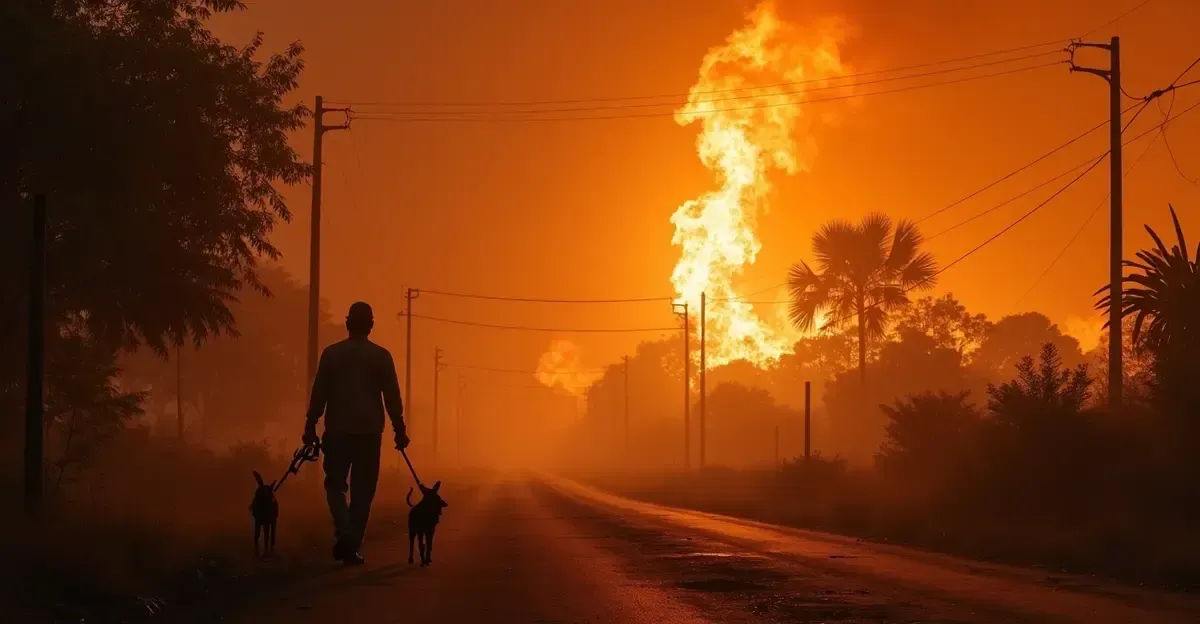
- Extreme Drought: The Amazon rainforest, Horn of Africa, India, and Australia could experience severe drought conditions, potentially leading to wildfires similar to those seen during previous El Niño events.
- Heavy Rainfall: Peru, Argentina, and parts of Southern Europe including Spain and Portugal could face excessive precipitation and flooding.
- Agricultural Disruption: Global food production could be affected, particularly in regions dependent on predictable rainfall patterns.
- Economic Consequences: The global economic impact of climate events could exceed $30 billion annually, affecting agriculture, energy, and water management sectors.
Temperature Records and Climate Change Interaction
The interaction between El Niño and human-caused climate change creates a dangerous synergy. While El Niño is a natural phenomenon, its effects are amplified in a world already warmed by greenhouse gas emissions. Research shows that the 2023 Amazon drought, while influenced by El Niño, was made 30 times more likely by climate change. Similar amplification could occur with the 2026 El Niño, particularly affecting vulnerable regions like the Amazon rainforest tipping point.
Regional Implications and Preparedness
Different regions will experience varying effects based on their geographic relationship to the Pacific Ocean:
Americas
The western United States typically experiences wetter conditions during El Niño, while South America faces both drought (Amazon) and flooding (Peru, Argentina). The phenomenon can suppress Atlantic hurricane activity, potentially providing some relief to Caribbean and Gulf Coast regions.
Asia-Pacific
Southeast Asia and Australia generally experience drier conditions, increasing wildfire risks and agricultural challenges. Indonesia and the Philippines often see reduced rainfall during El Niño phases.
Europe
While Europe is 'quite far' from the primary El Niño region, the global temperature increase can still influence regional weather patterns. 'The chance of a warm summer in the Netherlands will certainly increase,' explains Van den Born, indicating that even indirect effects can be significant.
Scientific Context and Climate Change Considerations
Recent research suggests that global warming may be altering the frequency and intensity of El Niño events. While some studies indicate climate change could lead to more frequent La Niña events and fewer El Niño events, the intensity of individual El Niño events may increase. The IPCC Sixth Assessment Report notes that 'it is very likely that the precipitation variance related to El Niño–Southern Oscillation will increase,' meaning both wet and dry extremes could become more pronounced.
FAQ: Frequently Asked Questions About El Niño
What exactly causes El Niño?
El Niño occurs when trade winds weaken, allowing warm surface waters to shift eastward across the Pacific Ocean. This disrupts normal atmospheric circulation patterns and affects weather worldwide.
How long does El Niño typically last?
Most El Niño events last 9-12 months, though some can persist for longer periods. The phenomenon typically occurs every 2-7 years.
Can we predict El Niño accurately?
While forecasting has improved significantly with advanced satellite monitoring and computer models, El Niño prediction remains challenging due to the complex interactions between ocean and atmosphere. Current models provide probability estimates rather than certain predictions.
How does El Niño differ from climate change?
El Niño is a natural, cyclical climate pattern, while climate change refers to long-term human-caused alterations to Earth's climate system. However, climate change can amplify the effects of El Niño events.
What should governments and individuals do to prepare?
Early warning systems, agricultural planning, water management strategies, and disaster preparedness are crucial. The World Meteorological Organization climate adaptation programs help countries develop resilience to El Niño impacts.


Follow Discussion