


 Deutsch
 English
 Español
 Français
 Nederlands
 Português


 Share
Share




Deadliest Earthquake in Over a Century Strikes Venezuela
The death toll from the devastating Venezuela earthquake doublet that struck on June 24, 2026, has risen to at least 2,295, with over 11,267 people injured and tens of thousands still missing, according to National Assembly President Jorge Rodríguez. The twin earthquakes—a Mw 7.2 foreshock followed 39 seconds later by a Mw 7.5 mainshock—have caused widespread destruction across northern Venezuela, particularly in the coastal state of La Guaira and the capital, Caracas. This is the deadliest seismic event in Venezuela since the 1900 San Narciso earthquake.
The USGS PAGER system has warned that the final death toll could exceed 100,000, given the scale of destruction and the number of people still unaccounted for. Damage estimates range from US$4.7 billion to $8.7 billion, making it one of the costliest natural disasters in the country's history.
What Caused the Venezuela Earthquake Doublet?
The earthquakes occurred along the San Sebastián fault system within the Caribbean-South American plate boundary zone. The foreshock (Mw 7.2) struck at 18:04 local time near Yumare, Yaracuy, and was followed just 39 seconds later by the mainshock (Mw 7.5) near Morón, Carabobo. The rupture lasted approximately 90–120 seconds, with both events involving right-lateral strike-slip faulting. Seismologists have described this as a classic earthquake doublet—two quakes of comparable magnitude occurring close in time and space along the same fault system.
According to the USGS, the maximum intensity reached IX (Violent) on the Modified Mercalli Intensity scale. Over 700 aftershocks have been recorded since, with experts from University College London warning that Venezuela aftershocks could continue for months. A magnitude 4.6 aftershock struck near Caraballeda on June 29, further hampering rescue efforts.
Humanitarian Crisis and Rescue Operations
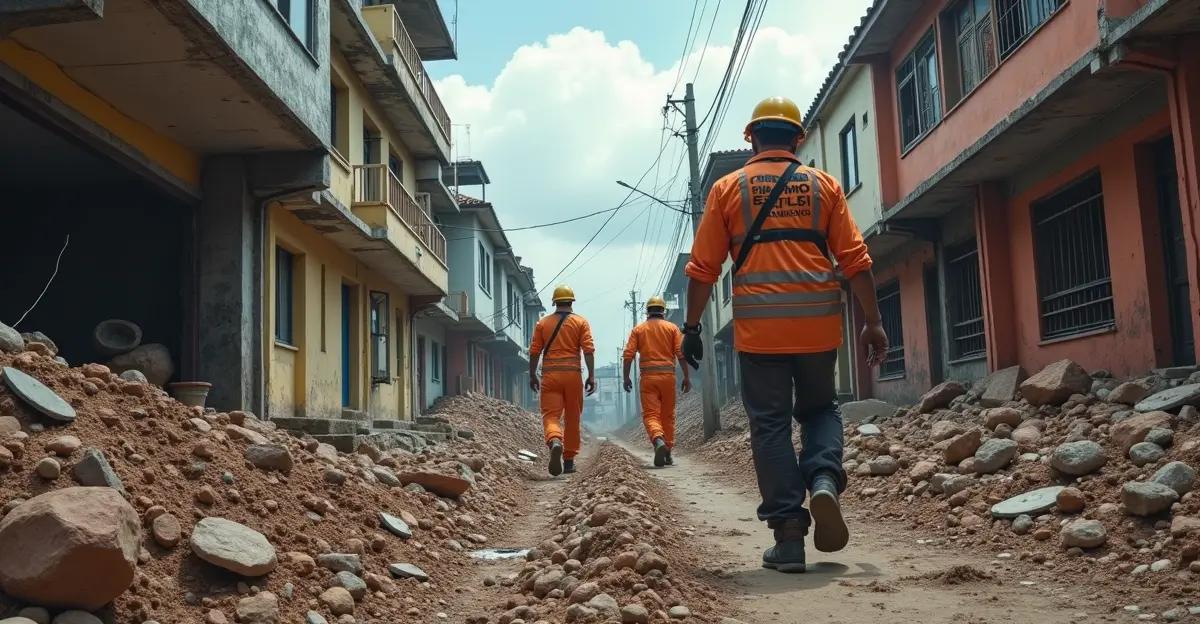
The Venezuelan government has mobilized over 26,000 military, police, firefighters, and rescue personnel, along with 17,000 volunteers. However, many survivors have complained about the lack of official help in their neighborhoods. The Venezuela earthquake response has been bolstered by international aid: the Netherlands deployed an USAR team (Urban Search and Rescue) which has since returned home after completing its week-long mission. The United States has sent 300 first responders, two dozen C-17 transport planes daily, and over $300 million in aid. The U.S. Treasury also issued General License 60 to authorize earthquake relief transactions.
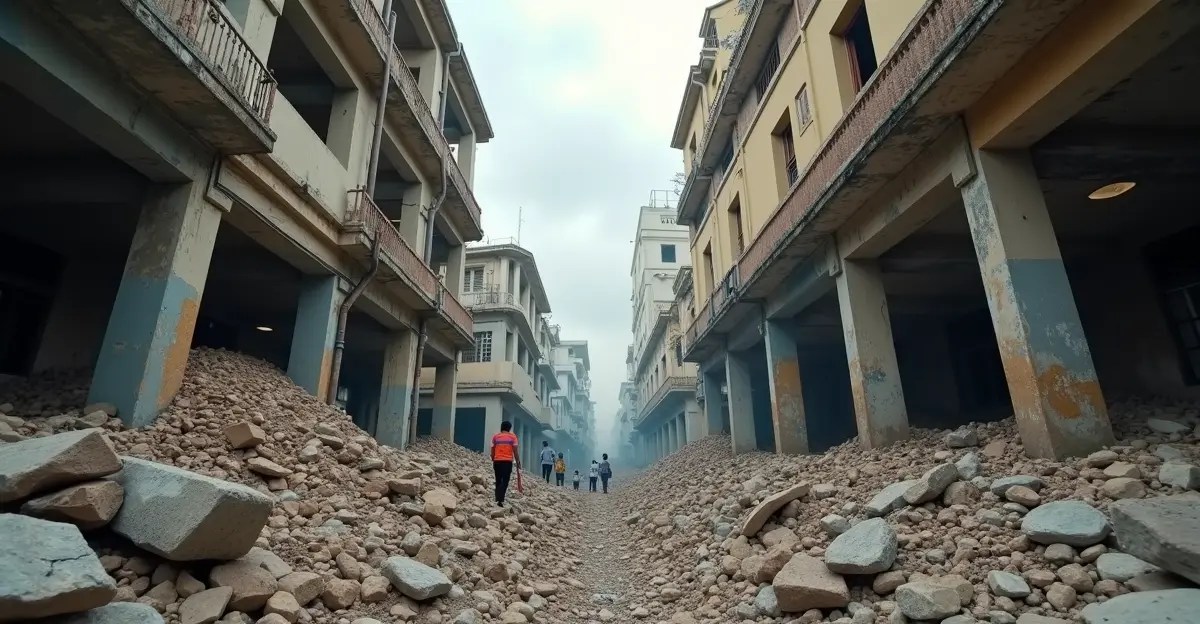
Twenty-five temporary shelters have been set up, mostly in La Guaira and Caracas, housing 12,841 displaced people. The UN Office for the Coordination of Humanitarian Affairs (OCHA) reports that over 2,501 infrastructure sites have been affected, including 38 hospitals and 774 buildings. The International Organization for Migration estimates up to 6.76 million people could be affected across seven states.
In a remarkable story of resilience, Jean Sosa, a miner recently deported from the United States, has used only a mining pickaxe to pull 20 people from the rubble. His efforts highlight both the desperation and the heroism emerging from the disaster. The ongoing Venezuela earthquake rescue efforts continue as aftershocks complicate search operations.
Landslides and Infrastructure Damage
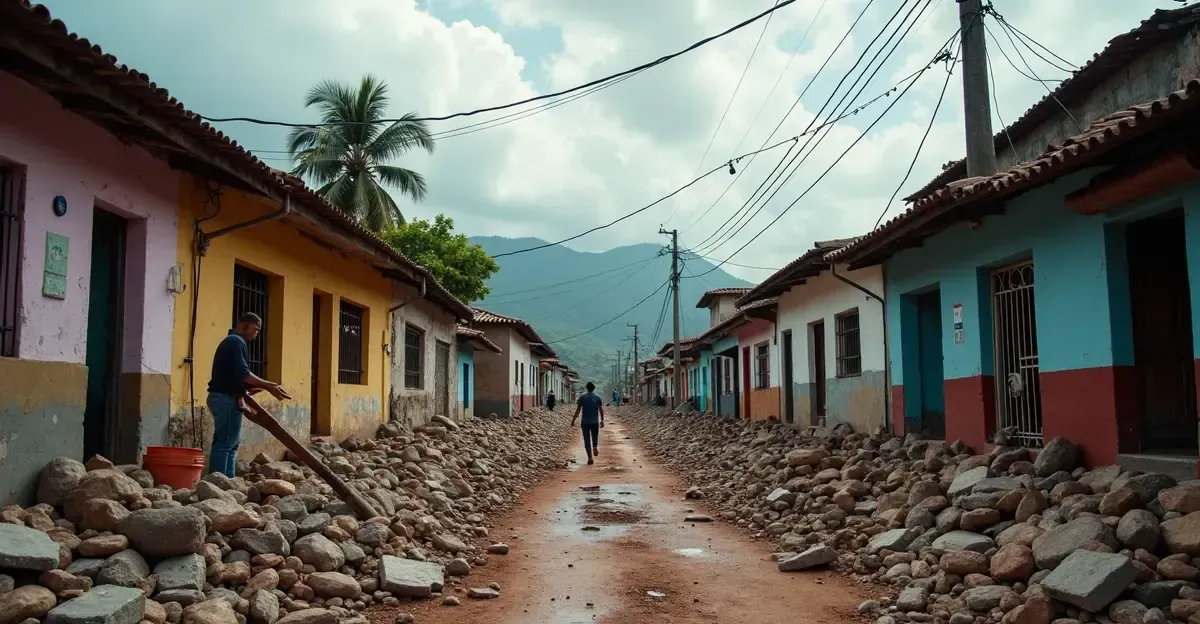
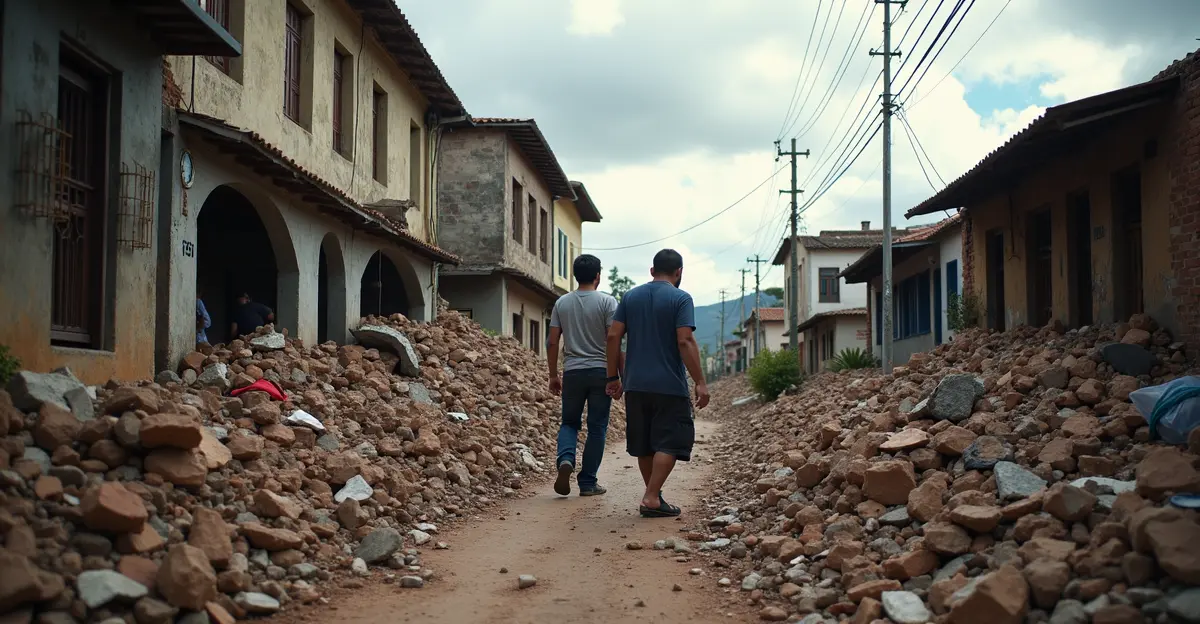
The USGS Landslide Hazards Program has identified widespread landslides impacting coastal mountains above La Guaira, Macuto, and Caraballeda. Rockfalls and boulders are obstructing roads, potentially isolating communities. The combination of aftershocks and heavy rainfall could trigger additional landslides, posing further risks to survivors and rescue teams. NASA satellite imagery assessment estimates 58,870 buildings have been damaged or destroyed.
Political and Economic Implications
The disaster strikes a country already grappling with a severe economic crisis. The government has created a $200 million reconstruction fund, but critics question the availability of resources. Acting President Delcy Rodríguez has militarized La Guaira state to maintain order and coordinate rescue operations. The earthquake has also drawn international attention to Venezuela's humanitarian needs, with the UN calling for a massive aid effort. The Venezuela political crisis 2026 context adds complexity to the recovery process, as international sanctions and diplomatic tensions affect the flow of aid.
Meanwhile, the disaster has also raised questions about the fate of 146 Venezuelans who were deported from the U.S. just before the quakes and are now missing under the rubble. Their disappearance has sparked outrage and calls for accountability.
Frequently Asked Questions
How many people died in the Venezuela earthquake?
The official death toll stands at 2,295 as of July 1, 2026, with over 11,267 injured. However, tens of thousands remain missing, and the final number is expected to rise significantly.
What was the magnitude of the Venezuela earthquakes?
The first earthquake was a magnitude 7.2 foreshock, followed 39 seconds later by a magnitude 7.5 mainshock. Both were shallow strike-slip events along the San Sebastián fault system.
How long will aftershocks continue?
Seismologists warn that aftershocks could persist for months. Over 700 aftershocks have already been recorded, including a magnitude 4.6 event on June 29 near Caraballeda.
What international aid has been provided?
The U.S. has deployed 300 first responders and over $300 million in aid. The Netherlands sent an USAR team. The UN, Red Cross, and multiple NGOs are active on the ground. The U.S. Treasury issued a general license to facilitate relief transactions.
Which areas were most affected?
The coastal state of La Guaira and the capital Caracas suffered the worst damage. The epicenters were in Veroes, Yaracuy, and near Morón, Carabobo. Landslides have also isolated communities in the coastal mountains.
Follow Discussion