


 Deutsch
 English
 Español
 Français
 Nederlands
 Português


 Share
Share




At least 235 people have been confirmed dead and more than 4,300 injured after twin earthquakes struck northern Venezuela on June 24, 2026, in the country's most powerful seismic event in over a century. The death toll is expected to climb significantly as rescue teams continue searching through rubble for over 40,000 people still reported missing.
How the Earthquakes Unfolded
At 18:04 local time on June 24, a magnitude 7.2 foreshock struck near San Felipe in Yaracuy state. Just 39 seconds later, a magnitude 7.5 mainshock — the largest in Venezuela since the 1900 San Narciso earthquake — hit the same region. Both earthquakes were shallow, occurring at depths of 10-20 kilometers, which amplified their destructive power across densely populated areas.
The epicenters were located along the San Sebastián fault system, a major strike-slip fault zone that forms part of the boundary between the Caribbean Plate and the South American Plate. The US Geological Survey reported that the rupture likely extended across a 150-by-20-kilometer area, causing severe shaking that was felt as far away as Colombia, northern Brazil, Aruba, Curaçao, and the Dominican Republic.
Devastation in La Guaira and Caracas
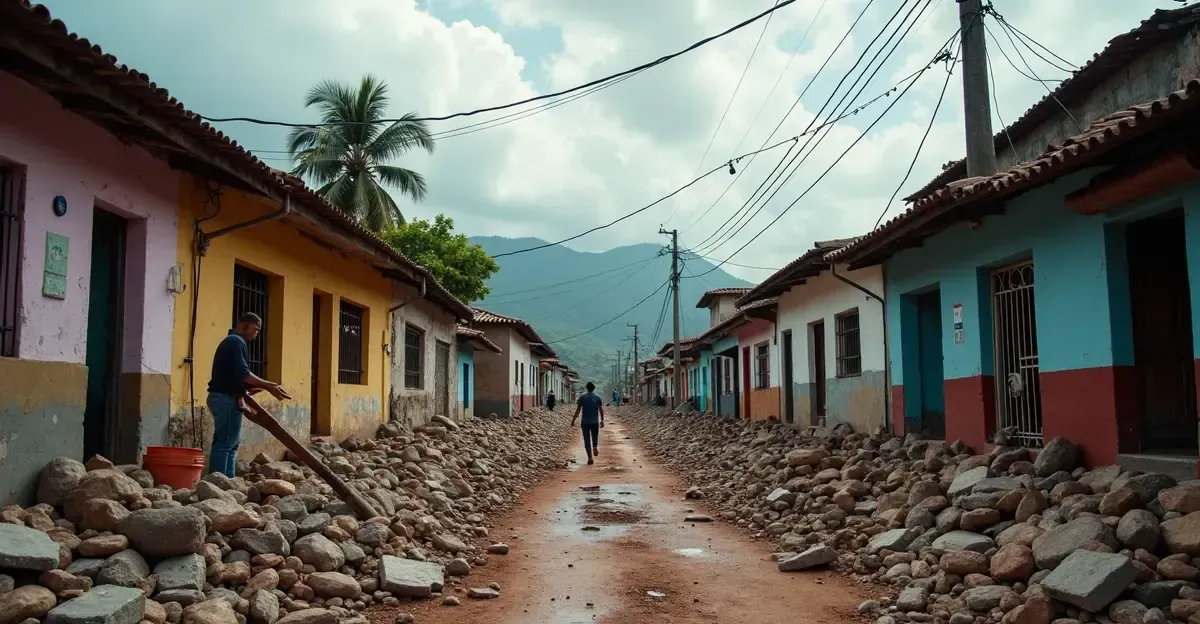
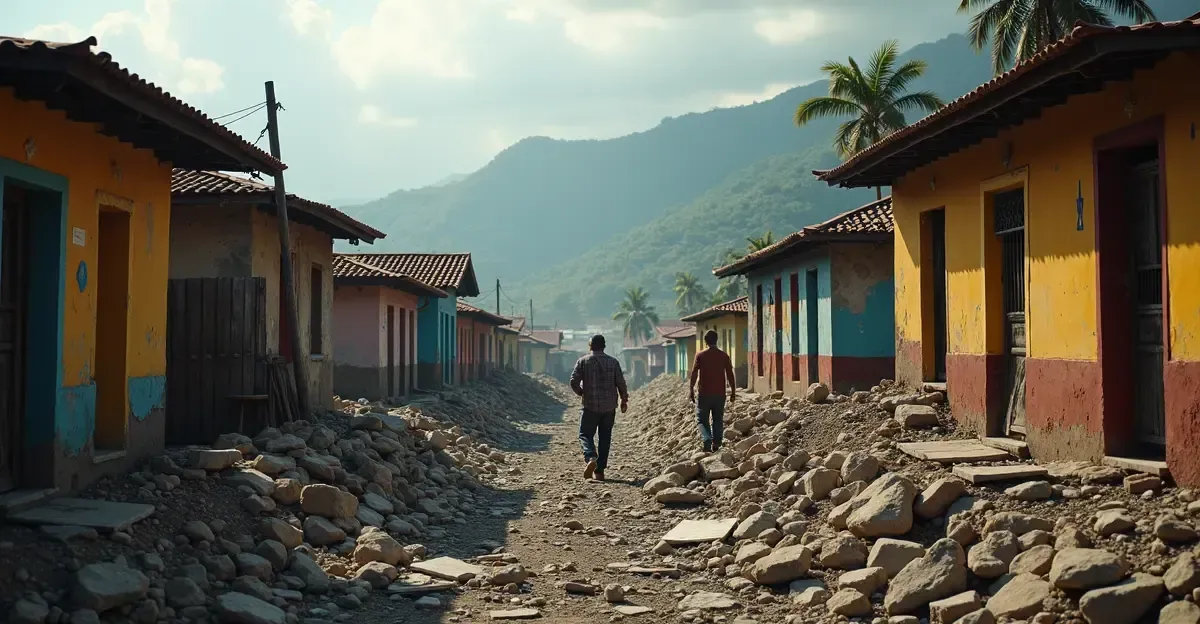
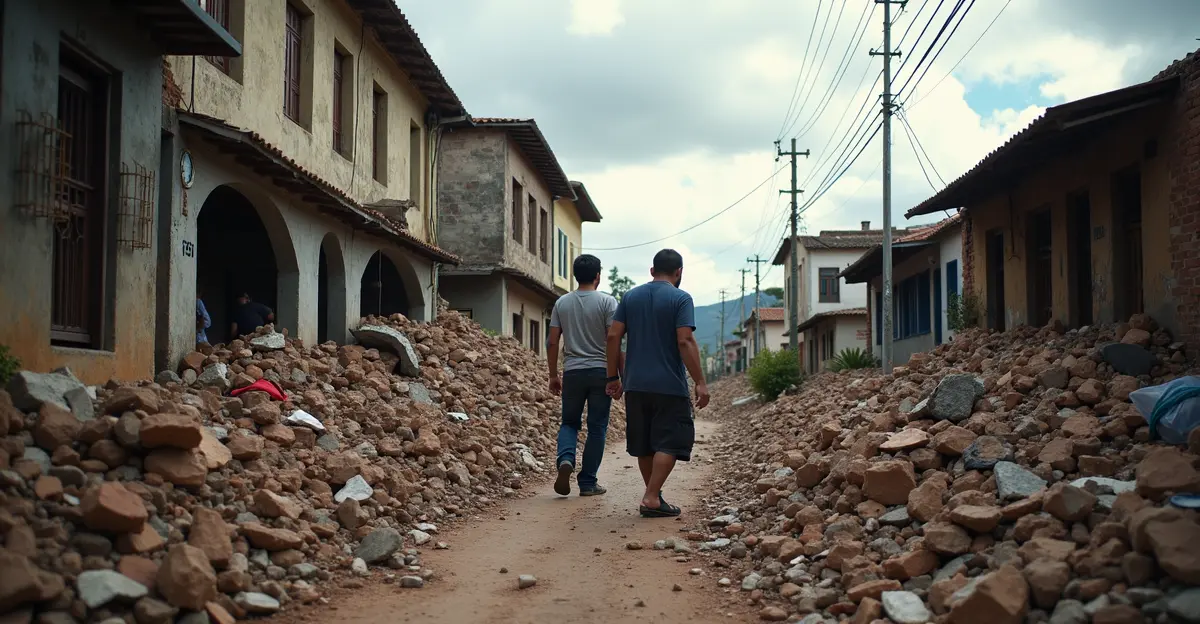
The coastal state of La Guaira and the capital Caracas bore the brunt of the destruction. In La Guaira, entire neighborhoods were reduced to rubble, with multi-story buildings collapsing onto narrow streets. The state was declared a "disaster zone" by Acting President Delcy Rodríguez. Venezuela's main international airport near Caracas was severely damaged and forced to close, complicating relief logistics.
Since June 24 is a national holiday commemorating the Battle of Carabobo, many residents were at home when the earthquakes struck, leading to higher casualty numbers. The USGS PAGER system warned that the final death toll could reach as high as 100,000, though officials hope international rescue efforts will keep that number lower. The 2025 bank heist in Berlin also prompted international coordination, but on a much smaller scale than this humanitarian crisis.
International Response Mobilizes
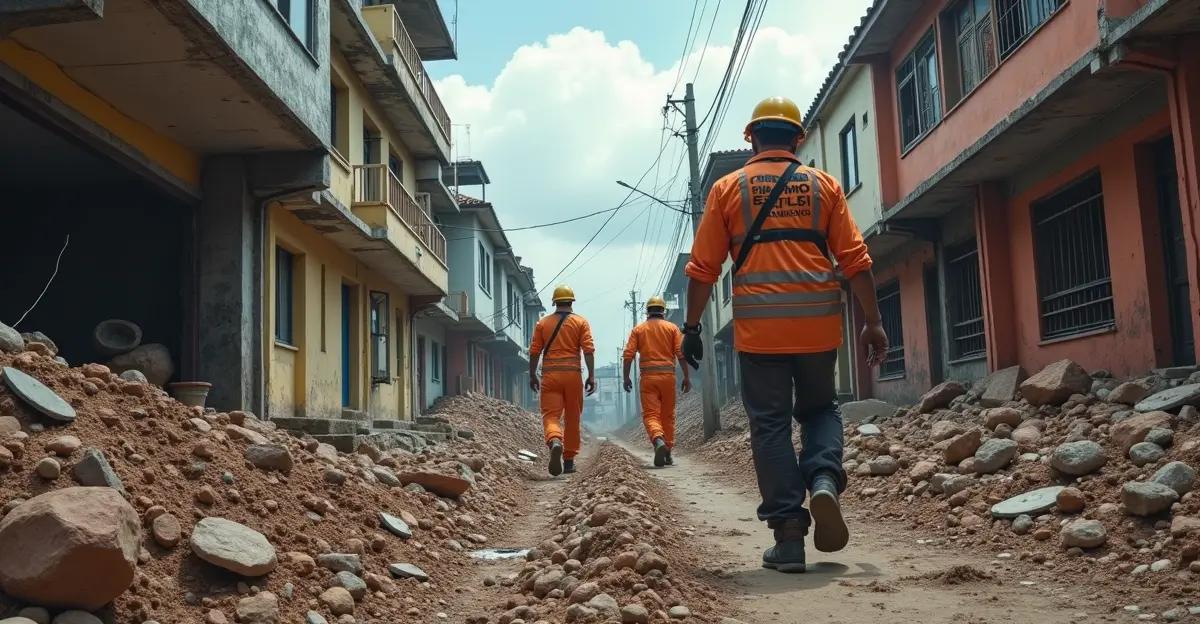
Countries around the world have rushed aid to Venezuela. Germany has dispatched an Urban Search and Rescue (USAR) team with specialists from fire departments, police, and structural engineering. A German aid worker noted, 'The first 72 hours after an earthquake are critical. We can still save many lives in that window.'
Mexico sent 250 rescue workers and search dogs. The United States pledged $150 million in emergency aid and deployed two military ships, aircraft, and helicopters to support rescue operations. The Trump administration also activated a Disaster Assistance Response Team (DART) through the State Department's Bureau of Disaster and Humanitarian Response.
The Netherlands offered a specialized USAR team, according to Minister Sjoerdsma of Foreign Trade and Development Cooperation. Cuba mobilized health workers already stationed in Venezuela. Spain, France, Switzerland, China, and Iran also contributed rescue teams, equipment, and funding. The United Nations humanitarian chief noted that specialist rescue teams were en route, but warned that Venezuela's humanitarian response plan remains critically underfunded at only about 20% of its $632 million target.
Compounding a Pre-Existing Crisis
Even before the earthquakes, Venezuela was already in the grip of a decade-long humanitarian crisis that had driven nearly 8 million people from the country. Approximately 7.9 million people — 28% of the population — were in need of humanitarian aid prior to the disaster. The earthquakes have now stretched the country's already fragile infrastructure to the breaking point.
The US, which had previously restored $122 million in humanitarian funding to Venezuela, now faces a critical test of its disaster response capabilities after the dismantling of USAID. The EU carbon border tax discussions in Brussels this week were overshadowed by the unfolding humanitarian catastrophe.
Race Against Time for Survivors
Rescue operations continue around the clock, with teams using sniffer dogs, thermal imaging cameras, and heavy equipment to locate survivors trapped under collapsed buildings. Over 30 aftershocks have been recorded, hampering rescue efforts and raising fears of further collapses. In La Guaira, families gathered near destroyed buildings, desperately seeking news of missing loved ones.
Experts in cryptocurrency regulation have drawn parallels to the challenges of coordinating international disaster response across multiple jurisdictions, though the immediate focus remains on saving lives.
FAQ: Venezuela Earthquakes 2026
What caused the Venezuela earthquakes?
The earthquakes were caused by strike-slip faulting along the San Sebastián fault system, part of the boundary between the Caribbean and South American tectonic plates.
How strong were the earthquakes?
A magnitude 7.2 foreshock was followed 39 seconds later by a magnitude 7.5 mainshock — the largest earthquake in Venezuela since 1900.
How many people are affected?
At least 235 people have died, over 4,300 are injured, and more than 40,000 are reported missing. The USGS warns the death toll could reach 100,000.
What international aid is being sent?
Germany, Mexico, the US, the Netherlands, Cuba, Spain, France, Switzerland, China, Iran, and others have sent rescue teams, funds, ships, aircraft, and medical supplies.
Why was the impact so severe?
The shallow depth of the quakes (10-20 km), the proximity to major cities, the timing on a national holiday when people were at home, and Venezuela's pre-existing infrastructure vulnerabilities all contributed to the high casualty numbers.

Follow Discussion