


 Deutsch
 English
 Español
 Français
 Nederlands
 Português


 Share
Share




Deadly Wildfires Sweep Across Greece as Winds Hamper Firefighting Efforts
Greece is battling devastating wildfires across multiple islands and mainland regions, with the most critical blazes on Crete and Lesbos forcing the evacuation of thousands of residents and tourists. Three firefighters have been killed, and gale-force winds exceeding 125 km/h have grounded aircraft, complicating containment efforts. The 2026 European heatwave crisis has fueled extreme fire conditions across southern Europe.
Current Situation: Where Are the Fires?
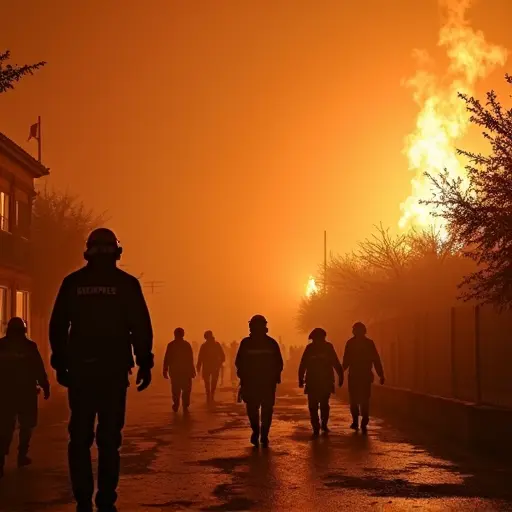
As of July 30, 2026, wildfires are burning out of control on the islands of Crete, Lesbos, Paros, and Andros, as well as on the Peloponnese peninsula. The most critical fire front is in the Rethymno region of Crete, where a massive blaze has destroyed forest, farmland, and olive groves. On Lesbos, more than 100 hectares of pine forest and olive orchards have been scorched. In Turkey, simultaneous wildfires in Antalya, Muğla, and Balıkesir provinces are also straining regional firefighting resources.
Crete: The Epicenter
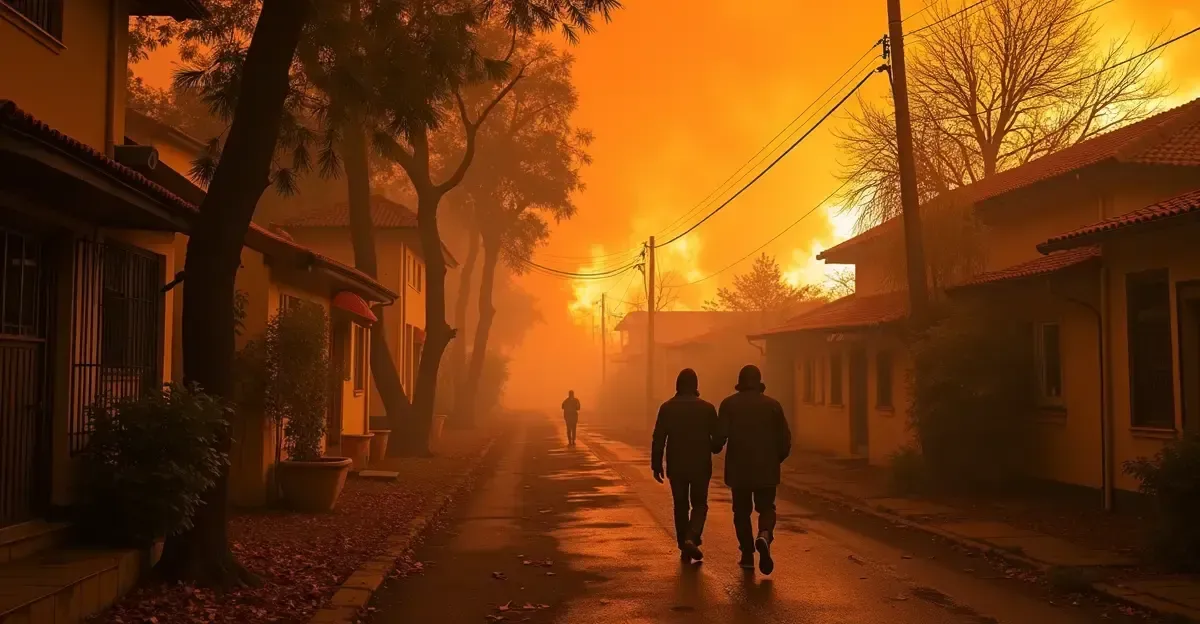
Around 8,000 people were evacuated overnight from the popular resort town of Agia Galini on Crete's southern coast. Deputy Governor Maria Lioni told state broadcaster ERT: 'We evacuated some 8,000 people from the resort village of Agia Galini.' Many were housed in temporary shelters but have since been allowed to return. The fire came within one kilometer of the village before being partially contained by ground crews.
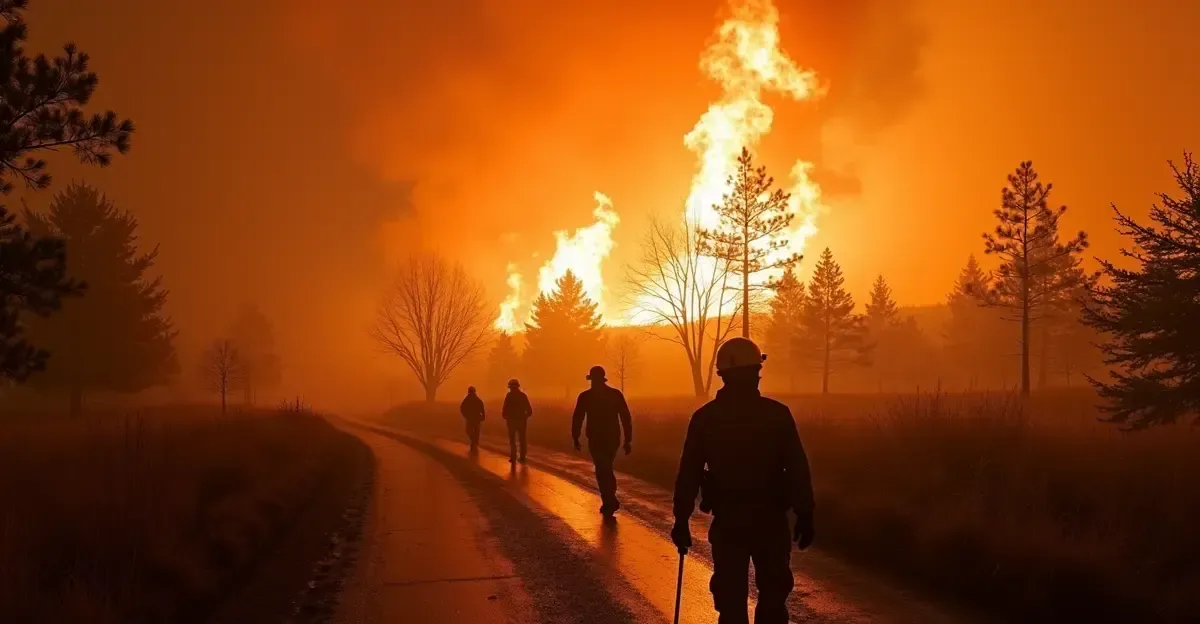
Two volunteer firefighters died near Krya Vrysi in Rethymno when their vehicle was trapped by advancing flames. A third firefighter was killed battling a separate blaze near Gytheio on the Peloponnese. The Greek news site Protothema reports that the Rethymno fire front now stretches over 15 kilometers, with embers igniting new spot fires ahead of the main blaze.
Lesbos and Other Islands
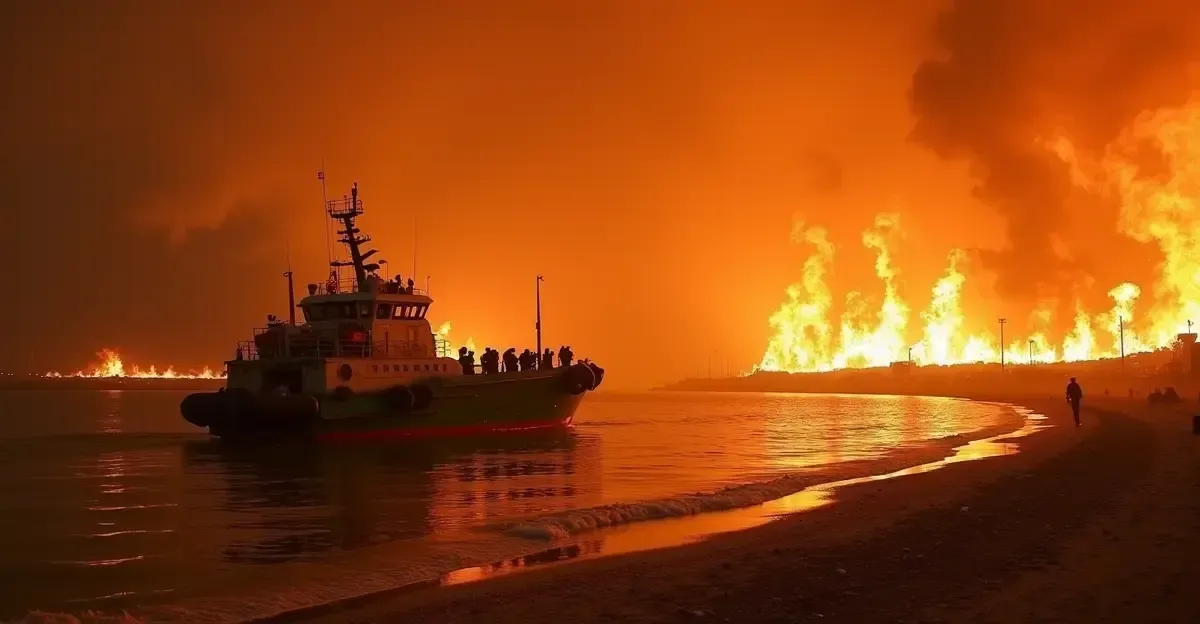
On Lesbos, a wildfire near the village of Plomari has burned through dense pine forests and olive groves, threatening local agriculture. Tourists were seen gathered on beaches as flames approached, with some evacuated by sea. The fire on Paros has been partially contained, but officials warn that smoldering hotspots could reignite. The impact of wildfires on Greek tourism is expected to be significant during the peak summer season.
Firefighting Challenges: Wind and Terrain
Strong winds with gusts up to 125 km/h have grounded most firefighting aircraft and helicopters, forcing crews to rely on ground vehicles and manual labor. 'Er staan ons moeilijke dagen te wachten' (difficult days lie ahead), said Greek Prime Minister Kyriakos Mitsotakis in a televised address. The winds are expected to persist until the weekend, with no significant change in weather forecast.
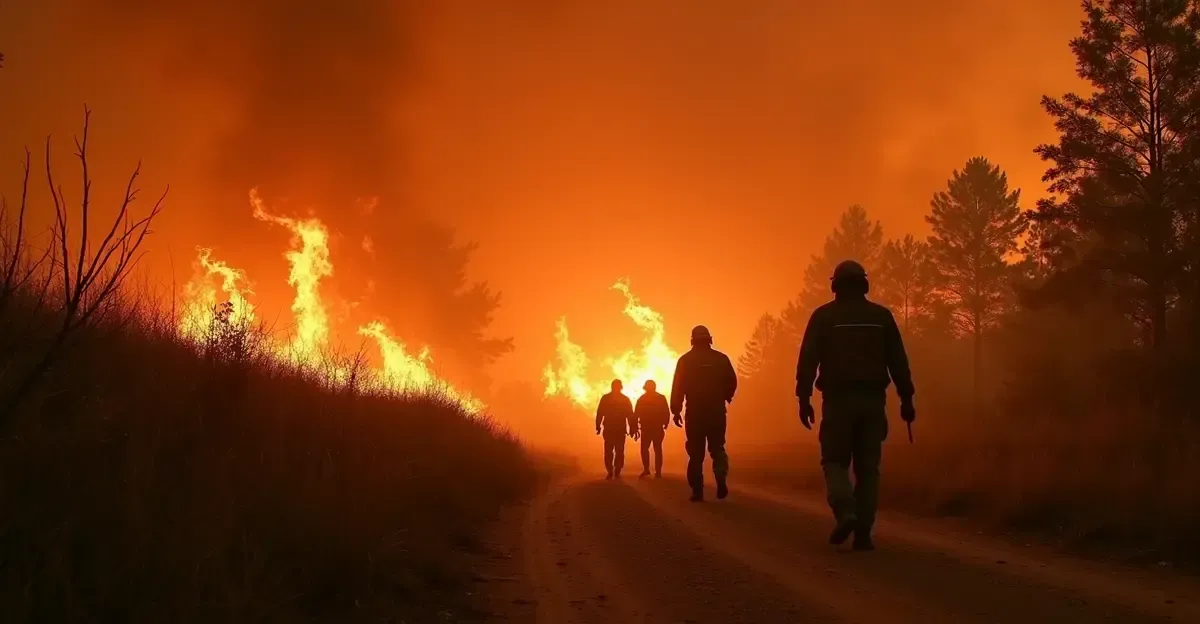
Over 190 firefighters, 40 fire engines, and eight aircraft have been deployed to the Rethymno blaze alone. Nationwide, Greece has mobilized 18,804 firefighters, including special EMODE 'forest commando' units, and an aerial fleet of 85 assets. However, the extreme wind conditions have rendered air support largely ineffective.
Technological Prevention: Drones and Satellites
Greece has invested heavily in wildfire prevention following the devastating seasons of recent years. The country now operates over 100 drone bases equipped with thermal sensors and AI software capable of distinguishing wildfire smoke from dust or fog. When a hotspot is detected, coordinates are automatically sent to the Operations Center for immediate response. Additionally, Greece has deployed four dedicated nanosatellites in partnership with German company OroraTech, capable of detecting fire hotspots smaller than four square meters. Despite these advances, officials acknowledge that even the best technology cannot overcome hurricane-force winds.
According to the AEGIS program, the strategy emphasizes 'initial attack' — tackling fires within the first ten minutes of ignition. Over 100,000 acres of forest have been proactively cleared of dry undergrowth. However, the current fires demonstrate that limitations of wildfire prevention technology remain when weather conditions are extreme.
Impact on Tourism and Travelers
Dutch travel operators Sunweb and Corendon have evacuated hundreds of tourists from affected areas on Crete. Sunweb relocated 252 travelers to alternative accommodations as a precaution, while Corendon moved several dozen customers. The road between Heraklion airport and Agia Galini has since reopened, allowing transfers to resume. TUI reported that none of its accommodations are currently near active fire zones. The Hellenic Coast Guard also rescued dozens of people by sea near Agios Pavlos on Crete's southern coast.
In Turkey, the most active fire is in Seydikemer (between Fethiye and Marmaris), where 408 homes were evacuated and 703 people relocated. The Fethiye-Antalya highway was temporarily closed, and access to the Olympos ruins was suspended.
Broader European Context
Greece is not alone in facing extreme wildfires. Spain, France, Portugal, and Turkey are also battling large blazes. Spain's Ávila fire has become the largest recorded wildfire in Spanish history, forcing 60,000 evacuations and burning through the Madrid Deep Space Communications Complex. In France, fires continue in the south. Climate scientists link the intensity of the 2026 wildfire season to persistent heatwaves and drought conditions exacerbated by climate change. The climate change impact on Mediterranean wildfires is driving longer and more destructive fire seasons across the region.
FAQ: Greece Wildfires 2026
How many people have been evacuated in Greece?
Approximately 8,000 people were evacuated from Agia Galini on Crete alone, with additional evacuations on Lesbos, Paros, and other islands. Thousands more have been evacuated in Turkey.
How many firefighters have died?
Three firefighters have been killed: two on Crete and one on the Peloponnese. All three were trapped by advancing flames.
Is it safe to travel to Greece right now?
Travelers should check with their tour operators and local authorities. Most resorts outside affected areas remain open, but some evacuations have occurred. Airlines and hotels are offering flexibility for rebooking.
What is Greece doing to prevent wildfires?
Greece has deployed 100+ drone bases with AI thermal detection, four nanosatellites, and 18,804 firefighters. The AEGIS program funds proactive forest clearing and rapid response strategies.
When will the fires be under control?
Officials expect the winds to subside by the weekend, which may allow aerial firefighting to resume. However, some fires may continue to burn for days or weeks.
Follow Discussion