


 Deutsch
 English
 Español
 Français
 Nederlands
 Português


 Share
Share




Massive Wildfires Rage Across Southwest France and Spain
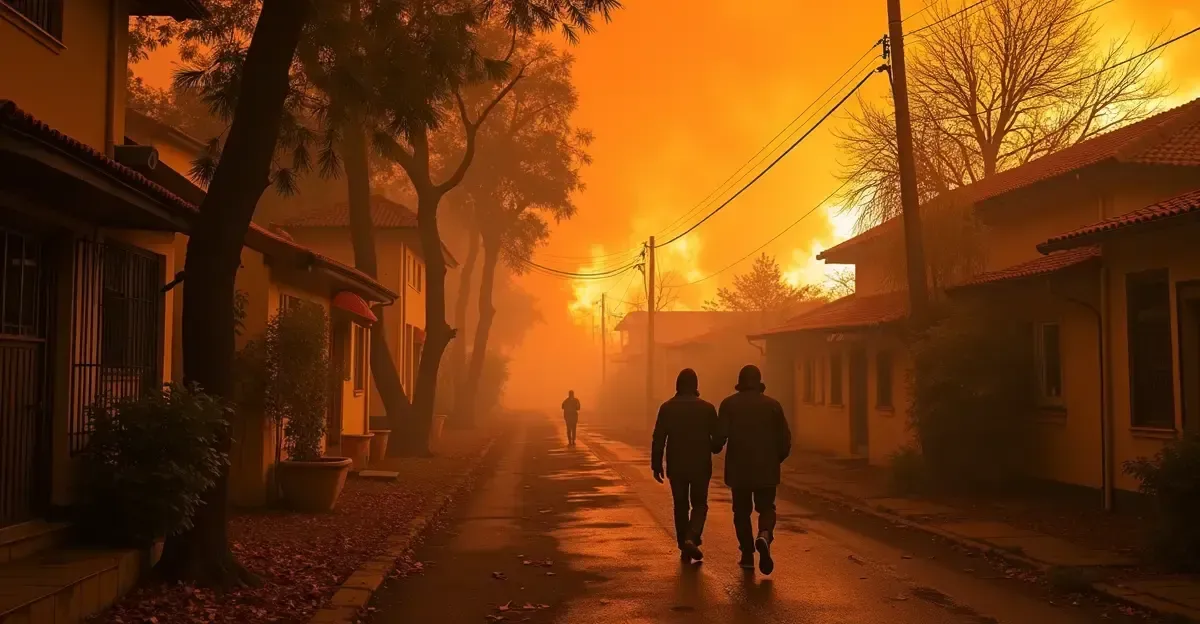
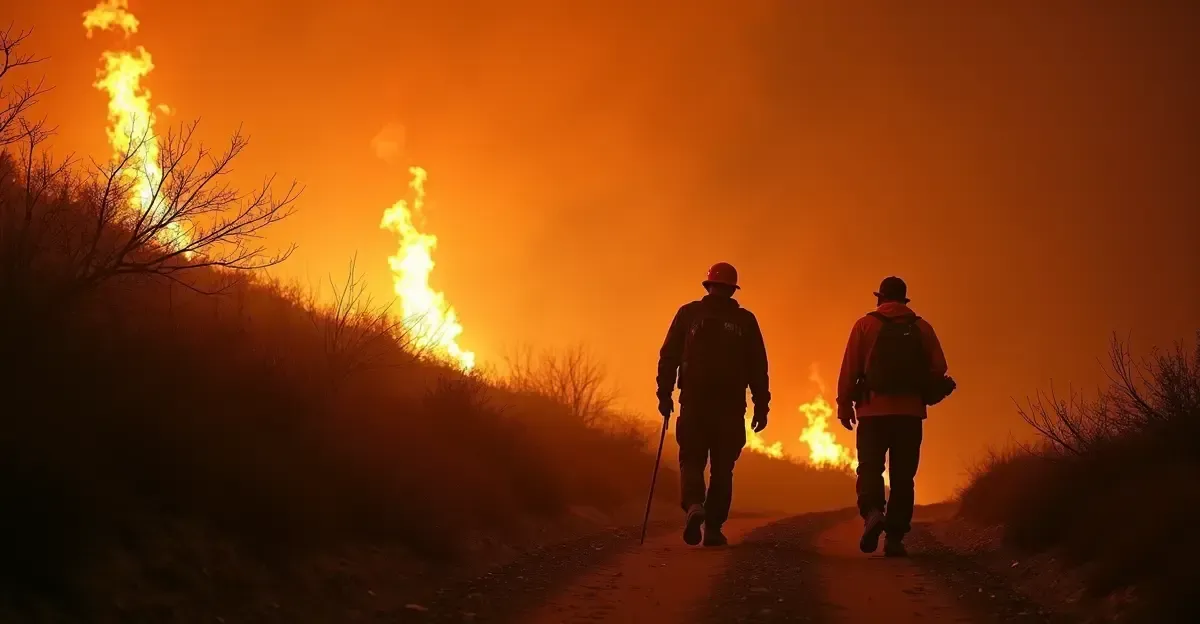
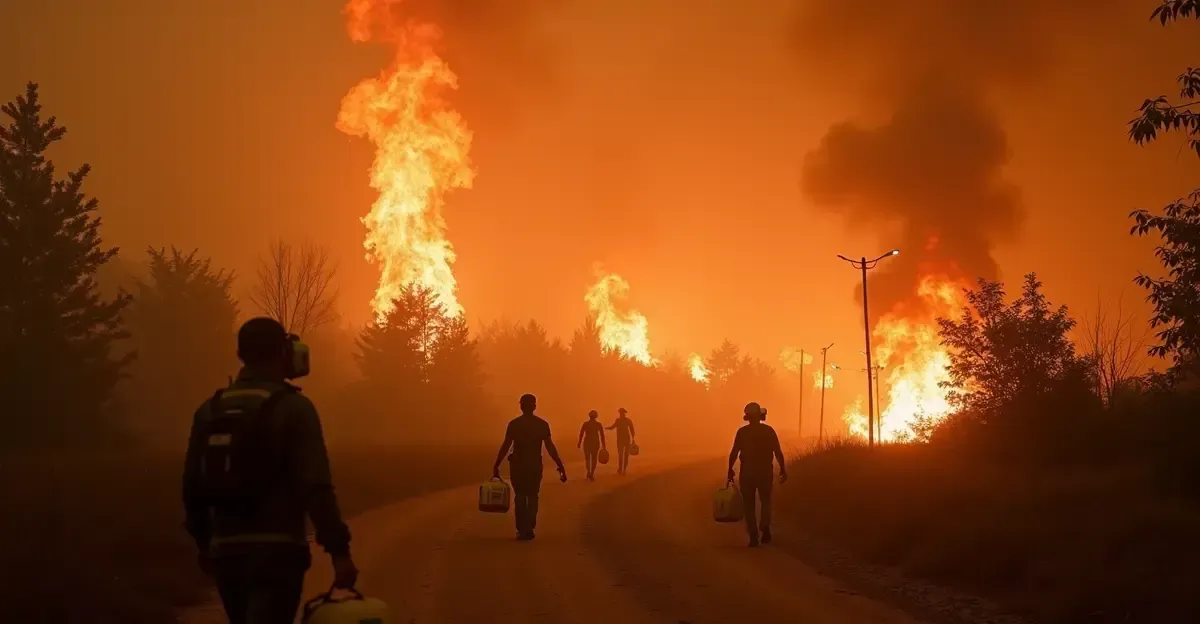
At least 63,000 people have been evacuated in southwestern France as two rapidly spreading wildfires consume thousands of hectares of forest, with authorities deploying boats to rescue stranded residents and tourists from the Cap Ferret peninsula. The blazes, among the worst of the 2026 wildfire season, have also prompted Spain to declare a national state of emergency as fires merge near Madrid, forcing tens of thousands to flee their homes.
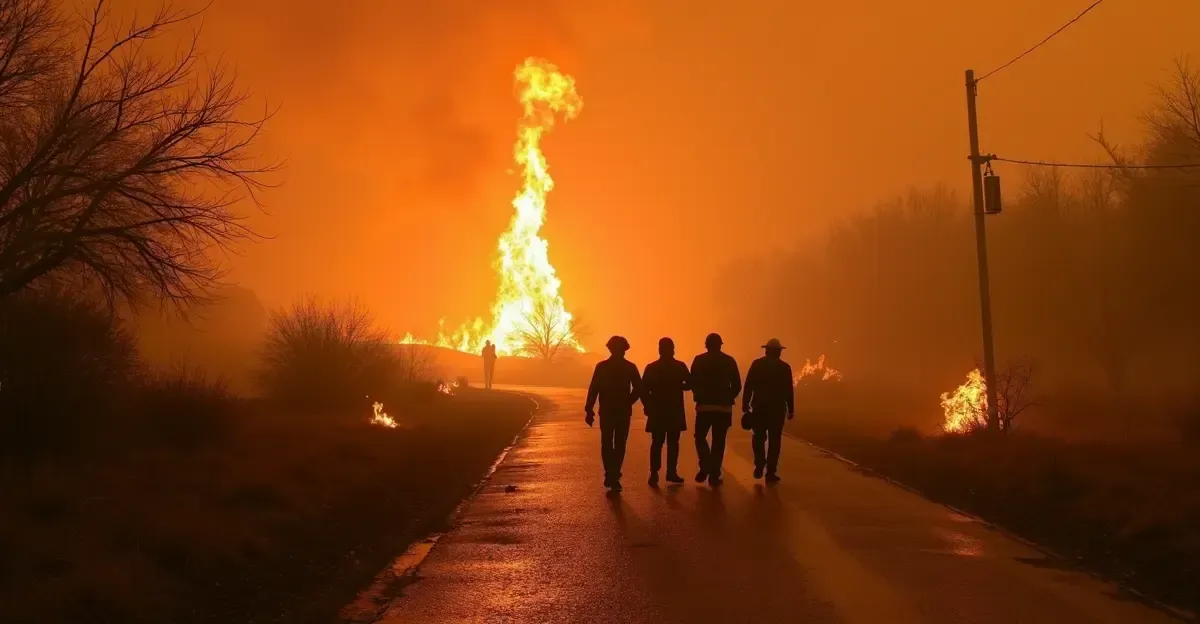
The largest of the French fires erupted near Saumos in the Gironde department on July 22, 2026, and has already scorched more than 10,000 hectares of pine forest, making it the biggest wildfire in France this season, according to Interior Minister Gérald Darmanin. A second major blaze near Biscarrosse in the Landes department has burned approximately 2,500 hectares. Together, the fires have destroyed or damaged over 130 buildings, including homes and a campsite, though no fatalities have been reported. One firefighter sustained minor injuries.
Cap Ferret Evacuation: Boats Rescue Stranded Residents
Authorities ordered the complete evacuation of the Cap Ferret peninsula, a popular tourist destination on the Atlantic coast bordering the Bassin d'Arcachon. Hundreds of people were ferried to safety by boat as flames advanced through dry pine forests. 'We saw the flames getting closer and closer — the smoke was suffocating. The boat was our only way out,' said a Dutch tourist evacuated from a campsite.
Not all residents complied with the evacuation order. Some oyster farmers refused to leave, staying behind to protect their harvest. 'If we leave them for a few days, they will die from the heat,' one local producer told Le Monde. The Cap Ferret evacuation by boat operation involved multiple vessels shuttling people from the peninsula to safety.
Gironde Fire: The Largest of the Season
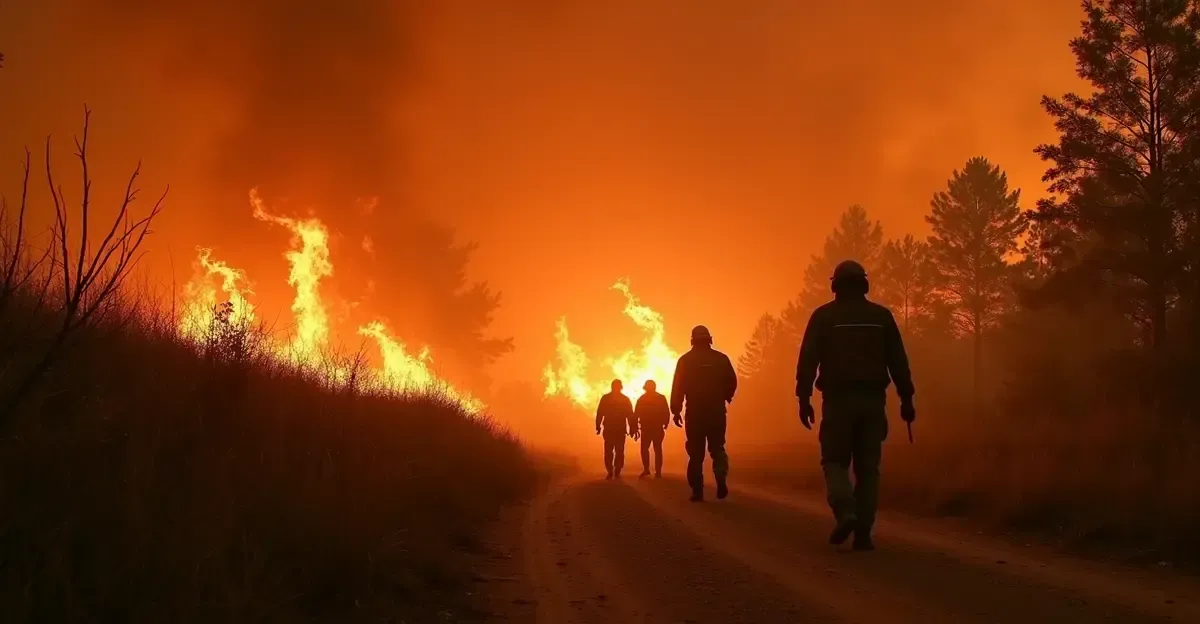
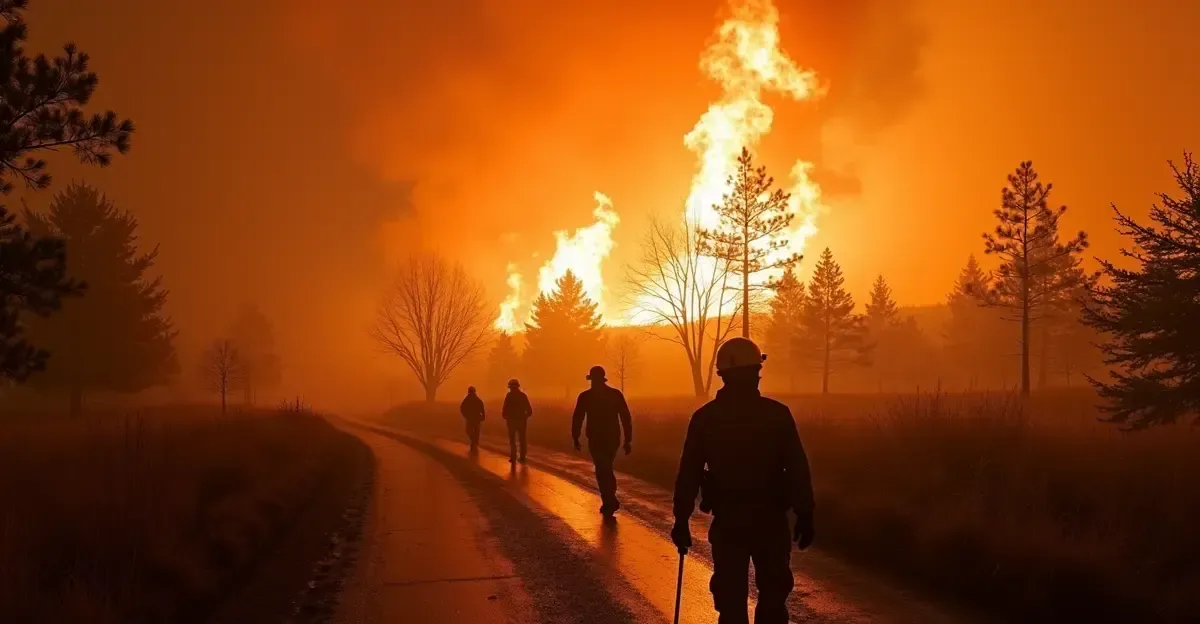
The Gironde fire, which began near Saumos west of Bordeaux, is believed to have been sparked by a machine used to clear a forest path. It spread at an alarming rate — up to 1,000 hectares per hour overnight — driven by strong winds, drought conditions, and record-breaking temperatures. More than 800 firefighters and water-bombing aircraft have been deployed to contain the blaze.
In the Landes department, the Biscarrosse fire started when a van caught fire on a forest road. Over 23,000 people, including many holidaymakers at summer campsites, have been evacuated from that area. The fire has damaged or destroyed around 100 homes.
Spain Declares National Emergency as Wildfires Merge Near Madrid
Spain has declared its first national state of emergency for a wildfire after two large blazes west of Madrid merged into one massive fire front, forcing more than 19,000 people to evacuate. The fires, fueled by an intense heatwave and tinder-dry vegetation, have burned thousands of hectares in the Madrid region and the province of Ávila. Spanish Prime Minister Pedro Sánchez described the situation as 'dramatic, not only in different Spanish regions but also in neighboring countries.'
The emergency declaration places the crisis under central government coordination, with the Military Emergency Unit (UME) taking a leading role. Entire neighborhoods and care facilities have been cleared. Authorities have warned that the situation remains highly unpredictable due to strong winds and dry conditions. The Spain national emergency 2026 wildfires highlight the growing threat of extreme weather events linked to climate change.
EU Civil Protection Mechanism Activated
French President Emmanuel Macron activated the European Union Civil Protection Mechanism (UCPM) on July 24, requesting international assistance, particularly firefighting aircraft and helicopters. Croatia, Portugal, Czechia, and Slovakia have responded by providing aerial resources. The Netherlands has not yet been approached, according to its Ministry of Justice and Security. 'If a request comes in, we will see what we can do,' a spokesperson said.
The EU has significantly bolstered its wildfire preparedness for 2026 following the devastating 2025 season, which saw over 1 million hectares burned across Europe. The rescEU fleet now includes 22 firefighting airplanes and 5 helicopters stationed across 12 countries, with 777 firefighters from 14 nations pre-positioned in southern Europe from July to September. The Emergency Response Coordination Centre (ERCC) monitors the situation 24/7, supported by the European Forest Fire Information System (EFFIS) and Copernicus satellite mapping. The EU rescEU firefighting fleet deployment is a key component of Europe's strategy to combat increasingly severe wildfire seasons.
Climate Crisis Driving Extreme Fire Season
Scientists link the extreme fires to climate breakdown, noting that Europe is heating at about twice the global average rate. France has already experienced over 300 wildfires in 2026, compared to an annual average of 93. The combination of prolonged drought, record heatwaves, and strong winds has created ideal conditions for fires to spread rapidly across dry landscapes. Both France and Spain are facing one of their most destructive wildfire seasons in recent years, with the risk expanding beyond traditional Mediterranean areas to regions like Czechia, Germany, and Sweden.
FAQ: France and Spain Wildfires 2026
How many people have been evacuated in France?
At least 63,000 people have been evacuated in southwestern France, including 40,000 from the Gironde region and 23,000 from the Landes region near Biscarrosse.
Why was Cap Ferret evacuated by boat?
The Cap Ferret peninsula is a narrow landmass surrounded by the Atlantic Ocean and the Bassin d'Arcachon. With roads blocked by fire and smoke, boats provided the only safe evacuation route for hundreds of residents and tourists.
What caused the wildfires in France and Spain?
The Gironde fire in France was likely sparked by a machine clearing a forest path. The Biscarrosse fire started when a van caught fire. In Spain, the causes are under investigation, but extreme heat, drought, and strong winds enabled rapid spread.
What assistance has the EU provided?
France activated the EU Civil Protection Mechanism, receiving firefighting aircraft from Croatia, Portugal, Czechia, and Slovakia. The EU's rescEU fleet and ERCC are coordinating support.
Is climate change making wildfires worse?
Yes. Scientists confirm that climate breakdown is increasing the frequency and intensity of wildfires in Europe, with hotter, drier conditions creating a longer and more dangerous fire season.
Follow Discussion