


 Deutsch
 English
 Español
 Français
 Nederlands
 Português


 Share
Share




Massive Evacuations Begin to Reverse Across Southern Europe
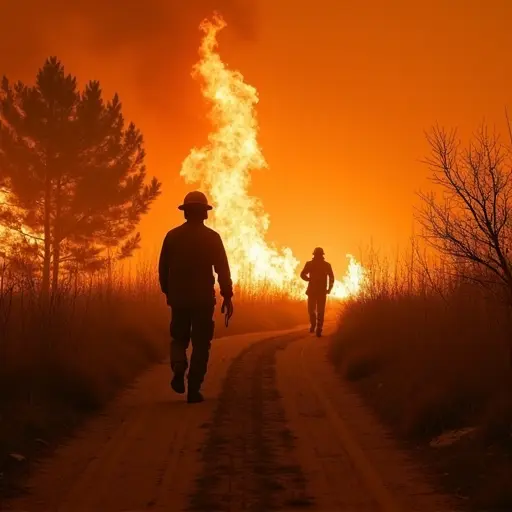
Tens of thousands of residents and tourists evacuated due to devastating wildfires across southern Europe are beginning to return home as firefighters gain the upper hand in France, Spain, and Greece. In France's Gironde department, approximately 84,000 evacuees from the Lège-Cap-Ferret peninsula were allowed to return on July 30, 2026, after a shift in weather brought cooler temperatures and light rain. The 2026 European wildfires have burned over 115,000 hectares in France alone, making it the worst fire season on record for the country.
France: Gironde Megafire Stabilizes
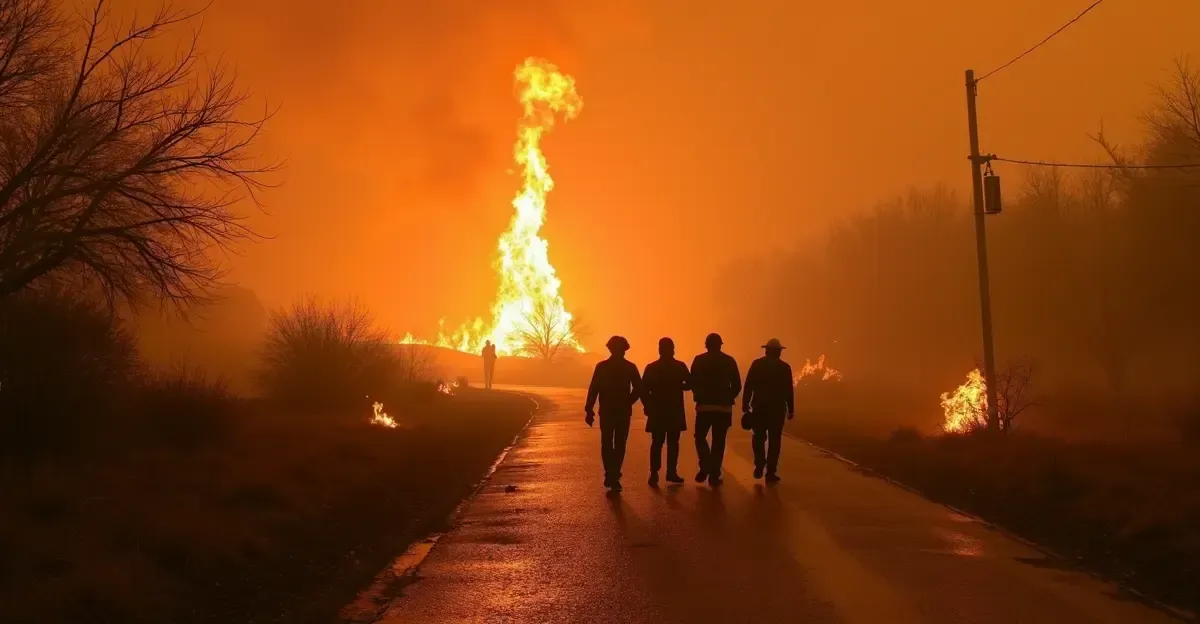
The Gironde wildfire, which consumed an area four times the size of Paris (over 42,000 hectares), is now better contained thanks to falling temperatures from around 40°C to 27°C and increased humidity. Some 2,200 firefighters and 20 water-bombing aircraft remain deployed. The A63 motorway from Bordeaux to the Spanish border is set to reopen tonight, a vital route for holiday traffic as many French families begin their summer vacations.
Authorities have warned residents to keep phones charged and emergency bags ready in case the fire reignites. The Gironde megafire 2026 was one of the largest in France since World War II, forcing a total of 224,000 evacuations at its peak. Earlier, 60,000 people from Bordeaux suburbs were allowed home on Tuesday.
Cap Ferret Peninsula Evacuation
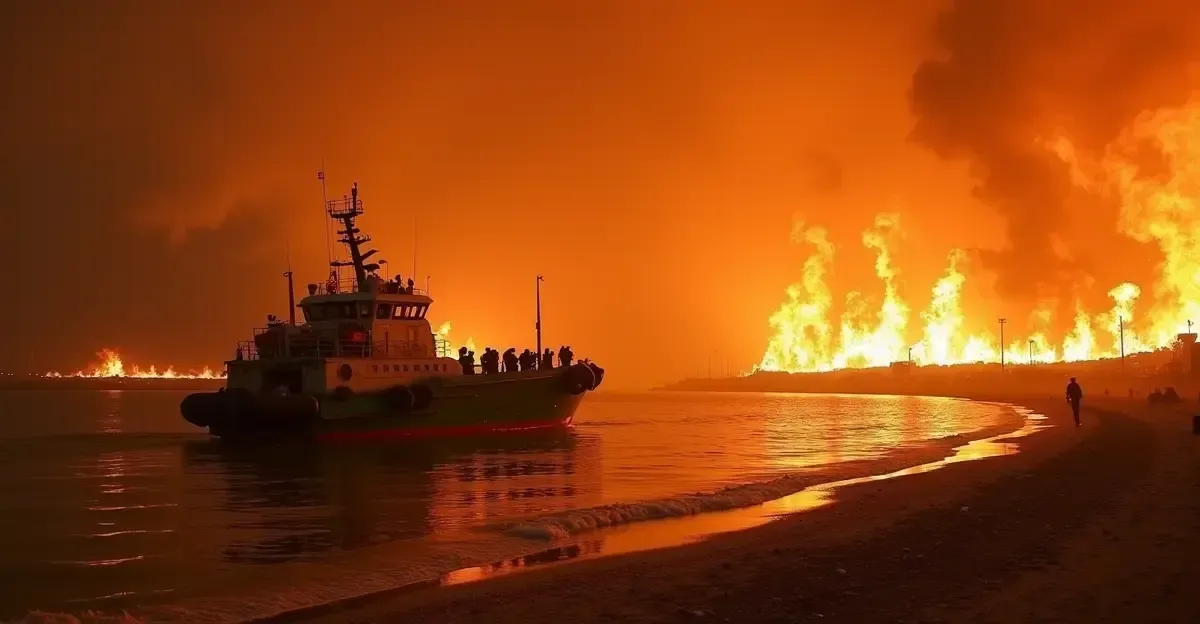
On July 24, French authorities ordered the complete evacuation of the Cap Ferret peninsula, a popular tourist destination near Bordeaux. Around 40,000 people were evacuated by boat from three piers as the fire grew by up to 1,000 hectares per hour. At least 53 homes and one campsite were destroyed. A separate wildfire near Biscarrosse forced 23,000 more to flee.
Spain: State of Emergency Lifted
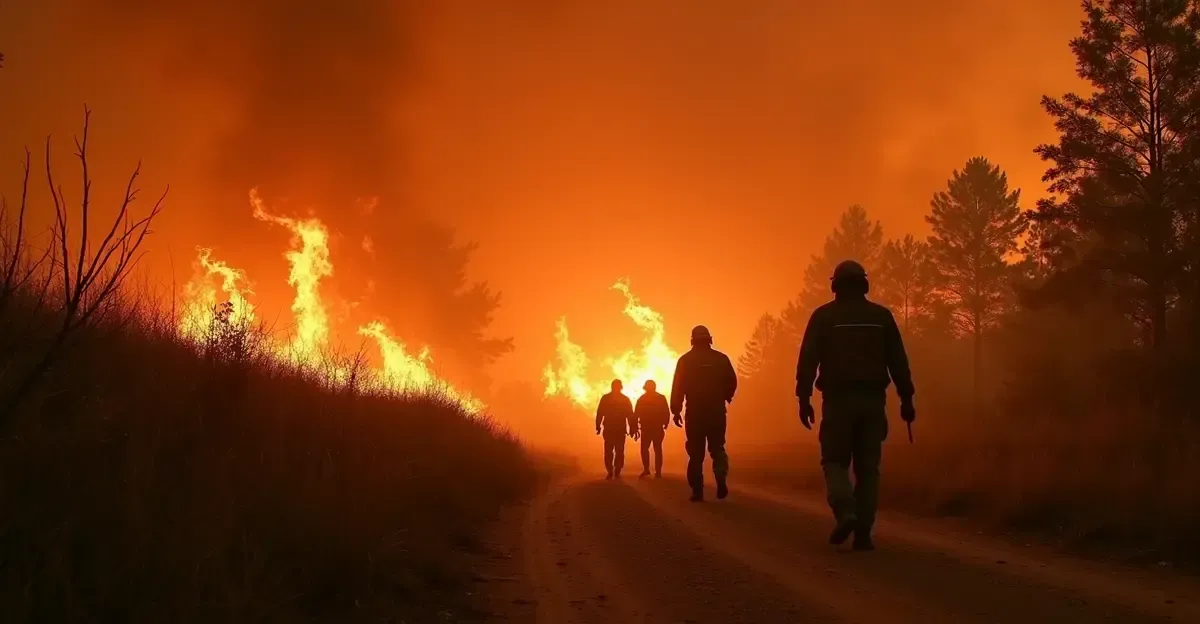
In Spain, the state of emergency has been lifted for the Madrid and Ávila regions, where two massive wildfires merged into a single blaze west of the capital, burning approximately 80,000 hectares — the largest fire in Spain's recorded history. Tens of thousands of evacuees are now returning home, though authorities caution that the ongoing heatwave could reignite flames. New fires have broken out in northwestern Spain, forcing an additional 1,300 evacuations.
Spain's 2026 wildfire season has been catastrophic, with over 168,000 hectares burned across the country. The deadliest single blaze near Los Gallardos in Almería killed at least 14 people. Spain declared a national emergency on July 24 as fires threatened the Madrid Deep Space Communications Complex.
Greece: Crete Wildfire Claims Two Firefighters
On the Greek island of Crete, a new wildfire broke out near Asomatos in the southern Rethymnon region, just 10 kilometers from a fire that had been burning for days. Strong winds reaching 100-125 km/h have grounded firefighting aircraft, forcing crews to battle the flames with trucks and ground equipment. The Greek Coast Guard and private vessels stand ready to assist with evacuations.
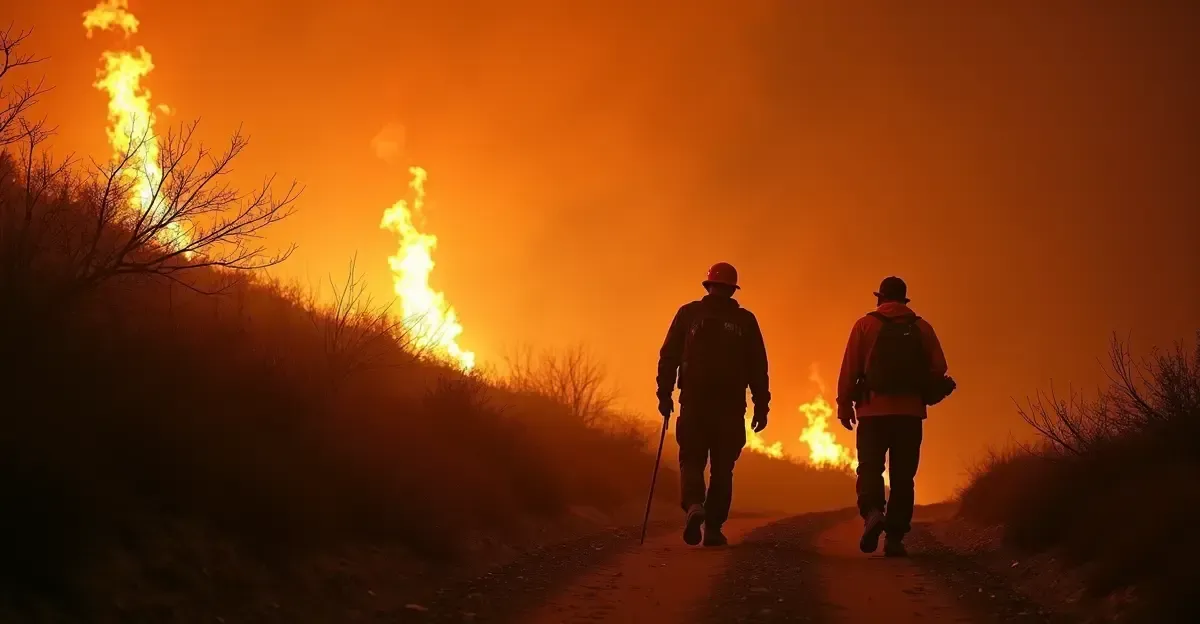
Tragically, two firefighters — Pantelis Diamantakis, 25, and Manolis Stratidakis, 58 — lost their lives after becoming trapped by flames near the village of Kria Vrisi. Greek Prime Minister Kyriakos Mitsotakis paid tribute to the fallen heroes at the start of a cabinet meeting, warning that August will be a difficult month. 'I call on everyone to be careful in fire-prone areas,' Mitsotakis said.
Further south, near Agia Paraskevi, a flare-up threatens homes. The earlier blaze near the popular resort of Agia Galini has been brought under control after two days of fierce winds. Hundreds of Dutch tourists who were evacuated are now safe and returning to their accommodations, according to tour operator Sunweb. The 2026 Greece wildfires have caused extensive damage to olive groves, crops, and farm buildings.
EU Mobilizes Largest Firefighting Response
The European Union has activated its largest-ever firefighting response under the rescEU mechanism, deploying 22 planes, 5 helicopters, and 777 pre-positioned firefighters across 12 countries. France requested EU assistance on July 24, receiving two Croatian Canadair water bombers, two Portuguese Air Tractor aircraft, and two heavy Black Hawk helicopters from the Czech Republic and Slovakia. Germany also sent helicopters and rescue teams.
June 2026 was the hottest June on record for Western Europe, with temperatures 3.05°C above normal, reaching 45.1°C in southern Spain. Scientists have linked the severity of the heatwaves and wildfires to climate change. UN Climate Change Executive Secretary Simon Stiell stated the heatwave 'has the fingerprints of the climate crisis all over it.'
Impact on Tourism and Local Economies
The wildfires have dealt a severe blow to the tourism economy in affected regions. In France's Gironde, popular coastal destinations like Cap Ferret and Biscarrosse saw peak-season visitors flee. Local business owners fear long-term damage to the region's reputation. The France wildfire tourism impact is expected to be significant, with many summer reservations cancelled.
FAQ: Europe Wildfires 2026
How many people were evacuated in total?
At the peak of the crisis, more than 250,000 people were evacuated in France alone, with tens of thousands more in Spain and Greece. Across Europe, the 2026 wildfire season forced roughly 330,000 evacuations.
What caused the 2026 European wildfires?
The wildfires were fueled by record-breaking heatwaves, drought conditions, and strong winds. Climate change is considered a primary driver, with June 2026 being the hottest June on record for Western Europe.
Are the fires under control now?
In France, the Gironde fire is stabilized but not fully contained. In Spain, the state of emergency has been lifted but new fires continue to break out. In Greece, the Crete fire remains active with challenging wind conditions.
How many hectares have burned?
France has seen approximately 115,000 hectares burned in 2026, while Spain has exceeded 168,000 hectares. The EU's EFFIS reported 254,388 hectares burned across Europe by July 22 — more than double the long-term average.
What help has the EU provided?
The EU mobilized its largest-ever firefighting response through the rescEU mechanism, including 22 planes, 5 helicopters, and hundreds of firefighters from multiple member states.
Sources
Information compiled from NOS, CNN, Euronews, Wildfire Today, and EU Civil Protection Mechanism reports. Images: EPA.

Follow Discussion