


 Deutsch
 English
 Español
 Français
 Nederlands
 Português


 Share
Share




France Wildfires Devastate Tourism Economy in Gironde
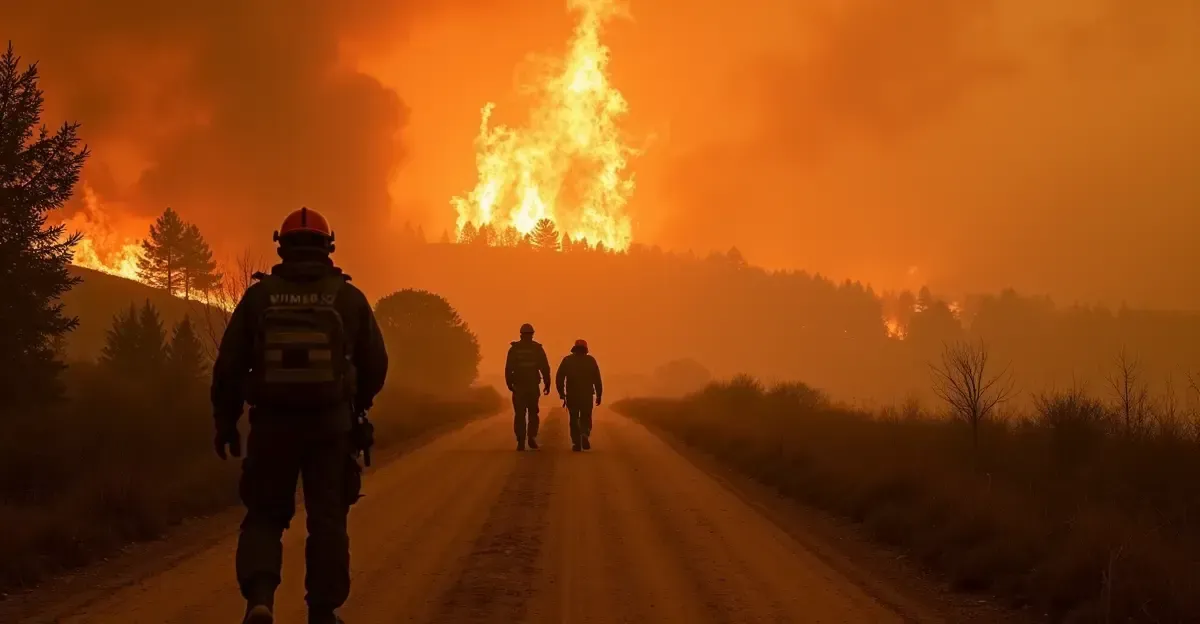
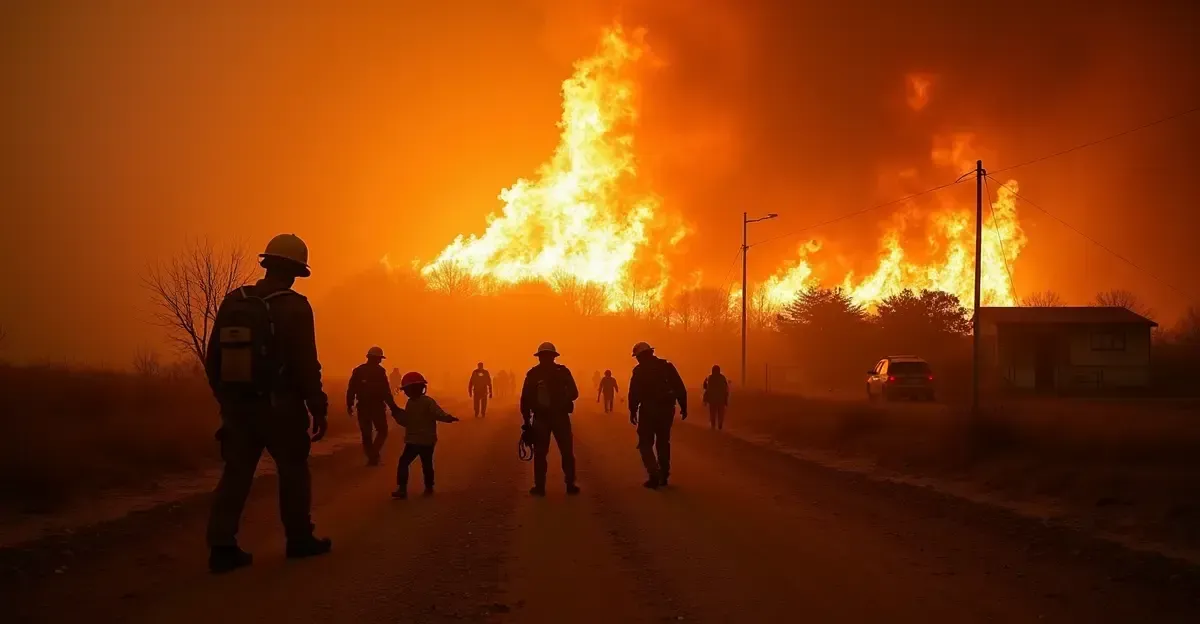
The massive wildfires sweeping through southwestern France have not only scorched over 115,000 hectares of land but are also devastating the local tourism economy. In the Gironde department, home to popular destinations like Lège-Cap-Ferret, thousands of businesses face ruin as the peak summer season turns into a disaster. The region's Chamber of Commerce reports that nearly 15,000 entrepreneurs have been directly affected by the fires, from hoteliers and campsite operators to restaurant owners and shopkeepers.
This crisis comes at the worst possible time: mid-summer, when tourism normally peaks. The economic impact of climate change is becoming painfully visible in real time.
Context: Unprecedented Wildfire Season in France
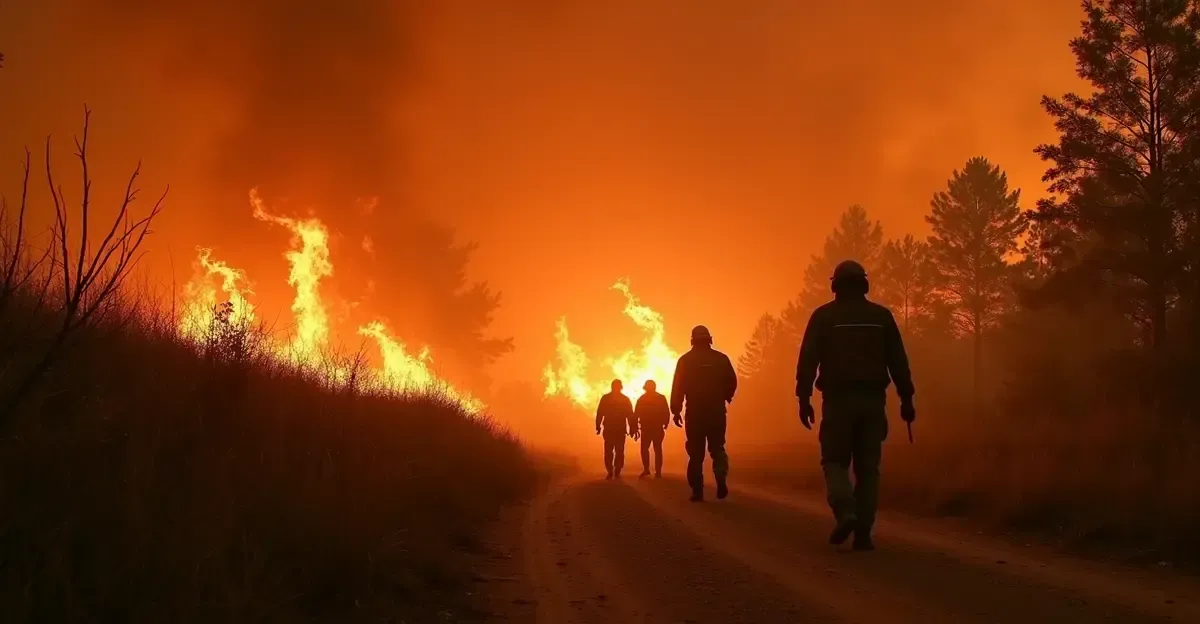
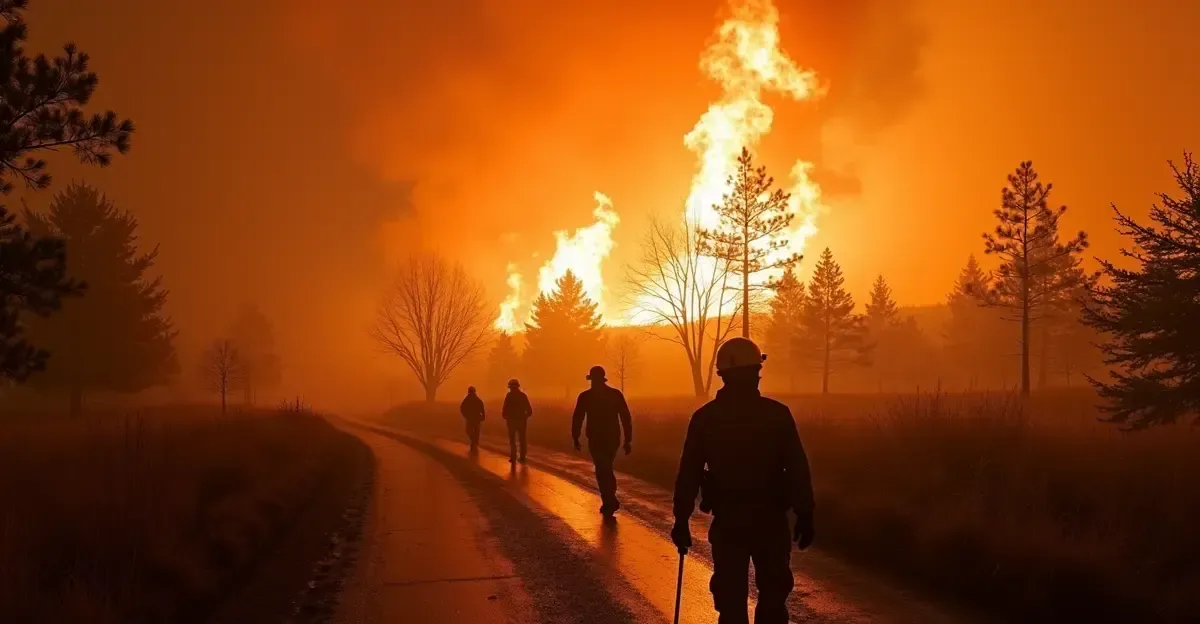
The 2026 wildfire season in France has been fueled by extreme heatwaves and drought conditions linked to climate change and the El Niño phenomenon. On 23 June, the European Union recorded its hottest day since measurements began in 1947. By late July, France was battling 30 to 40 wildfires daily, according to Interior Minister Laurent Nuñez. The Gironde fire alone has burned over 42,000 hectares and forced the evacuation of approximately 250,000 people across the Gironde and Landes departments. France requested EU assistance through the Civil Protection Mechanism, receiving aircraft and helicopters from Croatia, Portugal, the Czech Republic, and Slovakia.
Impact on Local Businesses
Lège-Cap-Ferret: A Ghost Town in Summer
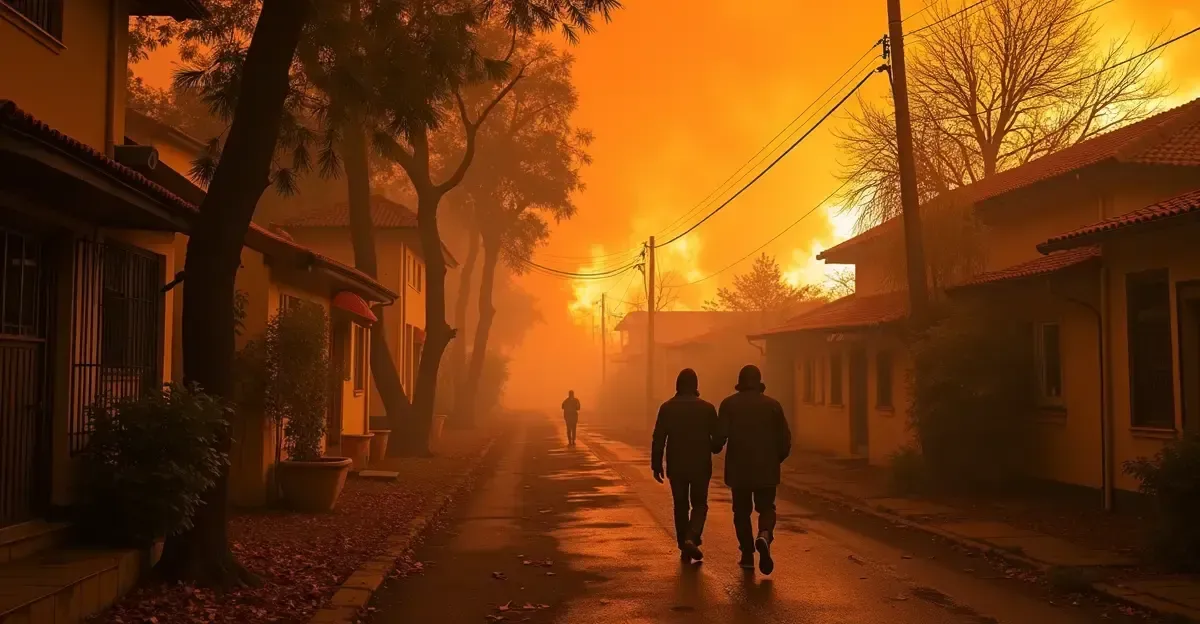
In the coastal town of Lège-Cap-Ferret, normally bustling with tourists, the streets are now empty. A gray-yellow haze hangs ominously over the area, and the fire brigade has set up a base at the local rugby stadium. A new fire front is flaring up less than ten kilometers away. Mayor Philippe de Gonneville walked out of a newsagent's shop with a heavy sigh. "The economic consequences of this fire will be enormous," he predicts. "85 percent of our economy comes from tourism. That sector is being hit hard. The entire season will be very bad."
Jewelry designer Carole Maret is one of the affected entrepreneurs. In her home workshop and boutique, she normally creates jewelry and gives workshops to tourists, drawing inspiration from the surrounding pine forests—many of which are now blackened by fire. "Nature is a place where I get all my inspiration," she says. "That this forest is now being destroyed by fire hurts." Summer is her busiest season. "This is what I work toward all year. This is when I earn my money." On Thursday, she had to evacuate hastily when the fire reached the edge of the village. "The fire and smoke were very present, so I left quickly with my daughter, cat, and husband." She now stays with in-laws, two hours away. In her panic, she could not take any of her jewelry. She made a quick video of her workshop for insurance—and as a memory.
Maret cannot return yet; evacuation orders remain in place for most municipalities. Even if she can go back, she fears tourists will stay away. "It's not like the area will immediately be busy with tourists again. That could take a long time." She hopes for exceptional government support, similar to COVID-19 aid. "Otherwise, it's over for me."
Wider Economic Toll
The Chamber of Commerce estimates 15,000 businesses in Gironde alone have been impacted. Many face lost revenue without physical damage, complicating insurance claims. Mayor de Gonneville has appealed to President Macron for specific support for tourism areas. Macron, during a visit to the department, pledged continued government support for reconstruction and recovery. The 2026 European heatwave crisis has prompted calls for a coordinated EU economic response.
Long-Term Recovery Challenges
Even after the fires are extinguished, the economic recovery could take years. The destruction of natural landscapes, which are a major draw for tourists, will have lasting effects. The region's reliance on summer tourism means that a single lost season can push many small businesses to the brink. France's government has indicated it will provide support, but the scale of the disaster—with over 115,000 hectares burned nationally—may strain resources.
FAQ
What is the current status of the Gironde wildfires?
As of late July 2026, the Gironde wildfire has burned over 42,000 hectares. While some rain has helped, the situation remains volatile. Evacuation orders have been partially lifted in three municipalities near Bordeaux, but most areas remain off-limits.
How many people have been evacuated?
Approximately 250,000 people have been evacuated from the Gironde and Landes departments, making it one of the largest wildfire evacuations in France since World War II.
What financial support is available for affected businesses?
President Macron has pledged government support for reconstruction. Business owners are hoping for aid similar to COVID-19 relief programs. The French government has not yet announced specific measures, but discussions are ongoing.
How are the wildfires affecting tourism in the region?
Tourism, which accounts for up to 85% of the local economy in some areas, has come to a complete halt. Evacuations, smoke, and closed roads have forced cancellations and emptied hotels, campsites, and restaurants.
What caused the 2026 France wildfires?
The wildfires are a result of extreme heatwaves and drought, exacerbated by climate change and the El Niño phenomenon. The EU recorded its hottest day ever on June 23, 2026.
Sources
Information for this article was sourced from NOS, BBC News, France 24, and Wikipedia. For more details on the broader climate context, see wildfires and climate change in Europe.

Follow Discussion