


 Deutsch
 English
 Español
 Français
 Nederlands
 Português


 Share
Share




Massive Wildfire Erupts Between Marseille and Nice, Forcing Mass Evacuations
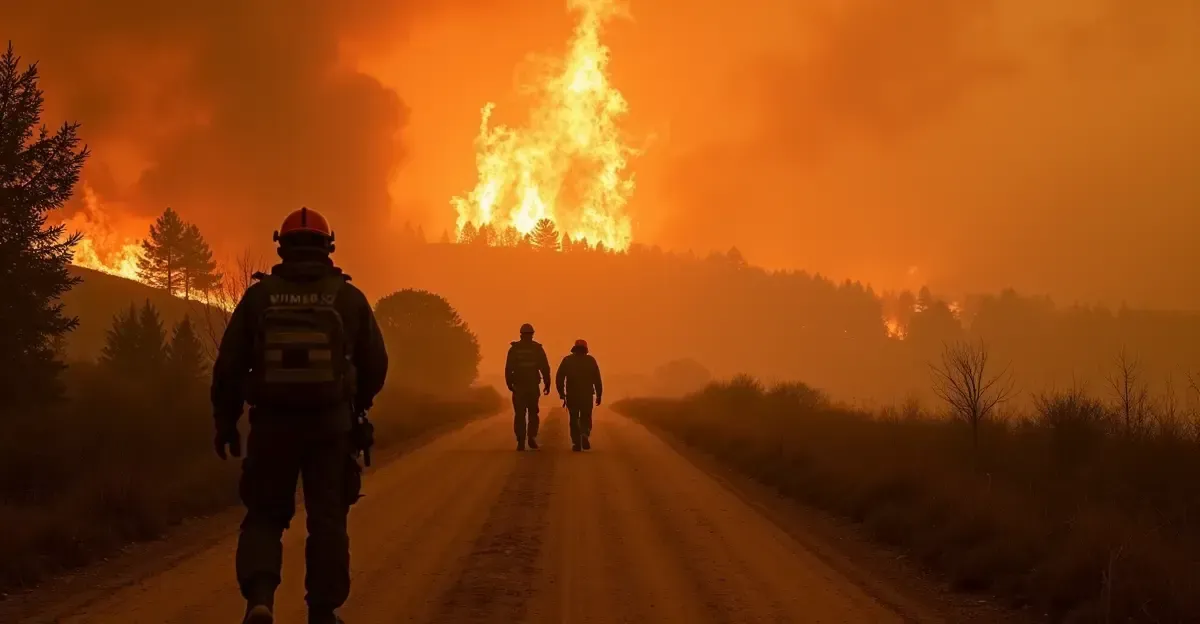
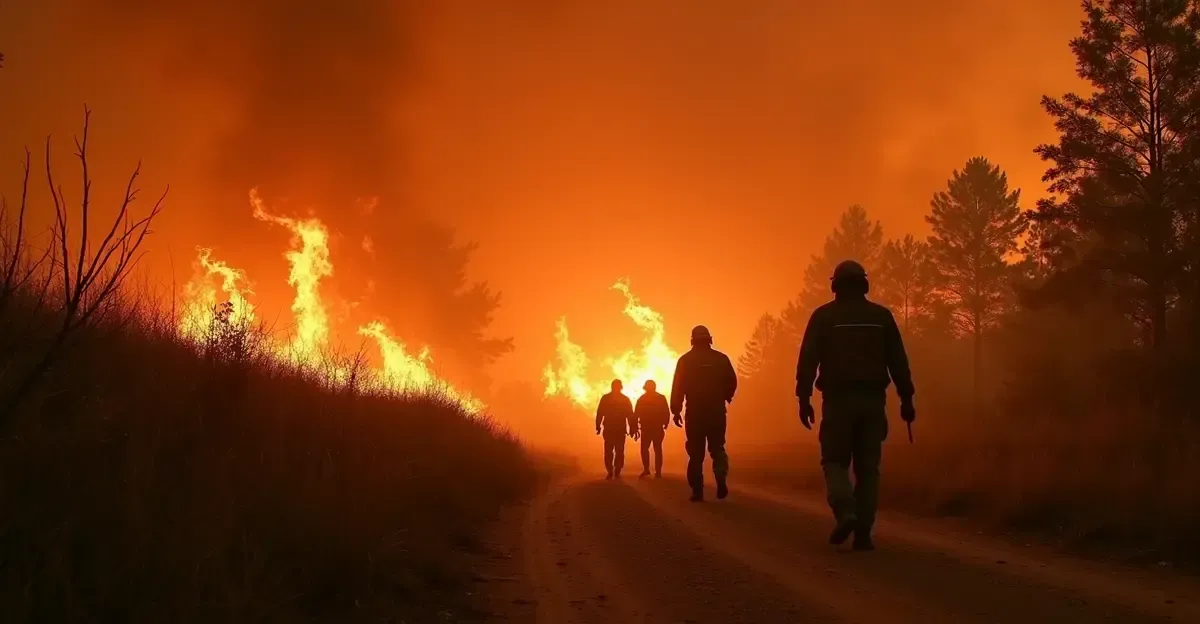
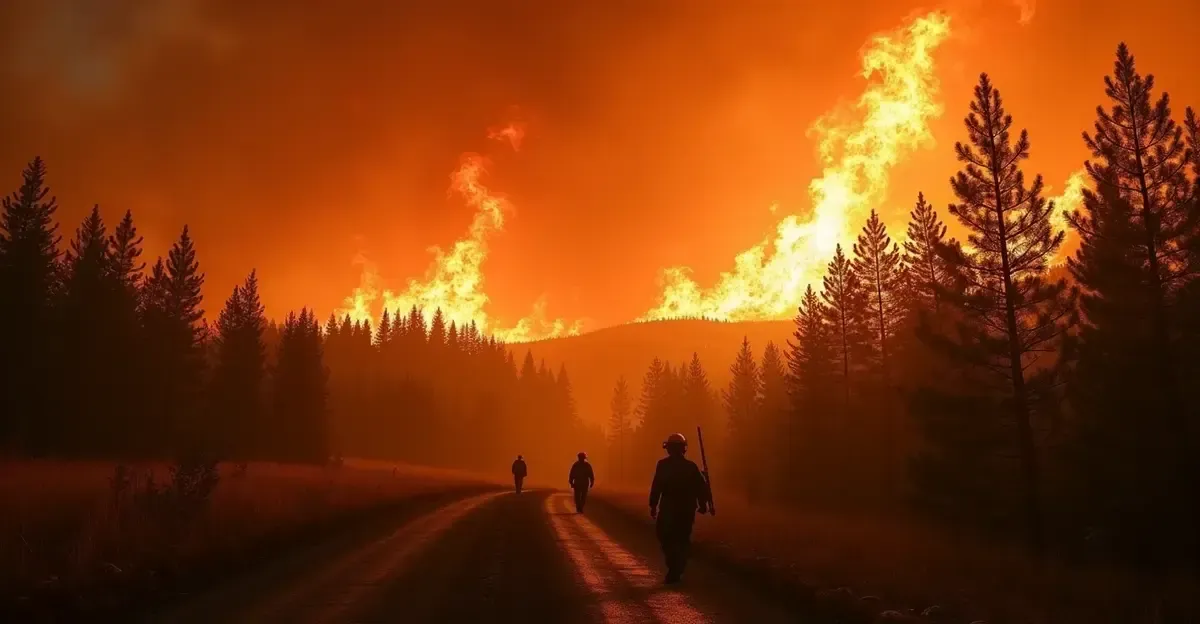
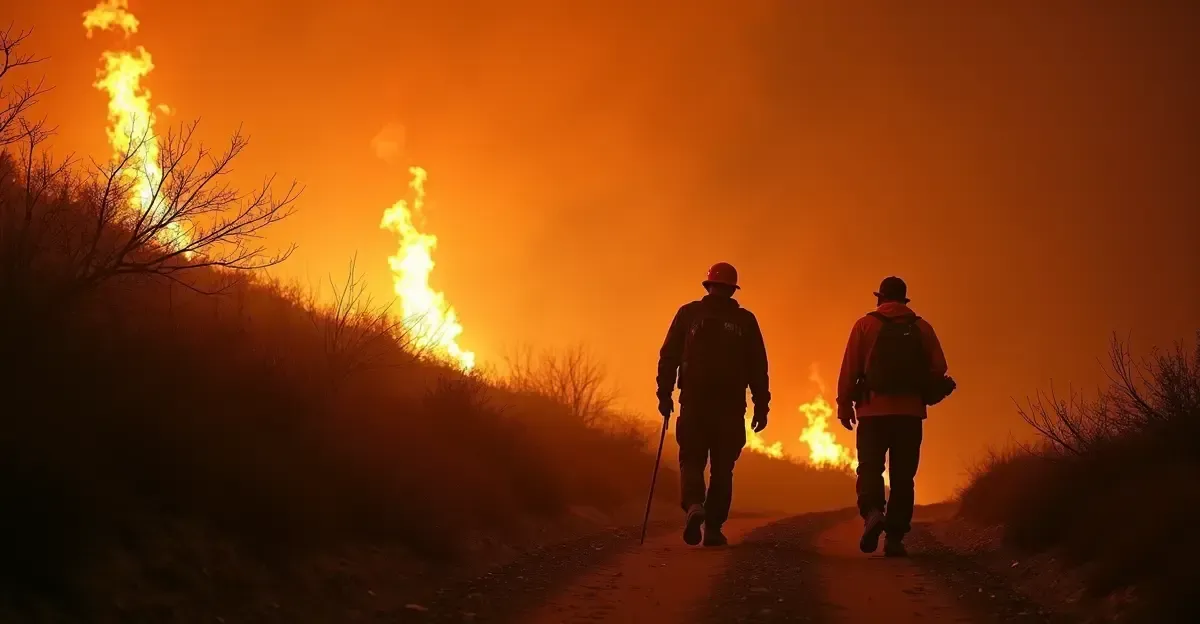
A large wildfire erupted in the Var department of southern France on July 22, 2026, forcing approximately 400 residents to flee their homes and destroying over 2,500 hectares (6,000 acres) of woodland. The blaze, located between Marseille and Nice, spread rapidly due to extreme heat and dry conditions, threatening several villages including Cotignac, Montfort-sur-Argens, and Correns. More than 1,100 firefighters were deployed to combat the flames, supported by Canadair water bombers and helicopters.
The wildfire is part of a devastating season for France, which has already seen over 40,000 hectares burned across the country by mid-July—far exceeding the total for all of 2025, according to Météo-France. Scientists attribute the increased intensity and frequency of such fires to climate change, which has exacerbated heatwaves and drought across southern Europe.
Evacuations and Damage
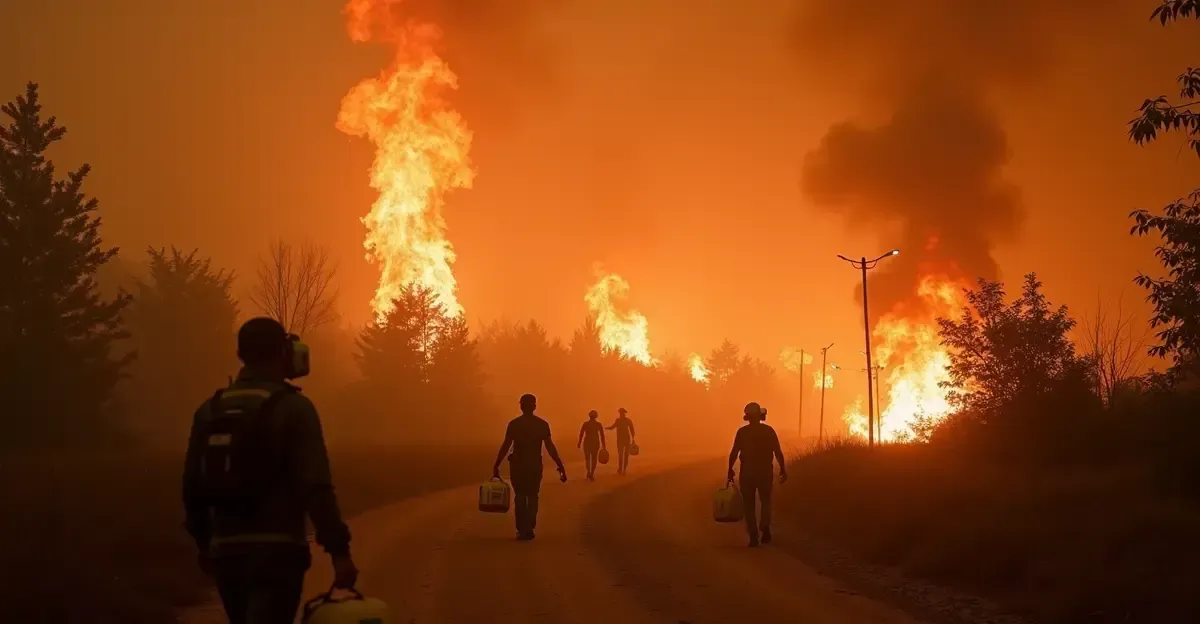
Most evacuations centered around the villages of Pontevès, Cotignac, Sillans-la-Cascade, Correns, and Montfort-sur-Argens. Many residents described harrowing escapes. "I had to leave everything behind," one Cotignac resident told local media. "I had no choice. I was surrounded by smoke—I couldn't breathe." Another evacuee from Sillans-la-Cascade wept as she spoke of her home: "I cried because my chickens are there. I left everything open, hoping they could escape. I'm desperate—we don't know if our house has burned down."
Firefighters managed to save between 100 and 150 homes that were directly threatened, though the total number of structures lost remains unknown. The 17th-century Saint Joseph Monastery near Cotignac and a local Catholic church were both rescued from the flames. However, 2,300 households in the Cotignac area were left without power as the blaze damaged infrastructure.
The situation highlights the growing threat of wildfires in Mediterranean climates, where hot, dry summers create ideal conditions for rapid fire spread.
Firefighting Response and Weather Conditions
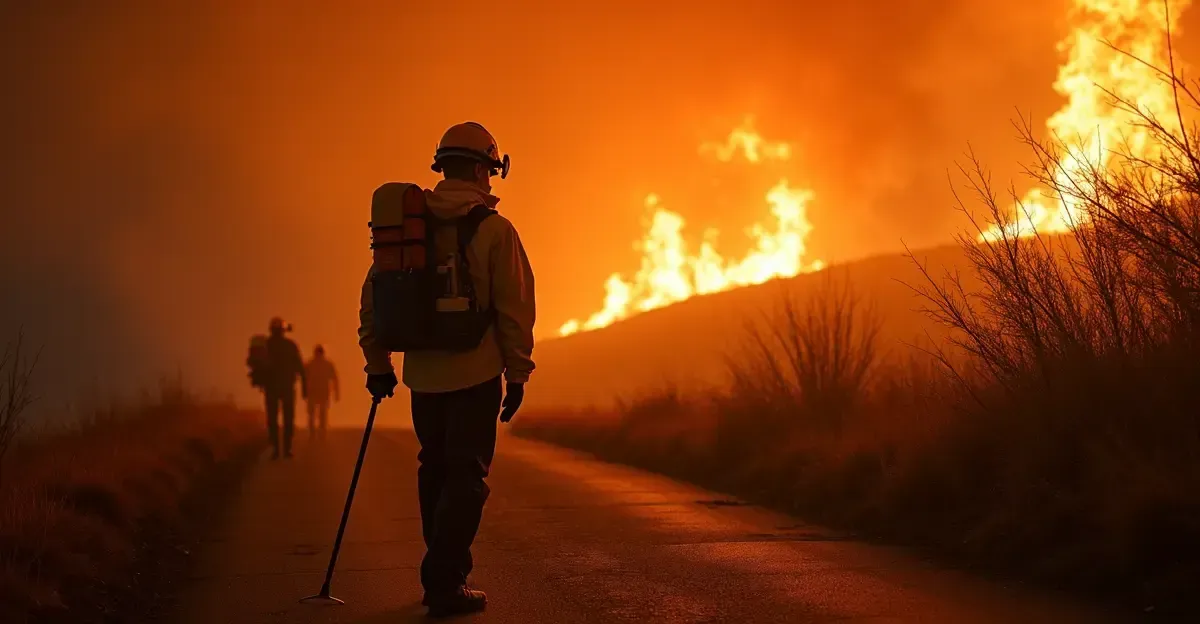
The Var departmental fire service mobilized over 1,000 personnel, with additional support from national reinforcements. Aerial assets conducted more than 100 water drops using Canadair CL-415 planes, Dash aircraft, and helicopters. Despite the massive effort, the fire's rapid spread initially overwhelmed containment lines. "It was not a quiet night," said the director of the Var fire service in an interview with BFMTV. "The fire kept spreading and came dangerously close to the villages of Cotignac, Montfort-sur-Argens, and Correns."
Weather conditions remain challenging, with temperatures forecast to stay above 30°C (86°F) and moderate to strong winds expected during the day. However, by the morning of July 23, officials reported that the worst was over. "We have pushed the fire back; it is no longer spreading quickly," the fire director told France 24. "But it is still burning in many places, so we remain very alert."
This incident follows a similar deadly wildfire in Gironde in western France, where two firefighters lost their lives while battling another blaze.
Wildfire Season in France: A Record Year
France has experienced an unprecedented wildfire season in 2026. According to the European Forest Fire Information System (EFFIS), more than 42,000 hectares had burned by mid-July, surpassing the previous record set in 2022. Major fires have also affected the Fontainebleau Forest near Paris, the Alps, Corsica, and parts of Spain. The extreme conditions are linked to repeated heatwaves and a severe drought that has left vegetation tinder-dry across much of the country.
Climate scientists warn that such events will become more common as global temperatures rise. Europe is the world's fastest-warming continent, and the Mediterranean region is particularly vulnerable. "The intensity of heatwaves, droughts, and wildfires is clearly linked to human-driven climate change," said a spokesperson for Météo-France. The situation underscores the urgent need for improved forest management and fire prevention strategies across southern Europe.
Impact on Communities and Environment
The ecological toll is severe. Over 2,500 hectares of forest and maquis shrubland have been destroyed, affecting wildlife habitats and releasing significant amounts of carbon dioxide into the atmosphere. Local agriculture, including vineyards and olive groves, may also suffer from smoke damage and soil erosion. The economic impact on tourism—a vital sector for the Var region—could be substantial, as the area is popular with summer visitors.
Residents are now facing an uncertain recovery. Many have been allowed to return to their homes, but some find only ashes. Authorities are assessing the damage and planning support measures for affected families. The French government has pledged emergency funds and called for a review of wildfire preparedness.
FAQ About the Southern France Wildfire
What caused the wildfire in Var?
The exact cause is under investigation, but extreme heat, drought, and strong winds created conditions for rapid ignition and spread. Human activity is suspected, as over 85% of wildfires globally are human-caused.
How many people were evacuated?
Approximately 400 residents were evacuated from villages including Cotignac, Montfort-sur-Argens, Correns, Sillans-la-Cascade, and Pontevès.
Is the fire under control?
As of July 23, the fire is contained but not fully extinguished. Firefighters remain on high alert as hotspots persist.
How does this compare to previous wildfire seasons in France?
2026 is a record year, with over 42,000 hectares burned by mid-July—more than double the annual average and surpassing the 2022 record.
What can residents do to protect themselves?
Authorities advise following evacuation orders immediately, creating defensible space around homes, and staying informed via local alerts. More tips are available in our guide on how to prepare for wildfires.
Follow Discussion