


 Deutsch
 English
 Español
 Français
 Nederlands
 Português


 Share
Share




A 68-year-old French tourist has died from extreme heat in Death Valley National Park after his vehicle became stuck on a remote backcountry road, park officials confirmed Monday. Pierre Michel Formosa and a traveling companion were driving along West Side Road on August 17, 2026, when their car became trapped in thick mud near Queen of Sheba Mine Road, according to the National Park Service.
What Happened in Death Valley?
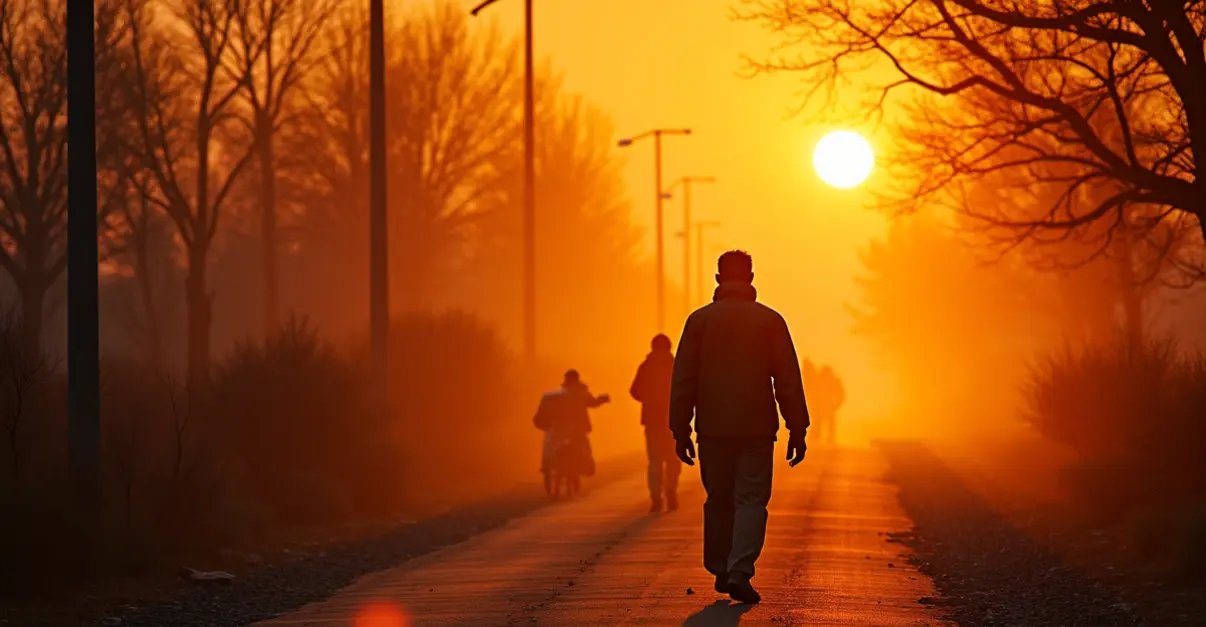
With no help in sight and temperatures climbing to 116°F (46.7°C), the two men set out on foot across exposed salt flats toward Badwater Road. After walking roughly 1.3 miles (2 kilometers), Formosa could no longer continue. His companion managed to flag down a passing motorist and reported the emergency at the Furnace Creek Visitor Center just after 2 p.m.
Rangers, an Inyo County deputy, and a California Highway Patrol helicopter launched a search operation. The helicopter located Formosa about 1.5 miles from Badwater Road, but he was pronounced dead at the scene. The Inyo County coroner will determine the official cause of death.
Death Valley: One of the Hottest Places on Earth
Death Valley holds the record for the highest ambient air temperature ever recorded on Earth—134°F (56.7°C) at Furnace Creek on July 10, 1913. The highest reliable modern reading is 130°F (54.4°C), recorded in August 2020 and again in July 2021. The valley sits below sea level and is surrounded by mountain ranges that trap hot air, making it the driest and lowest point in North America.
In summer months, daytime highs routinely exceed 115°F, and the Death Valley summer heat can turn fatal within minutes for unprepared visitors. The National Park Service reports heat-related deaths nearly every summer, often just a short distance from paved roads.
Why Do Tourists Die in Death Valley?
Park Superintendent Mike Reynolds called the incident 'a heartbreaking reminder of how quickly conditions here can turn dangerous.' 'The park's heat, distances, and remoteness can be dangerous regardless of experience,' Reynolds said in a statement.
Several factors contributed to this tragedy. West Side Road is an unpaved route that becomes impassable when wet, and the remote Queen of Sheba Mine Road area offers little shade or traffic. The salt flats between the road and Badwater Road are completely exposed, with no shelter from the sun. The pair chose to walk rather than stay with the car. Officials emphasized that vehicle breakdown survival tips are critical in extreme heat: staying with a disabled vehicle provides shade and makes it easier for search teams to spot from the air. Additionally, large parts of Death Valley have no cell phone service, leaving travelers isolated.
Death Valley Safety Tips
- Stay with your vehicle if it breaks down — it provides shade and is easier to spot
- Carry at least one gallon of water per person per day
- Use a satellite communicator, as cell service is unreliable
- Check the park's website and weather forecast before visiting
- Avoid hiking in lower elevations during summer
Impact: Heat-Related Deaths on the Rise
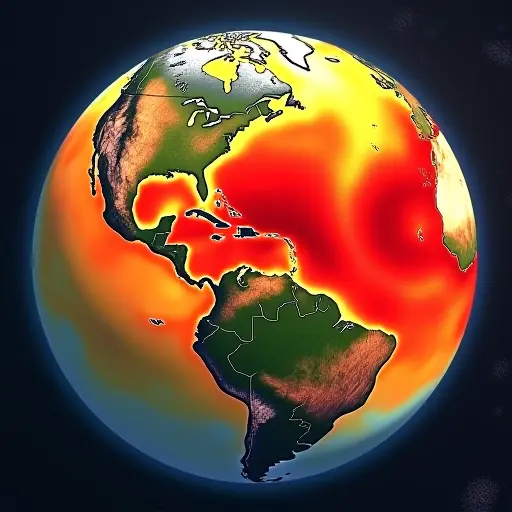
The incident comes amid a broader pattern of extreme heat across the American Southwest. The 2026 North American heat wave has brought record-breaking temperatures to multiple states, with Phoenix hitting 115°F as early as May 8 and Death Valley reaching 124°F multiple times this summer. Heat-related fatalities are increasing as climate change lengthens the heat season and intensifies temperature extremes, according to meteorologists.
FAQ: Death Valley Heat and Safety
How hot does Death Valley get in summer?
Summer temperatures in Death Valley regularly exceed 115°F (46°C), with ground temperatures above 170°F. The record high is 134°F (56.7°C).
What should you do if your car breaks down in Death Valley?
Stay with your vehicle. It provides shade and is much easier for search teams to spot from the air than a person walking. Use a satellite communicator to call for help if possible.
Is it safe to visit Death Valley in summer?
Visiting is possible but requires extreme caution. Park officials recommend avoiding hiking in lower elevations, carrying ample water, and planning routes carefully. Many visitors underestimate the risks.
How many people die from heat in Death Valley each year?
The National Park Service reports heat-related deaths nearly every summer. Fatalities often occur just a short walk from paved roads, highlighting how quickly conditions can turn lethal.



Follow Discussion