


 Deutsch
 English
 Español
 Français
 Nederlands
 Português


 Share
Share




Devastating Earthquake Doublet Claims Nearly 3,000 Lives
The death toll from the catastrophic twin earthquakes that struck Venezuela on June 24, 2026, has risen to 2,954, according to the Ministry of Information. Over 16,000 people have been injured, and the United Nations estimates that 50,000 individuals remain missing, making this one of the deadliest seismic events in the nation's modern history.
The earthquake doublet — a magnitude 7.2 foreshock followed 39 seconds later by a magnitude 7.5 mainshock — devastated large swaths of north-central Venezuela, particularly the coastal city of La Guaira and the capital, Caracas. The USGS PAGER system warned early on that the death toll could exceed 10,000, though confirmed figures remain lower.
Context: A Seismic Catastrophe in a Vulnerable Nation
The quakes originated along the San Sebastián Fault system, part of the complex boundary between the Caribbean and South American plates. The mainshock was the strongest to hit Venezuela since the 1900 San Narciso earthquake. Rupture extended approximately 230 kilometers and lasted over 90 seconds, with up to 3.6 meters of slip recorded offshore by Italy's INGV. More than 782 aftershocks have followed.
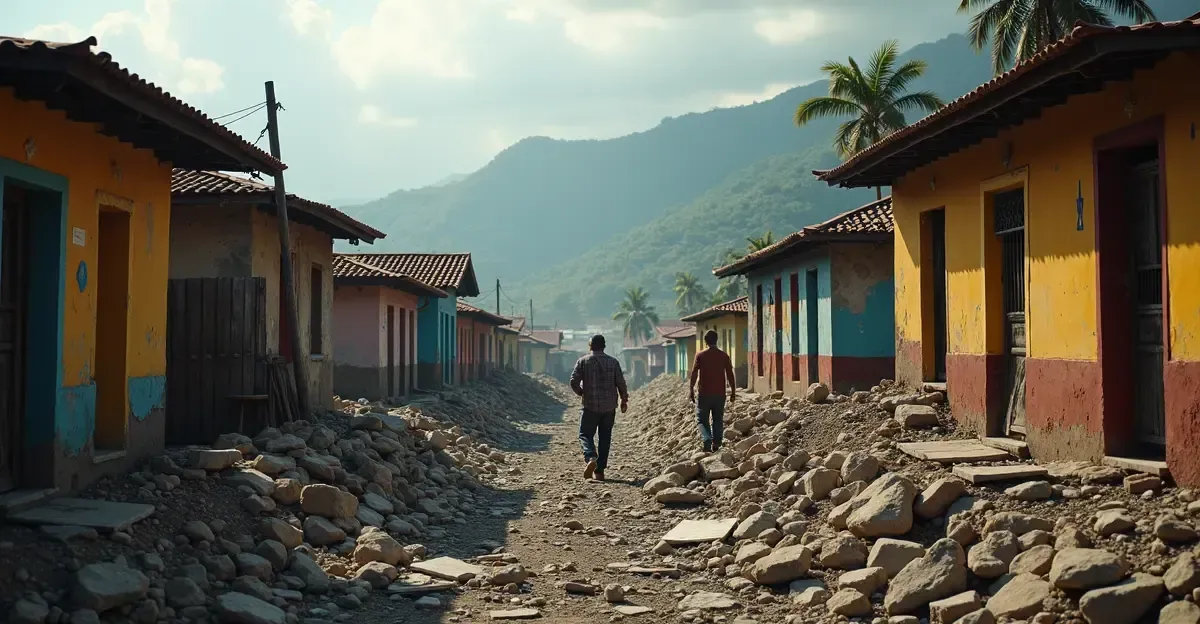
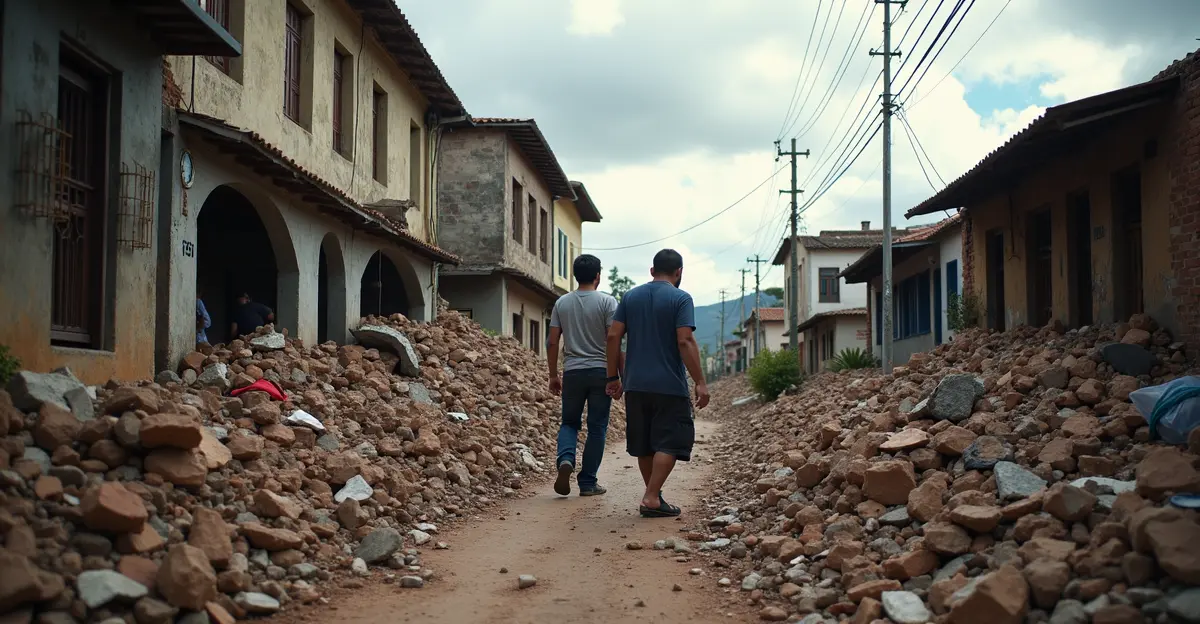
Venezuela's fragile infrastructure and ongoing economic crisis compounded the disaster. Many buildings in La Guaira and Caracas were not built to modern seismic codes, leading to widespread collapses. The disaster has drawn comparisons to the Haiti earthquake of 2010 in terms of urban destruction and response challenges.
Miraculous Rescue Amid the Rubble
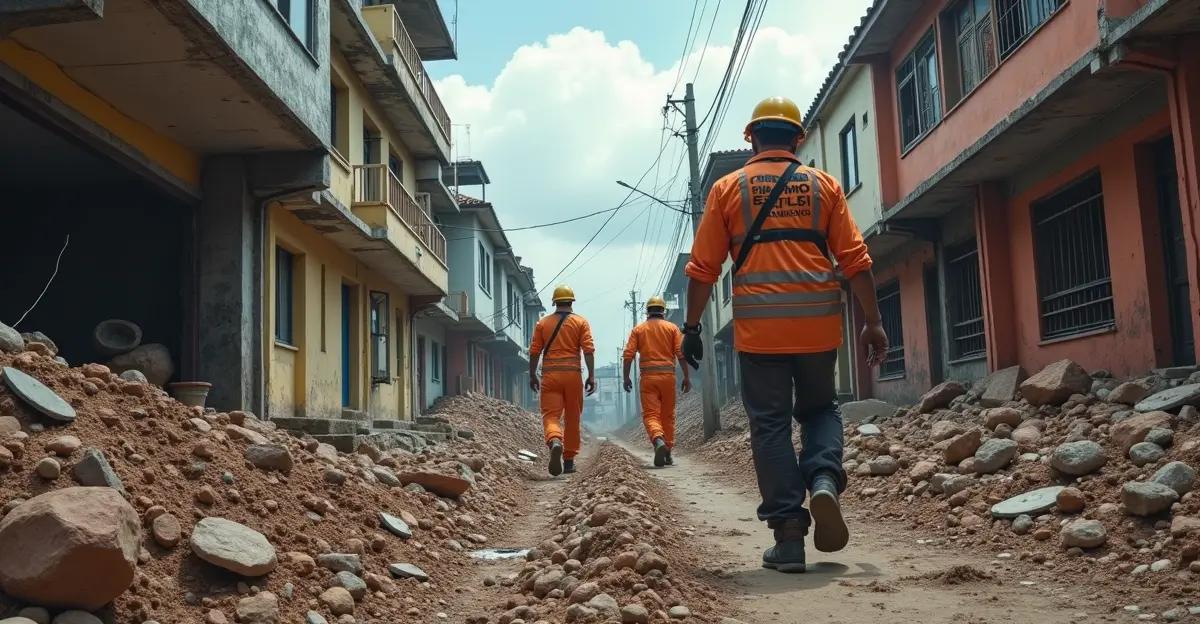
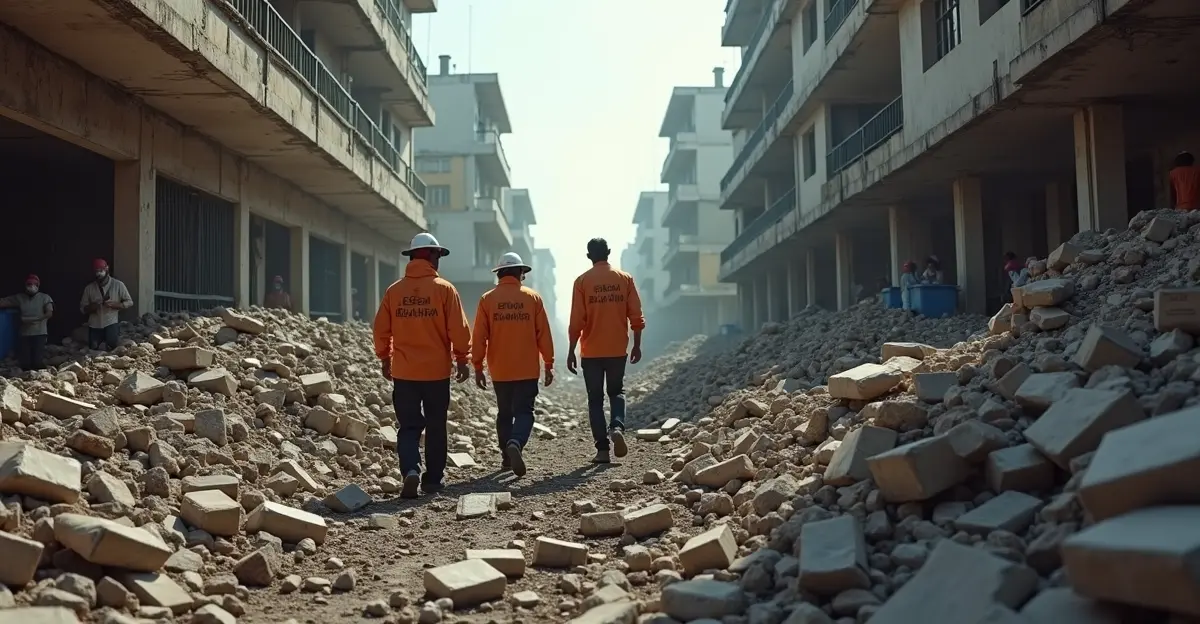
Amid the devastation, a story of survival emerged. Security guard Hernán Gil, 43, was rescued after spending eight days trapped beneath the rubble of a collapsed seven-story shopping center in Catia La Mar. International rescue teams from seven countries worked for three days to dig a three-meter tunnel to reach him, providing water and oxygen through a syringe. His wife called it a 'true miracle.' Other rescues included an 18-day-old baby and a mother with her 9-month-old infant.
However, experts say the likelihood of finding more survivors is now extremely low. The critical 72-hour window for rescue operations passed long ago, and many collapsed buildings have been marked with the deceased symbol.
Humanitarian Crisis and Government Response Under Fire
More than 16,000 people have lost their homes, and 25 temporary shelters have been set up. Medical personnel have warned of a looming health crisis due to poor sanitation, lack of running water, and inadequate medical supplies. The Venezuelan healthcare system collapse has been exacerbated by the disaster, with doctors fearing thousands more could die from infections.
Interim leader Delcy Rodríguez has defended the government's response, stating, 'We did not wait one day, two days or three days. We activated immediately.' She dismissed criticism as 'narratives manufactured in propaganda laboratories.' Yet many Venezuelans report that in the first 48 hours, they had to search for loved ones with bare hands. Rodríguez announced that the IMF and World Bank have agreed to provide financial assistance, including a $200 million reconstruction fund.
International Aid Pours In
The United States has committed over $300 million in aid and deployed 900 military personnel for rescue and relief operations. The U.S. Treasury issued General License 60 to facilitate earthquake relief transactions despite sanctions. Other countries including the Netherlands, Spain, France, Mexico, Italy, Qatar, El Salvador, and China have deployed search and rescue teams or pledged financial aid. The UN is coordinating the international response.
The role of international sanctions in disaster relief has been a point of discussion, with the U.S. taking steps to ensure aid flows freely.
FAQ: Venezuela Earthquakes 2026
What caused the 2026 Venezuela earthquakes?
The earthquakes were caused by right-lateral strike-slip faulting along the San Sebastián Fault system, part of the Caribbean-South American plate boundary.
How strong were the earthquakes?
The first was a magnitude 7.2 foreshock, followed 39 seconds later by a magnitude 7.5 mainshock. The mainshock was the strongest in Venezuela since 1900.
How many people died and were injured?
As of July 4, 2026, the confirmed death toll stands at 2,954, with over 16,000 injured and an estimated 50,000 missing.
What is the extent of the damage?
Direct damage is estimated at US$37 billion. Over 60,000 buildings were damaged or destroyed, and more than 16,000 people are homeless.
How is the international community helping?
The U.S. pledged $300 million and deployed 900 troops. Dozens of countries sent rescue teams. The UN is coordinating relief. The IMF and World Bank approved a $200 million reconstruction fund.
Follow Discussion