


 Deutsch
 English
 Español
 Français
 Nederlands
 Português


 Share
Share




Venezuela Earthquake Worsens Already Fragile Healthcare System
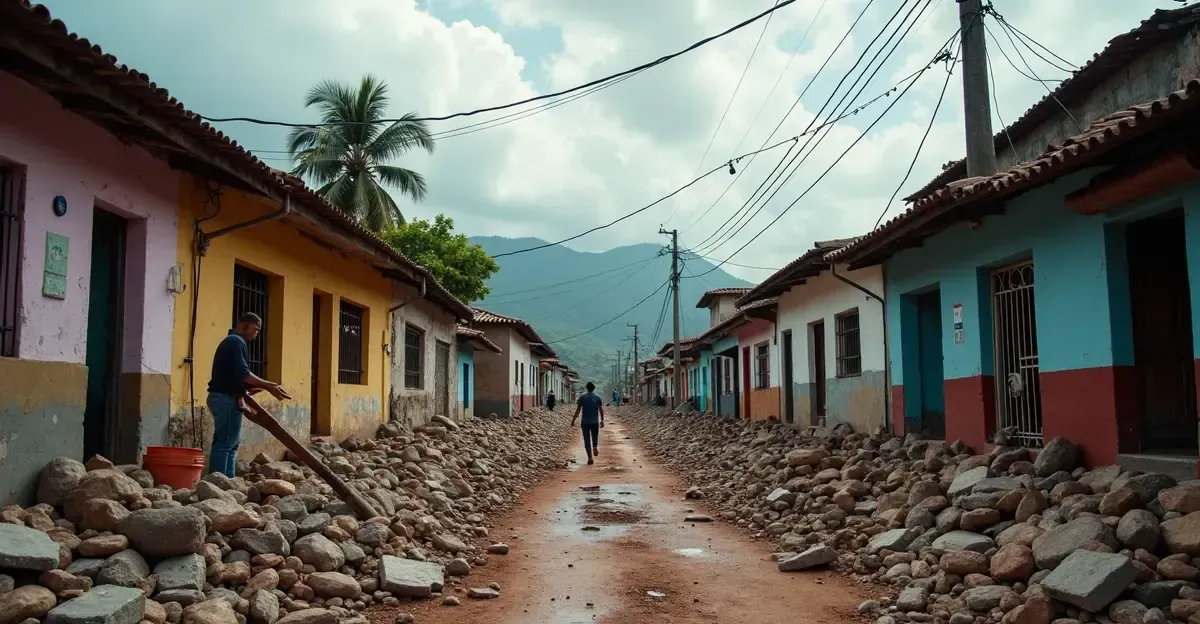
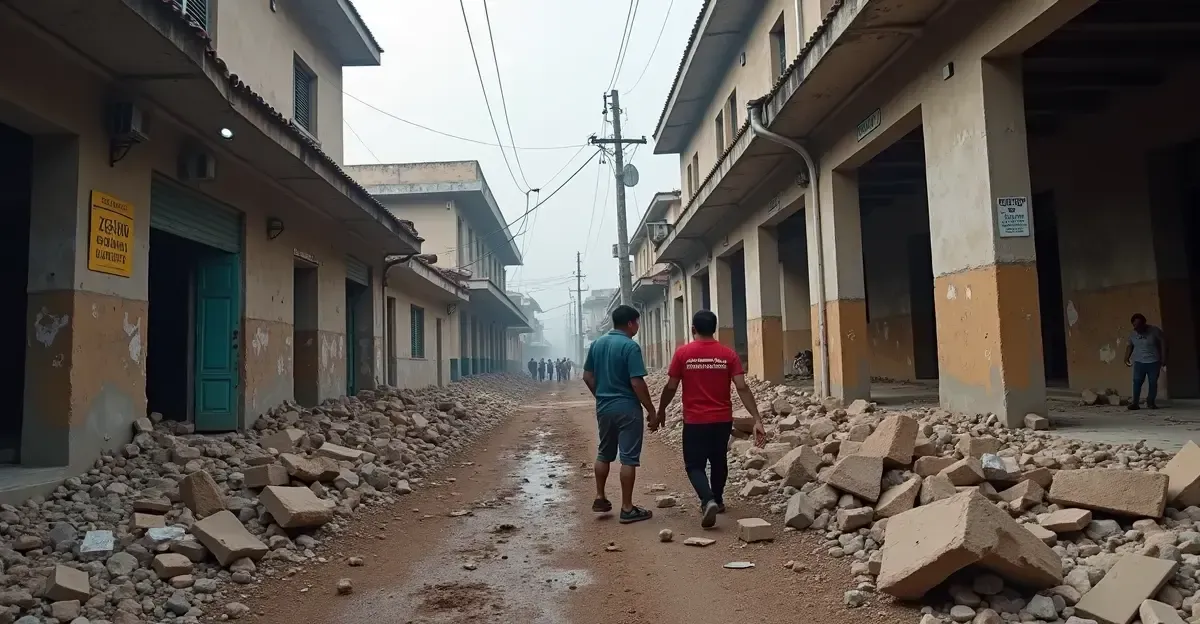
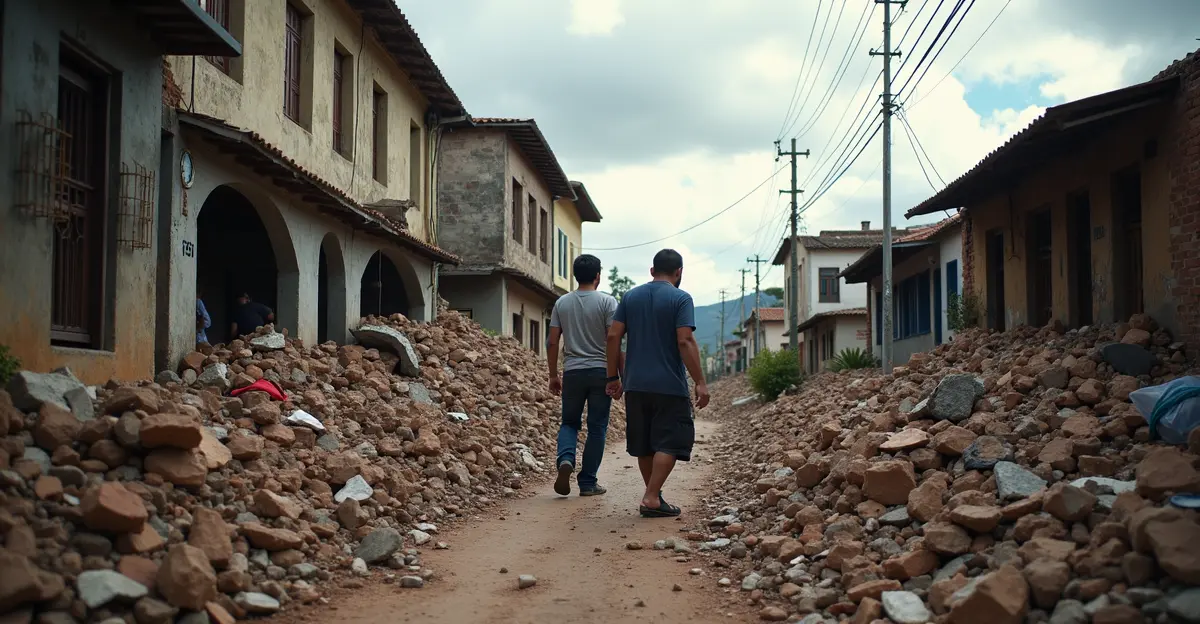
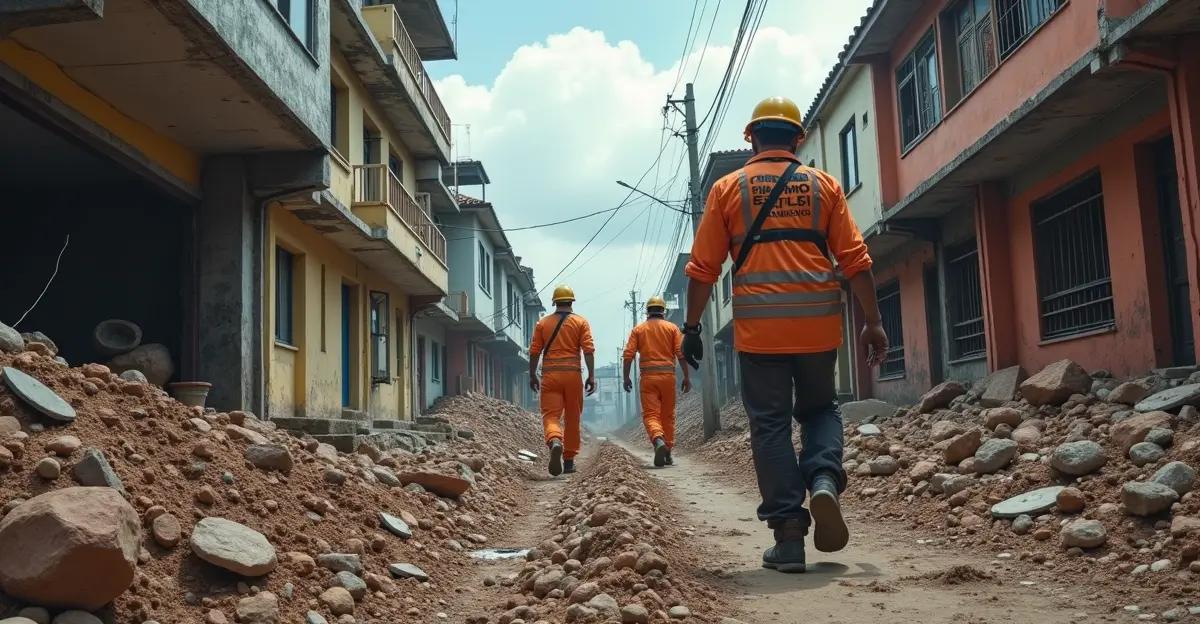
Two powerful earthquakes struck Venezuela on June 24, 2026 — a magnitude 7.2 foreshock followed by a magnitude 7.5 mainshock — devastating north-central regions including La Guaira, Caracas, and the Capital District. With at least 2,295 confirmed dead, over 11,000 injured, and tens of thousands missing, medical professionals now fear a prolonged healthcare crisis in a system that was already on the brink of collapse. The Venezuela earthquake 2026 has exposed critical vulnerabilities in the country's medical infrastructure.
Background: A System in Crisis Before the Quake
Long before the earthquakes, Venezuela's healthcare system was in severe decline. Since former President Maduro took office in 2013, an estimated 7.7 million Venezuelans have left the country, including a large proportion of doctors and nurses. The Venezuelan Medical Federation reports that roughly one-third of the country's 60,000 registered physicians have emigrated, driven by hyperinflation, lack of supplies, and political instability. Chronic shortages of water, electricity, medical equipment, ambulances, and trained personnel had already reduced many hospitals to shells of their former selves.
According to PAHO/WHO, approximately 3.9 million people were exposed to severe shaking. The earthquakes damaged at least 38 hospitals, including the Hospital José Gregorio Hernández in Caracas, where trauma chief Eugenio Cova now performs complex bone surgeries in a makeshift operating room. "We have already endured a period of complex trauma, and those will continue, but now care is becoming even more difficult due to infections," Cova told the Associated Press.
Medical Supplies Running Out
The disaster has created an acute shortage of surgical materials. Cova reports a critical lack of plates and screws for orthopedic procedures, as well as sterile medical supplies. On social media, doctors are pleading for donations, asking citizens to bring any available medical items to hospitals. The Venezuela medical supply shortage has forced surgeons to improvise, increasing the risk of complications and death.
Risk of Infectious Disease Outbreaks
United Nations officials warn that the humanitarian crisis could deepen as thousands of displaced people live in overcrowded shelters with poor sanitation. "It is very hot and there is great concern about communicable diseases. Waste management is a problem," a UN spokesperson said. Many shelters lack running water and adequate sanitary facilities, creating ideal conditions for outbreaks of cholera, dengue, and respiratory infections.
Doctors fear that untreated wounds and infections could claim thousands more lives in the coming weeks. The earthquake aftermath infectious diseases pose a grave threat to an already vulnerable population.
International Response and Rescue Efforts
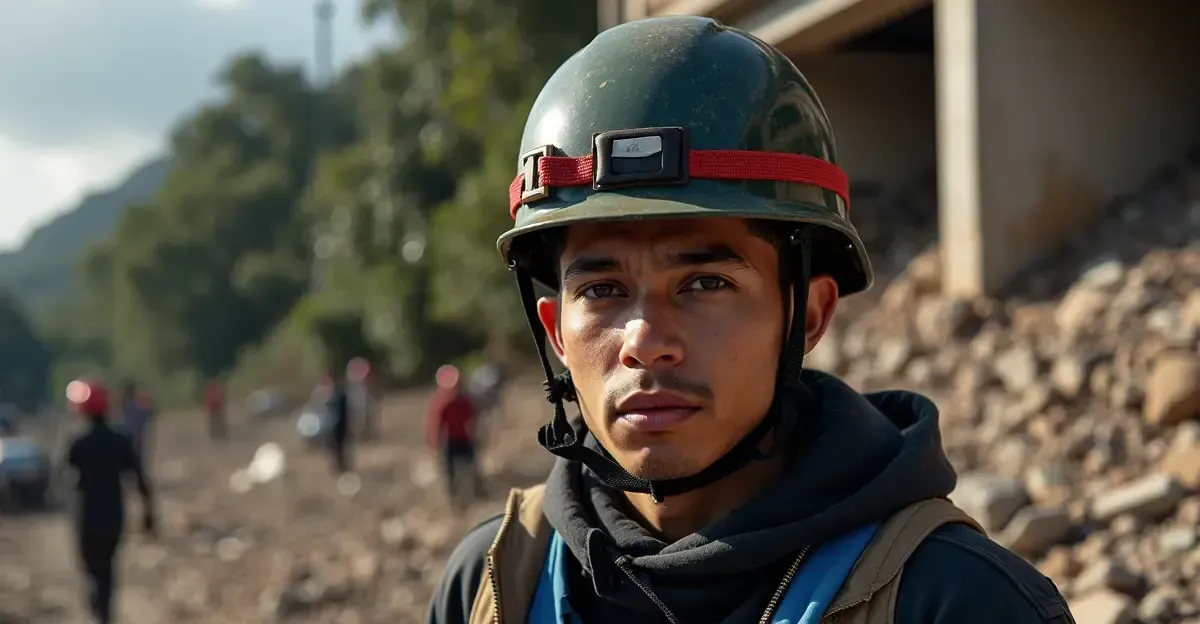
The United States has pledged $300 million in aid, to be distributed through humanitarian organizations and the UN. International rescue teams, including a Dutch USAR team, have been deployed. The Dutch team has since returned to the Netherlands after completing its search-and-rescue mission. On Wednesday evening, rescuers freed a 43-year-old security guard from the rubble of a seven-story building in Catia La Mar, northwest of Caracas.
PAHO/WHO has activated its Emergency Operations Center and identified 38 Emergency Medical Teams. However, the scale of the disaster continues to overwhelm response capacity. Hundreds of aftershocks have been recorded, and experts expect seismic activity to continue for months, hampering recovery efforts.
Long-Term Outlook for Venezuela's Health System
The combination of a depleted healthcare workforce, destroyed infrastructure, and a massive surge in trauma and infectious disease cases paints a grim picture. The Venezuelan Medical Federation estimates that the country has lost one-third of its doctors to emigration. Rebuilding will take years, even with international support. The Venezuela healthcare system collapse has been decades in the making, and the earthquakes have only accelerated the crisis.
Frequently Asked Questions
How many people died in the 2026 Venezuela earthquakes?
As of the latest reports, at least 2,295 people have been confirmed dead, with over 11,000 injured and tens of thousands still missing.
What caused the healthcare crisis in Venezuela?
The crisis stems from years of economic collapse, hyperinflation, political instability, and mass emigration of medical professionals. Shortages of supplies, equipment, and personnel existed long before the earthquakes.
How many hospitals were damaged?
At least 38 hospitals were damaged in the earthquakes, according to local authorities, including major trauma centers in Caracas.
What international aid is being provided?
The US has pledged $300 million in humanitarian aid. PAHO/WHO, the UN, and various NGOs are coordinating emergency medical teams and supplies.
Are aftershocks still occurring?
Yes, hundreds of aftershocks have been recorded since the main quakes, and experts expect them to continue for months.
Follow Discussion