


 Deutsch
 English
 Español
 Français
 Nederlands
 Português


 Share
Share




Venezuela Struck by Catastrophic Twin Earthquakes
On June 24, 2026, Venezuela experienced one of the deadliest seismic events in its modern history when twin earthquakes of magnitude 7.2 and 7.5 struck the northwestern and central regions of the country. As of June 28, the confirmed death toll has reached 1,450, with over 3,150 injured and more than 68,900 people reported missing, according to National Assembly President Jorge Rodríguez. The disaster has triggered a massive international humanitarian response, with the United States pledging $150 million in aid and deploying naval assets to assist in relief operations.
The Seismic Doublet: What Happened?
The first earthquake, a magnitude 7.2 foreshock, struck at 18:04 local time (22:04 UTC) near San Felipe in Yaracuy state. Just 39 seconds later, a magnitude 7.5 mainshock followed, centered near the coastal town of Yumare. The shallow strike-slip ruptures occurred along the San Sebastián fault system, a major tectonic boundary between the Caribbean and South American plates. The shaking lasted between 90 and 120 seconds, causing widespread devastation across a 230-kilometer rupture zone.
Impact on Infrastructure
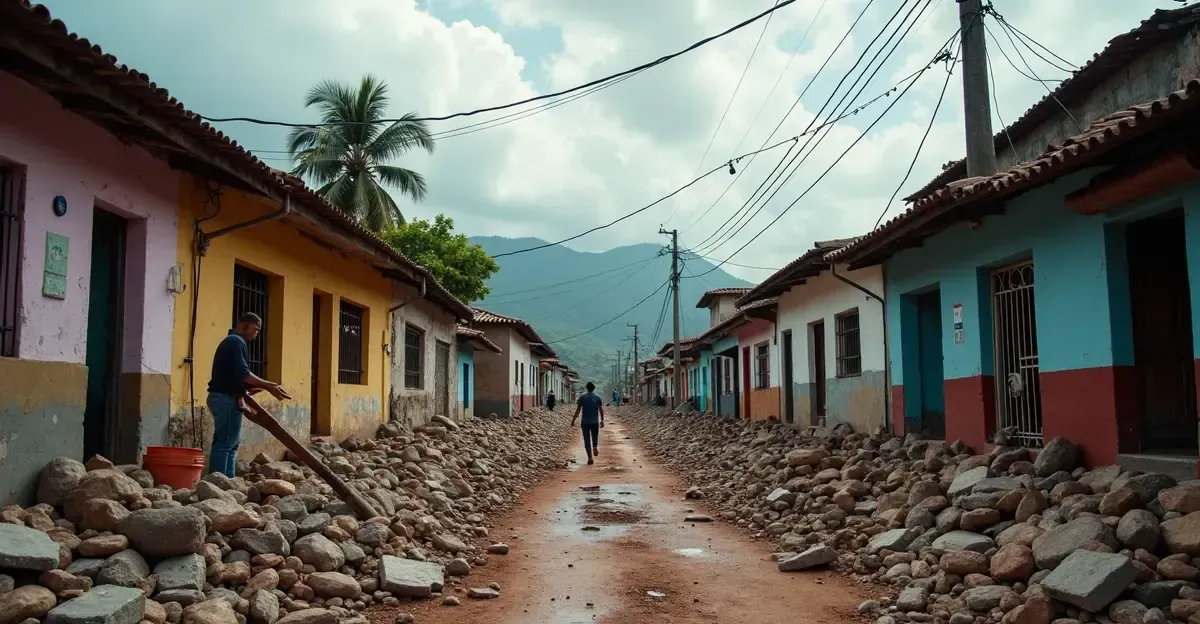
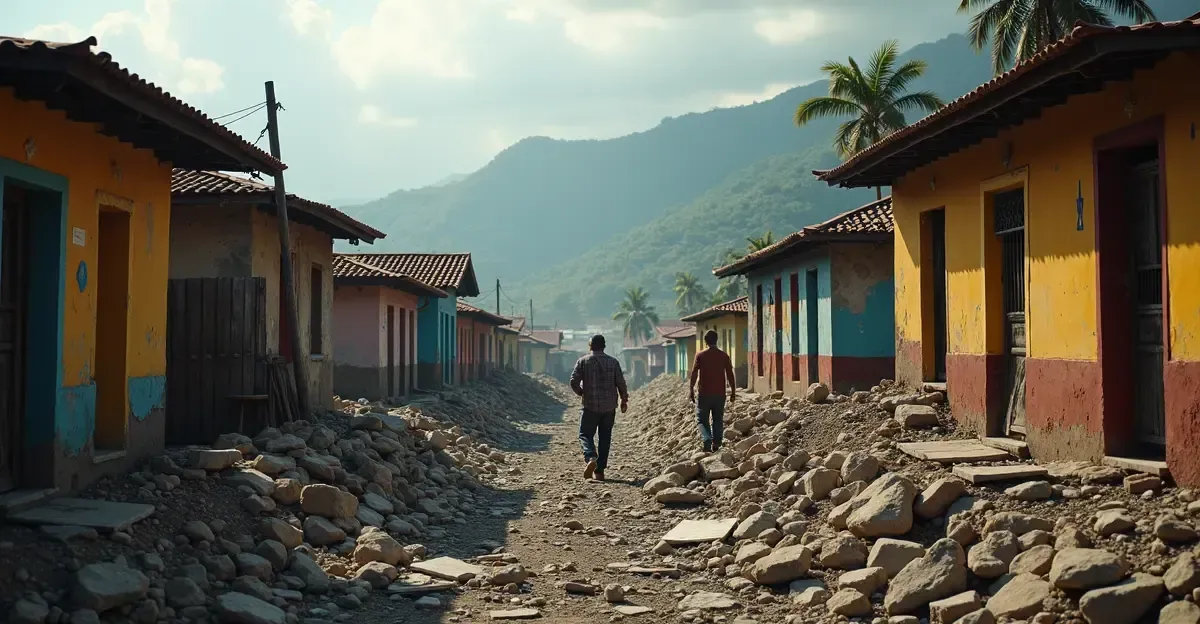
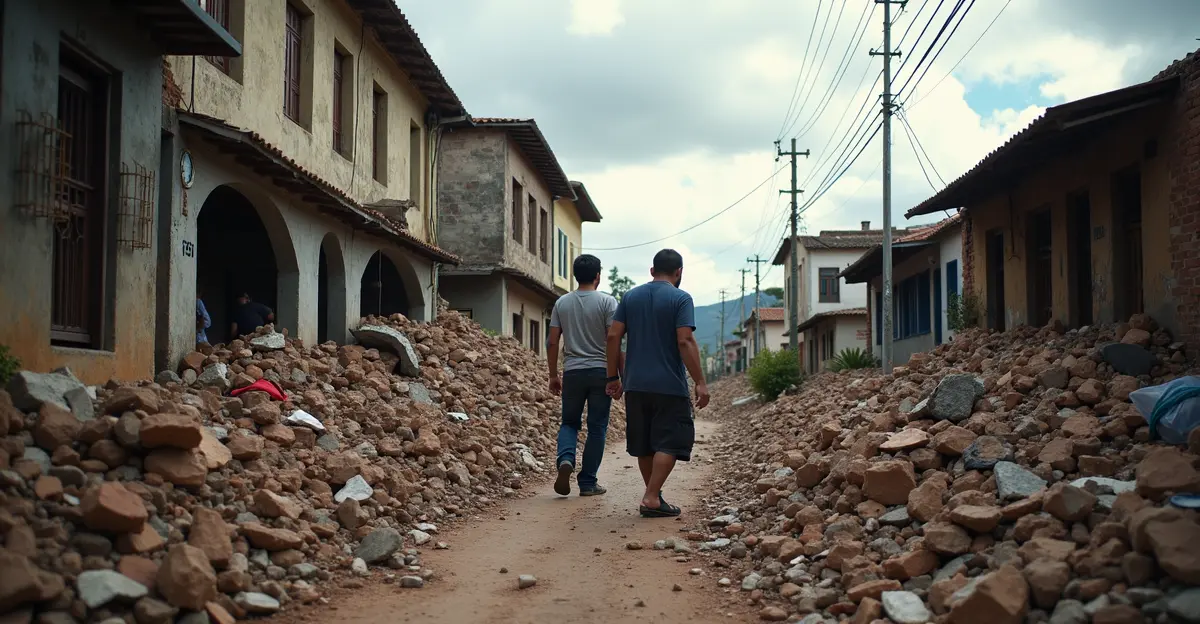
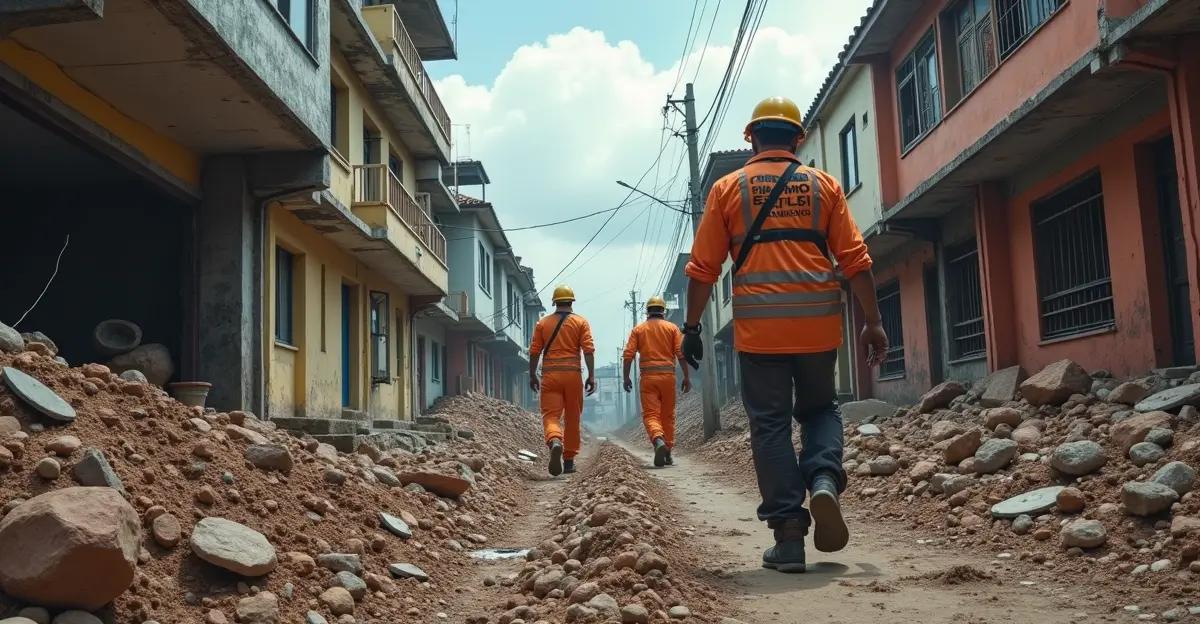
The worst-hit area is La Guaira state, where entire neighborhoods have been leveled. Satellite analysis reveals that nearly a third of buildings in Catia La Mar are damaged, with roughly 125 buildings collapsed across the affected region. In Caracas, the capital located approximately 50 kilometers from the epicenter, significant damage was reported, affecting an estimated 2 million people. The USGS PAGER system issued a red alert, warning that the death toll could potentially exceed 100,000 as rescue operations continue.
International Response and Rescue Efforts
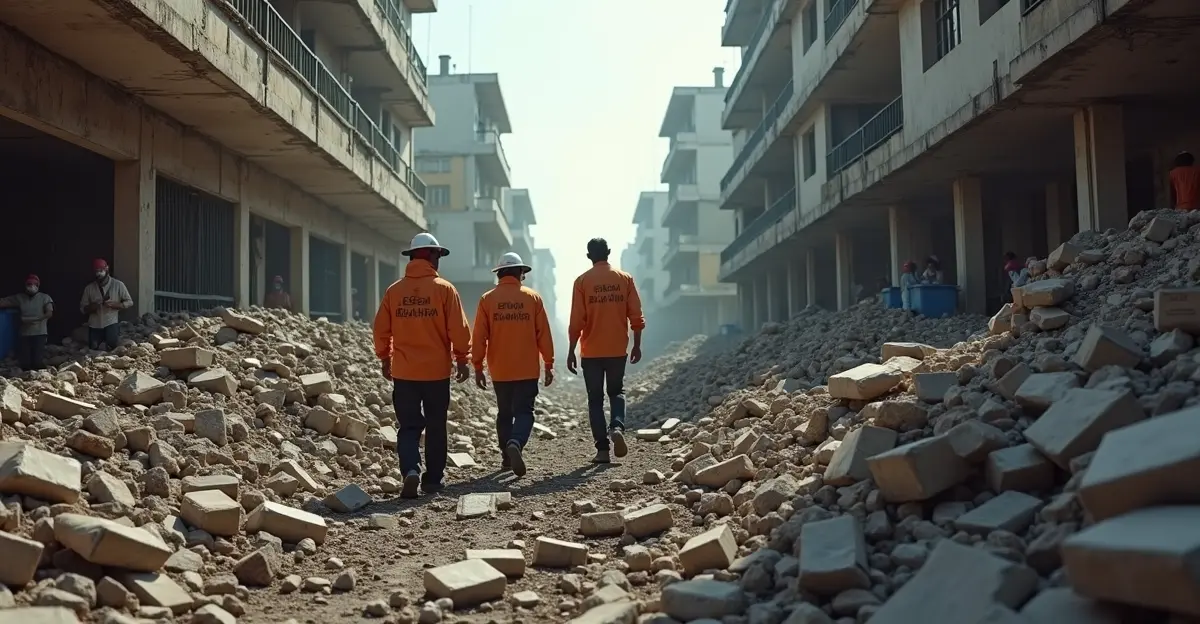
The disaster has prompted an unprecedented international response. The Trump administration activated a government-wide humanitarian operation, deploying a Disaster Assistance Response Team (DART) alongside urban search-and-rescue teams from Fairfax County, Virginia, and Los Angeles County, California. U.S. Southern Command directed the USS Fort Lauderdale and USS Billings to the region, with the former serving as a floating command center. Helicopter assets are providing airlift support for rescue teams and supplies.
The United States has pledged $150 million in aid, comprising $50 million in new bilateral awards for relief partners such as Samaritan's Purse and Catholic Relief Services, plus $100 million directed to a UN humanitarian fund. In a dramatic reversal of recent tensions, the U.S. military — which conducted a raid to seize former President Nicolás Maduro just months earlier — is now cooperating with Venezuela's interim government on relief operations. Secretary of State Marco Rubio promised assistance that would be 'big, fast, and effective,' as reported by El País.
Rescue teams from Mexico, Brazil, France, and El Salvador have also arrived. El Salvador's team notably worked to free a 15-year-old girl trapped on the ninth floor of a collapsed building. The 2026 Venezuela earthquake international aid effort marks one of the largest coordinated disaster responses in Latin American history.
Humanitarian Crisis Deepens
The earthquake has compounded Venezuela's existing political and economic crises. The healthcare system, already weakened by chronic underfunding, is struggling to cope with mass casualties. Thousands of displaced families are sheltering in parks and relying on donations for food and clothing. Over 6 million people may be affected, according to Rodríguez.
The 72-hour critical rescue window has closed, but search efforts continue with civilian volunteers and international teams. Families have posted desperate pleas on social media, with the missing numbering nearly 69,000. The disaster has intensified pressure on acting President Delcy Rodríguez's government, with critics accusing security forces of prioritizing appearances over rescue work.
In a related development, the US sanctions on Venezuela 2026 were temporarily eased by the Treasury Department until October 23 to facilitate relief-related transactions, marking a significant policy shift.
Scientific Analysis and Historical Context
The 2026 Venezuela earthquakes are the strongest to hit the country since the 1900 San Narciso earthquake. The San Sebastián fault system, which produced the doublet, is part of a 1,300-kilometer plate boundary that has generated major historical earthquakes, including events in 1641, 1766, 1812, and 1967. Seismologists from the USGS, INGV, and GEOSCOPE continue to analyze the complex rupture, which involved two fault segments.
Estimated economic damages range from US$4.7 to $8.7 billion, a devastating blow to a country already grappling with hyperinflation and fuel shortages. The Venezuela economic crisis 2026 is expected to worsen significantly as reconstruction begins.
FAQ: Venezuela Earthquakes 2026
What caused the twin earthquakes in Venezuela?
The earthquakes were caused by shallow strike-slip faulting along the San Sebastián fault system, where the Caribbean and South American tectonic plates meet. A magnitude 7.2 foreshock was followed 39 seconds later by a magnitude 7.5 mainshock.
How many people died in the Venezuela earthquake?
As of June 28, 2026, at least 1,450 people have been confirmed dead, with over 3,150 injured and more than 68,900 reported missing. The USGS warns the final death toll could exceed 100,000.
What international aid has been provided?
The United States has pledged $150 million in aid and deployed naval ships, search-and-rescue teams, and helicopters. Rescue teams from Mexico, Brazil, France, and El Salvador are also on the ground.
Which areas were worst affected?
La Guaira state suffered the worst destruction, with nearly a third of buildings in Catia La Mar damaged. Caracas and Valencia also experienced significant damage. Roughly 125 buildings collapsed across the affected region.
How does this compare to past Venezuelan earthquakes?
These are the strongest earthquakes in Venezuela since the 1900 San Narciso earthquake. The San Sebastián fault system has produced major quakes in 1641, 1766, 1812, and 1967.

Follow Discussion