


 Deutsch
 English
 Español
 Français
 Nederlands
 Português


 Share
Share




A security guard has been pulled alive from the rubble of a collapsed shopping center in Venezuela, eight days after the devastating twin earthquakes that struck the country on June 24, 2026. Hernán Alberto Gil Flores, 43, was rescued from the Galerías Playa Grande shopping mall in La Guaira on the morning of July 2, in what international rescue teams are calling a miracle survival.
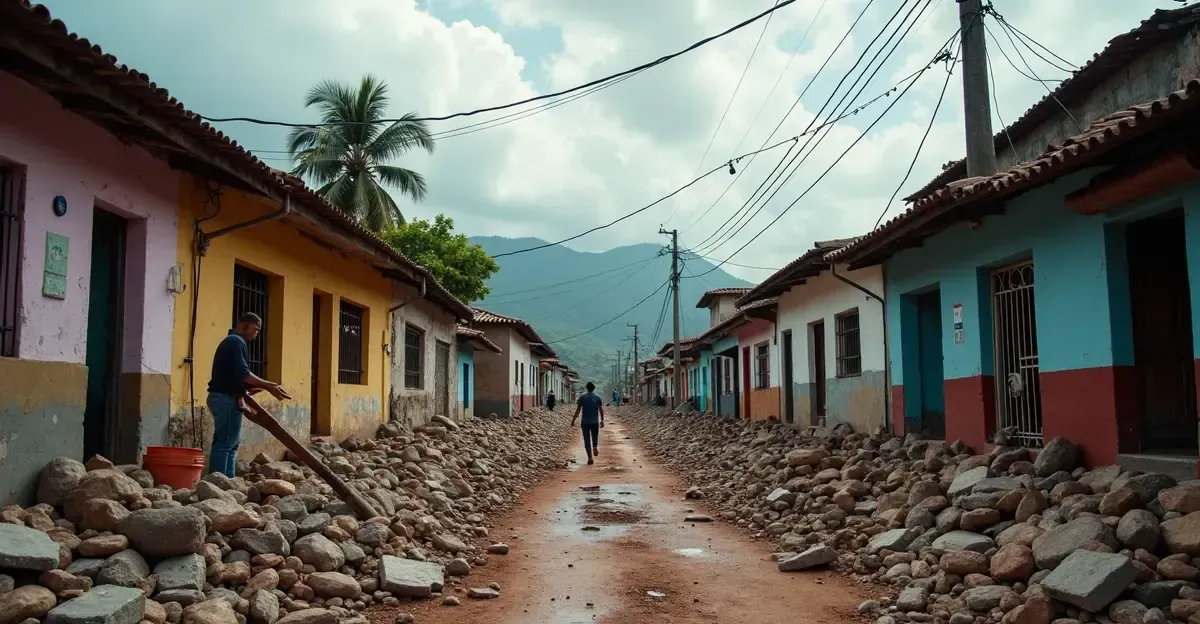
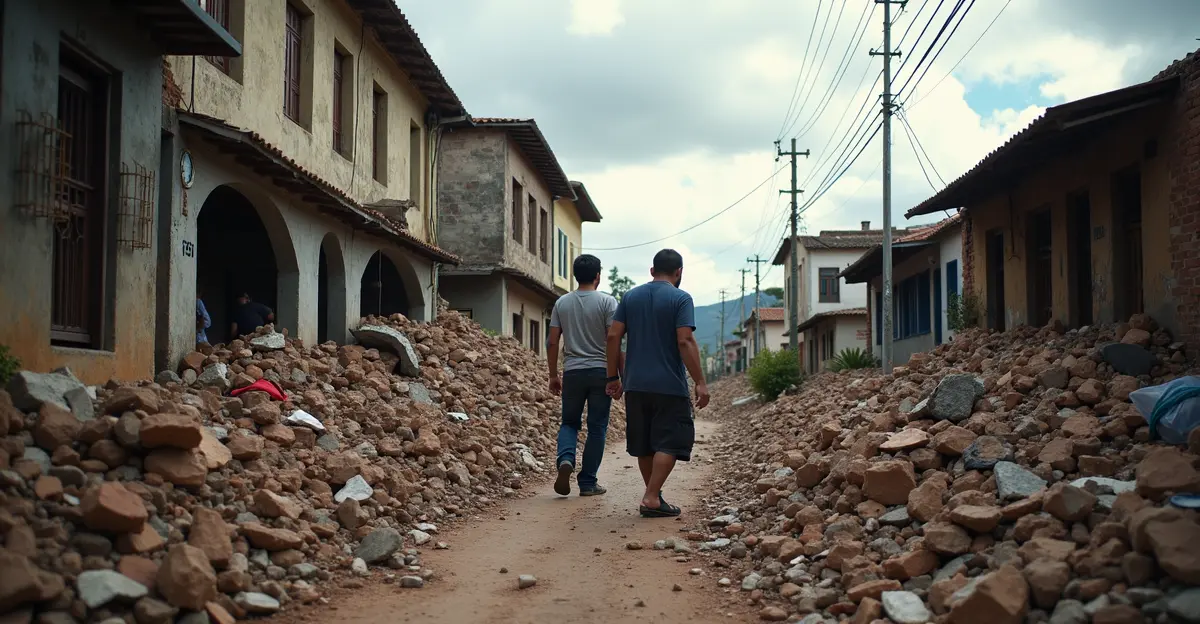
The 2026 Venezuela earthquakes, measuring 7.2 and 7.5 in magnitude, struck within 39 seconds of each other, causing widespread destruction across northwestern and central Venezuela. At least 2,295 people have been confirmed dead, with more than 11,200 injured and tens of thousands still missing, according to Venezuelan authorities.
How Did the Guard Survive Eight Days Under Rubble?
Gil was working an overnight shift in a small security booth in the basement of the shopping center when the first quake struck. As the eight-story building collapsed around him, his reinforced booth remained intact, creating a critical air pocket that protected him from falling concrete and allowed him to breathe.
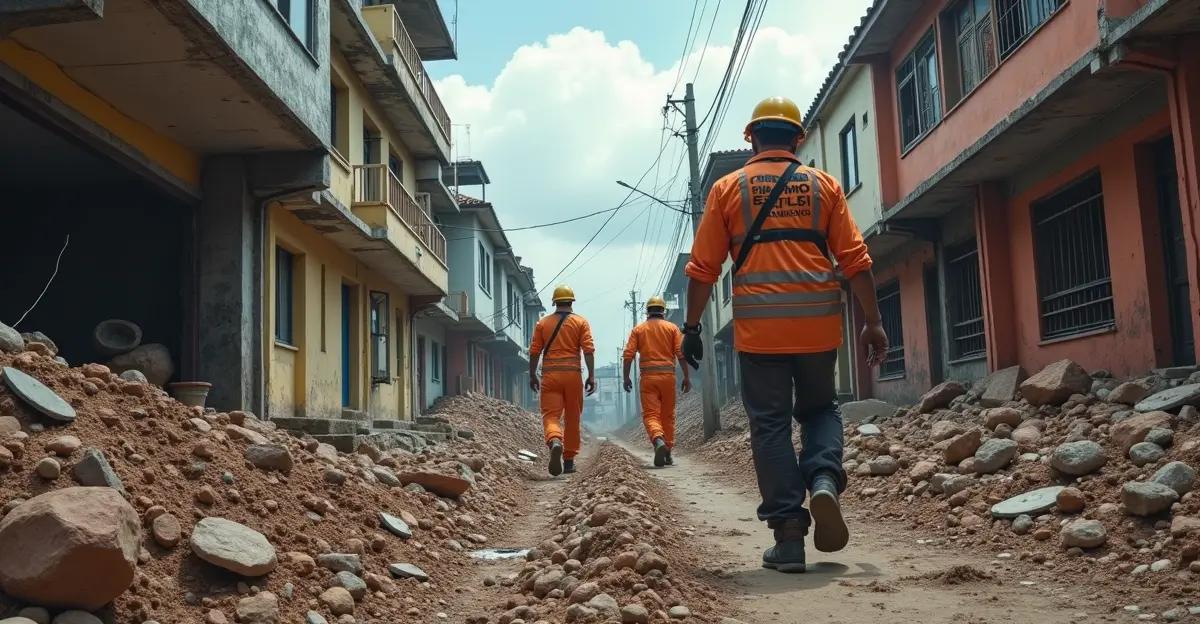
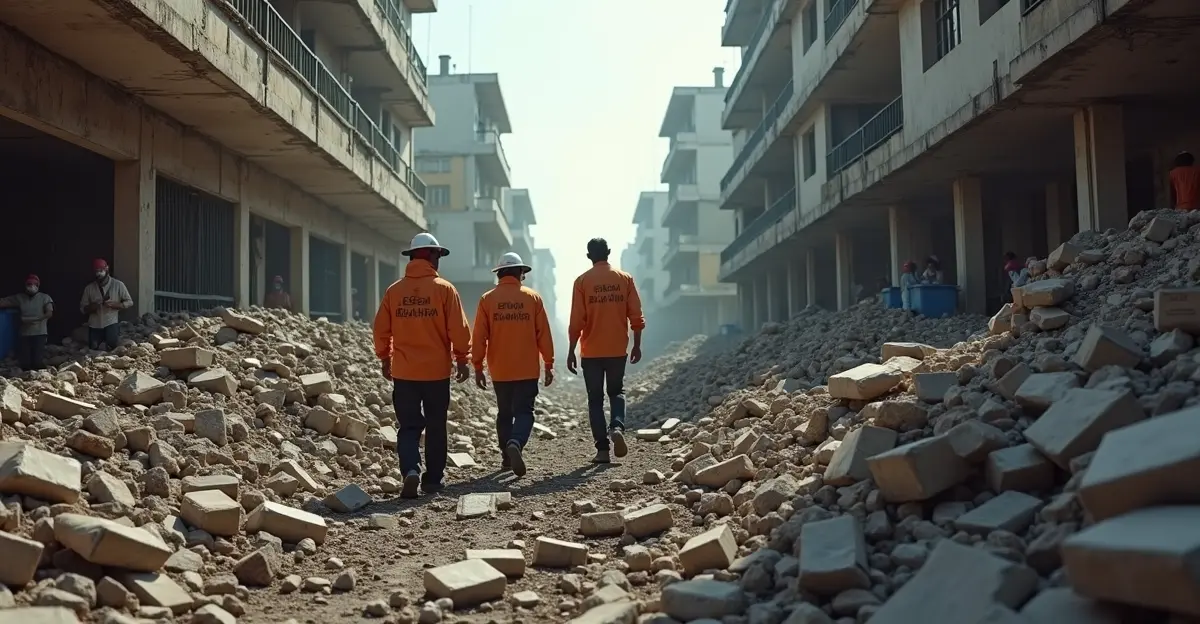
Rescue teams from Chile, Costa Rica, the United States, Portugal, and Mexico worked around the clock for 70 hours to free him from under approximately 140 tons of concrete. They first made contact with Gil four days before his extraction, using a telescopic camera to communicate and lowering water and liquid nutrients through a narrow shaft via a syringe.
"When we found him, he asked us not to tell his wife that he was still alive, in case he didn't make it," said a Costa Rican Red Cross rescuer quoted by the Associated Press. Gil and his wife have two children, aged 8 and 10.
Rescue Operation: A Ray of Light in the Darkness
The complex rescue operation involved careful coordination to avoid further collapse. Rescuers maintained constant communication with Gil, who remained conscious and stable throughout the ordeal. He was pulled out on a stretcher to cheers from the rescue team and has been transferred to a medical facility for treatment.
Venezuela's acting President Delcy Rodríguez celebrated the rescue, thanking national and international rescue workers for their efforts. Gil's wife described the news as "a ray of light in the darkness" amid the tragedy that has engulfed the nation.
This rescue follows other miraculous saves, including a 2-year-old boy rescued after six days and a 9-month-old infant rescued with her mother. However, hope of finding more survivors is rapidly diminishing, with many collapsed buildings now marked with symbols indicating no signs of life.
Humanitarian Crisis Deepens After Twin Earthquakes
The earthquakes, which struck along the San Sebastián fault system, were the strongest to hit Venezuela since the 1900 San Narciso earthquake. The USGS recorded a maximum intensity of IX (Violent) on the Modified Mercalli scale, with rupture spanning approximately 230 kilometers and slip reaching up to 3.6 meters offshore.
According to the Pan American Health Organization (PAHO), an estimated 712,223 people have been affected in high-intensity seismic zones. The disaster has left nearly 13,000 people homeless and caused an estimated US$4.7 to 8.7 billion in damages.
Healthcare System Overwhelmed
Medics in Venezuela fear the earthquakes have triggered a growing health crisis. A PAHO assessment found that all eight health facilities reviewed in La Guaira, Caracas, and Miranda need immediate assistance, with three suffering structural damage. At Vargas-IVSS hospital, 96 patients are crammed into a ward built for eight, the morgue is overwhelmed, and the blood bank holds only 35 units. Ventilators are non-functional due to power outages.
The health system entered the crisis already weakened by years of underinvestment, with shortages of up to 37% of essential medicines. PAHO has deployed 39 Emergency Medical Teams (EMTs) and launched a US$23.9 million funding appeal to sustain the health response over six months. A 48-bed field hospital is now operational.
Similar to the medical crisis after the 2023 Turkey-Syria earthquakes, the situation in Venezuela highlights how pre-existing vulnerabilities compound disaster impacts.
International Aid and Response
The international community has mobilized significant resources. The United States has deployed a Disaster Assistance Response Team (DART) and urban search-and-rescue teams, while also issuing a general license authorizing earthquake relief transactions. The Netherlands deployed a 65-person Urban Search and Rescue team with eight search dogs and €2 million in funding.
The World Food Programme has appealed for $50 million to feed 500,000 people for three months. Other countries including Spain, France, Mexico, Italy, Qatar, China, and El Salvador have pledged assistance. The USGS PAGER system has warned that the final death toll could potentially reach between 10,000 and 100,000, depending on building vulnerability and rescue access.
Experts in earthquake preparedness and building codes note that many structures in Venezuela were not built to withstand such powerful seismic events, contributing to the high casualty count.
FAQ: Venezuela Earthquakes 2026
What caused the Venezuela earthquakes in 2026?
The earthquakes were caused by strike-slip faulting along the San Sebastián fault system, a transpressional boundary between the Caribbean and South American plates. A 7.2 magnitude foreshock was followed 39 seconds later by a 7.5 magnitude mainshock.
How many people died in the Venezuela earthquakes?
As of the latest reports, at least 2,295 people have been confirmed dead, with more than 11,200 injured and tens of thousands reported missing. The USGS warns the final death toll could be significantly higher.
How did Hernán Gil survive for eight days under rubble?
Gil was in a small security booth in the basement of a shopping center that remained intact when the building collapsed, creating an air pocket that protected him from debris and allowed him to breathe. Rescue teams provided water and nutrients through a narrow shaft.
What international aid has been provided to Venezuela?
Countries including the US, Netherlands, Spain, France, Mexico, Italy, Qatar, China, and El Salvador have provided aid. The US deployed search-and-rescue teams and authorized relief transactions. PAHO has launched a $23.9 million appeal for health response.
What is the current state of Venezuela's healthcare system?
The healthcare system was already weakened before the earthquakes, with shortages of up to 37% of essential medicines. Many hospitals were damaged in the quakes, and facilities are overwhelmed with patients. PAHO has deployed field hospitals and emergency medical teams.
Follow Discussion