


 Deutsch
 English
 Español
 Français
 Nederlands
 Português


 Share
Share




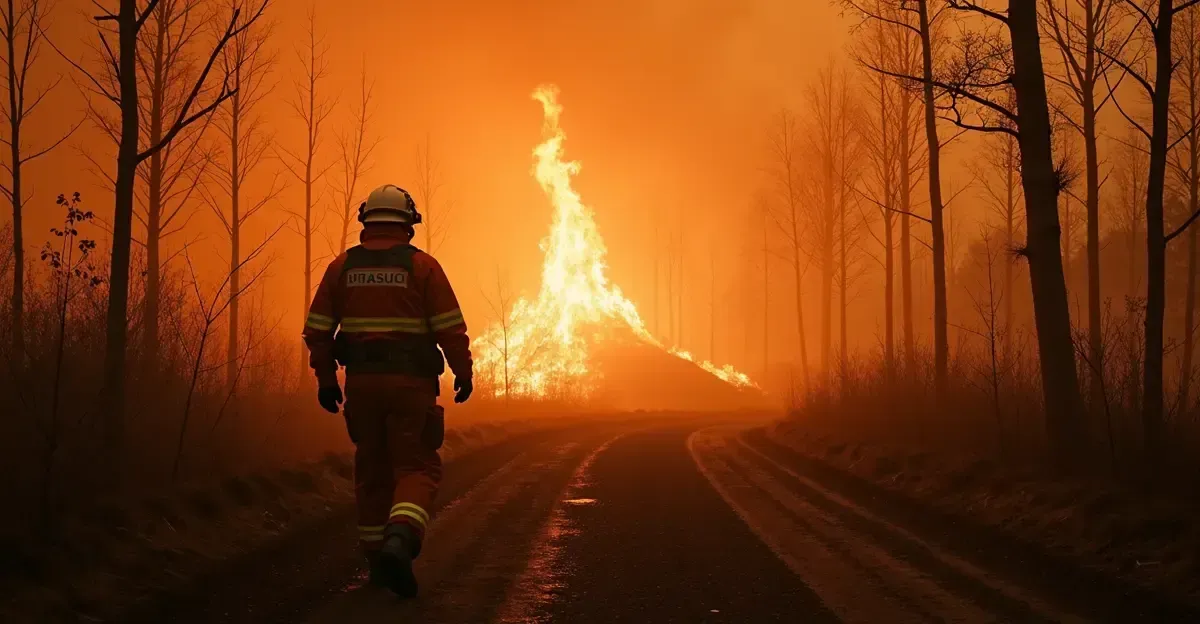
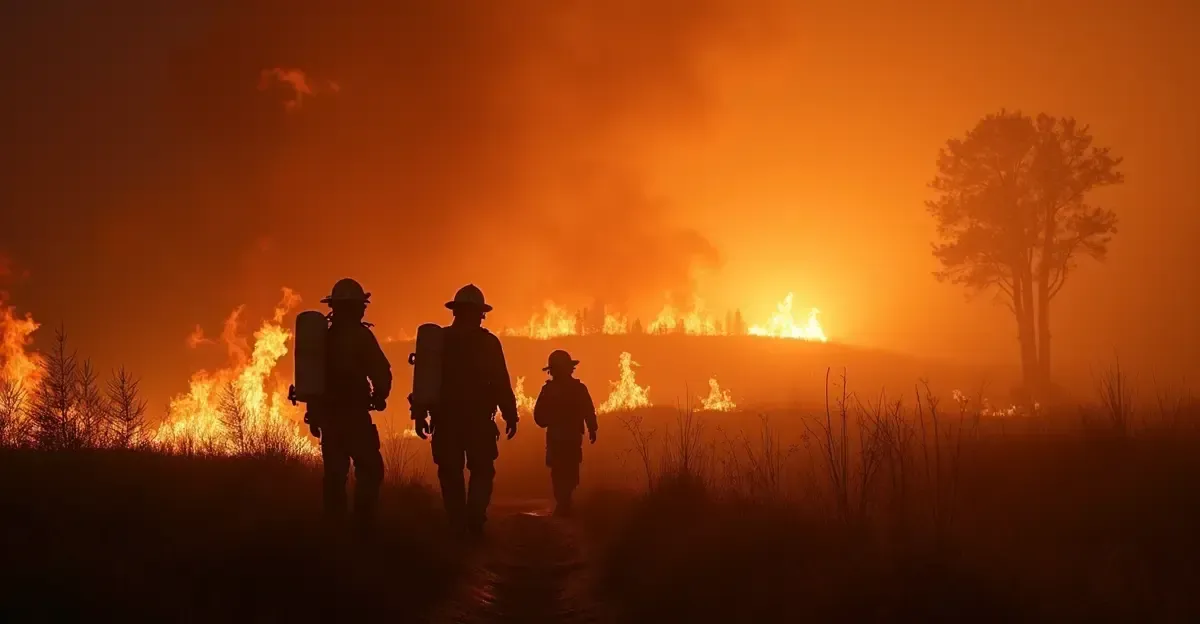
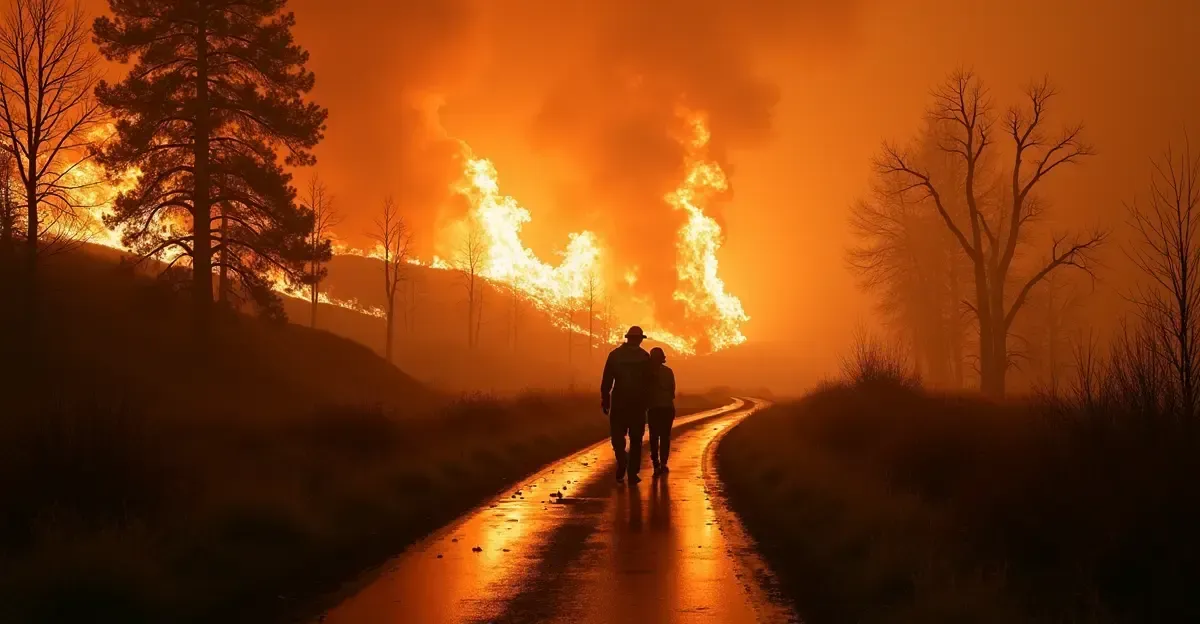
The Belgian Ardennes wildfire continued to expand on Sunday, August 16, 2026, with authorities confirming that approximately 3,000 hectares of the Hautes Fagnes (High Fens) nature reserve have been destroyed. The blaze, which ignited on Friday near the German border, is now being described as the largest wildfire in Belgian history, surpassing the previous record of 1,400 hectares set in 2011. Firefighters from Belgium, the Netherlands, Germany, and Luxembourg are battling the fire as it advances toward the German town of Monschau.
The fire line—the active edge where flames are spreading—now stretches over more than one kilometre, according to the Walloon public broadcaster RTBF. This front remains uncontrolled. Overnight, shifting winds repeatedly changed the fire's direction, complicating containment efforts.
What is the Hautes Fagnes and why is this fire historic?
The Hautes Fagnes, known in Dutch as the Hoge Venen, is Belgium's largest nature reserve, covering 4,501 hectares of raised bogs, heathland, and forest in Liège Province. It is part of the cross-border Hohes Venn–Eifel natural park and has been on Belgium's tentative UNESCO World Heritage list since 2008. The reserve's ancient peat bogs, which are over 10,000 years old, are ecologically unique but also highly flammable during prolonged drought. This makes the High Fens nature reserve especially vulnerable to catastrophic fires.
Belgium's previous largest wildfire, in 2011, burned 1,400 hectares. The current blaze has already doubled that figure, making it an unprecedented event for the country's emergency services.
Why is the Belgian Ardennes wildfire so hard to control?
Several factors are making the fire exceptionally difficult to extinguish, according to local authorities and fire officials.
Peat fires burn underground
The dry peat soil of the Hautes Fagnes is a major challenge. Peat—compressed, dried plant material—is extremely combustible and can smoulder beneath the surface for days or even weeks. "The underground fires are very hard to reach and even harder to put out," explained Liège Governor Hervé Jamar in a social media update. Historically, dried peat was used as fuel for stoves because of its high flammability.
Rugged terrain and shifting winds
Access to the remote plateau is limited by few roads, and the extensive bog areas make ground operations hazardous. Overnight, winds changed direction multiple times, causing the fire to shift unpredictably. Farmers from the surrounding region have joined the effort, transporting water from Lake Robertville, wetting roadside verges, and damping smouldering ground to slow the spread.
International help and evacuations as fire nears Germany
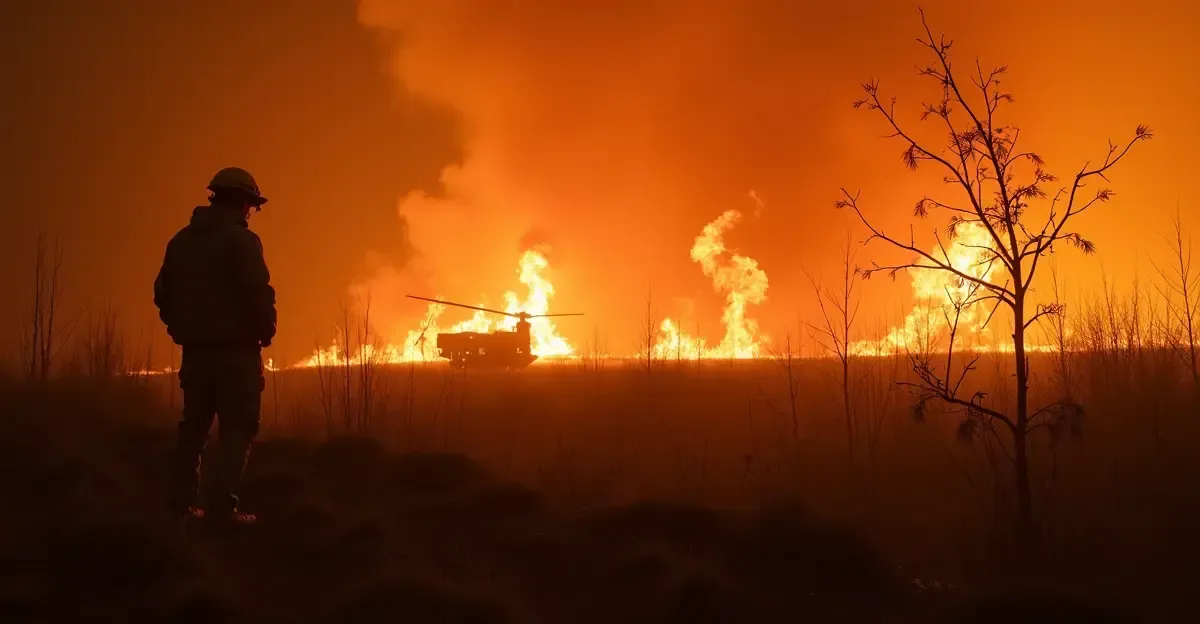
More than 250 responders worked through the night, including firefighters from Germany and Luxembourg. On Sunday morning, two additional Dutch Chinook helicopters from the Ministry of Defence arrived to serve as water bombers, joining helicopters already operating since Saturday. Belgium has also activated the EU Civil Protection Mechanism, with water-bombing aircraft and helicopters deployed from Sweden, the Czech Republic, and other member states. This coordinated response is similar to the EU civil protection mechanism used in previous European wildfire emergencies.
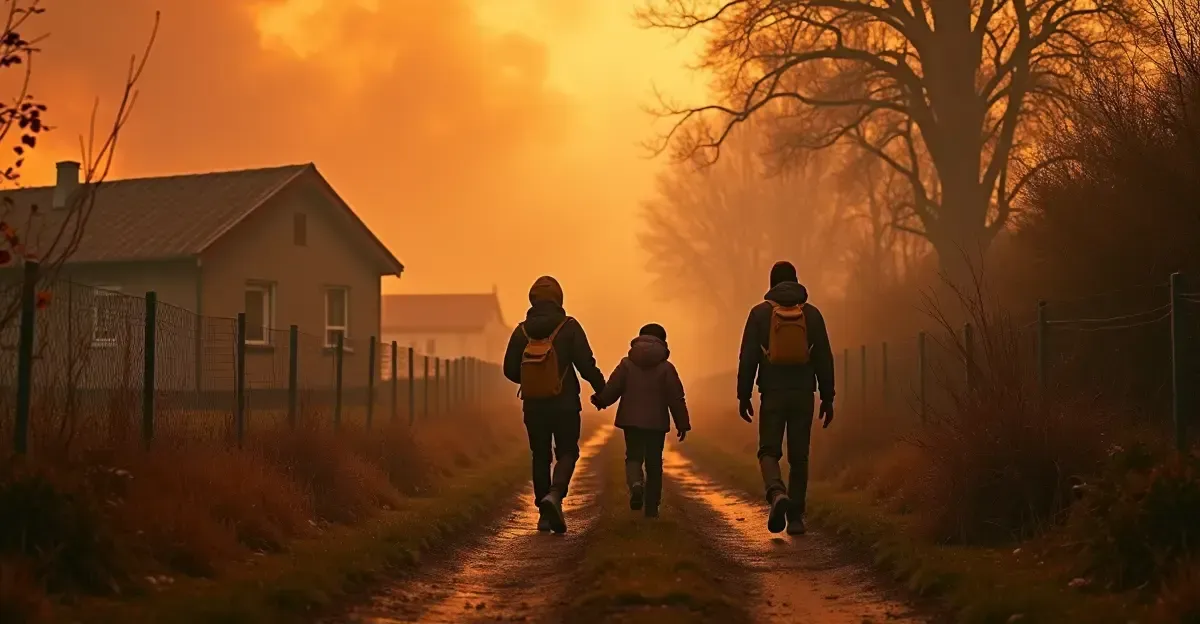
The fire's eastward advance toward the German town of Monschau prompted authorities to ask residents to seek shelter elsewhere by 10:00 a.m. Sunday. While two Belgian villages were evacuated and around 40 people sheltered in a Malmedy sports hall, the situation in Monschau improved by Sunday afternoon, and precautionary evacuations there were lifted. Wallonia regional spokesperson Nicolas Yernaux said at least 20 square kilometres of heathland and forest have been scorched.
Climate change and the broader European wildfire crisis
The Belgian Ardennes wildfire is part of a wider pattern of extreme fires across Europe in August 2026, fuelled by a heatwave with temperatures reaching 37°C and prolonged drought. Scientists have linked the conditions to climate change, noting that hotter, drier summers increase the frequency and intensity of such events. Similar blazes have been reported in France, where a fire in Landes consumed 1,700 hectares, and in western Germany, where around 1,800 people were evacuated. This aligns with concerns raised by the European wildfire crisis and its impact on communities and ecosystems.
Belgian Prime Minister thanked European partners for their assistance, while King Philippe spoke with Liège Governor to express support. A hotline (1771) has been set up for residents affected by the fire.
FAQ
How many hectares have burned in the Belgian Ardennes wildfire?
Approximately 3,000 hectares of the Hautes Fagnes nature reserve have burned, making it the largest wildfire in Belgian history.
Where is the Hautes Fagnes nature reserve?
The Hautes Fagnes (High Fens) is located in eastern Belgium's Liège Province, near the German border and the towns of Eupen, Spa, and Malmedy.
Why are peat fires so difficult to extinguish?
Peat is highly combustible and can burn underground for weeks. Its smouldering nature makes it hard for water to reach the fire, and it can reignite even after surface flames are doused.
What international help is Belgium receiving?
Belgium has received Dutch Chinook helicopters, firefighters from Germany and Luxembourg, and support through the EU Civil Protection Mechanism, including water-bombing aircraft from Sweden and the Czech Republic.
Is the fire under control?
No, as of Sunday August 16, 2026, the fire line remains uncontrolled and continues to spread, though conditions improved near the German town of Monschau.
Follow Discussion