


 Deutsch
 English
 Español
 Français
 Nederlands
 Português


 Share
Share




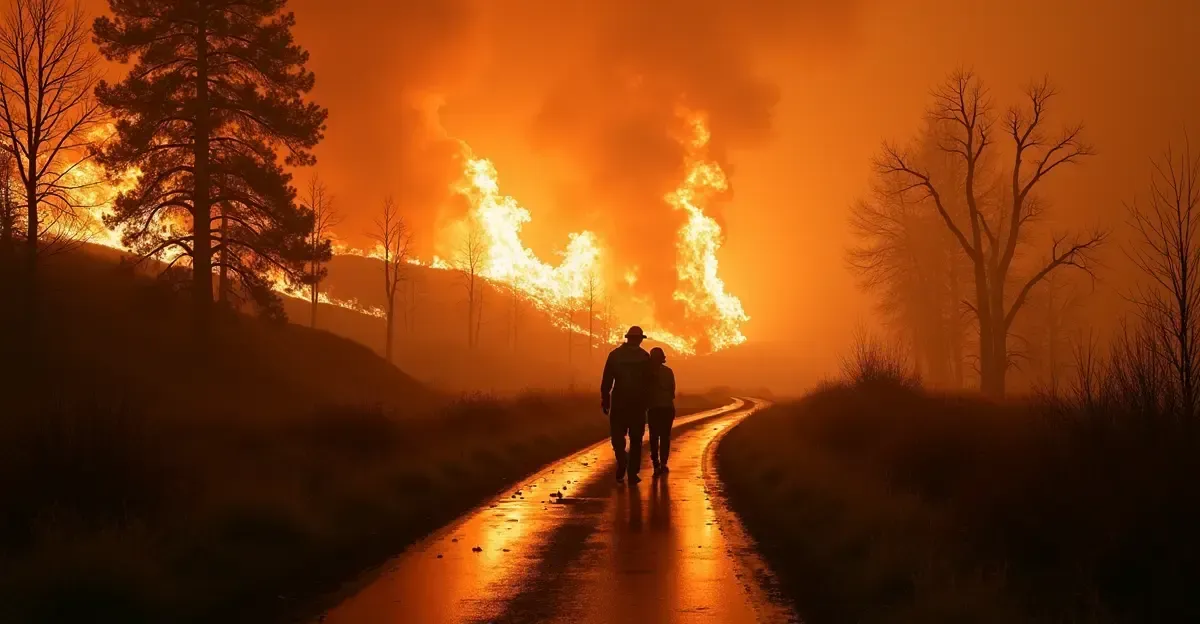
The High Fens wildfire in eastern Belgium has been contained after five days, but authorities stress the blaze is still not under control. Since it broke out on Friday 14 August 2026, approximately 3,000 hectares (7,400 acres) of protected peatland, heath and forest have been scorched in the country's largest nature reserve, making it the largest wildfire in Belgium's recent history.
What is the current status of the Belgium wildfire?
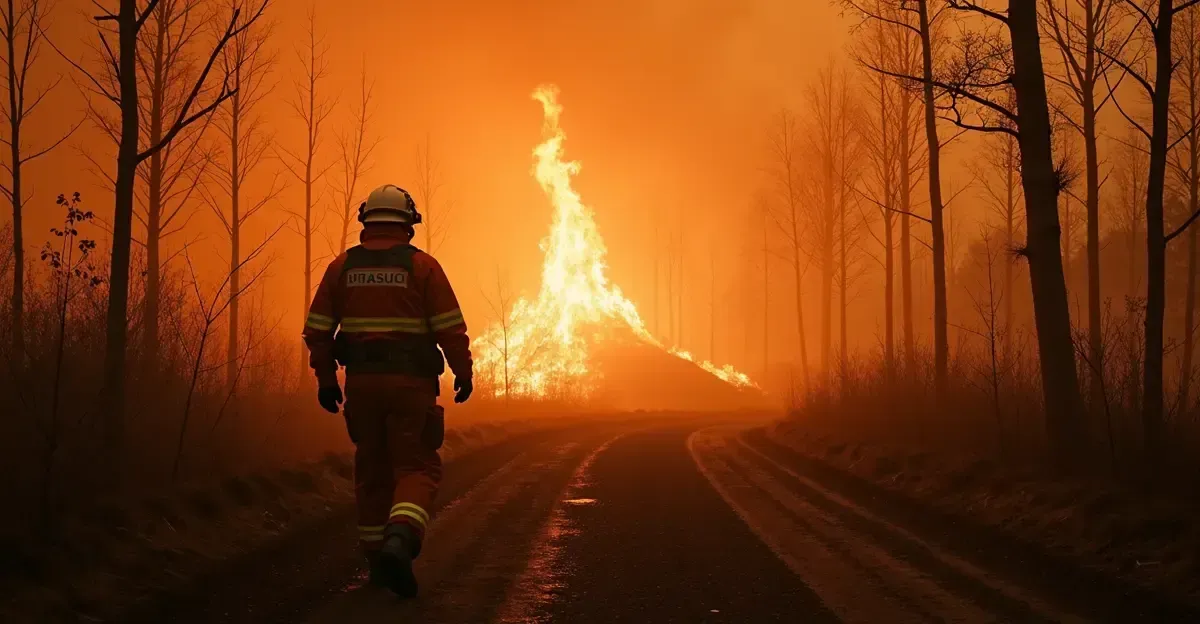
Fire crews in the municipality of Bütgenbach, near the German border, worked through the night to dig firebreaks with excavators and shovels, and to remove fallen trees with chainsaws. The situation remains fragile because the fire has flared up again in several places, Belgian public broadcaster VRT reported. Two hamlets in Bütgenbach remain evacuated, and parts of the German town of Monschau have also been cleared as a precaution.
Emergency services have struggled with difficult terrain. Because the High Fens peat fire burns deep into dry turf, it can smoulder underground and re-emerge elsewhere, making the perimeter hard to secure.
Why is the High Fens fire so difficult to fight?
A fire in peatland such as the High Fens is notoriously stubborn. The dry turf, made of compressed plant remains, is highly flammable and allows the fire to travel beneath the surface. Firefighters must also cross terrain full of pits and obstacles, and old Second World War munitions have exploded during the blaze.
The High Fens is one of the wettest and coldest parts of Belgium, but beneath its fragile soils lie rocky beds and clay that create wetlands and bogs. Those conditions turned into a tinderbox after weeks of dry weather, and the fire quickly became the largest ever recorded in the country.
Underground peat fires
Because peat fires burn below ground level, heavy rainfall does not necessarily help. Belgian Interior Minister Bernard Quintin warned that peat fires could take weeks to extinguish, even after the visible flames are doused.
Old wartime munitions
Exploding Second World War munitions added to the danger, although emergency services said they were aware of the ammunition's locations and no one was injured by the blasts.
Weather and international support for firefighting
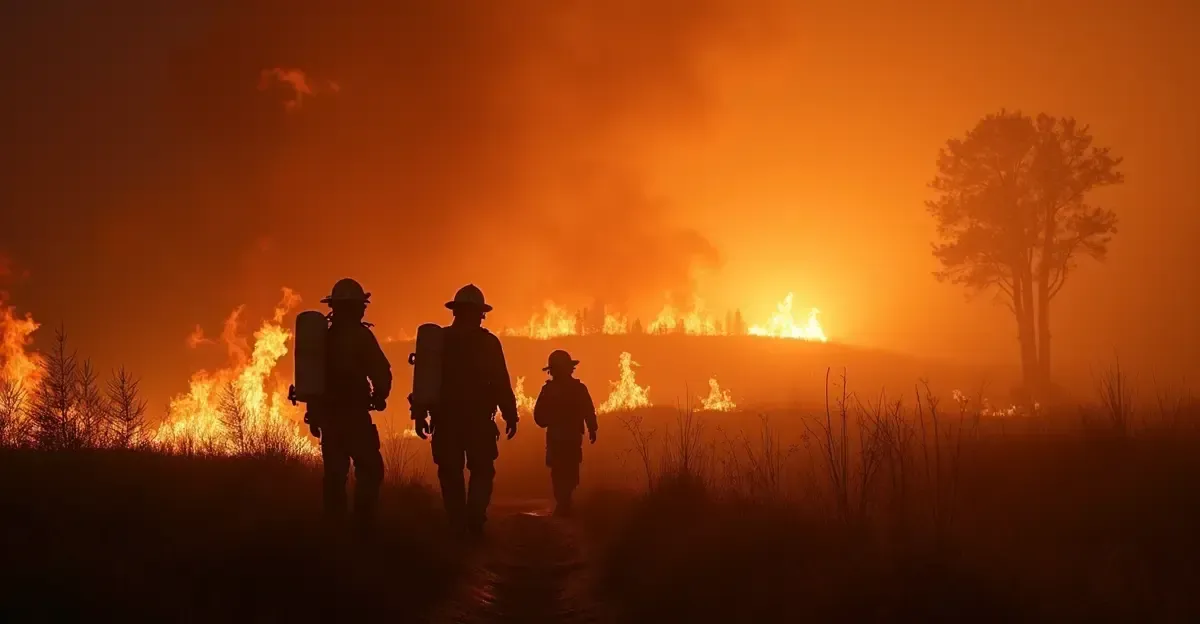
Around 500 responders and 120 vehicles are involved in the operation. Belgian Limburg fire zones are supplying five vehicles and 18 firefighters through Friday. International crews have also joined: Dutch, German, Norwegian and Swedish helicopters and firefighting planes have been deployed in recent days.
One of two Dutch Chinook helicopters that helped over the weekend is being sent back into action today, a Dutch defence spokesperson confirmed. However, low cloud may limit visibility for pilots, and heavy rain forecast for late afternoon and evening in south-eastern Belgium is not guaranteed to speed up extinguishing.
The cross-border effort reflects the scale of the emergency, which triggered the EU Civil Protection Mechanism and drew reinforcements from neighbouring countries.
Impact on residents and the environment
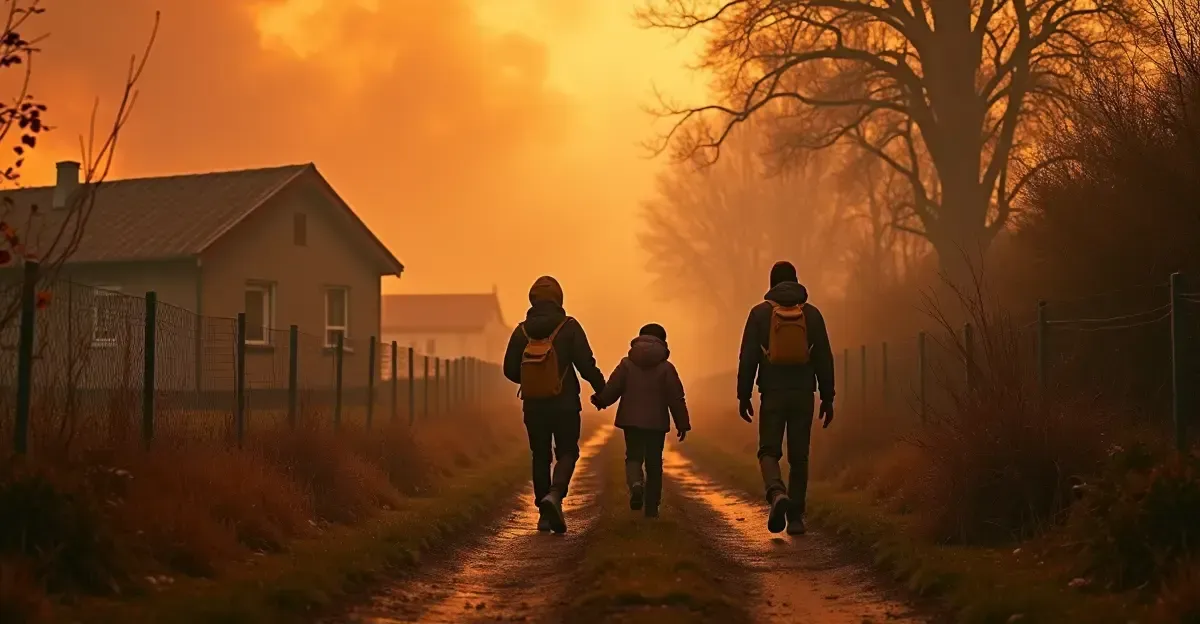
Hundreds of residents have been affected. Around 600 people were evacuated in Belgium, most of them from the Sourbrodt area, and many were allowed to return home on Monday night. Evacuations remain in force in two Bütgenbach hamlets and parts of Monschau in Germany. King Philippe visited the affected area over the weekend to meet firefighters and evacuated residents.
The destruction of the High Fens, a 4,501-hectare reserve with alpine sphagnum raised bogs more than 10,000 years old, has alarmed conservationists. The fire also comes during a wider European wildfire season that has already burned more than 576,000 hectares across the continent this year.
FAQ: Belgium High Fens wildfire
How many hectares have burned in the Belgium wildfire?
About 3,000 hectares (7,400 acres) of heathland, forest and peatland have burned since the fire started.
When did the High Fens wildfire start?
The fire broke out on Friday 14 August 2026 in the High Fens–Eifel Nature Park in eastern Belgium.
Is the Belgium wildfire under control?
No. The fire has been contained after five days, but it is not yet under control and remains fragile.
Which areas have been evacuated?
Two hamlets in Bütgenbach, Belgium, and parts of Monschau in Germany remain evacuated.
Which countries are helping fight the fire?
The Netherlands, Germany, Norway and Sweden have provided helicopters and firefighting aircraft.
Follow Discussion