


 Deutsch
 English
 Español
 Français
 Nederlands
 Português


 Share
Share




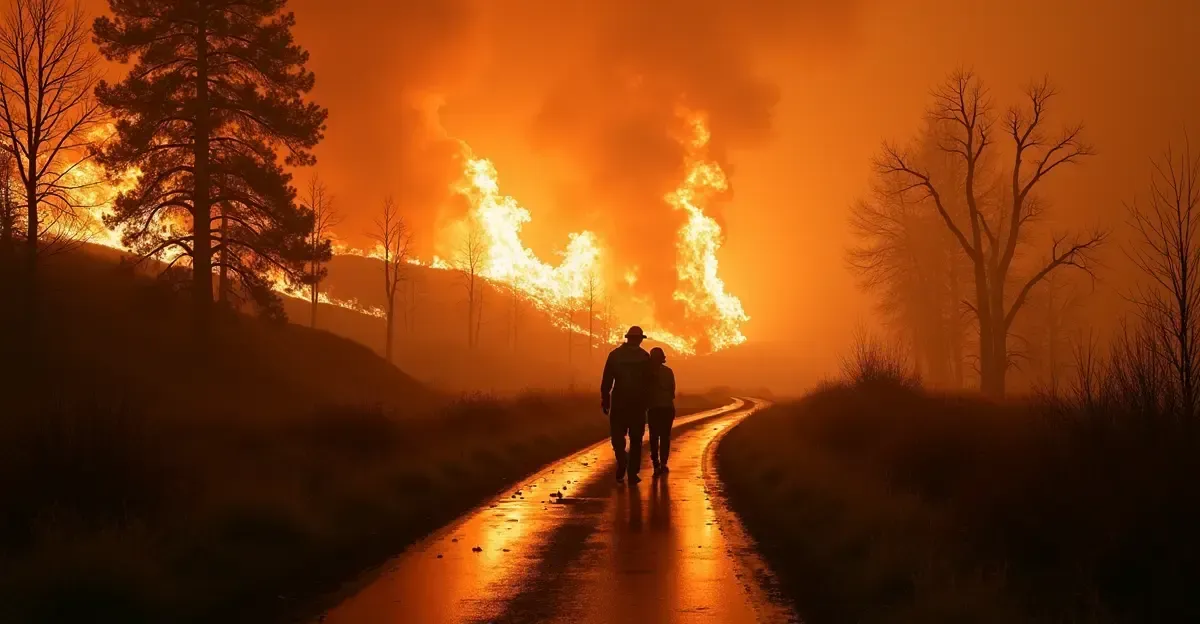
The Belgian High Fens wildfire that has burned roughly 3,000 hectares of protected peatland since Friday, August 15, 2026, is now largely under control, local authorities confirmed on Thursday afternoon. Interior Minister Bernard Quintin said the situation began stabilising, and if weather conditions hold, the fire should no longer spread. The blaze is considered the largest wildfire in Belgium's modern history, dwarfing the previous record of 1,400 hectares set in 2011.
What is the Belgian High Fens wildfire?
The High Fens (Hoge Venen in Dutch, Hautes Fagnes in French) is Belgium's largest nature reserve, a 4,501-hectare plateau of ancient raised bogs, moorland and pine forest in Liège Province near the German border. The fire broke out on Friday amid a record-breaking 2026 European heatwave that has sparked wildfires from France to the Balkans. Dry peat, formed from compressed plant remains over thousands of years, proved extremely flammable, allowing flames to spread rapidly and even burn underground.
How firefighters brought the blaze under control
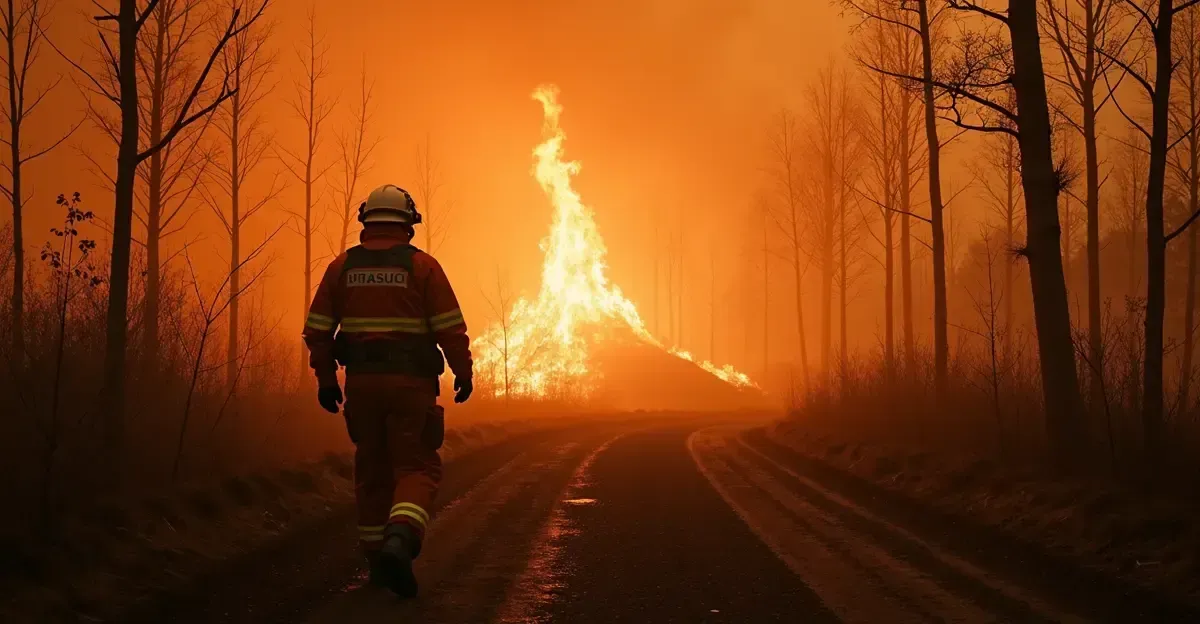
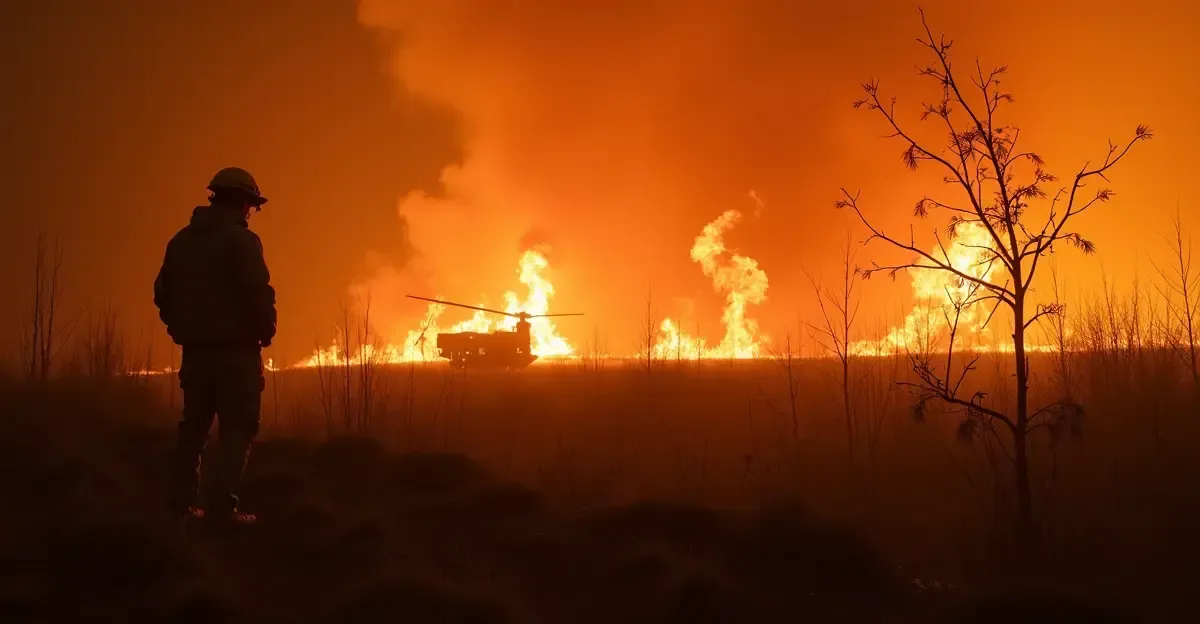
By Thursday, around 350 firefighters and emergency personnel remained on site, supported by seven aircraft from Germany, Norway, Belgium and Sweden dropping water along the burned perimeter. The European Union's Civil Protection Mechanism, which Belgium activated over the weekend, also brought in Dutch, German, Czech, Norwegian and Swedish helicopters and water-bombing planes. Germany's contingent began withdrawing on Thursday, while other international crews are expected to remain through Sunday.
A storm delivered 150 million litres of rain
A turning point came on Wednesday when a large storm dumped an estimated 150 million litres of rain on the affected area in just a few minutes, more rainfall than the previous six days combined, according to Belgian broadcaster RTBF. The downpour helped crews gain the upper hand, though officials warned that ground temperatures remain extremely high and peat fires can smoulder underground and reignite as zombie fires. The situation is under control, Interior Minister Bernard Quintin told reporters.
Why peat fires are so difficult to extinguish
Unlike ordinary forest fires, peat fires burn deep into the soil, where compressed organic material acts as fuel. The fire can travel unseen below the surface and resurface metres away, making containment a slow and labour-intensive process. Firefighters also rescued an endangered black grouse from the burn zone, highlighting the ecological stakes in one of Europe's most fragile wetland habitats.
Impact and what happens next
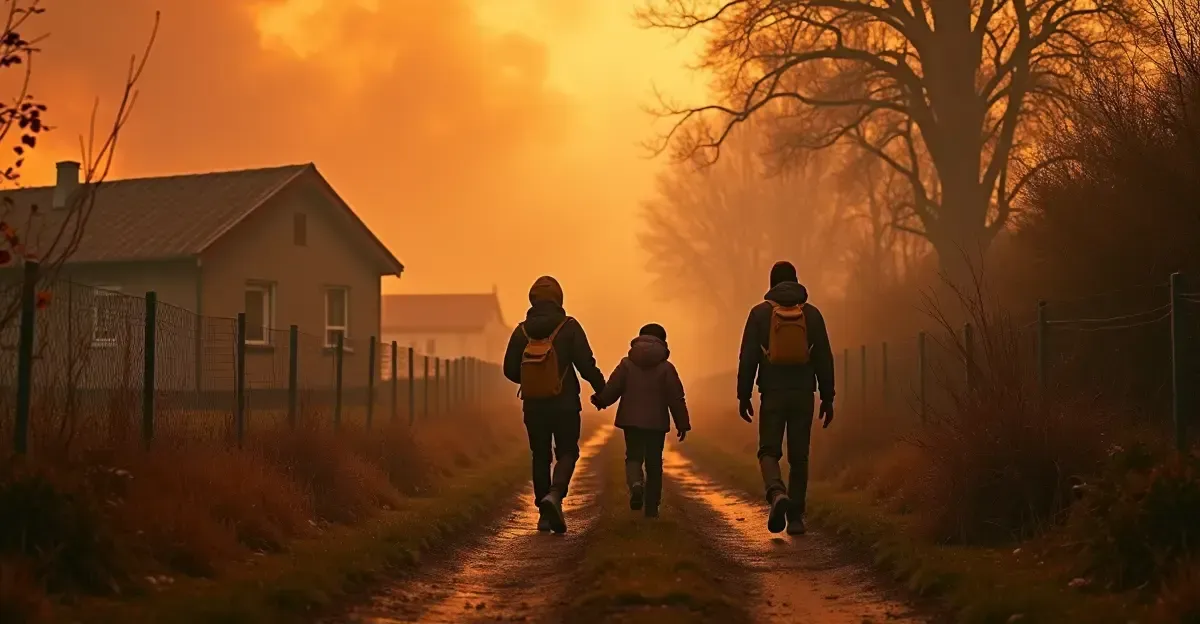
All evacuation orders were lifted on Wednesday evening, allowing residents of Belgian villages and the German town of Monschau to return home. No homes were reported destroyed, but the environmental damage to the reserve, home to rare subalpine flora and fauna, is severe. The disaster has reignited political debate over Belgium's climate resilience plans, with opposition parties criticising the lack of domestic aerial firefighting capacity and Interior Minister Bernard Quintin pledging a national resilience strategy. Authorities cautioned that monitoring and dousing could continue until late autumn to prevent reignition.
FAQ: Belgian High Fens wildfire
How many hectares burned in the High Fens fire?
Approximately 3,000 hectares, an area roughly the size of the Dutch island of Vlieland or half of Manhattan, have burned since August 15, 2026.
Is the Belgian High Fens wildfire fully extinguished?
No. It is largely under control, but peat can smoulder underground and reignite, so crews expect monitoring and dousing to continue for weeks or months.
Why did the fire spread so fast?
Record heat and drought dried out the ancient peat bogs, which are highly flammable. The fire could also spread below ground through compressed plant matter.
Which countries helped fight the fire?
Belgium received aerial and ground support from the Netherlands, Germany, Luxembourg, the Czech Republic, Norway and Sweden through the EU Civil Protection Mechanism.
Have evacuated residents returned home?
Yes. Evacuation orders for Belgian villages and the German town of Monschau were lifted on Wednesday evening, August 19.

Follow Discussion