


 Deutsch
 English
 Español
 Français
 Nederlands
 Português


 Share
Share




The Belgian Ardennes wildfire that consumed approximately 3,000 hectares of the High Fens (Hoge Venen) nature reserve was likely sparked by an agricultural machine, the Liège public prosecutor's office said on Monday 25 August 2026. While investigators caution that a definitive conclusion may still be months away, early findings point to 'activities of an agricultural vehicle' near the fire's origin.
What happened in the Belgian Ardennes?
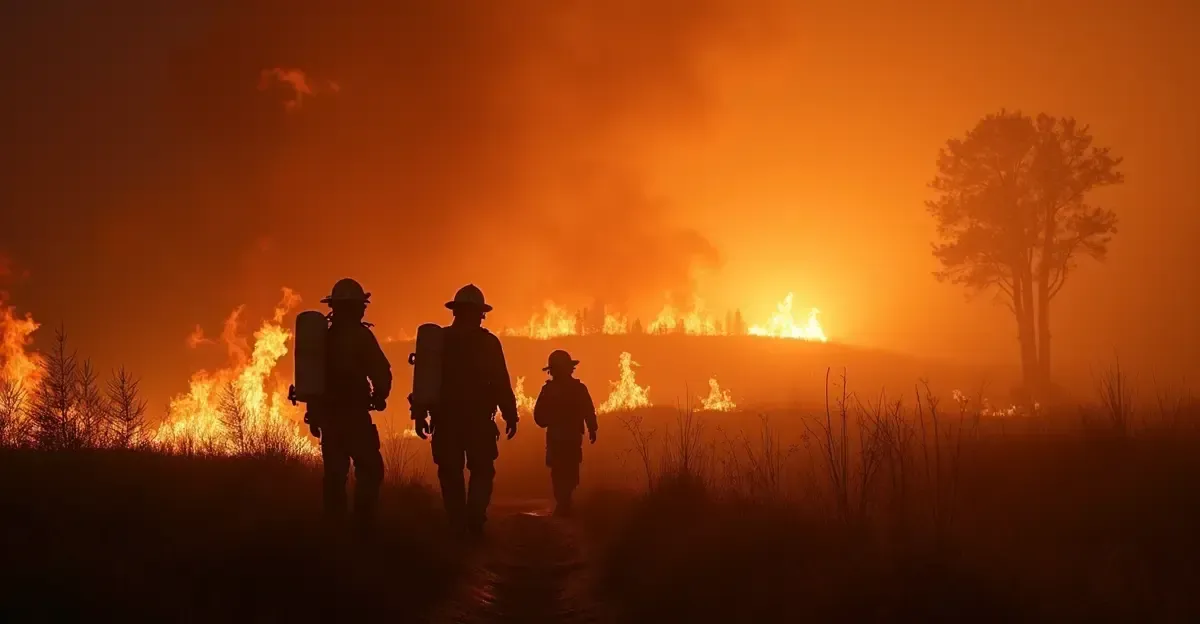
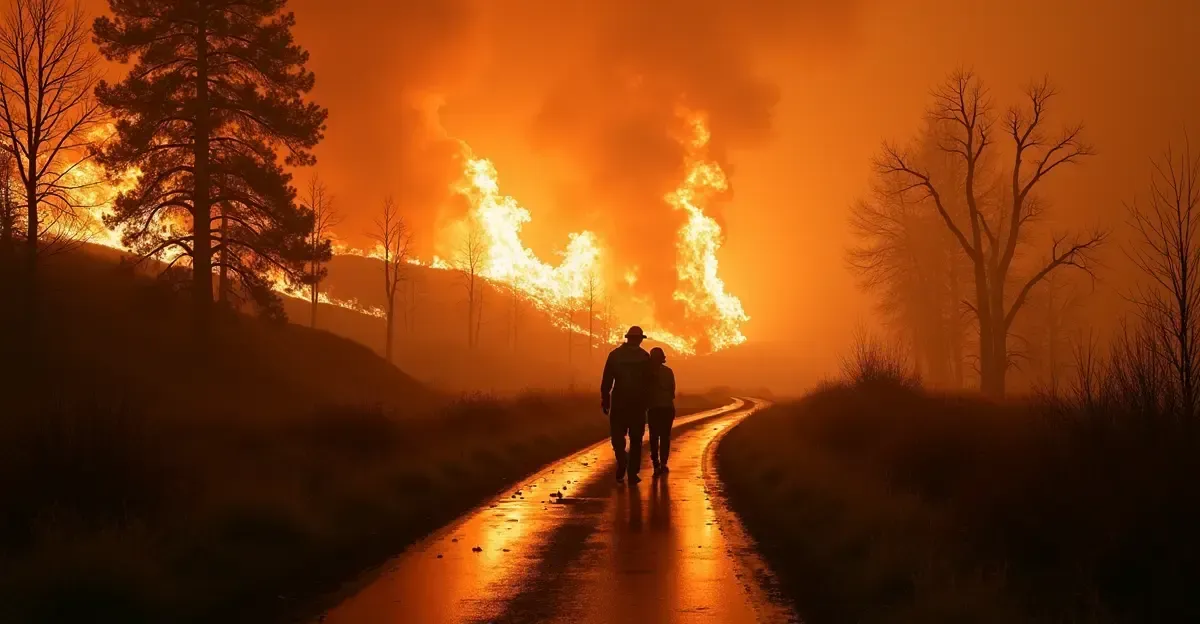
The blaze broke out on Friday 14 August 2026 in the Hautes Fagnes, Belgium's largest nature reserve, which spans heathland, pine forests and highly flammable peat. The fire erupted amid a severe European heatwave and drought crisis that has fueled wildfires across the continent, with temperatures reaching 37°C in the region. Within days, the flames had become the largest wildfire in Belgian history.
Investigation points to farm machinery
According to the Liège prosecutor's office, the first findings of the investigation indicate the fire was caused by an agricultural vehicle. The exact mechanism has not been disclosed, but online images previously published showed an agricultural machine in the area that appeared to be on fire. A fire expert and a vehicle and traffic specialist have been appointed to the case; they were only able to enter the site this past weekend because conditions had been too dangerous earlier. 'The investigation into the cause will probably take months,' the prosecutor's office stated.
The method echoes earlier probes into wildfire cause determination techniques used in Mediterranean countries, where agricultural machinery has been linked to several blazes during dry summers.
Why peat fires are especially dangerous
The High Fens contains large areas of dry peat, which is extremely combustible and can smolder underground for weeks. This made firefighting extremely difficult: the flames repeatedly changed direction due to shifting winds, and underground hotspots kept reigniting surface vegetation.
Firefighting timeline and international response
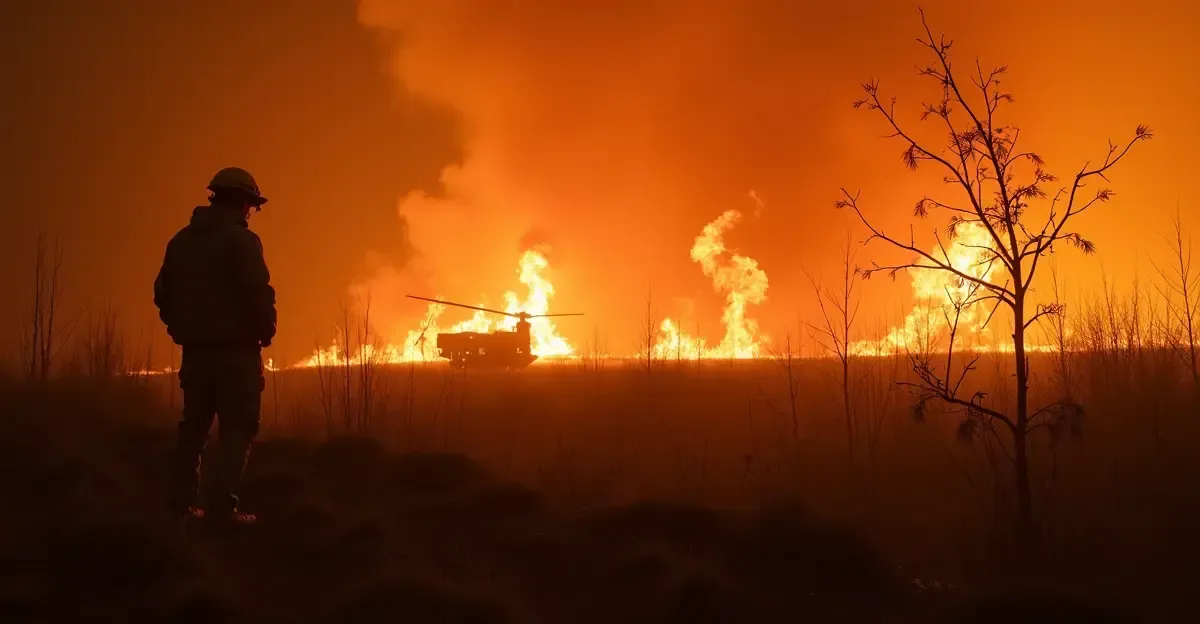
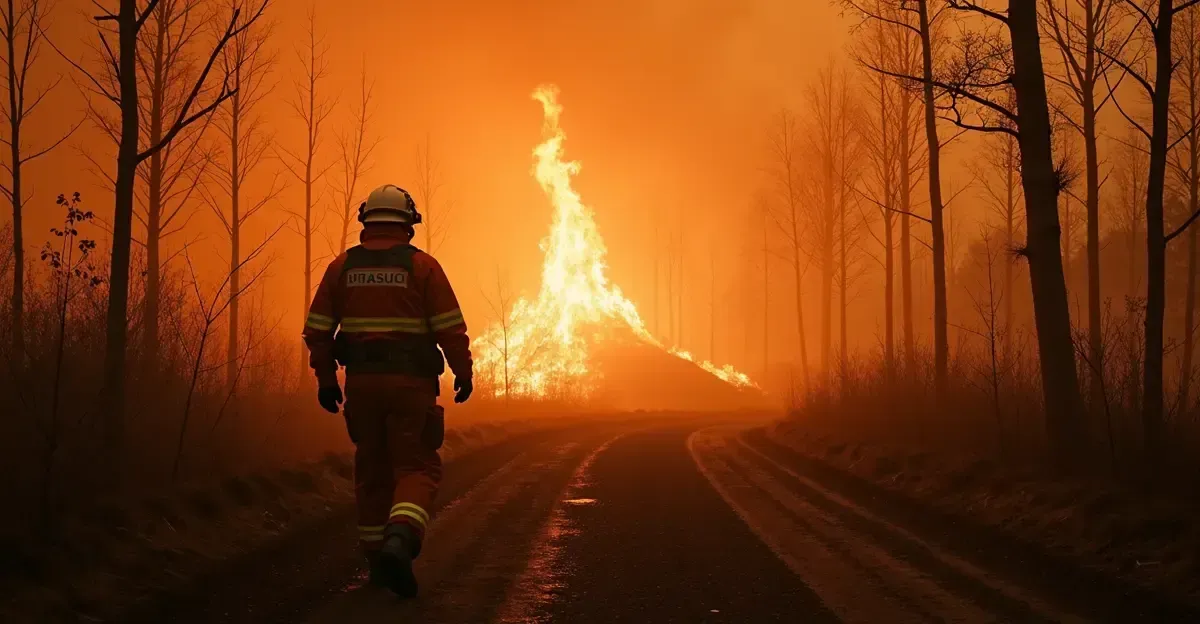
Hundreds of residents from nearby villages were evacuated after the fire started. Belgium quickly requested international assistance, and firefighting aircraft and crews arrived from the Netherlands, Norway, Germany, the Czech Republic and Sweden. It took firefighters five days to bring the blaze under control. In total, around 3,000 hectares of nature were destroyed, making it the largest wildfire ever recorded in Belgium.
Current status: months of fire risk remain
More than a week after the initial outbreak, around 100 firefighters remain on standby in the area to respond to flare-ups. This weekend they were still called out to extinguish rekindled flames, and smoke continues to rise occasionally from the burned forest. 'The chance that the fire will flare up again will remain for months,' a firefighter told broadcaster VRT. Extra monitoring is expected to be needed until winter. The burned area remains closed to the public, and a stop-and-parking ban is in force on roads along the disaster zone. Several people attempting to enter the area have been stopped by police.
Impact: Belgium's largest wildfire in history
The disaster has reignited debate over climate change and wildfire risk in northern Europe, where peatland ecosystems are increasingly vulnerable to drought. The previous record wildfire in Belgium, in 2011, burned about 1,400 hectares; the 2026 fire more than doubled that figure. Regional and European officials have visited the site to assess the damage and thank emergency services, while authorities continue to evaluate the environmental and economic toll.
Frequently Asked Questions
What caused the Belgian Ardennes wildfire?
Initial findings from the Liège public prosecutor's office suggest the fire was likely caused by an agricultural machine, though the investigation is ongoing.
How many hectares burned in the High Fens fire?
Approximately 3,000 hectares burned, making it the largest wildfire in Belgian history.
When did the Belgian Ardennes wildfire start?
The fire started on Friday 14 August 2026 and took five days to bring under control.
Is the fire completely extinguished?
No. About 100 firefighters remain on standby because underground peat can smolder and reignite for months, with extra monitoring expected until winter.


Follow Discussion