


 English
 Nederlands
 Deutsch
 Français
 Español
 Português

Daily News Summary – 2026-10-11 – en

On October 11, 2026, the news cycle was dominated by the fallout from a deadly Russian glide bomb attack on Zaporizhzhia, which killed at least 15 people and came just after Washington announced a deal to import Russian diesel. The US also imposed unprecedented sanctions on the International Criminal Court, drawing sharp rebukes from European allies. Meanwhile, record US diesel prices—up 70% since the Iran war—threaten GOP midterm prospects, and a migrant boat disaster off Djibouti left 139 dead. In economic and resource news, emerging markets face a $1.4 trillion debt wall, Gulf funds pour $100 billion into critical minerals, and a new expedition seeks Amelia Earhart's plane.
US Diesel Prices Surge 70%, Threatening GOP in Midterms

Retail diesel hit a record $6.52 per gallon after the war with Iran closed the Strait of Hormuz, squeezing truckers and farmers. President Trump allowed red-dyed diesel use and announced a deal to import Russian diesel, but analysts say prices won't fall soon. Some Republican truckers now plan not to vote GOP in November.
New Expedition to Search for Amelia Earhart's Plane at Nikumaroro

A scientific team arrives at Nikumaroro atoll on October 12 to investigate a satellite anomaly that may be Earhart's Lockheed Electra. The expedition uses magnetometers, sonar, and dredging to test the Gardner Island hypothesis. Experts remain cautious but say discovery would be comparable to finding the Titanic.
Djibouti Migrant Boat Capsize Leaves 139 Dead, 84 Missing

An overcrowded boat carrying about 305 Ethiopian migrants capsized off Djibouti in the Bab el-Mandeb Strait, killing at least 139 people. The IOM called it the deadliest shipwreck on the route and highlighted the dangers faced by Horn of Africa migrants seeking work in Gulf states. 82 survivors are receiving care.
Russian Glide Bomb Strike on Zaporizhzhia Kills at Least 15, Including Children
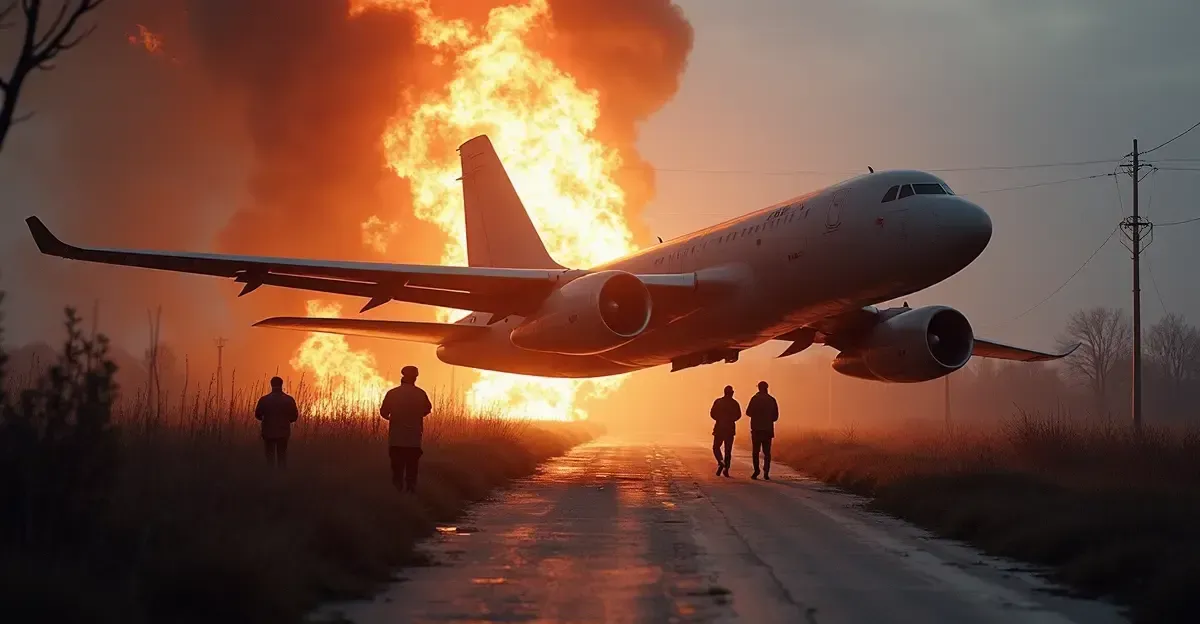
Russian forces struck Zaporizhzhia with five glide bombs, killing at least 15 and injuring 16. The attack came after President Trump announced a deal to import Russian diesel, which Ukrainian President Zelensky called Moscow's 'thanks' and a gift to Putin. European leaders criticized the fuel deal and reaffirmed support for Ukraine.
Gulf Sovereign Wealth Funds Deploy $100 Billion for Critical Minerals

Saudi Arabia and the UAE are investing over $100 billion in lithium, cobalt, and rare earth assets across Africa, Latin America, and Central Asia. The Gulf states aim to become neutral intermediaries in the US-China resource rivalry, offering Western allies alternatives to Chinese processing dominance. The investments are reshaping global supply chains.
Also Notable
Finance
Emerging Markets Face $1.4 Trillion Sovereign Debt Wall, IMF Warns

Twenty-three emerging economies must refinance $1.4 trillion in sovereign debt between Q2 2026 and Q1 2027 amid soaring rates and a strong dollar. The IMF warns of possible restructurings on a scale not seen since the 1980s, with Pakistan, Egypt, and others at high risk. China's retreat as a lender compounds the crisis.
Geopolitics
US Sanctions International Criminal Court, Drawing Sharp Condemnation from Allies

The United States imposed sanctions on the International Criminal Court under Executive Order 14203, banning US entities from transacting with the tribunal. The ICC called it an assault on the rule of law, while eight allied nations including the UK strongly disagreed. The move escalates tensions over the court's investigations involving US personnel and Israeli leaders.
 Share this article